Drug prevention and control efforts in Hanoi have yielded many positive results recently. Thousands of drug cases have been detected and processed; many large drug rings have been dismantled; and many complex areas have been gradually brought under control. However, these results do not mean that the risks have been eliminated, and many challenges remain. While previously, drug trafficking and transportation activities mainly took place directly, the internet has now become a "fertile ground" for criminals to exploit for transactions, recruitment, and network development. Synthetic drugs, drugs disguised as food, beverages, and e-cigarettes are constantly appearing, preying on the curiosity of young people.
Another reality that needs to be frankly acknowledged is that, in some places, drug prevention and control has not yet truly become a regular task of the entire political system. Some localities still rely heavily on the police force; in some areas, the monitoring and management of drug addicts and illegal drug users are not practical; and at times, propaganda remains merely a campaign, peaking and then subsiding. These "gaps" have created conditions for drug abuse to infiltrate the community again.
More concerning, many cases show that people still maintain a "it's not my business" mentality. When they detect suspicious signs, they are hesitant to report, reluctant to provide information, or afraid of confrontation. This indifference inadvertently creates "areas of responsibility" in the fight against drugs. Meanwhile, reality has proven that where citizens actively participate in monitoring and reporting crimes, the effectiveness of prevention is always many times higher than relying solely on operational measures.
The theme chosen by the city for the 2026 Anti-Drug Action Month is " Hanoi - United in determination to build drug-free communes and wards".
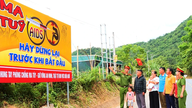


To achieve the goal of building drug-free communes and wards, the first and most important step is to change perceptions. Party committees and authorities at all levels need to recognize that this is not a temporary task but a continuous, ongoing effort directly linked to the quality of local governance and the peace and security of the people. A locality cannot be considered developed if there are still hidden drug hotspots in residential areas. It is impossible to talk about building a cultural life when young people are still at risk of being drawn into drug addiction.
Furthermore, it is necessary to continue improving the effectiveness of the fight against drug crime in a more proactive and modern manner. In addition to traditional operational measures, it is essential to strengthen the application of technology, tightly control activities in cyberspace, and promptly detect new methods and tactics. Businesses with security and order requirements must be regularly monitored to prevent them from becoming breeding grounds for violations.
However, combating drug abuse cannot focus solely on the "symptoms" of detecting and prosecuting crimes. More importantly, it is necessary to address the social factors related to drug addicts and those recovering from addiction. Without creating livelihoods, jobs, and an environment for reintegration, the risk of relapse will always be present. This is not just a problem for the Ministry of Labor or the Ministry of Public Security, but a shared responsibility of the entire society.
The fight against drugs has never been easy. The most worrying thing is not the sophistication of the criminals, but the complacency, indifference, and lack of decisiveness on the part of the people. When each commune and ward truly becomes a "fortress" against drugs; when each citizen becomes a soldier on the front lines protecting the community; when there are no longer "areas of responsibility" in the management system, the goal of building a civilized, safe, and drug-free Hanoi will not only be a political determination, but will gradually become a reality in daily life.



Source: https://hanoimoi.vn/moi-xa-phuong-la-mot-phao-dai-1209189.html