

For many people in the capital city, it is not just a symbolic act but also a beautiful cultural tradition, a way of expressing wishes for good luck, peace, and family unity throughout the year.

Long-standing customs carry many meanings.
According to folk beliefs, salt symbolizes purity, stability, and positive energy. Ancient people believed that the salty taste could ward off bad luck, helping families welcome good fortune from the very first day of the year. Therefore, buying salt at the beginning of the year is also known as "buying blessings."
Beyond its spiritual significance, salt is also a symbol of deep affection and strong bonds. Bringing salt home also signifies a wish for harmony, love, and lasting relationships. This custom is linked to the familiar proverb: "Buy salt at the beginning of the year, buy lime at the end of the year," a simple philosophy about a good beginning and a fulfilling ending.
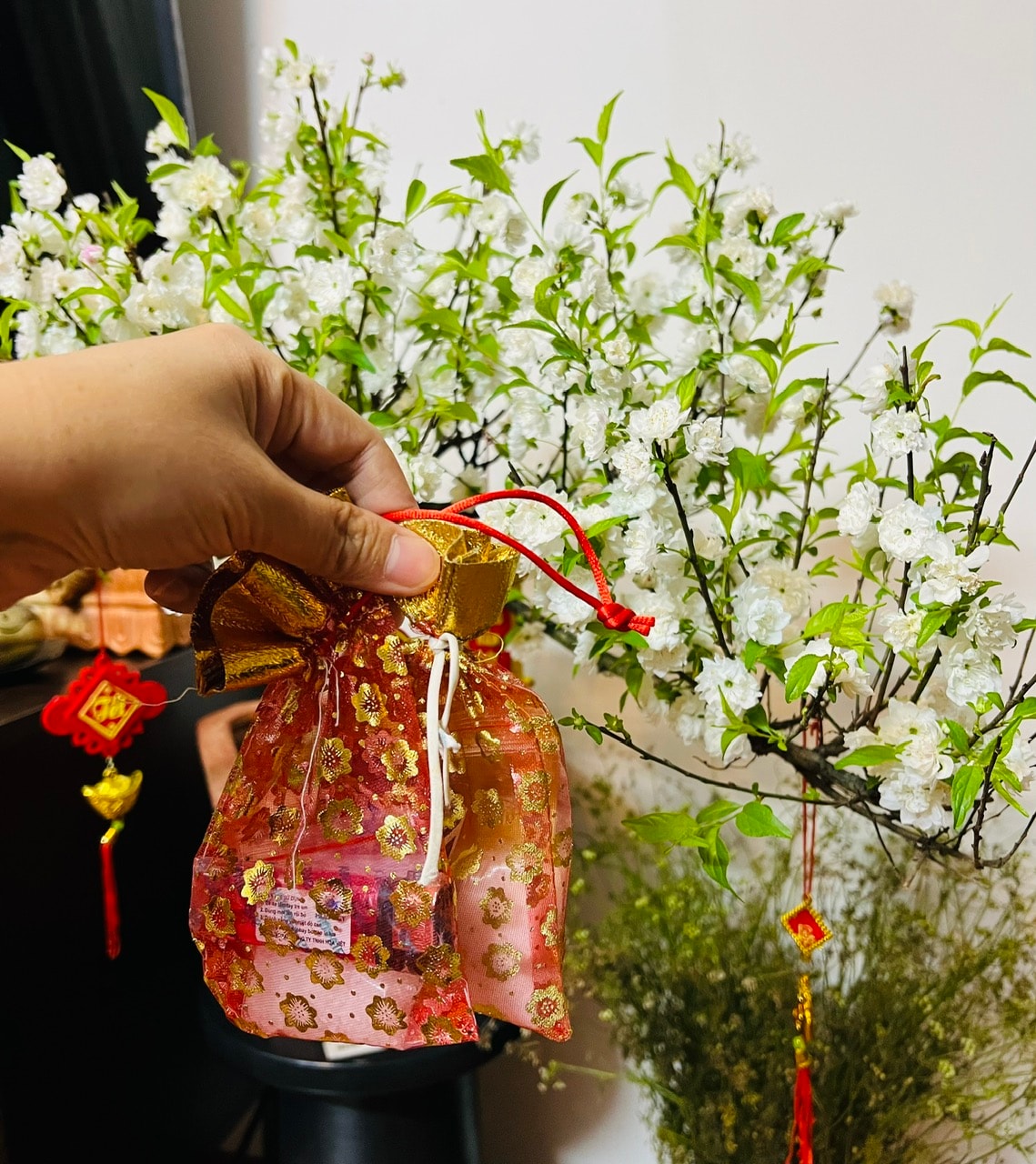
From the morning of the first day of Tet (Lunar New Year), when many shops are still closed, street vendors selling salt become the first "openers" of the new year. On their old bicycles or motorbikes, they carry bags of pristine white salt, pre-divided, sometimes accompanied by a box of matches or a red envelope symbolizing good luck.
In Hanoi's Old Quarter, the sight of people stopping to buy salt has become familiar. Some buy it to uphold tradition, while others carefully select each small packet as if entrusting it with their hopes for a prosperous year.
Ms. Thu Ha, who lives near Ho Guom Lake, shared: "Every year, my family buys salt early on the first day of the Lunar New Year. It's not because of superstition, but because we see it as a beautiful tradition. Holding the bag of salt at the beginning of the year, I naturally feel relieved, as if I have more faith in a prosperous new year."
Nguyen Van Dung, who lives near Quan Thanh Temple, said this tradition has been with him for many decades. "Since I was a child, I used to go with my mother to buy salt at the beginning of the year. I've continued this habit as an adult. A small packet of salt may seem insignificant, but it carries great spiritual meaning, reminding me to live in harmony and cherish family ties."
Timeless beauty
Amidst the hustle and bustle of modern life, many traditional customs are gradually changing, but the practice of buying salt at the beginning of the year remains steadfast. The method of buying and selling may be different from before, but the spiritual significance remains intact.
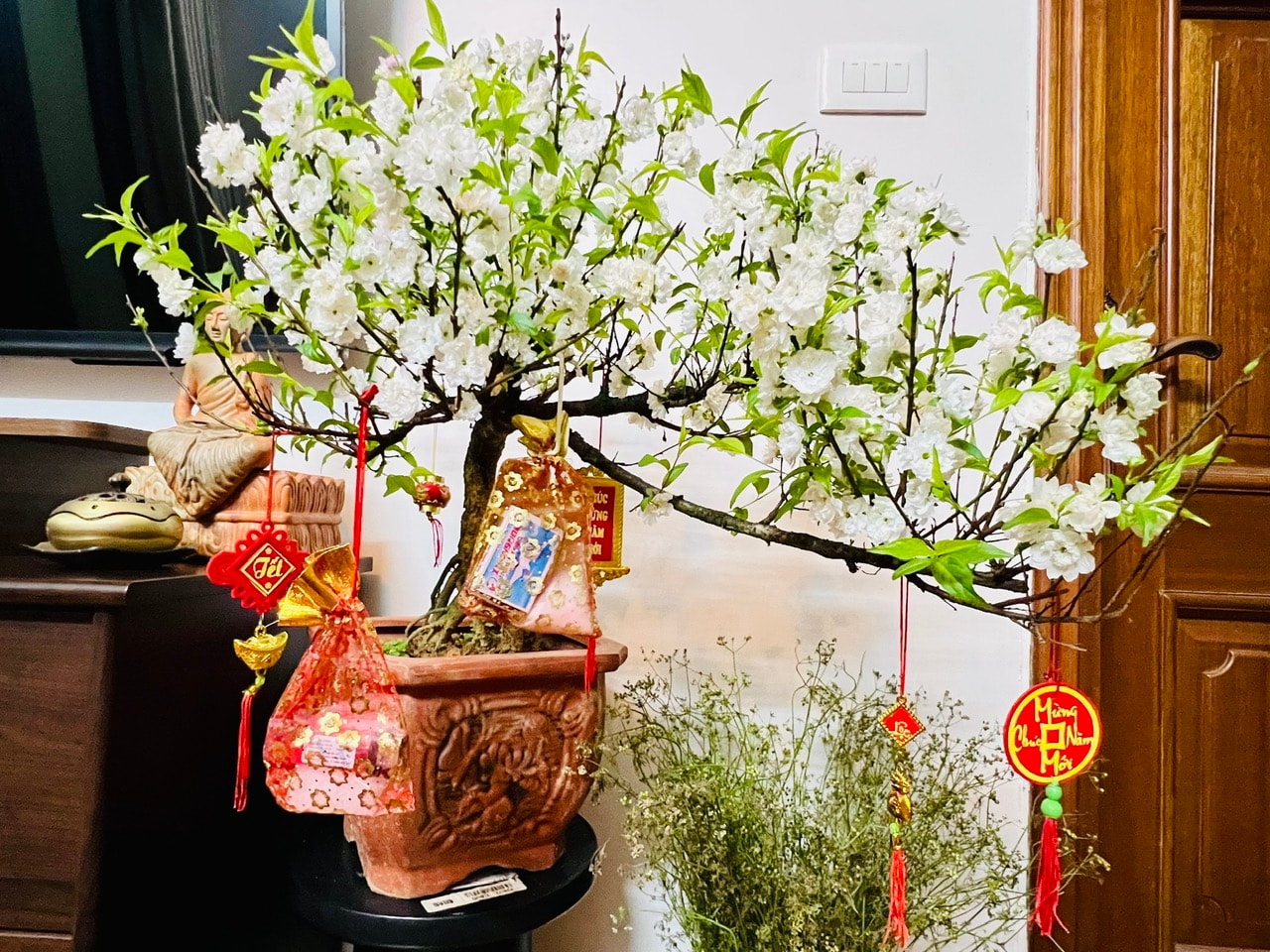
For young people, it's a connection to family memories. For older people, it's an indispensable part of Tet, simple yet sacred. Many believe that this small ritual helps start the new year with optimism, goodness, and hope.
The custom of buying salt at the beginning of the year is not noisy or ostentatious, but it embodies the cultural depth and philosophy of life of the Vietnamese people, emphasizing harmony, affection, and belief in good things.
Amidst the hustle and bustle of urban life, small salt vendors still regularly appear every spring. They carry not only white salt grains but also memories, beliefs, and the continuation of tradition.
A small packet of salt, yet it carries a great wish: family harmony, a prosperous life, and human relationships as rich and familiar as the salty taste of the season. And on the first morning of the year, when stopping by a salt vendor's stall, people are not just buying an item, but also taking home hope for a peaceful, lucky, and fulfilling new year.
Amidst the ceaseless flow of time, the first grains of salt of the year silently remind people to cherish faith, value family ties, and begin each new journey with the warmth of the simplest things.
Source: https://hanoimoi.vn/mua-muoi-dau-nam-net-dep-binh-di-734258.html






















































![[Video] Sunset at Lap An Lagoon – Where the sun sets over the fishing nets](https://vphoto.vietnam.vn/thumb/1200x675/vietnam/resource/IMAGE/2026/05/31/1780192137701_beach-landscape-sea-water-nature-grass-745871-pxhere-com.jpeg)


































Comment (0)