

Start your day with health news! You can also check out these articles: Nutrient-rich vegetables; Can filtering blood fat prevent stroke ?; Mistakes to avoid after showering in cold weather!...
Should pink salt be used as a substitute for white salt?
According to Master's degree holder and specialist doctor Duong Thi Ngoc Lan (Nutrition Counseling Clinic, University Medical Center of Ho Chi Minh City – Branch 3): Pink salt is a natural salt mined in the Himalayas. Its pink color is due to the presence of various minerals, including sodium, calcium, potassium, magnesium, iodine, iron, and zinc. Pink salt is believed to purify the air, improve skin health, and lower blood pressure. However, these benefits have not been scientifically proven.
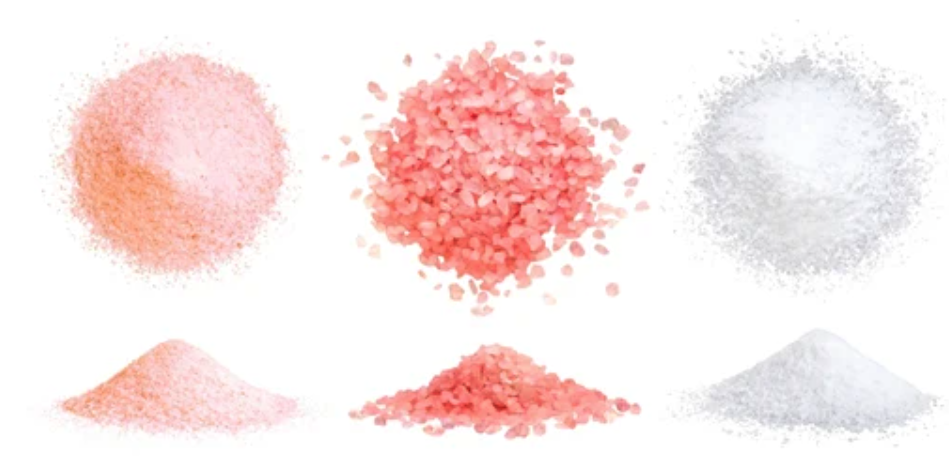
The unique flavor of rose salt comes from its color and aroma; however, its sodium content is not much lower than that of white salt, it is expensive, and some products contain lead exceeding the permissible limit.
Pink salt is known for its lower sodium content compared to regular table salt, so many people now use it to improve cardiovascular health. However, a study showed that the sodium content in pink salt is 64 mg less than in regular table salt, which is not enough to improve blood pressure. In addition, there have been reports of some pink salt products on the market containing lead levels exceeding safe limits.
Pink salt is a natural salt with several potential health benefits. However, it's important to note that pink salt still contains a high amount of sodium and is expensive, potentially up to 30 times more expensive than regular salt. Research has not shown that Himalayan salt has any particular health benefits compared to other table salts. Its uniqueness comes from its color and flavor. You should follow health recommendations regarding daily salt intake to under 5g (1 teaspoon), use pink salt safely, ensure the product is from a reputable source, and maintain a balanced, healthy diet. Readers can find more information on this topic on the health page dated January 31st .
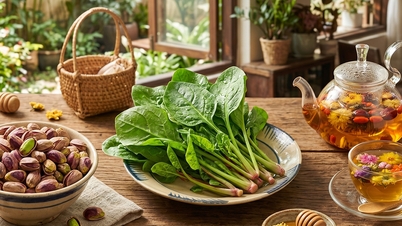
Nutrient-rich vegetables
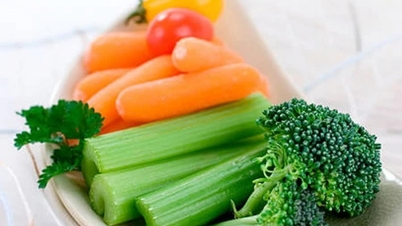
Carrots, broccoli, garlic… are among the most nutritious vegetables.
Vegetables are a must-have in a healthy diet. According to the health website Healthline (USA), vegetables are rich in fiber, vitamins, minerals, and antioxidants.
Here are some of the most nutritious vegetables.
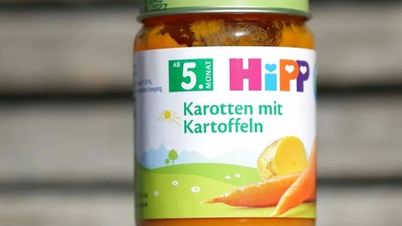
1. Carrots. Carrots are rich in vitamin A, vitamin C, and potassium. They also contain beta-carotene, an antioxidant that the body converts into vitamin A.
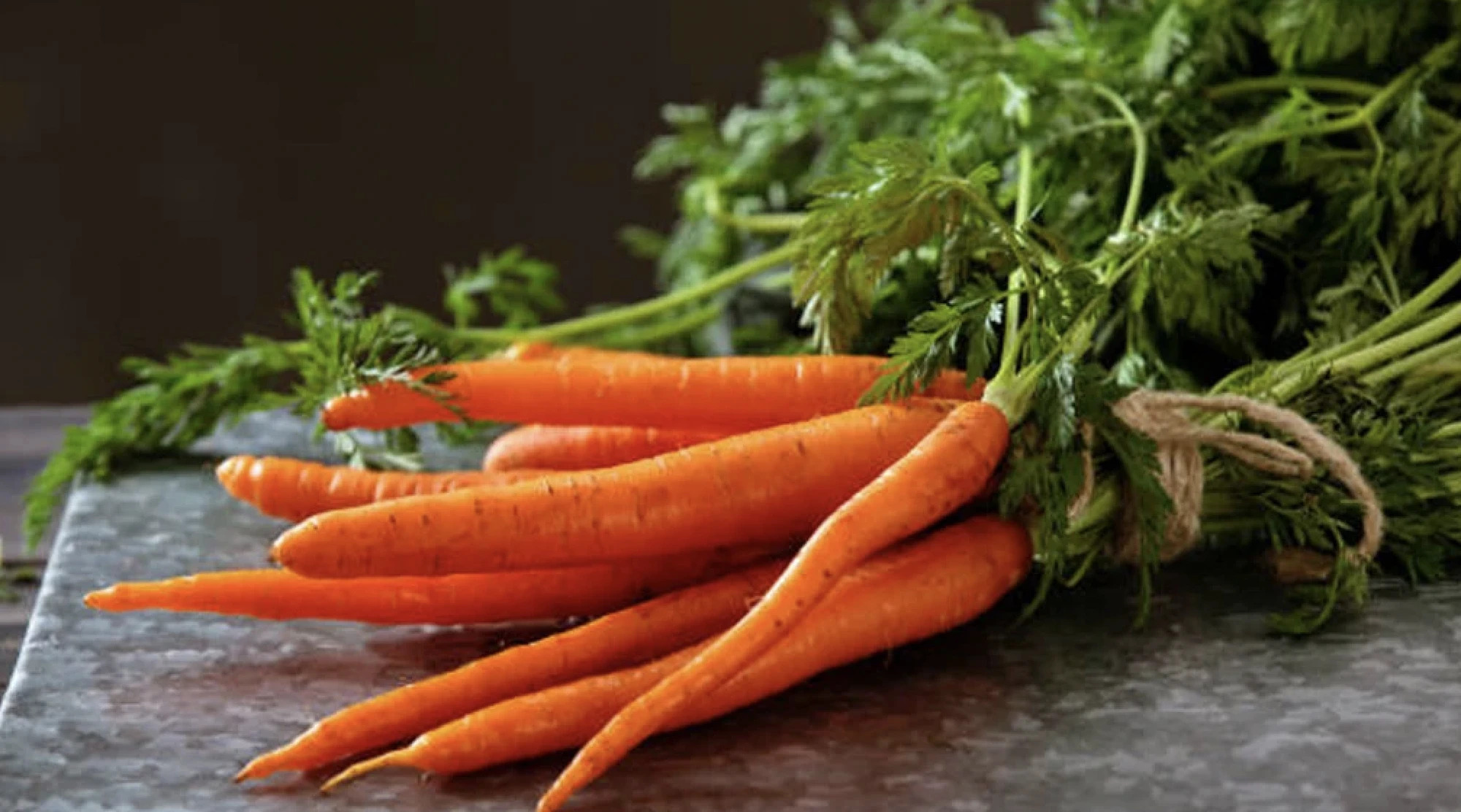
Carrots are very good for your health.
A study of 57,000 people showed that eating at least two to four carrots per week reduced the long-term risk of colorectal cancer by 17%. Another study also showed that carrots may reduce the risk of developing lung cancer.
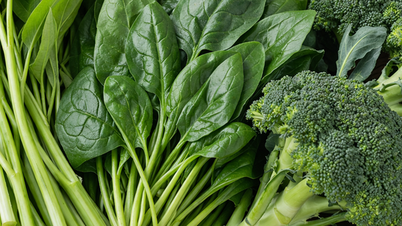
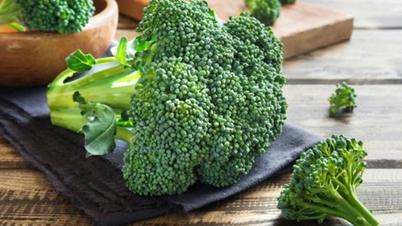
2. Broccoli. Broccoli is rich in vitamin K, vitamin C, folate, manganese, and potassium.
Broccoli is rich in the plant compounds glucosinolate and sulforaphane, which may help fight cancer, as well as reduce inflammation associated with chronic diseases.
3. Garlic. One clove of garlic contains only about 4.5 calories. Garlic also contains nutrients such as selenium, vitamin C, vitamin B6, and fiber.
Garlic is also used as medicine in many medical systems. The compound allicin in garlic has been shown to regulate blood sugar levels and improve cardiovascular health. Further details of this article will be available on the health page on January 31st.
Can blood lipid filtration prevent stroke?
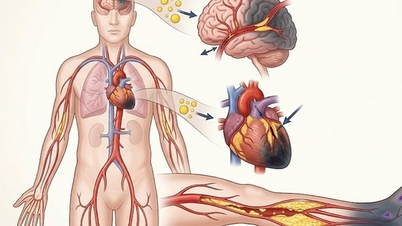
Lipid filtration is a specialized technique, indicated only in necessary cases, and is not a service to prevent stroke.
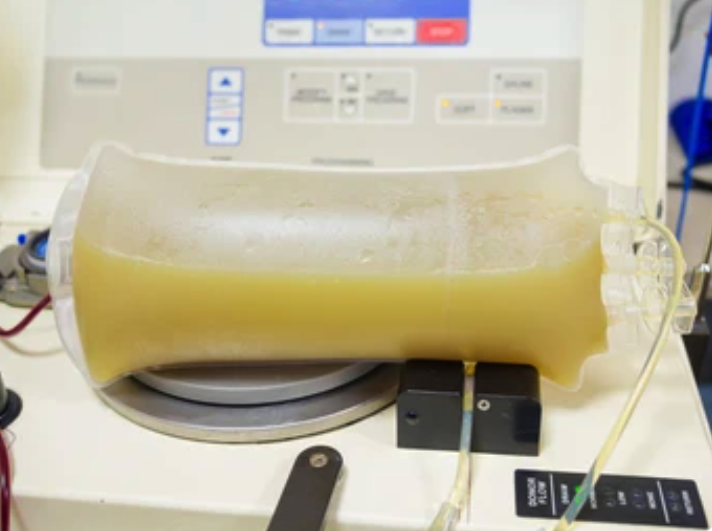
Lipid filtration is a specialized technique applied as prescribed by a doctor when necessary.
Dr. Ho Thanh Lich, Deputy Head of the Intensive Care and Emergency Department at Nam Saigon International General Hospital, stated that information about using blood lipid filtration to prevent stroke is inaccurate. According to regulations from the Ministry of Health , blood lipid filtration is indicated only when blood lipid levels are above 11 mmol/L accompanied by pancreatitis, meaning it is indicated in severe, life-threatening cases and is performed according to strict procedures.
"Because this is a highly specialized technique, it must be performed by a specialist doctor with modern equipment. Furthermore, the process of blood lipid filtration also carries the risk of dangerous complications for the patient. Therefore, there is no such thing as blood filtration to prevent high cholesterol in the long term or to prevent stroke," Dr. Lich explained.
According to Dr. Lich, among the causes of stroke, besides unchangeable factors such as age, gender, and family history, pathological factors also increase the risk of stroke, including diabetes, cardiovascular disease, high blood pressure, high cholesterol, overweight, obesity, and unhealthy lifestyles (smoking, alcohol abuse, etc.). Of these, high blood pressure is the leading risk factor for stroke. Start your day with health news to read more about this article!
Source link


![[Photo] “Red Journey” 2026: Vietnamese Youth Continue Building the Bridge of Friendship Between Vietnam and China](https://vphoto.vietnam.vn/thumb/1200x675/vietnam/resource/IMAGE/2026/04/20/1776629730866_4055880775670638308-9618-4200-jpg.webp)



























































































Comment (0)