Photo: Nguyen Vinh Son
Prolonged periods of intense heat interspersed with sudden thunderstorms are eroding the physical and mental health of millions of self-employed workers.
The numbers are alarming.
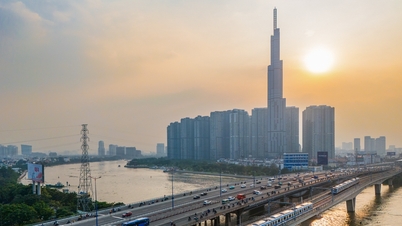
Due to its unique geographical location and natural conditions, Vietnam is one of the countries most severely affected by climate change in many aspects of social life. Climate change increases the risk of dangerous diseases caused by extreme weather events, placing heavy pressure on the national healthcare system and degrading the quality of the workforce. Sociological studies indicate that there are currently about 33 million informal workers nationwide, of which about 7 million work entirely outdoors. This large workforce includes motorbike taxi drivers, delivery people, construction workers, street vendors, scrap collectors, and those involved in loading, unloading, or transporting goods. The average working time for this group of workers reaches 55.3 hours per week, exceeding the regulations of the Labor Code by about 7 hours. The data shows that as many as 98.9% of them are regularly exposed to heat and 98.4% have to work in unfavorable environments, exposed to the harshness of nature.

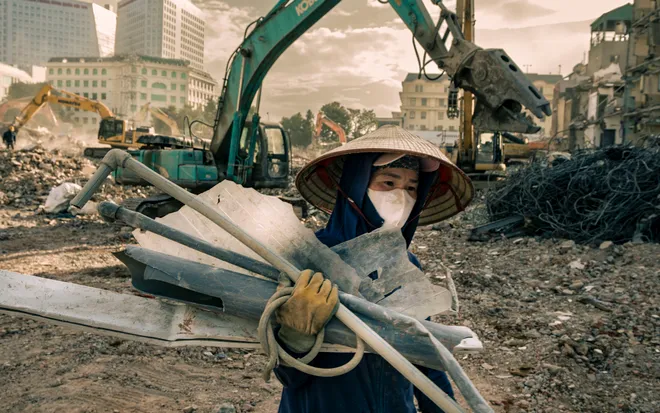

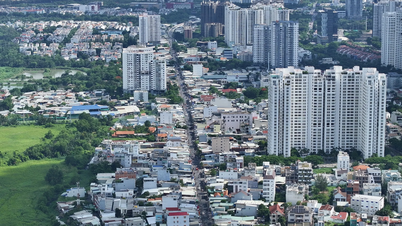
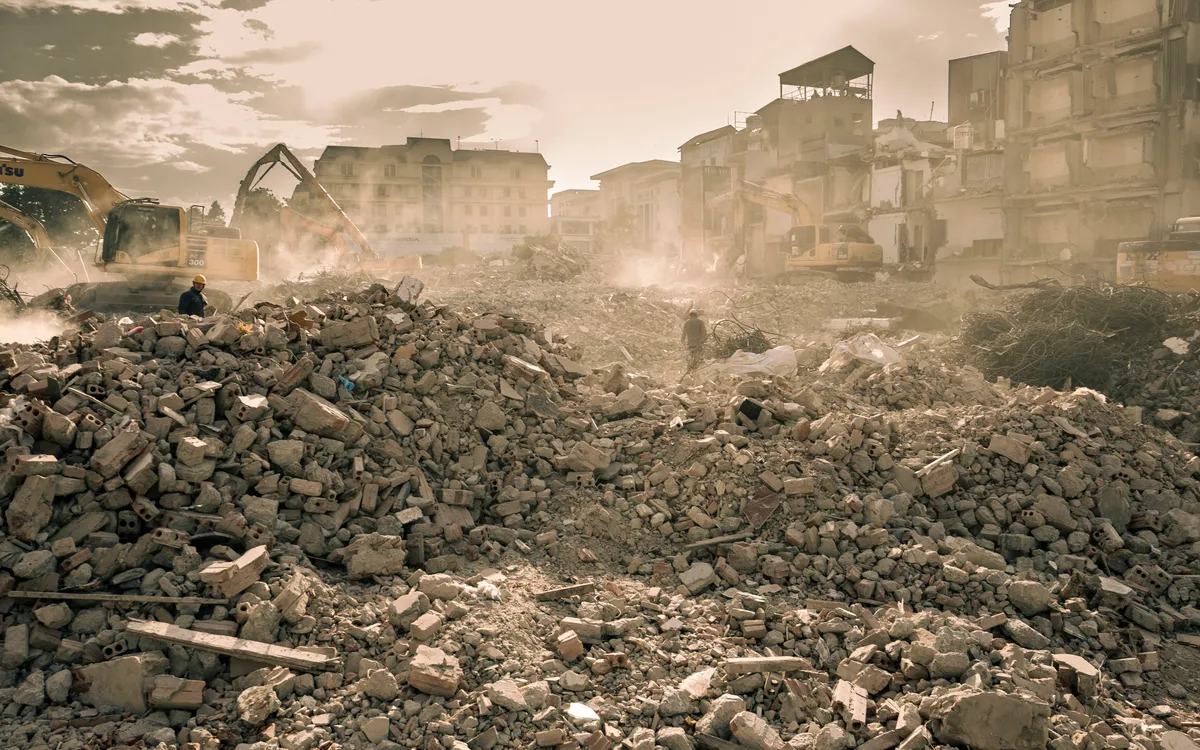
Vietnam is one of the countries most severely affected by climate change (Photo: Nguyen Vinh Son)
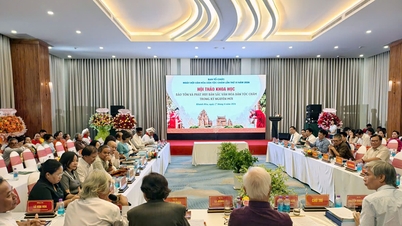
At the workshop sharing research results on "Assessing the Impact of Climate Change on the Health of Self-employed Workers in Major Cities in Vietnam," held in early June, a team of experts including Prof. Dr. Nguyen Van Kinh, Dr. Nguyen Thu Giang, Dr. Vu Ngoc Anh, and Dr. Vu Thi Minh Hanh, along with officials from the Vietnam Medical Association and the Anh Sang Institute for Community Health Development , pointed out an alarming picture of the health situation of these workers. The survey results showed that 74.8% of workers regularly feel tired or exhausted during heatwaves. The burden of making a living weighs heavily on those who work directly on the asphalt, which absorbs enormous amounts of heat and radiates stifling heat. Besides physical exhaustion, the pressure from extreme weather and the worry of making a living are directly attacking the mental health of outdoor workers in Ho Chi Minh City.

Extreme weather is eroding the health of workers (Photo: Thao Le)



Statistics show that over 60% of survey participants suffer from chronic musculoskeletal pain. Psychologically, over 41% of workers reported negative impacts on their mental health, nearly 11% experienced mild anxiety, and 3.6% faced severe anxiety disorders. The biggest current barrier is the gap in access to social security and healthcare, as the voluntary social insurance participation rate among this group remains very low, and over 60% of respondents currently live in rented or substandard housing.
Sacrificing health for livelihood.
In recent years, the weather in major cities like Hanoi and Ho Chi Minh City has become increasingly harsh. In Hanoi, intense and prolonged heatwaves occur frequently during the summer. Meanwhile, Ho Chi Minh City is characterized by a hot and humid climate year-round, with high temperatures combined with high humidity, creating a feeling of heat that is much higher than the temperature measured by instruments. The weather pattern of scorching sun in the morning followed by heavy rain in the afternoon causes moisture to rise from the ground, creating a stuffy feeling and affecting health. For delivery drivers or ride-hailing drivers, constantly traveling tens of kilometers in the midday sun causes rapid dehydration, reducing concentration and increasing the risk of traffic accidents. International scientific studies also warn that rising ambient temperatures directly affect cognitive function, reflexes, and overall work performance. These are particularly important factors that determine the safety of those who choose the streets as their place of livelihood.

Along the streets of Ho Chi Minh City and Hanoi, there are always free water dispensers to keep outdoor workers hydrated (Photo: Thao Le).
Mr. Ho Khanh Dat, a driver with over 12 years of experience in ride-hailing services, shared that outdoor workers are constantly facing unusual weather phenomena such as intense heat, sudden heavy rain, dust, and constantly changing temperatures throughout the day. To ensure they can support their families, drivers have to work 12 to 16 hours a day and have almost no days off. Under the scorching sun reaching 38-40 degrees Celsius, they still have to continuously travel on the roads to pick up and deliver goods to customers.
For over 20 years, Minh Tam (50 years old) has been making a living selling mixed rice paper snacks, toad fruit, guava, and mangoes on the streets of Ho Chi Minh City. She sadly recounts how the weather in recent years has become increasingly harsh, draining her energy. Every day, she wakes up early to get her goods, starts her work around 10 am, and usually doesn't pack up until 10 pm. Suffering from chronic sinusitis and a herniated disc, the prolonged heat waves quickly exhaust her body, and her joint pain flares up significantly. She shares that on some days, the sweltering heat lasts from morning till night, and standing outside all day is exhausting, but she has to endure it because taking a day off means her family loses income.





Despite facing numerous health problems, outdoor workers must continue working to make a living (Photo: Thao Le).
In late May, Bach Mai Hospital admitted a 25-year-old male worker to the emergency room after working continuously for many hours outdoors in temperatures of approximately 40 ° C. The patient was admitted in a state of severe dehydration, showing signs of acute kidney failure and muscle wasting due to prolonged strenuous labor in hot weather without adequate hydration. Fortunately, after three days of intensive treatment by doctors, the patient's kidney function fully recovered. This is just one of many typical cases illustrating the increasing dangerous health risks for outdoor workers as climate change becomes more complex.
To address this issue, experts believe that practical support policies are needed to fill the current social security gap. Encouraging and facilitating the participation of self-employed workers in voluntary social insurance and health insurance is extremely urgent. At the same time, relevant authorities need to provide specific recommendations and guidance on workplace safety in particularly hazardous weather conditions, helping people know how to protect themselves, stay hydrated, and get adequate rest to avoid dangerous accidents.
Source: https://vtv.vn/muu-sinh-duoi-thoi-tiet-cuc-doan-100260627143021169.htm