If implemented, the agreement could help unblock global oil supplies and bring energy prices down.
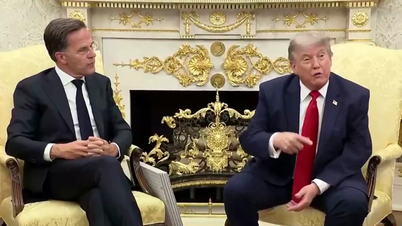
US President Donald Trump declared on the social media platform Truth Social that: "The deal with the Islamic Republic of Iran is now complete."
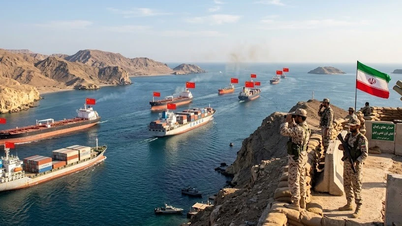
Trump also said the Strait of Hormuz would be reopened on June 20 and that he had ordered an end to the blockade of Iranian ports.
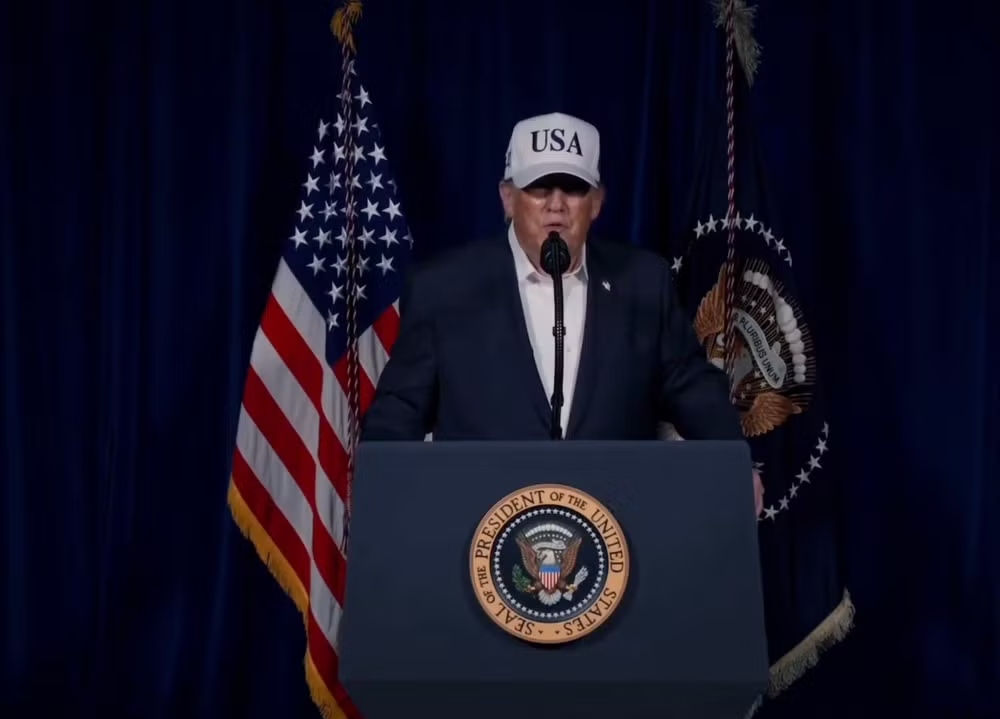
The US President wrote: "Ships around the world , start your engines. Let the oil flow again!"
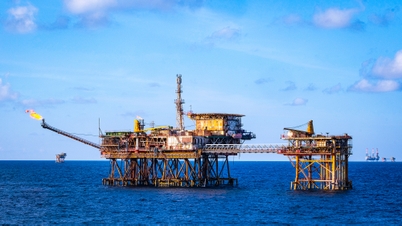
This information immediately impacted the energy market, with Brent crude falling by about 4% in early week trading, and US WTI crude dropping by more than 4.6%.
Trump's announcement came shortly after Pakistani Prime Minister Shehbaz Sharif, whose country acted as a mediator, confirmed that the two sides had reached an agreement. According to Sharif, the official document will be signed in Switzerland on June 19 (June 20 in Vietnam time).
The full details of the agreement have not yet been released. However, according to the Pakistani Prime Minister, the document stipulates "the immediate and permanent cessation of military operations on all fronts, including in Lebanon."
According to diplomatic sources, the two sides have agreed on a 60-day ceasefire to negotiate a broader agreement, including the lifting of sanctions and resolving the fate of Iran's nuclear program.
A senior Iranian official revealed that, under the terms of the draft agreement, the U.S. agreed to release $25 billion in frozen Iranian assets. In return, Iran committed not to produce or possess nuclear weapons, and to maintain the current state of its nuclear program, including not enriching uranium or expanding nuclear facilities until a final agreement is reached.
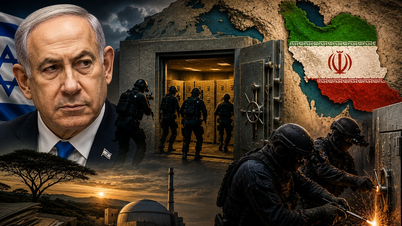
On the ground, the situation remains complex due to newly emerging military actions. An Israeli attack on Lebanon on June 14th drew criticism from both Iran and President Trump.
Trump emphasized on social media that: "This morning's attack on Beirut should not have happened, especially on a day when we are so close to a Peace Agreement with Iran." Meanwhile, Prime Minister Benjamin Netanyahu maintains a different stance from the US regarding the demand to limit military operations in Lebanon, with Israel wanting to maintain freedom of operation there while Iran considers a comprehensive ceasefire a prerequisite.
Lebanon is considered one of the biggest points of contention in the negotiations, as Israel and Hezbollah forces have continued to attack each other despite calls for a ceasefire.
The conflict began on February 28th when US and Israeli forces attacked Iran, resulting in thousands of deaths, primarily in Iran and Lebanon. In retaliation, Iran attacked Israel and other Gulf states with US bases and blockaded the Strait of Hormuz, putting significant pressure on global energy prices.


The US and Iran have issued conflicting statements regarding the timing of the preliminary agreement.
The US and Iran signal a potential peace agreement.
Keywords:
Source: https://congluan.vn/my-va-iran-dat-thoa-thuan-cham-dut-xung-dot-post349897.html

![[Photo] General Secretary and President To Lam receives Palestinian Ambassador Saadi Salama](https://vphoto.vietnam.vn/thumb/1200x675/vietnam/resource/IMAGE/2026/06/25/1782365384740_a1-bnd-9423-8322-jpg.webp)
![[Image] Schools organize meetings and introduce teaching models to students admitted to grade 10.](https://vphoto.vietnam.vn/thumb/1200x675/vietnam/resource/IMAGE/2026/06/25/1782368077271_ndo_br_z7970052192242-1ec8daeb77a6eed1a4e9f58c564ddd3e-jpg.webp)

![[Image] Ho Chi Minh City: Ma Lang area, Chicken-Rice Market about to change its appearance](https://vphoto.vietnam.vn/thumb/1200x675/vietnam/resource/IMAGE/2026/06/25/1782377698627_ndo_br_m1-jpg.webp)



![[GALLERY] Voidling Bound takes Steam by storm with 94% positive reviews.](https://vphoto.vietnam.vn/thumb/402x226/vietnam/resource/IMAGE/2026/06/25/1782396892878_tua-1-png.webp)