

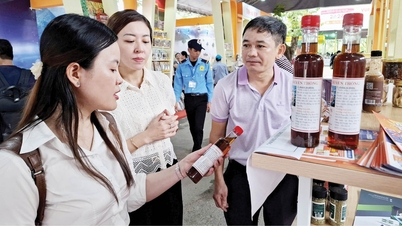
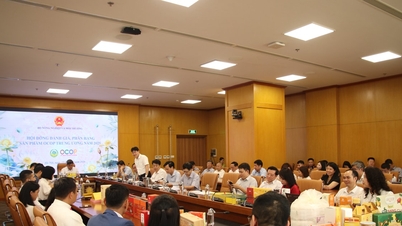
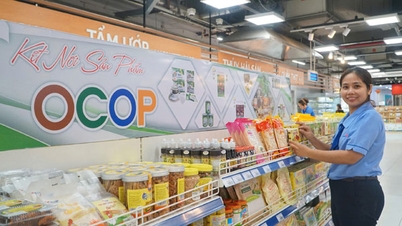
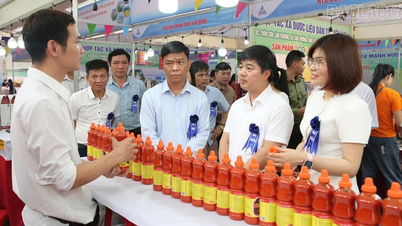
Implementing the national target program on building new rural areas, advanced and model new rural areas, all levels, sectors, and localities in the province have effectively restructured the agricultural sector, implemented the One Commune One Product (OCOP) program, strongly developed various trades, improved the efficiency of cooperatives, and enhanced the quality of vocational training for rural laborers..., contributing to raising people's income in a sustainable manner.
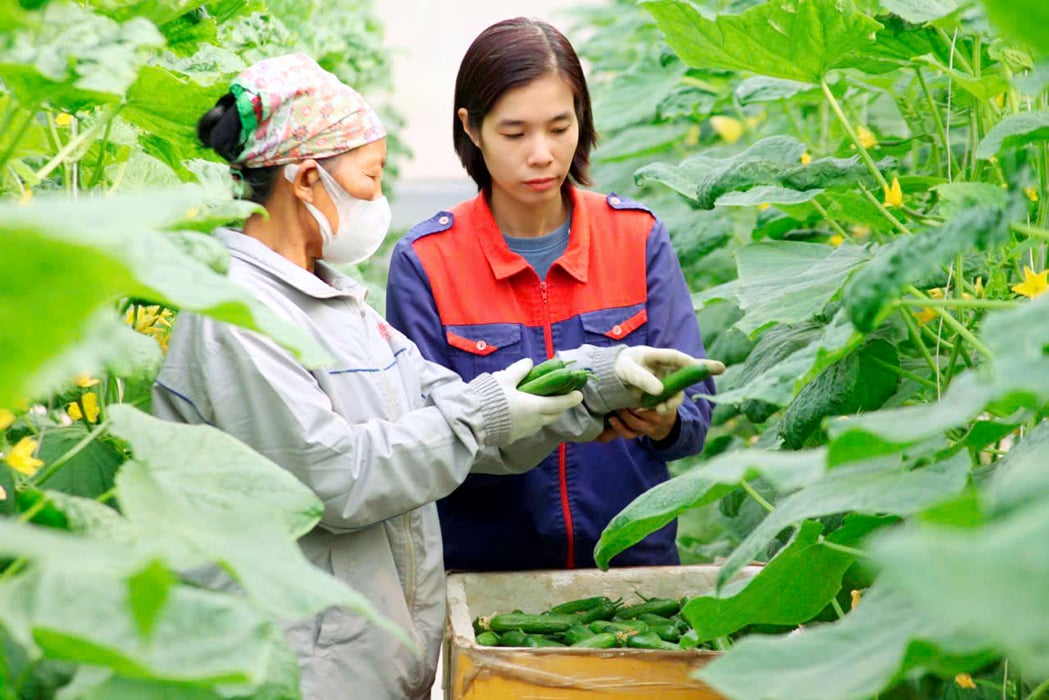
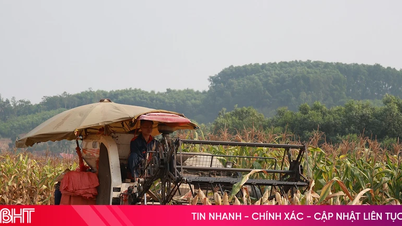
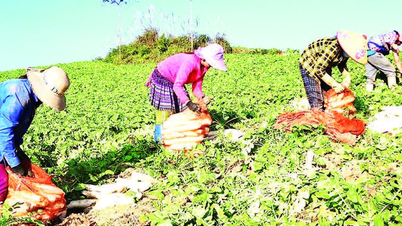
During the period 2021-2025, the province effectively implemented policies to support the restructuring of the agricultural sector, especially policies supporting the restructuring of the agricultural sector according to Resolution No. 20 of the Provincial People's Council to increase income for people in rural areas. Notable examples include supporting the conversion of rice-growing land to annual crops, fruit trees, and integrated aquaculture, as well as supporting the introduction of new rice varieties and various fish breeds.
In 2024 alone, the agricultural sector provided support including over 805 tons of various rice seeds to over 16,100 hectares in communes, wards, and towns throughout the province; supported 1.52 million fish fry of various types to households in districts and cities across 115 hectares; and provided support for 37,000 fish fry...
To improve the operational efficiency of various forms of production organization, the province continues to guide agricultural cooperatives in transforming their operations in accordance with the 2023 Cooperative Law. Currently, the province has 411 agricultural cooperatives, with 264 operational and 21 agricultural cooperative groups operating effectively according to regulations. Agricultural cooperatives are gradually meeting the requirements of socio-economic development, integrating with the implementation of socio-economic development programs and projects in the area, and making a certain contribution to local income annually, helping to maintain political security and social order, and diversifying service types to better meet the needs of members and the market.
Recognizing the role of science and technology in building new rural areas, the province has implemented 145 science and technology projects in the fields of agriculture and forestry in recent years.
Research topics focus on testing high-yielding and high-quality plant and animal varieties; applying new technical advancements to production and daily life, in accordance with the actual production needs of farmers.
In addition, the program for developing rural tourism in the construction of new rural areas has been effectively implemented; community tourism and rural tourism have been developed with tourism products such as: experiential tourism in red-fleshed dragon fruit gardens in Van Truc, Xuan Hoa, and Ngoc My communes (Lap Thach); experiential tourism to enjoy specialties like chayote and golden flower tea in Tam Dao; community-based experiential tourism in Ngoc Thanh commune (Phuc Yen),...
Thanks to provincial support programs, people in rural areas of the province have actively promoted economic restructuring, focusing on livestock farming as a spearhead, and developing agricultural production towards concentrated commodity production. This has created a "breakthrough," contributing to the annual growth of agricultural production value and providing a foundation, impetus, and leverage for building new rural areas.
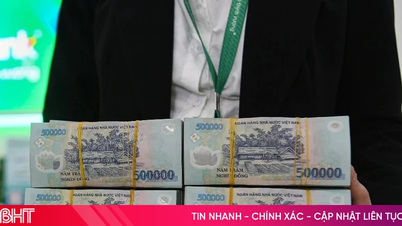
According to statistics, the average annual growth rate of agricultural, forestry, and fisheries production value (at 2010 constant prices) over the next five years (2021-2025) in the province is estimated at 3%; the economic structure of agriculture, forestry, fisheries, crops, and livestock has undergone positive changes, forming concentrated commodity agricultural production areas in the province, meeting consumption needs both within and outside the province, and gradually moving towards export. The average per capita income in the province is projected to reach 63 million VND/person/year in 2024.
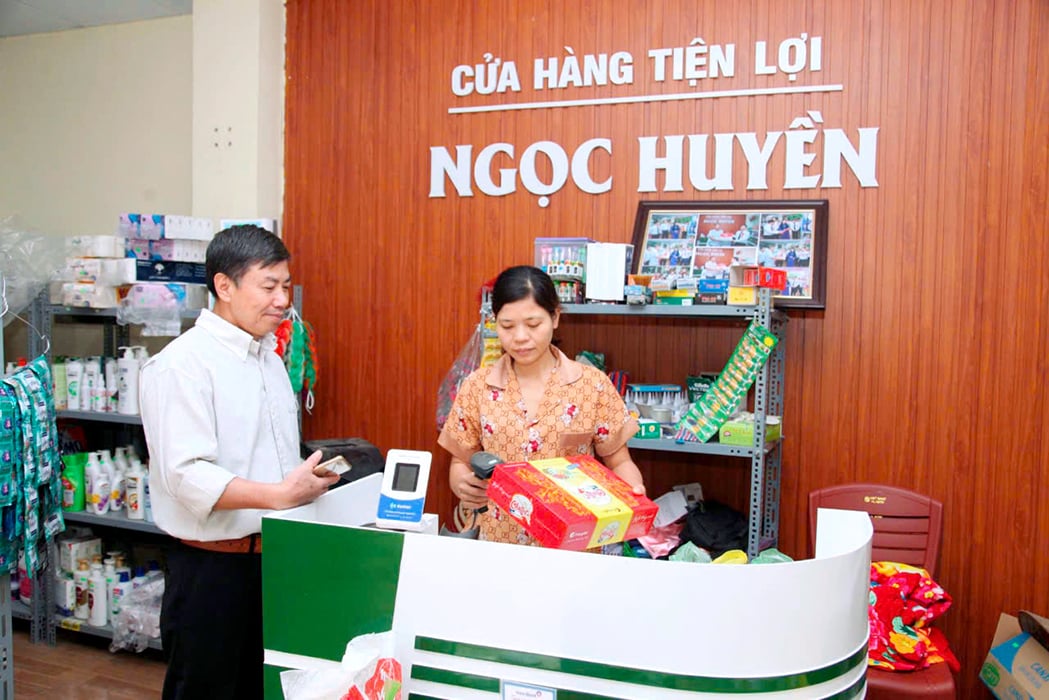
To date, 100% of communes have been recognized as meeting the standards for New Rural Development. The entire province has 231 villages recognized as model New Rural Development villages; 37 villages recognized as smart villages; 38 communes meeting the standards for advanced New Rural Development; 8 communes meeting the standards for model New Rural Development; and Yen Lac district has been recognized by the Prime Minister as a district meeting the standards for advanced New Rural Development.
The achievements of the advanced and model new rural development programs in the province over the past period will create momentum and a foundation for the advanced and model new rural development programs for the 2026-2030 period to continue to be inherited and effectively implemented when Phu Tho province comes into operation.
Accordingly, it is necessary to continue building civilized and modern rural areas, linked with agricultural industrialization and rural urbanization; developing a strong agricultural and rural economy with advanced production levels, focusing on developing clean agriculture and high-tech agriculture linked with small and medium-scale agricultural processing, chain linkages, and a circular agricultural economy; and creating a bright, green, clean, and beautiful rural environment, landscape, and space... Through this, we can practically contribute to the effective restructuring of the agricultural sector, allowing people to enjoy the fruits of their labor, improving their lives, and making each rural area a truly livable place.
Liu Nhung
Source: http://baovinhphuc.com.vn/Multimedia/Images/Id/130077/Nang-cao-doi-song-cho-nguoi-dan


![[Photo] “Red Journey” 2026: Vietnamese Youth Continue Building the Bridge of Friendship Between Vietnam and China](https://vphoto.vietnam.vn/thumb/1200x675/vietnam/resource/IMAGE/2026/04/20/1776629730866_4055880775670638308-9618-4200-jpg.webp)


























































Comment (0)