

Staying close to needs
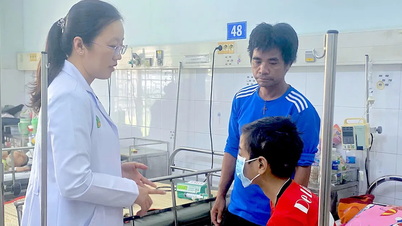
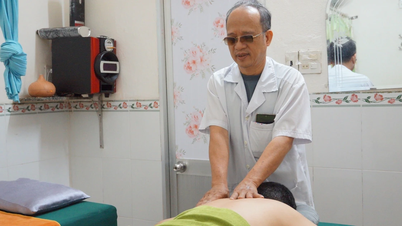
On the morning of January 6th, Ms. Lam Ngoc Phuong (from Phu Loi 5 neighborhood) visited the Phu Loi Ward Health Station to inquire about treatment for her 83-year-old mother's kidney disease. After receiving thorough consultation from the doctor, Ms. Phuong expressed satisfaction and said she would soon bring her mother to the station for examination. On the same day, Mr. Nguyen Phuoc Vinh (from Tay Nam ward) visited the Phu Loi Ward Health Station to have his leg, neck, shoulder, and back pain examined. He was prescribed an ultrasound and medication. "The health station is spacious and clean, and the medical staff are enthusiastic, so I am very satisfied," Mr. Vinh said.
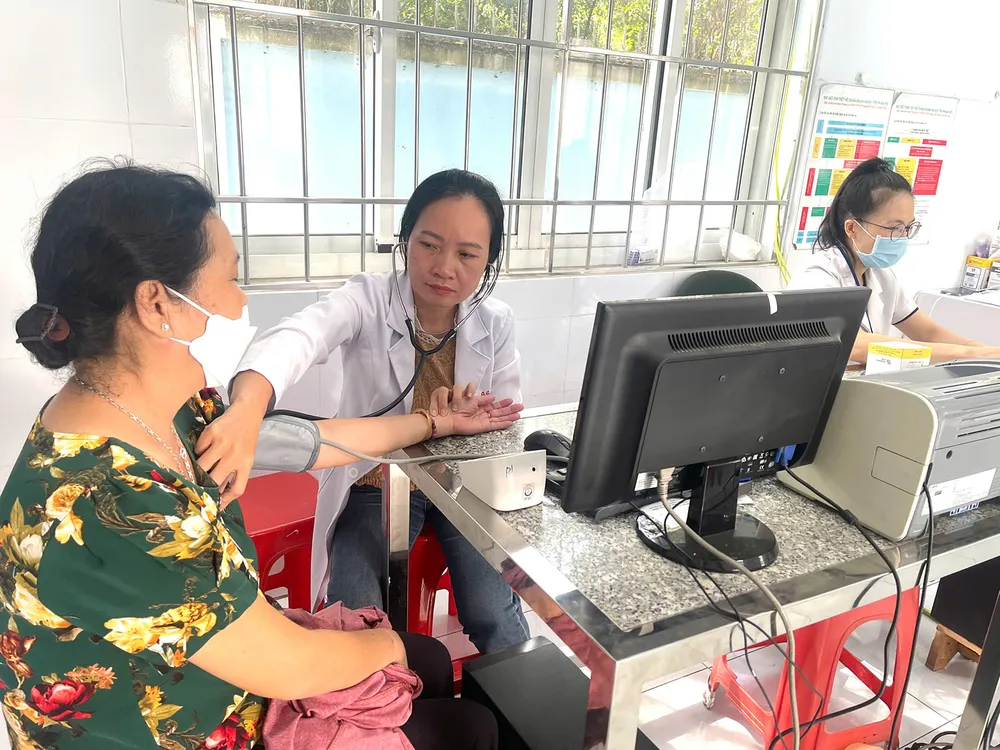
These commune/ward/special zone health stations will operate under a new model, based on the reorganization of 38 regional health centers and 168 health stations under the Department of Health into 168 commune/ward/special zone health stations under the People's Committees at the commune level from the beginning of 2026. This will bring healthcare services closer to the people and improve the quality of primary healthcare for residents in Ho Chi Minh City.
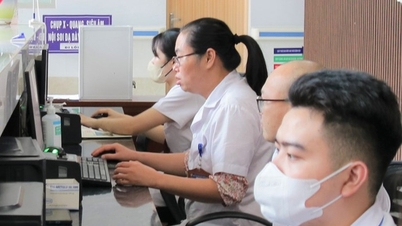
In the early days of operation, the commune health stations provided medical examinations and treatment to the people smoothly. According to Dr. Vo Hong Tham, Deputy Director of the Phu Loi Ward Commune Health Station, the station has been operating under the new model since January 5th. In the first two days of operation, the number of people coming for examinations, treatment, and referral procedures increased significantly, averaging about 40-50 visits per day.
Ho Chi Minh City is reorganizing 38 regional health centers and 168 commune health stations under the Department of Health to be under the direct management of the People's Committees of communes, wards, and special zones. This aims to ensure that commune health stations are more closely aligned with the primary healthcare needs of the people, becoming the "first point of contact for healthcare" and the foundation of the city's healthcare system.
During the transition period, commune-level health stations (TYT) continue to refine the necessary measures to protect the rights of health insurance participants, ensuring the smooth operation of health insurance-covered medical examinations and treatments. Furthermore, the Ho Chi Minh City People's Committee has instructed the Ho Chi Minh City Social Insurance agency to create conditions for people with health insurance cards to receive their full benefits when seeking medical treatment at commune-level health stations.
Currently, the station has 25 specialized departments. Although there were many difficulties in the initial stage, the staff and doctors still strived to complete their tasks well, aiming to improve the quality of healthcare and the satisfaction of the people.
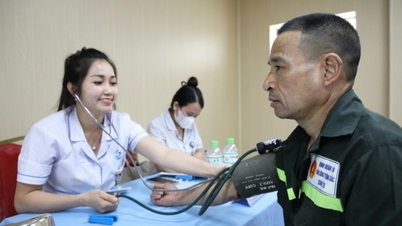
In Binh Chau and Long Hai communes, the Con Dao special zone, and many other communes and wards in Ho Chi Minh City, the demand for regular health check-ups is very high. Many people want these check-ups to be conducted locally, while still ensuring adequate professional standards. Therefore, the arrangement of commune health stations as described above has been well-received and supported by the people. "If we could get free annual health check-ups right in our locality, the fishermen would be very happy. If we have an illness, we can get treatment early, and if we're healthy, we can go to sea to work with peace of mind," shared Mr. Nguyen Van Thoai (52 years old, Binh Chau commune).
Upgrade resources
The reorganization of commune-level health stations under the People's Committee is a concrete step in implementing the targets of the Resolution of the 1st Congress of the Ho Chi Minh City Party Committee, term 2025-2030. According to Nguyen Tan Ban, Secretary of the Phuoc Thang Ward Party Committee, the ward's Party Committee has identified the key task as implementing a free annual health check-up program for residents.
However, the major challenge currently is the limited infrastructure and human resources of the ward's health station. The facilities are cramped, and the number of doctors is insufficient to meet the demand, while the healthcare needs of the people are increasing. Therefore, in the short term, the ward will coordinate with Vung Tau General Hospital to organize periodic health check-ups according to the established hierarchy. The ward will also strengthen its organization, supplement its workforce, and gradually invest in the health station's infrastructure to ensure that periodic health check-ups for the people are carried out effectively and sustainably, providing comprehensive healthcare for the people.
According to Mr. Doan Dinh Huu, Vice Chairman of the Phu Loi Ward People's Committee, the biggest difficulty in providing healthcare to the people is the limited resources of grassroots healthcare facilities. Therefore, the ward requests that the city continue to invest more heavily in grassroots healthcare to ensure conditions for universal health check-ups.
Associate Professor, Doctor Tang Chi Thuong, Director of the Ho Chi Minh City Department of Health:
Providing comprehensive and sustainable healthcare for the people.
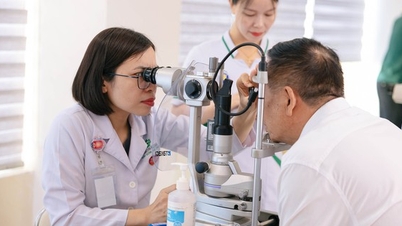
For a megacity with nearly 14 million inhabitants, organizing free health checkups for the entire population at least once a year is a huge challenge. Therefore, the Ho Chi Minh City health sector is proactively developing a suitable implementation strategy, investing in upgrading the network of commune, ward, and special-zone health stations according to the principles of family medicine; gradually improving facilities and supplementing essential equipment to serve screening and initial health management.
Simultaneously, the health sector is coordinating with localities and the Digital Transformation Center to collect data and digitize individual health records through the Ho Chi Minh City Digital Citizen application. The development of a "digital map" of public health aims to ensure that all health examination data is updated into electronic records, forming a unified health management system for the entire city.
The Department of Health has also developed a phased implementation roadmap, prioritizing groups such as the elderly, students, workers, pregnant women, and high-risk groups. From there, the scope will be gradually expanded, ensuring feasibility and effectiveness, aiming not only to treat diseases but also to comprehensively and sustainably manage and care for the health of the population.
Source: https://www.sggp.org.vn/nang-chat-diem-cham-y-te-dau-tien-post832295.html



![[Photo] General Secretary and President To Lam presides over a meeting on preparations for the review of one year of operation of the three-tiered government system.](https://vphoto.vietnam.vn/thumb/1200x675/vietnam/resource/IMAGE/2026/06/02/1780391821195_a1-bnd-4595-9717-jpg.webp)











































































Comment (0)