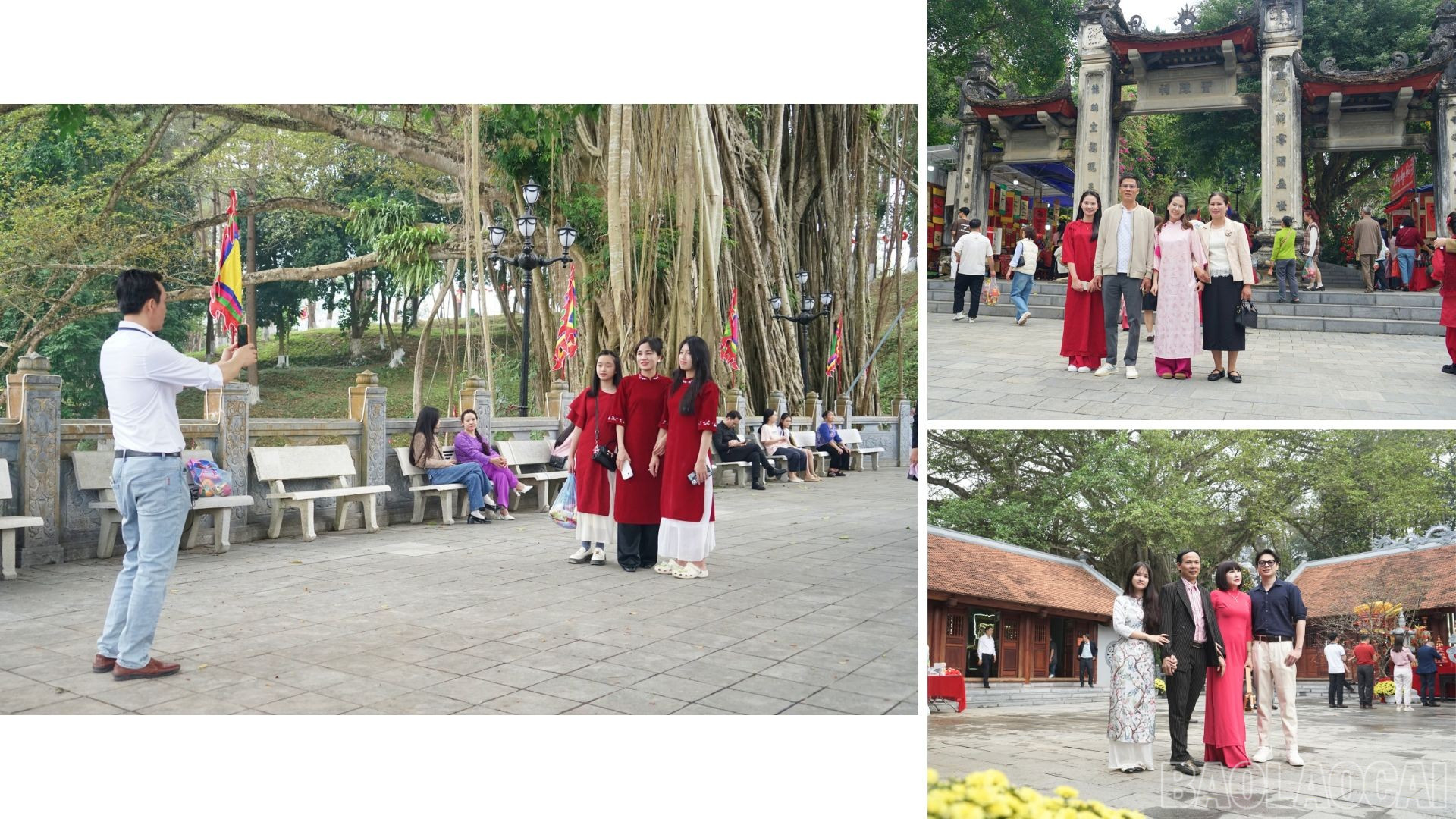
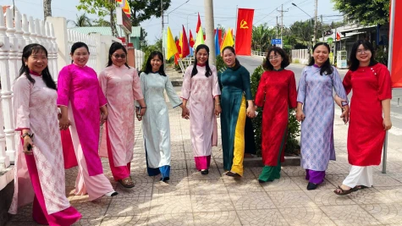
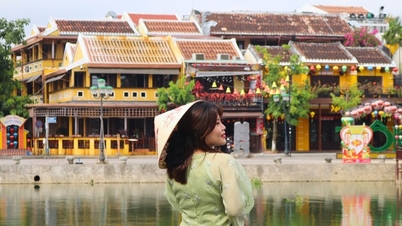
During the Lunar New Year celebrations, along the roadsides, in the sacred spaces of temples and pagodas, or amidst the bustling life of the city, we can easily spot the graceful and elegant traditional ao dai dress. Not only does it honor the beauty of Vietnamese women, but the ao dai also contributes to preserving cultural values and beautifying the spring season.
Báo Lào Cai•18/02/2026
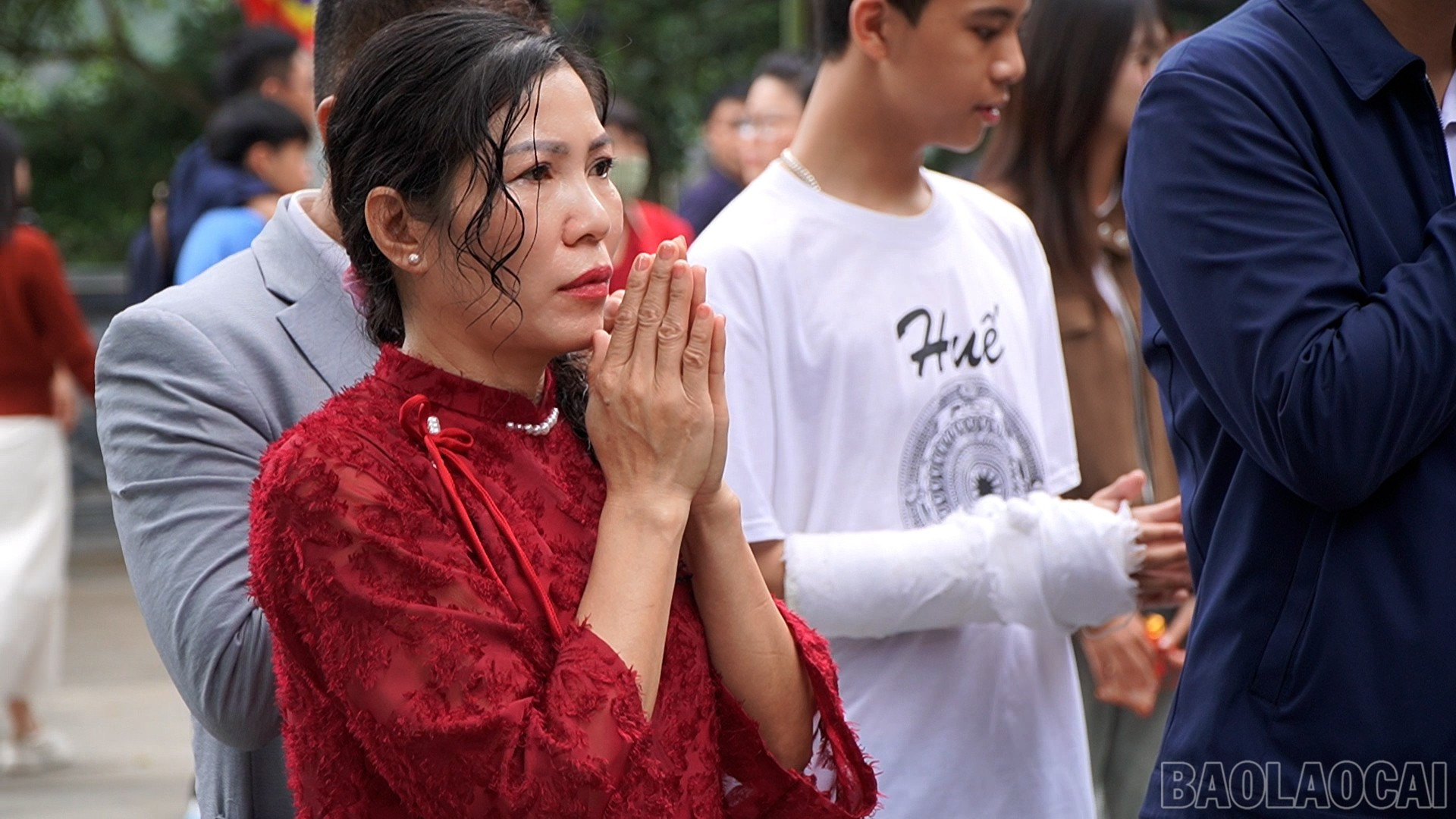
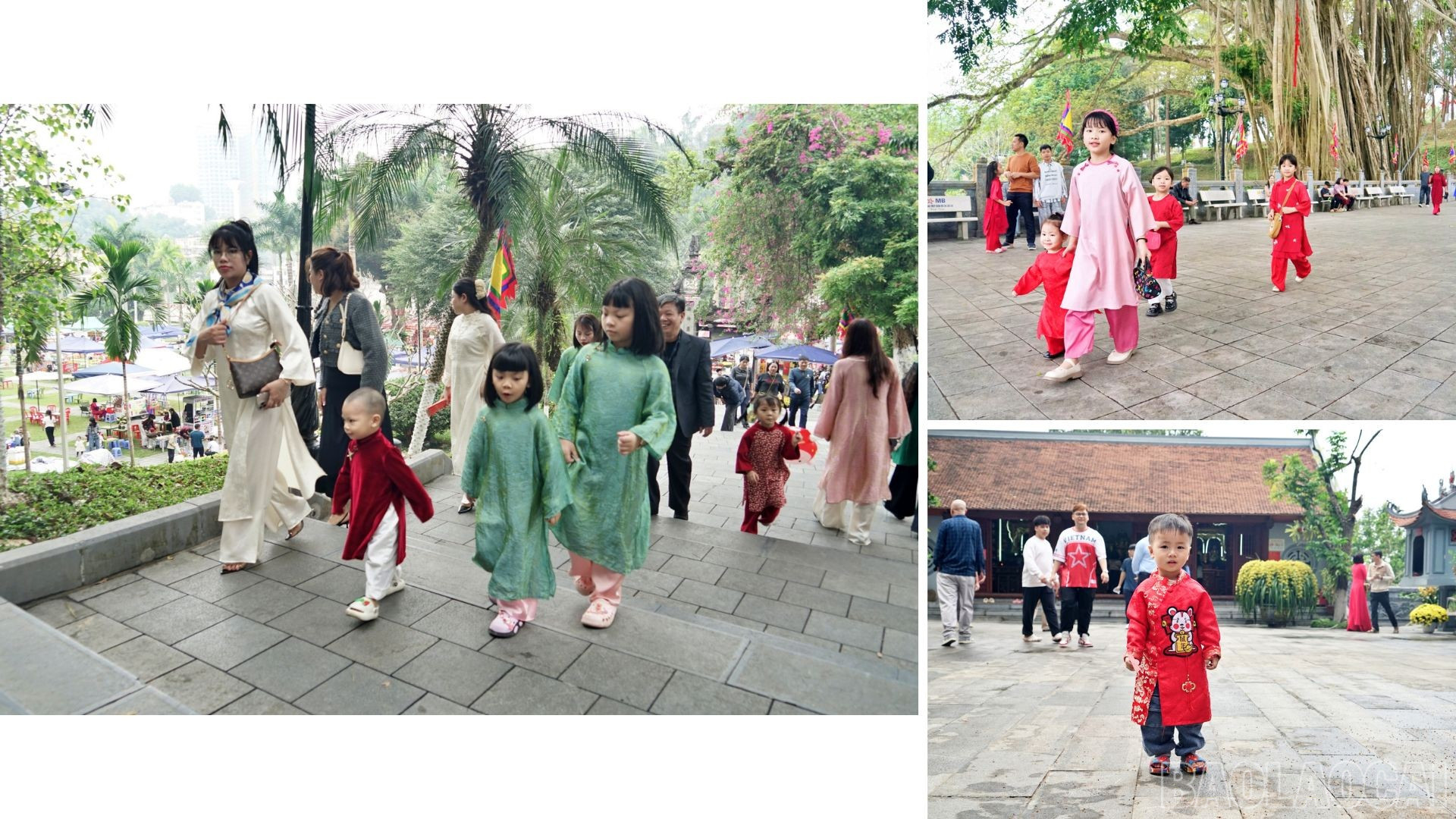
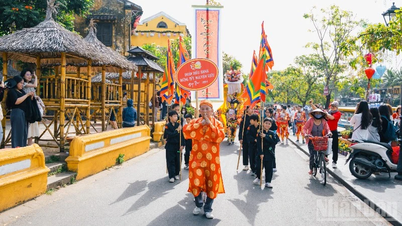
In the early days of the new year, the streets, especially at spiritual tourist destinations like temples and pagodas, are bustling with people enjoying the spring festivities, offering incense, and paying their respects. Amidst this flow, the graceful flowing ao dai dresses add to the radiant and joyful atmosphere of spring.
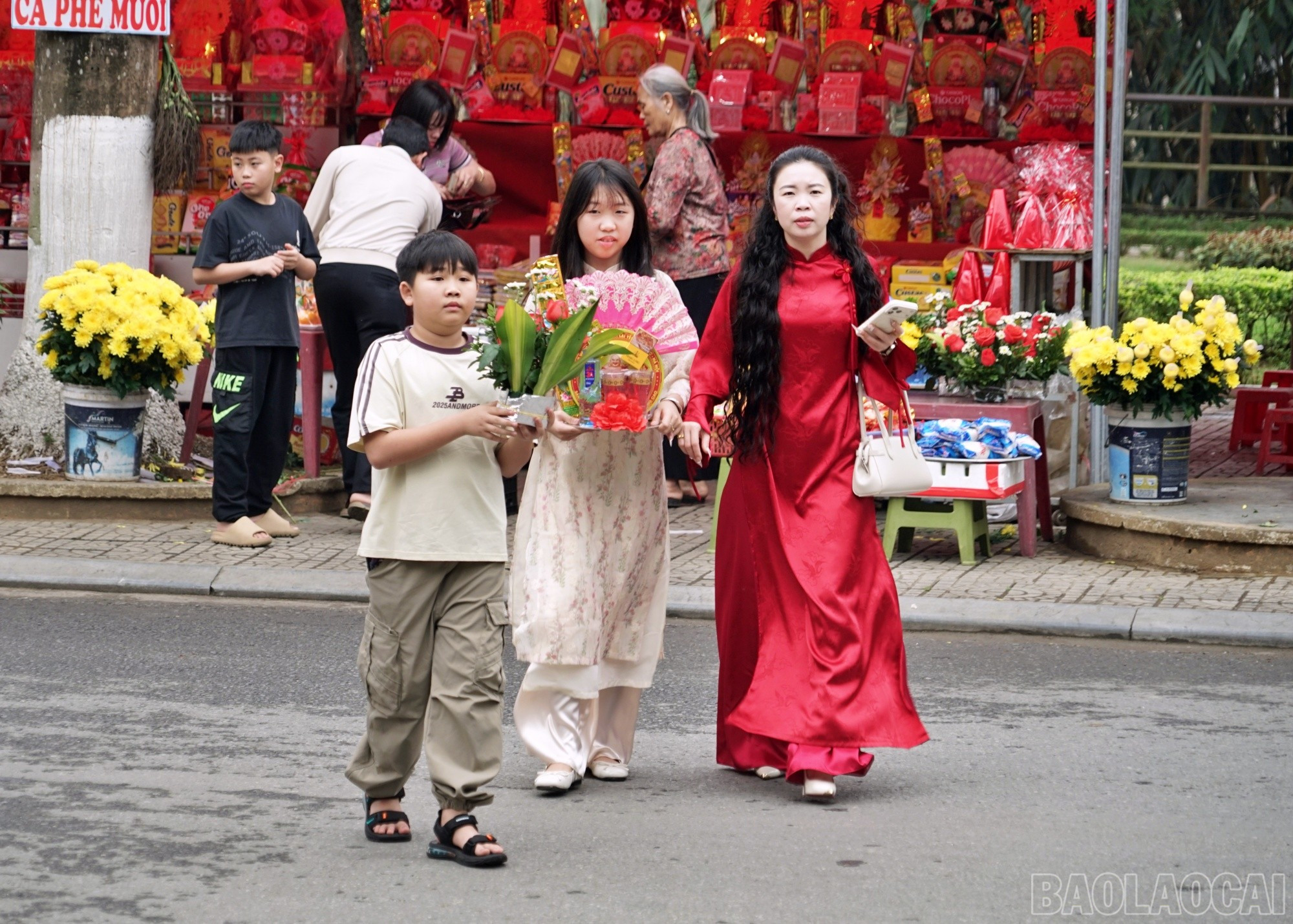
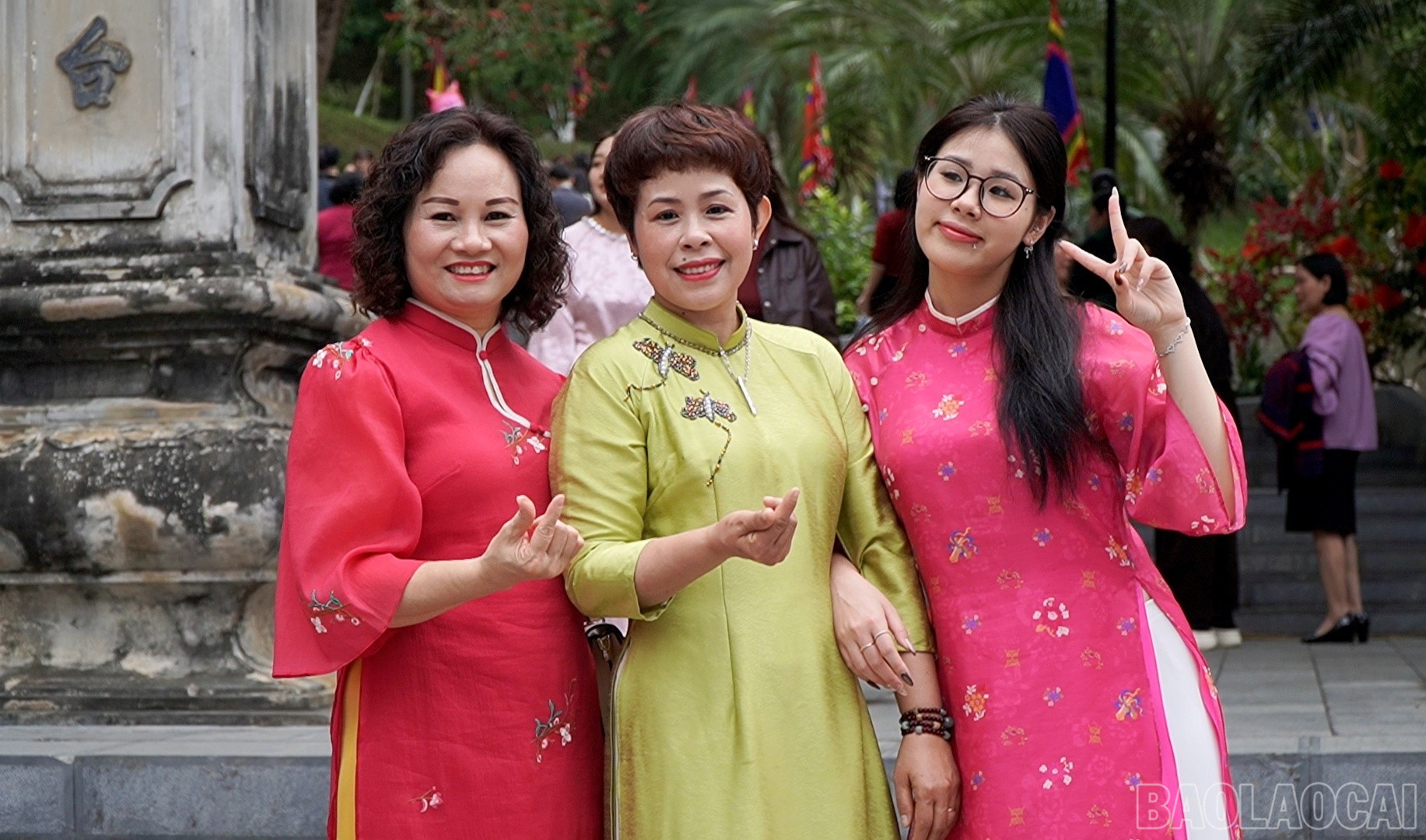
The women in the family choose to wear the traditional ao dai dress when going to temples or outings on the first day of the new year, expressing their wishes for peace and good fortune. Reverently attending the New Year's ceremony in traditional ao dai, exuding an air of solemnity and gentleness. Mother and daughter in traditional ao dai dresses attend a New Year's ceremony.
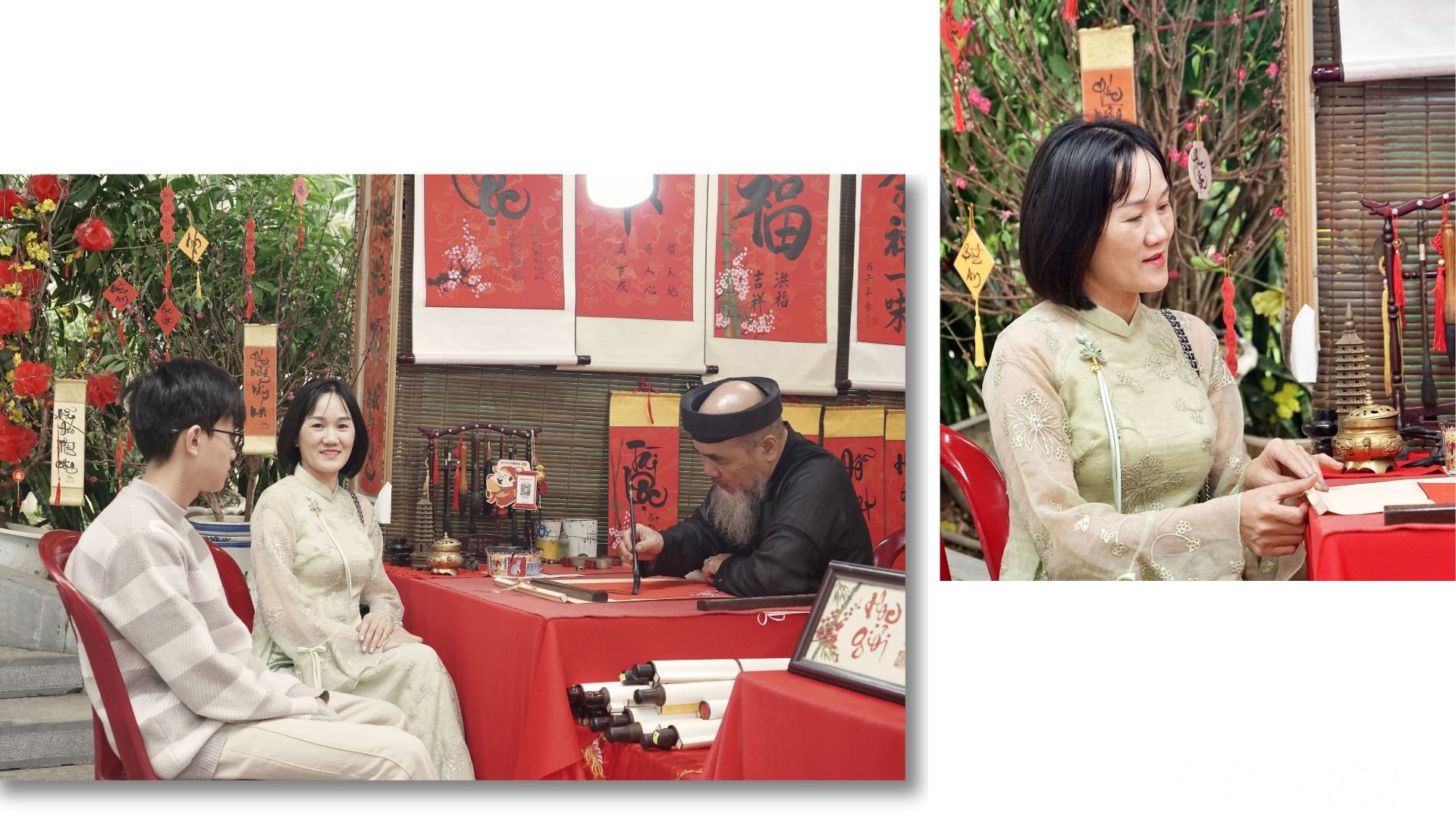
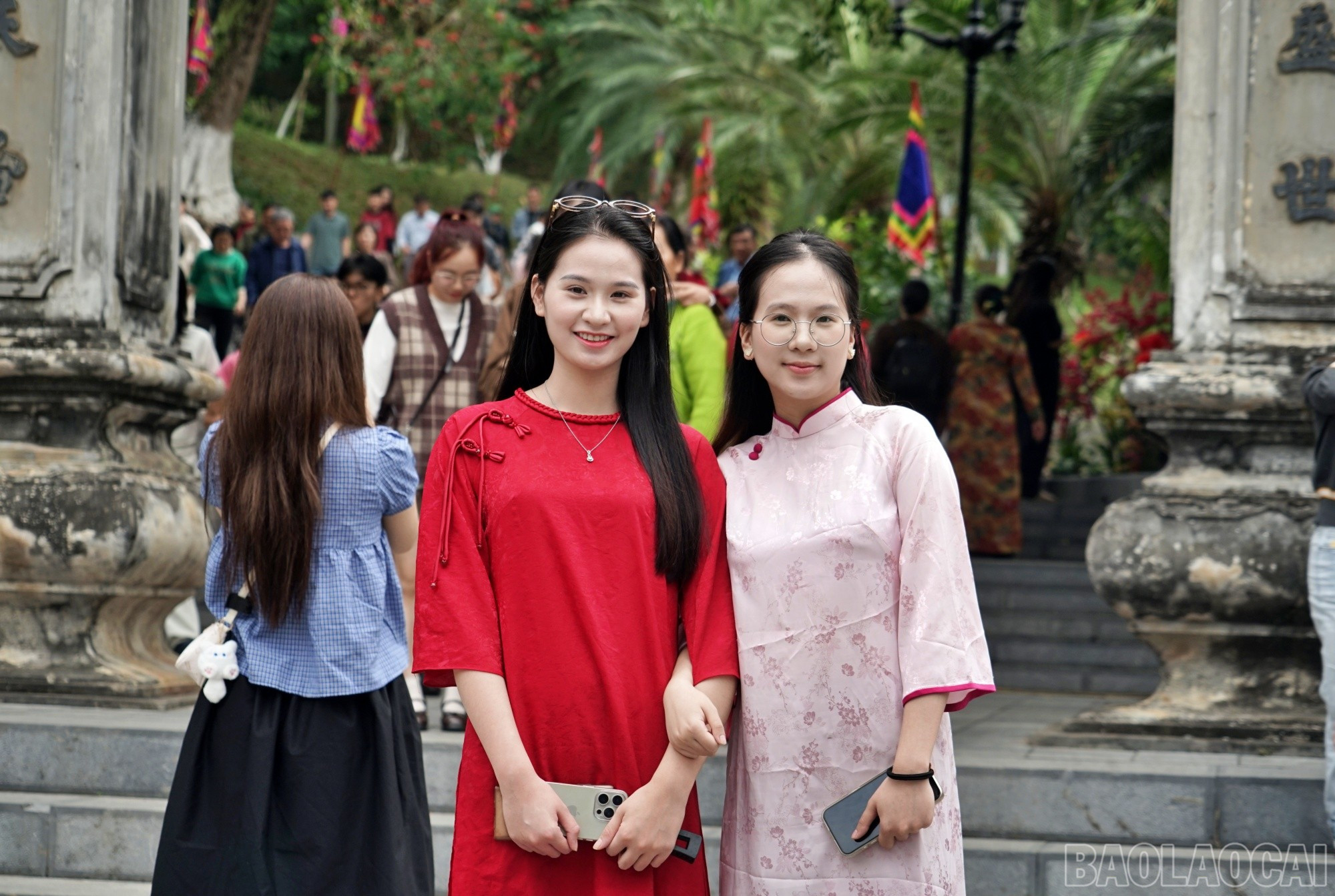
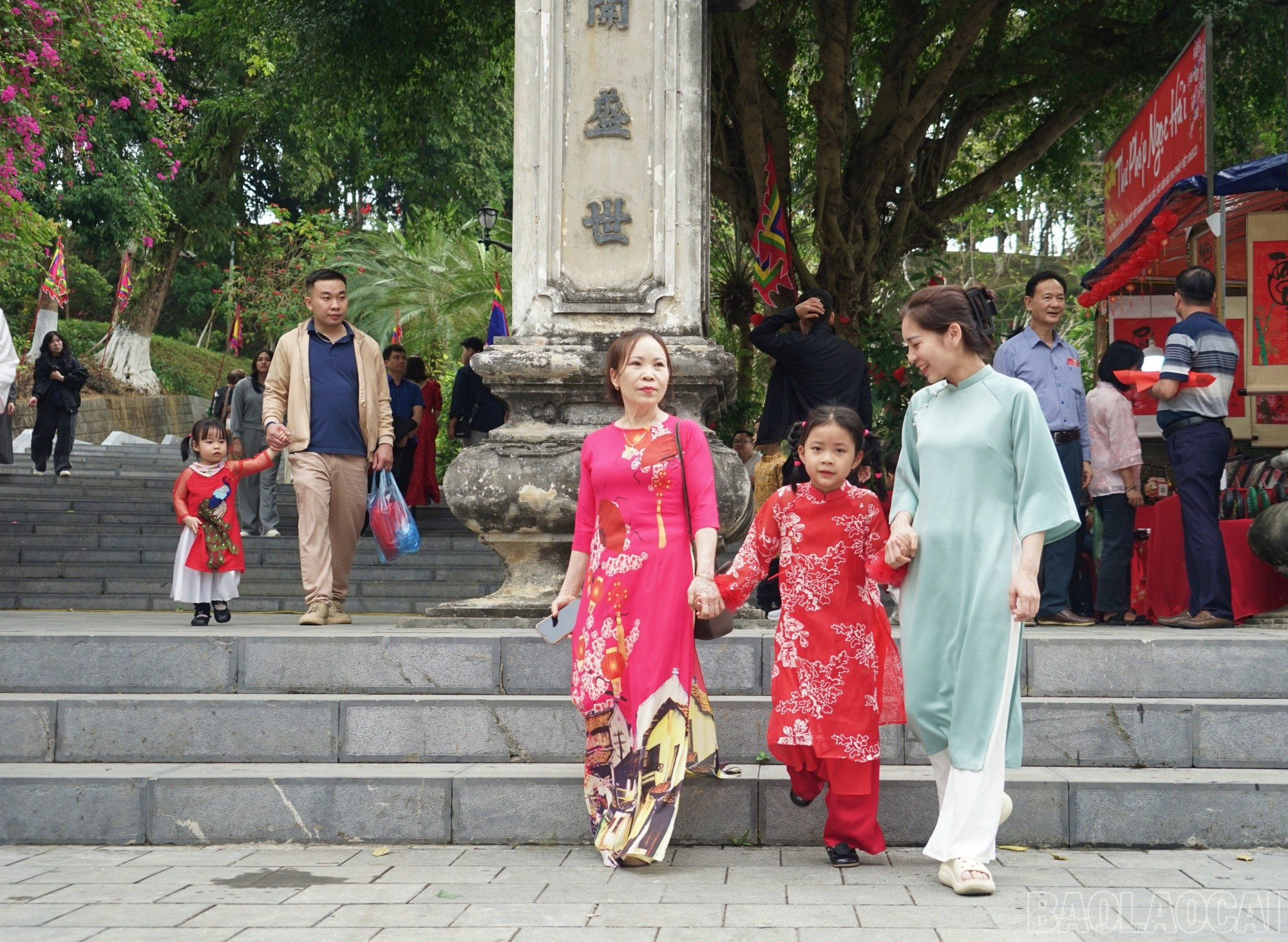
Little girls in beautiful traditional Vietnamese dresses happily skip along with their families during the spring outing. Ms. Nguyen Thu Huyen ( Lao Cai ward), dressed in a graceful ao dai, brought her son to ask for auspicious calligraphy at the beginning of the year. Young women in traditional ao dai dresses radiate joy as they enjoy the spring festivities at the beginning of the year. Each person chose a different color for their ao dai, creating a vibrant and cheerful spring scene.
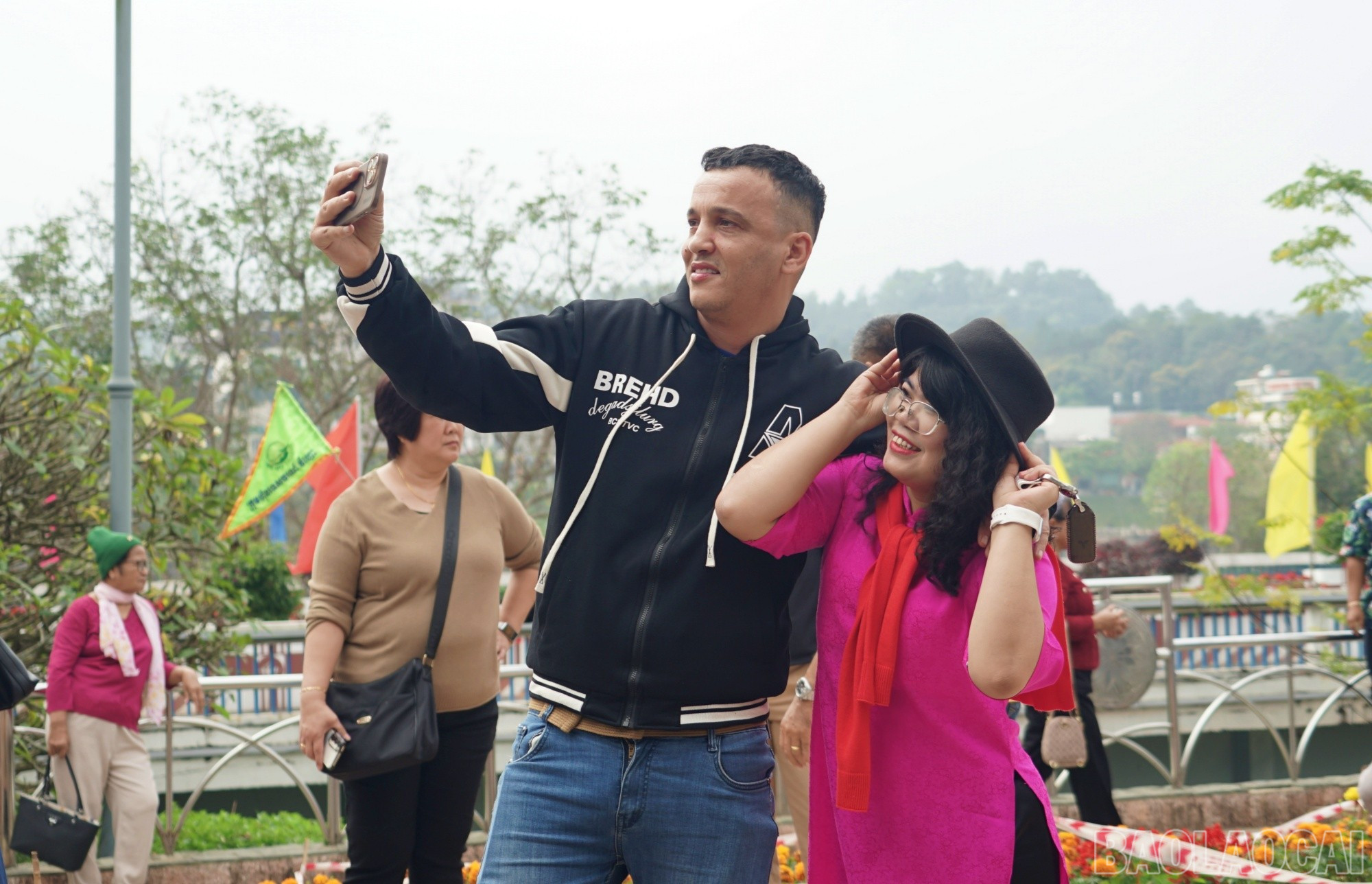
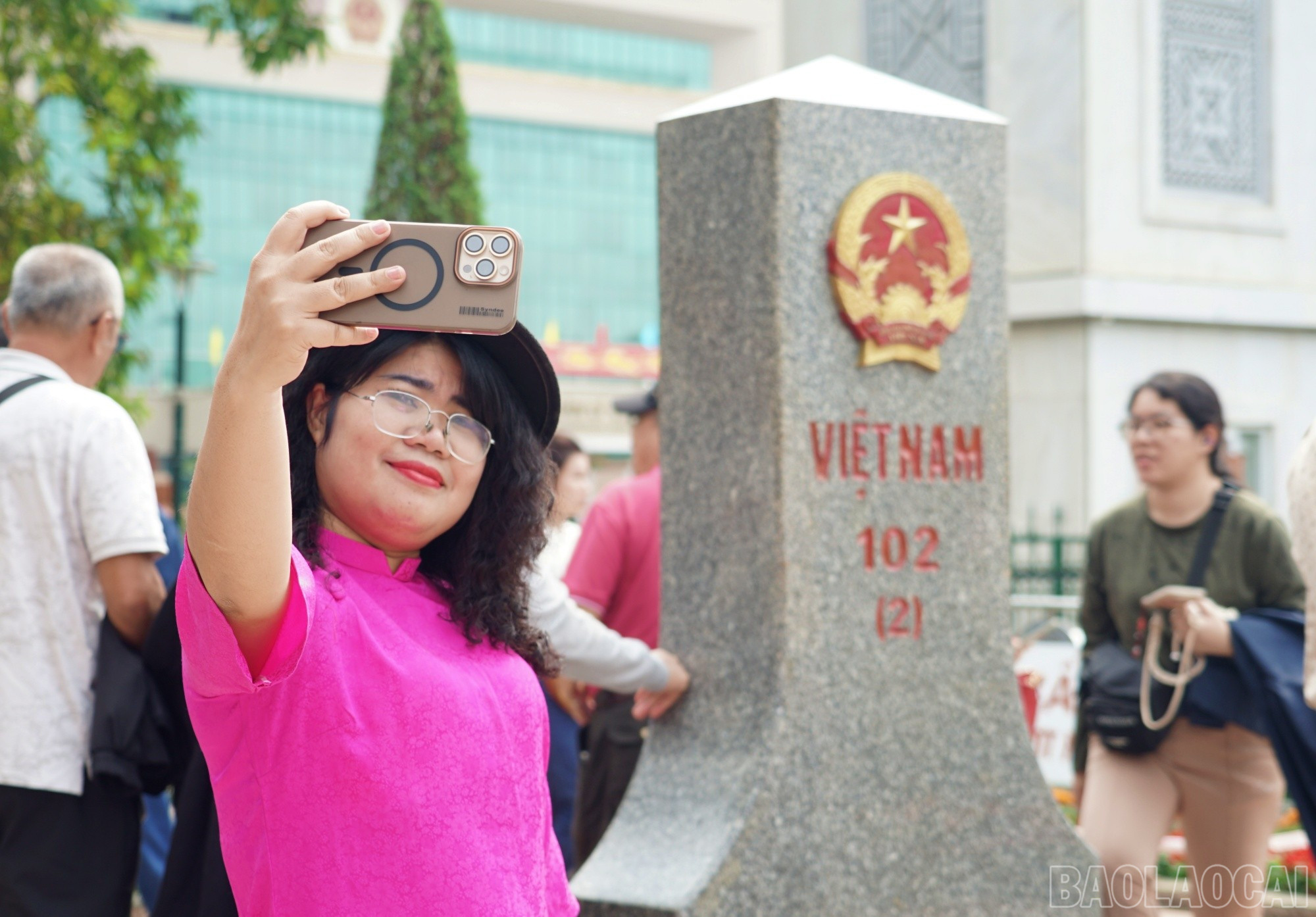
Ms. Nguyen Van (wearing a blue ao dai), from Hanoi, returned to her maternal hometown in Lao Cai for Tet (Lunar New Year), taking her mother and daughter to the temple for the New Year's ceremony. "I am very happy and joyful because after many years of being married and living far away, I can finally return to my hometown to reunite with my family. Wearing an ao dai to the temple and enjoying the spring festivities with loved ones during Tet brings a very special feeling," Ms. Van shared. Ms. Bich Mai, wearing a pink ao dai (traditional Vietnamese dress), led a group of foreign tourists on a spring outing at the Lao Cai International Border Gate, checking in at the Vietnam-China border marker, hoping to introduce the beauty of Vietnamese women and the traditional ao dai to international friends.
Amidst modern life, the ao dai (Vietnamese traditional dress) still holds a special place in the hearts of Vietnamese people – not only as traditional attire but also as a symbol of elegance, identity, and pride for Vietnamese women.




![[Image] Current situation of houses precariously balanced due to road leveling in Dong Nai.](https://vphoto.vietnam.vn/thumb/1200x675/vietnam/resource/IMAGE/2026/03/02/1772455749144_ndo_br_z7579763955585-6e80a60471e75768fa835d035eba45ea-6979-jpg.webp)

























































Comment (0)