 |
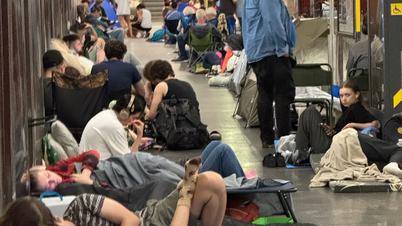
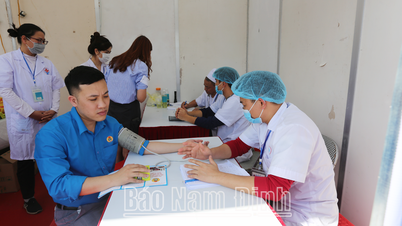
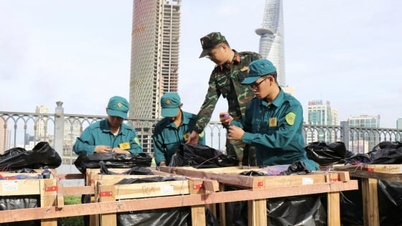
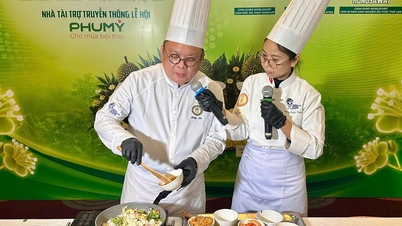
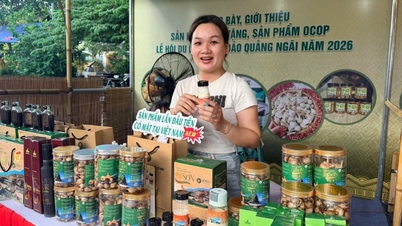
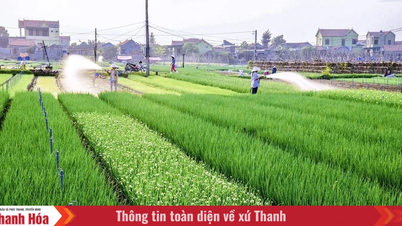
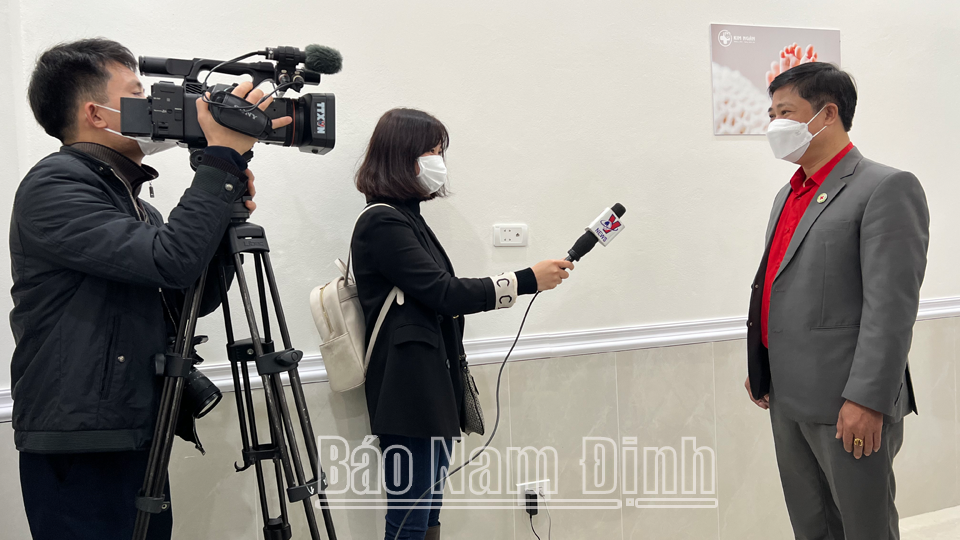
| Reporters working during the COVID-19 pandemic. |
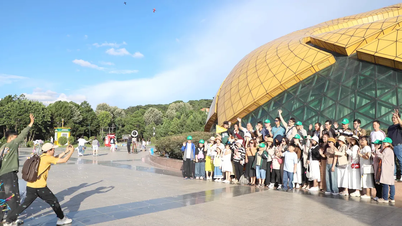
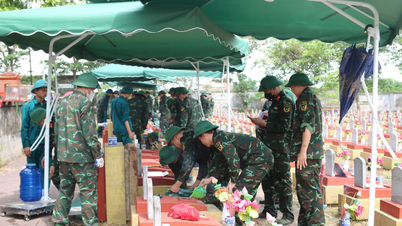
If someone were to ask me what I enjoy most about my profession, I would undoubtedly think of travel. "Travel" was my first thought when I chose journalism. Whether it's a day trip or a long, extended assignment, it brings us journalists exciting experiences. I remember week-long trips to remote areas in the Northwest during my early days. I remember enduring hardships, climbing mountains and crossing streams with border guards to reach remote villages when I was a student intern at a newspaper office in Hanoi . When I returned to Nam Dinh Newspaper, I had the opportunity to join a delegation from the Provincial Youth Union to visit villages high up in the mountains of Dien Bien, Lai Chau, and Son La provinces. Even with my knees still trembling from hours of hiking and my eyes still misty, I was overwhelmed with happiness when small, cold hands grasped mine. Then I silently gazed at the flushed, cracked cheeks and muddy, bare feet of some child in the middle of winter. I also remembered the bone-chilling cold days leading up to Tet when I patrolled along a long stretch of dike with border guards in the coastal areas of Hai Hau and Nghia Hung… These trips broadened my mind and opened my soul. And after each trip, I felt myself becoming more mature and resilient in my profession.
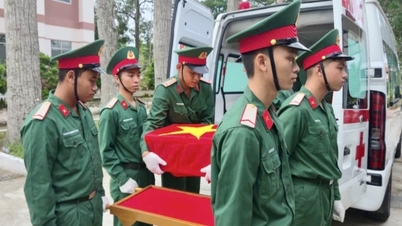
Through my travels, I also met interesting and new people. They told me about their work, their plans, their joys and sorrows, their successes and failures. From that, I gained more "real-life" material for my articles. In my relatively short time as a journalist, I have traveled, met, and interviewed hundreds of people with countless stories like that. Among them, I still vividly remember my meeting with Mrs. Tran Thi Thin, the wife of martyr Pham Phi Phung, in Vi Xuyen ward (Nam Dinh city). In her small, quiet house, shaded by lush greenery, the woman, over 80 years old, a Party member for 65 years, and a widow for 56, told me about how she and her husband met and fell in love. Throughout their 14 years of marriage, until the day Mr. Phung died, the number of days Mrs. Thin and her husband spent together could be counted on less than one hand. The longest his visits lasted about three days, and sometimes he only managed to stop by home for a few hours. Due to wartime conditions, during their 14 years of marriage, Mrs. Thin said, "I only received letters a few times." Therefore, each time she received a letter from him, she read it very quickly and remembered everything her husband wrote. Separated for so long, Mrs. Thin's greatest fear came true: on May 7, 1969, in a fierce battle, Mr. Phung was killed. However, it wasn't until 1976 that Mrs. Thin received the official death notice.
Having lost her husband at a young age, and being a capable and resourceful woman, Mrs. Thin had many suitors. She skillfully refused everyone who approached her, determined to remain a widow and honor her deceased husband. What she regretted and regretted most was that they had no children… Mrs. Thin's story of honoring her husband filled me with both sorrow and admiration. Admiration for people with noble revolutionary ideals, who dared to sacrifice their personal happiness when the country needed them, led me to write the article "The Red Farewell," which has been widely shared and received much attention from readers.
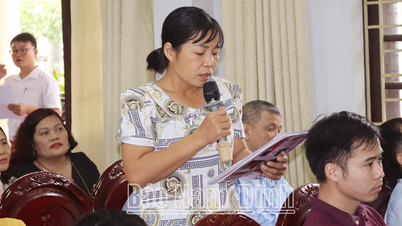
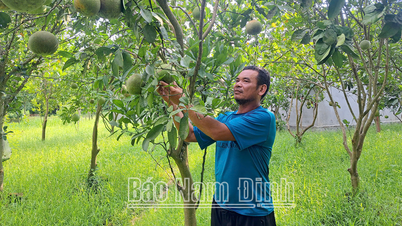
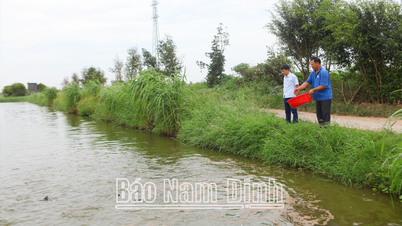
Journalism always demands "going," "listening," and "thinking." In my profession, I always remind myself not to be afraid to travel. The more I go to places with problems, remote areas, and difficulties, the more I can create objective articles that truthfully reflect events and people, and the more I can hone my willpower and journalistic skills. In 2021, when the COVID-19 pandemic was developing complicatedly, and the first cases were announced in the province, I registered to write an article about a veteran who grew ornamental kumquats, achieving high economic returns in Nam Phong commune (Nam Dinh city). To write the article, my colleague and I went to his house and garden to interview him. That night, I received a message from him informing me that his granddaughter had contracted COVID-19, and the whole family had to be quarantined, asking me to take care of my health… I quickly informed my colleague, sent messages, and occasionally called to inquire about the health of the interviewee's family. We also encouraged each other to maintain our spirits and ensure our own health and safety in order to complete the professional tasks assigned by the agency. In the following days, I had many trips with organizations such as the Women's Union, the Red Cross, and the Veterans' Association to the epicenters of the epidemic in the province to visit and give gifts to the functional forces on duty in epidemic prevention and control, as well as those infected with COVID-19. From these field trips, I was able to gather timely news and articles reflecting the developments in epidemic prevention and control in the province.
"Going, listening, and thinking" are the initial foundations and data that help reporters form articles. However, "going," "listening," and "thinking" don't always guarantee a successful article. There are articles, especially long-form series and entries for national journalism awards, that, despite spending many days on fieldwork and gathering ample material, I can't write immediately. This is partly because these are difficult series requiring careful reading and research of materials, as well as consultation with experts and relevant organizations. It's also partly because I'm still hesitant in developing my ideas and haven't fully understood all the intricacies of the issue I intend to write about. Therefore, for journalists, there are many instances where they spend a whole year gathering material or, even after writing and publishing, still aren't truly satisfied with their "intellectual offspring."
Journalism is a demanding, arduous, and even dangerous profession. Despite the hardships, our long-term commitment to it has brought us, the journalists, much joy, valuable life experiences, and a deeper understanding of society. Above all, we have witnessed positive changes resulting from our writings. While I know there will be challenges ahead in maintaining a pure heart, an honest mind, and a sharp pen on the path I've chosen, I am determined to nurture my passion and motivation for journalism. From there, I will keep the "fire" and love for the profession burning brightly.
Text and photos: Hoa Xuan



Source: https://baonamdinh.vn/xa-hoi/202506/nghe-baodi-nghe-nghi-viet-af211f1/