

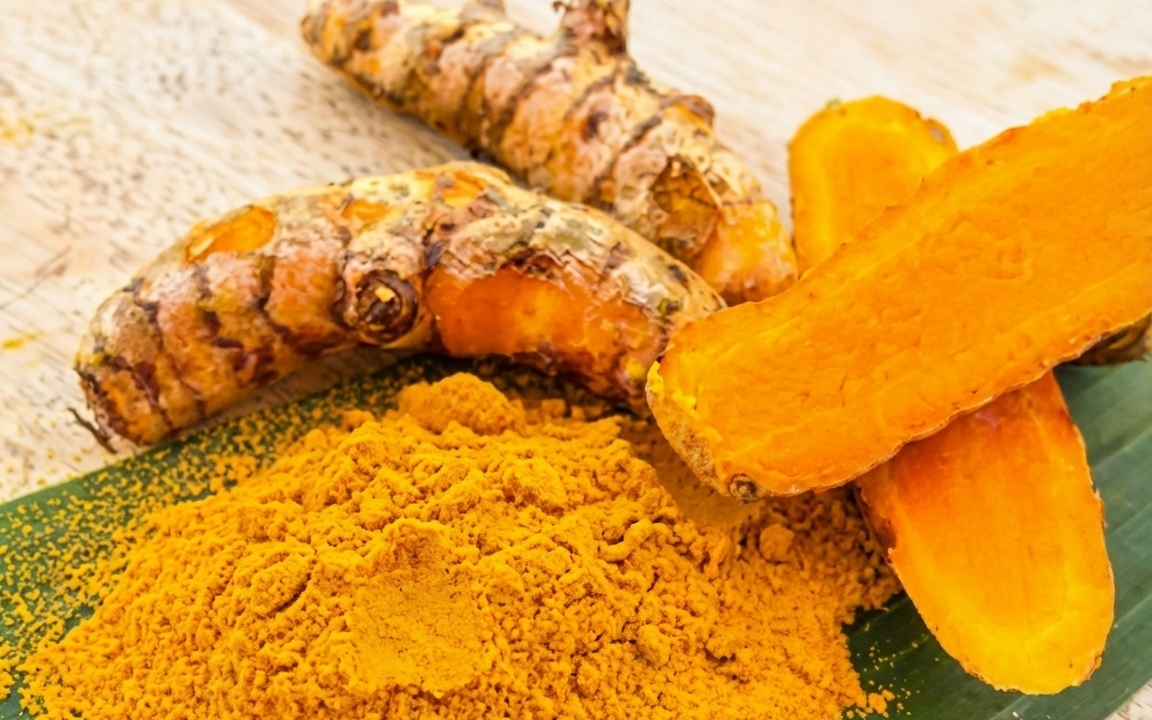
Turmeric is not only a familiar spice but also a powerful aid in weight loss. Its main active ingredient is curcumin – a polyphenol that gives it its characteristic yellow color and is responsible for most of its health benefits. Curcumin makes up only about 3% of the weight of turmeric, but it is the most studied component.
- 1. How does turmeric help with weight loss?
- 2. Ways to enhance the effects of turmeric
- 3. Who needs to be cautious when using turmeric?
Turmeric and curcumin have been extensively evaluated in numerous human clinical trials. A large meta-analysis published in 2023 showed that curcumin supplementation was associated with a significant reduction in body mass index (BMI), weight, and waist circumference. This effect was more pronounced in individuals with a high baseline BMI or metabolic disorders.
Previously, a 2019 systematic review focusing on patients with metabolic syndrome also noted that curcumin helps reduce weight and waist circumference. On average, participants taking curcumin lost about 1.8 kg more than the placebo group. While this reduction isn't huge, it's significant when combined with a healthy diet and lifestyle.

Using turmeric can support weight loss through several different mechanisms.
1. How does turmeric help with weight loss?
Turmeric doesn't directly "burn fat" as many people believe. Instead, the active compounds in turmeric, especially curcumin, act on underlying mechanisms that often hinder weight loss, including low-grade chronic inflammation and insulin resistance. Specifically, curcumin helps improve the following factors:
Turmeric helps reduce inflammation in fatty tissue.
Obesity is often described as a mild form of chronic inflammation. Fat cells (adipose tissue) secrete inflammatory markers that can slow down the body's metabolism. Curcumin has been shown to inhibit these specific inflammatory markers, helping to "calm" the inflammation that contributes to weight gain.
Balancing metabolic hormones
Curcumin may also help regulate hormones that control appetite and how the body stores fat. Curcumin supplementation may reduce leptin levels (the "hunger" hormone often imbalanced in obese individuals), and increase adiponectin levels, a hormone that helps the body burn fat and use glucose more efficiently.
Improve insulin sensitivity.
When the body responds better to insulin, it reduces the likelihood of storing excess blood sugar as fat. Studies show that curcumin can improve insulin sensitivity, making it easier for cells to use energy instead of storing it around the abdominal area. This is why the most significant weight loss results are often seen in people with type 2 diabetes or prediabetes.
2. Ways to enhance the effects of turmeric
Turmeric can be used in dishes such as roasted vegetables, salads, soups, stews, or turmeric milk... However, the body absorbs turmeric very poorly, so to enhance its effects on the body, it should be combined with:
Black pepper (piperine): Black pepper contains a compound called piperine. Science has shown that using just a small amount of piperine along with curcumin can increase its absorption by up to 2000%.
Healthy fats: Curcumin is fat-soluble, meaning it dissolves in oil but not in water. Therefore, consuming turmeric with a meal containing healthy fats such as olive oil, avocado, or nuts helps the digestive system transport curcumin into the bloodstream.
3. Who needs to be cautious when using turmeric?
- Turmeric can act as a mild blood thinner, so those taking anticoagulants (such as warfarin) or about to undergo surgery should consult a healthcare professional.
- People with a history of gallstones should also be cautious, as turmeric can stimulate gallbladder contractions.
- In addition, turmeric has a high oxalate content, which may increase the risk of kidney stones in people who are prone to the condition.
If you experience symptoms such as yellowing of the eyes (jaundice) or dark urine when using turmeric supplements, or mild digestive disorders like nausea, abdominal pain, or diarrhea, you should stop immediately and consult a doctor.
Source: https://suckhoedoisong.vn/nghe-co-tac-dung-giam-can-khong-169251231152410101.htm








































































































Comment (0)