

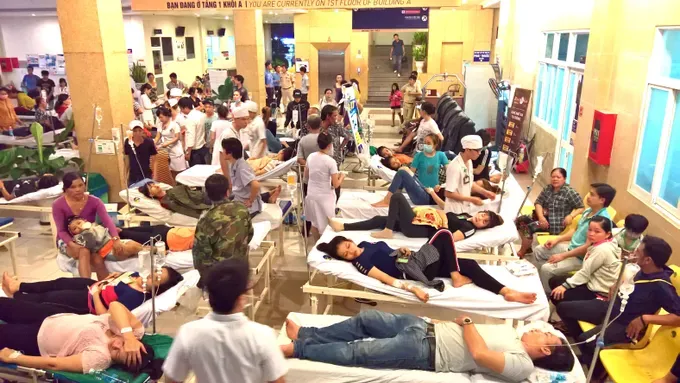
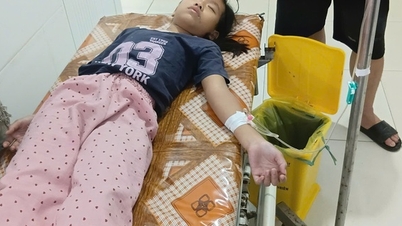
In a short period of time, Ho Chi Minh City, Lam Dong, Quang Ngai, and other areas have recorded numerous food poisoning incidents, resulting in dozens, even hundreds, of people being hospitalized. Most recently, a suspected food poisoning incident involving bread at a business in Phu My ward (Ho Chi Minh City) resulted in over 60 people requiring medical treatment. Prior to that, similar incidents in Lam Dong and Quang Ngai also caused over 100 people to be hospitalized.
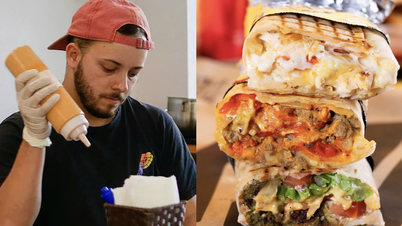
A worrying commonality is that many food poisoning incidents are linked to processed foods, including bread – a popular, convenient food item consumed daily in large quantities. This reality reveals serious shortcomings in processing, preservation, and control of raw materials, as well as in state management of small-scale food production and business establishments.
Following each incident, authorities quickly launch investigations to determine the cause and address violations. However, these measures largely only address the consequences after the incident has occurred. The core issue is how to prevent food poisoning incidents from recurring at their root.
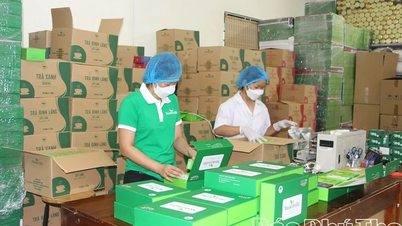
In reality, the lack of strict control over food safety procedures at small-scale establishments – from water sources, processing equipment, hygiene conditions to the skills and awareness of those directly involved in processing – is the main reason why food is contaminated and causes food poisoning.
The recurring food poisoning incidents are not solely the fault of businesses, but also reflect the ineffective management responsibilities of ministries, departments, and local authorities. Food safety management is currently a multi-sectoral task, requiring close coordination from raw material source control ( Ministry of Agriculture and Environment ), goods circulation ( Ministry of Industry and Trade) to food safety supervision (Ministry of Health). However, overlapping management and the lack of a comprehensive monitoring mechanism from "farm to table" have created many loopholes for violations. At the grassroots level, despite being close to the people and having a thorough understanding of local business activities, the capacity for inspection, supervision, and enforcement remains limited.
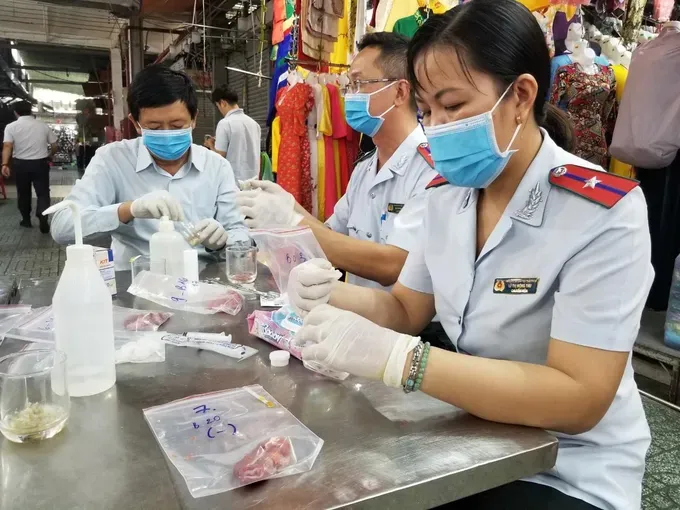
To sustainably protect public health, it is time for more systemic and decisive solutions. The focus of management must shift from post-inspection to pre-inspection, with targeted risk control, concentrating on high-risk food groups and establishments with a history of violations. Alongside this, there must be increased application of technology in food safety management, improved traceability, and greater transparency of information.
Simultaneously, localities need to plan and standardize areas for street food businesses; requiring establishments to commit to strictly complying with food safety and business environment standards. Communication and education on food safety knowledge for both producers and consumers also need to be strengthened to form safe consumption habits and social responsibility.
With the continued recurrence of mass food poisoning incidents, these are no longer isolated cases, but a clear warning sign of shortcomings in food safety management. This reality demands a frank assessment and more decisive and coordinated solutions to protect public health and restore public trust.
Source: https://www.sggp.org.vn/ngo-doc-thuc-pham-tap-the-cu-lap-di-lap-lai-post830136.html
![[Photo] National Assembly Chairman Tran Thanh Man successfully concludes his participation in IPU-152](https://vphoto.vietnam.vn/thumb/1200x675/vietnam/resource/IMAGE/2026/04/18/1776502638199_vna-potal-chu-tich-quoc-hoi-ket-thuc-tot-dep-chuong-trinh-tham-du-ipu-152-8709975-jpg.webp)





























































































Comment (0)