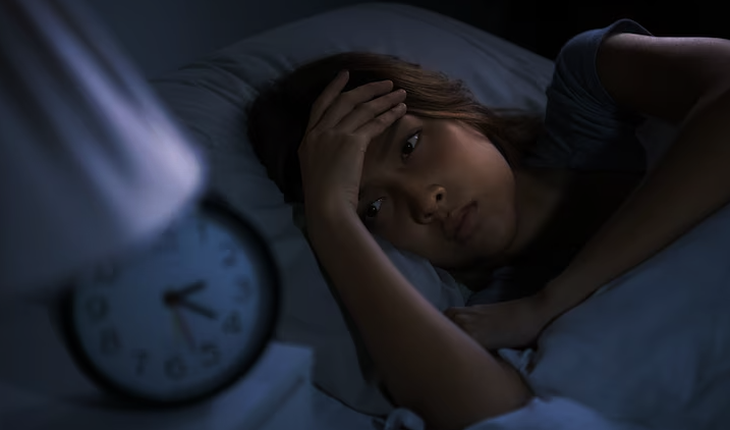
Poor sleep not only causes fatigue but also affects oral health - Photo: FREEPIK
Recent studies have shown a two-way link between sleep quality and oral health, particularly concerning gum disease, tooth wear, and teeth grinding during sleep.
Dentist Dan Littner, a specialist in endodontics and a lecturer at the Goldschleger School of Dentistry at Tel Aviv University, has compiled recent studies and stated that poor or disrupted sleep can increase systemic inflammation, weaken the immune system, and alter saliva composition—factors that affect the gums.
Several studies have noted that people who don't sleep well have a higher rate of periodontal disease, even after accounting for factors such as age, smoking, and oral hygiene habits.


Conversely, chronic gum disease and other ongoing oral health problems can cause pain, sensitivity, and discomfort, which can disrupt sleep.
Specifically, teeth grinding during sleep is classified as a sleep-related disorder that can cause enamel erosion, jaw muscle and joint pain, headaches, and in severe cases, tooth fractures or damage to dental prostheses. This condition is often associated with stress and anxiety and may be accompanied by other sleep disorders such as sleep apnea.
Doctors believe that poor sleep quality can worsen inflammation in the oral cavity, and conversely, oral diseases affect sleep, creating a vicious cycle. Therefore, accurate diagnosis and treatment of oral diseases can significantly improve both oral health and sleep quality.
The above conclusions are largely based on research and observation to find correlations, rather than definitively establishing a cause-and-effect relationship. Therefore, further long-term follow-up studies are needed to clearly determine the main direction of impact.
In practice, experts recommend that adults get a regular 7-8 hours of sleep each night; brush their teeth daily, use dental floss and mouthwash; have dental checkups every 6 months; use a mouthguard if they grind their teeth; and consult a specialist if they suspect tooth wear or temporomandibular joint disorders.



However, it should also be noted that self-care measures cannot replace medical examinations and consultations.
Source: https://tuoitre.vn/ngu-khong-ngon-rang-cung-keu-cuu-20251231093250446.htm