

A short 20-30 minute nap can improve mood, enhance cognitive abilities, and leave you feeling more alert in the afternoon.
Many people skip lunchtime naps to have more time to work. However, according to scientists , napping is a way to combat sleep deprivation in some people and offers significant benefits for the brain.
Larger brain volume
A 2023 study by the University of the Republic (Uruguay), University College London (UK), and Harvard Medical School (USA), involving approximately 39,000 people with an average age of 57, showed that those who regularly nap are associated with a larger overall brain volume. Their brains also appear 2.6-6.5 years younger than those who do not regularly nap.
According to the study's authors, our brains naturally shrink as we age, but this process occurs more rapidly in people with neurodegenerative diseases and cognitive decline.
Improve performance
Taking a nap can improve learning ability and work performance. Many studies show that short naps during the day enhance the function of the hippocampus, a crucial area for memory formation and information retention.
Napping also allows brain regions to recover, which can prevent instability in its network.

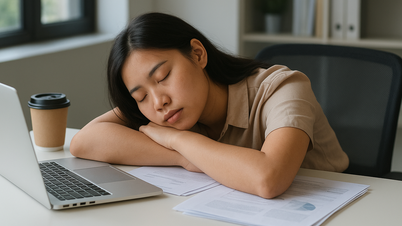
A short nap in the afternoon can help you feel more alert and remember things better. (Image: Freepik)
Good for people who lack sleep.
Adults need about 8 hours of sleep per night, but many surveys show that most of us sleep less than that. For those who are sleep-deprived, shorter naps can be beneficial as they partially compensate for the lack of sleep, leading to increased energy levels and cognitive performance.
Relaxed mood
A short nap at lunchtime reduces stress hormone levels, promotes relaxation, and helps regulate cortisol levels in the body. A 2023 study by the National University of Singapore showed that naps of 10-60 minutes improved mood and reduced drowsiness for up to four hours afterward.
Improve memory
Cognitive decline significantly increases the risk of dependence and poor quality of life in older adults. A 2017 study of nearly 3,000 people in China aged 65 and older by Johns Hopkins University in the US showed that those who napped for 30-90 minutes had better word recall and drawing skills than those who did not nap or napped for longer than 90 minutes.
Experts recommend that everyone should take a nap for 20-30 minutes. If, after a nap, you wake up feeling groggy for a short time, you should stop this habit. Instead, you can use your lunch break to exercise, which can help you fall asleep earlier at night.
Huyen My (Based on CNN, Health.com, Verywell Health )
| Readers can ask questions about neurological disorders here for doctors to answer. |
Source link








































































































Comment (0)