Why did your group choose "Indigo Colors," and what particularly motivated you to undertake this project?
- Actually, the idea for "Indigo Color" came about very naturally. When we started the Communication Project Implementation Practice course, our group faced two familiar choices: creating a campaign for a business or building a project related to culture. After many previous group assignments that revolved around businesses, the whole group wanted to try something more valuable, more profound, and most importantly, connected to Vietnamese cultural identity.
During our research, we stumbled upon the indigo dyeing craft of the Hmong, Nung, and Dao ethnic groups… A beautiful, elaborate traditional craft, deeply rooted in culture, yet quite distant from the lives of most young people in the city, especially students in Hanoi like us.
Even within our group, there was someone who had been to Ta Xua and really wanted to try dyeing indigo themselves, but couldn't because of time constraints. This made us wonder: "How can we preserve and spread such a beautiful and culturally rich craft to the wider community?"
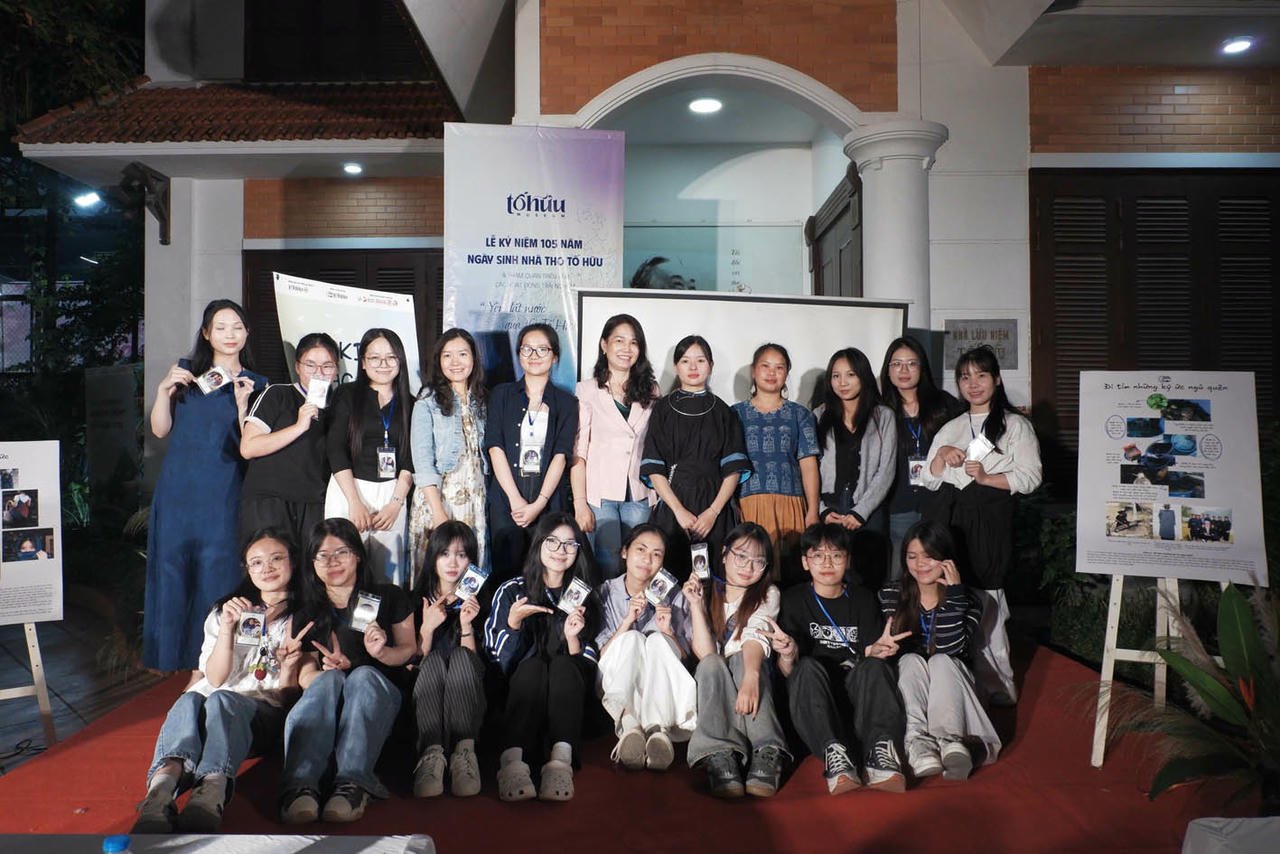
It was this curiosity, regret, and desire to explore that motivated the group to choose "Indigo Colors." We not only want to spread the value of the craft, but also want to help young people – those who haven't had many opportunities to experience it – to touch that pristine color in a more accessible and modern way.
When undertaking the project, what motivated the team to pursue it? And what was the biggest challenge in bringing the product to the community?
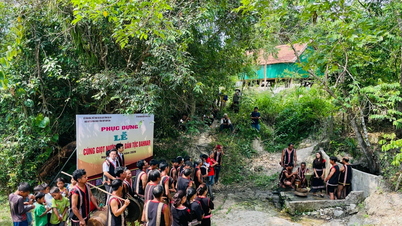
- The deeper we delved into the subject, the more captivated we became by the subtlety and mystery of indigo dye. From preparing the indigo leaves and cultivating the dye, to each step of dipping, wringing, and drying the fabric – everything requires patience and a special love for the craft. This is something we couldn't perceive through images or articles, but only truly understood when we directly experienced it in Hoa Binh and met the real artisans.
Our passion grew as we witnessed the skill of the dyers, and the way they spoke about their craft with pride mixed with worry – because the craft was gradually fading away. Each of those stories made us feel that this project was not just an assignment, but a small mission to contribute to preserving a cultural value that was in danger of being forgotten.
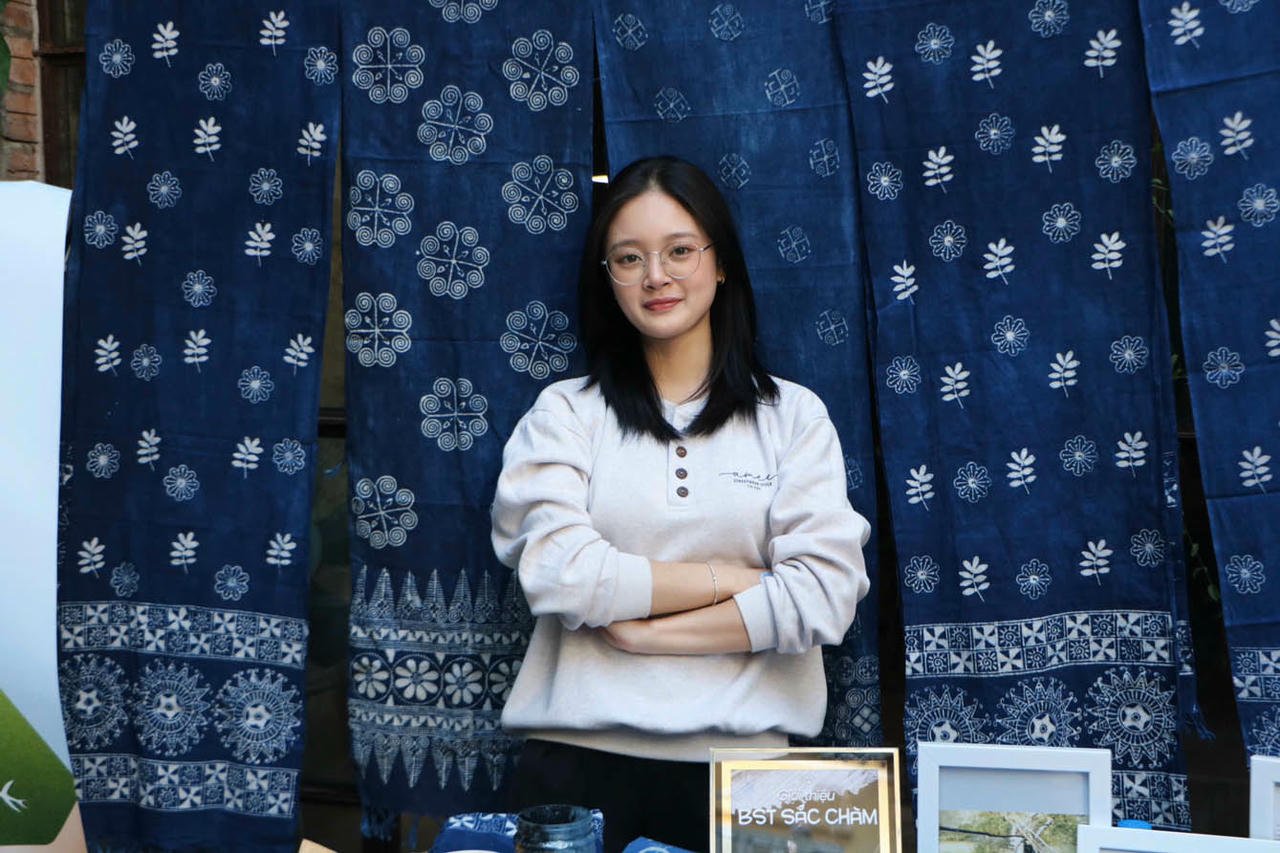
The biggest challenge was bringing indigo dye back to Hanoi and finding a way to recreate it. Indigo is a "living organism"—it requires technique, experience, and a certain knack to preserve its color. When we tried dyeing in Hanoi, the group completely failed despite following all the steps correctly. That moment helped us understand that cultural value cannot be simply copied or reduced to a guide. It lies in the hands of the craftsman and the very essence of the land. Conveying that to the community in an engaging, understandable, and authentic way is a huge challenge.
Indigo fabric isn't very popular among young people. What marketing ideas does the group have to make this color more appealing?
- It's true that indigo fabric isn't yet popular with young people, partly because of its somewhat rustic style, and partly because of cultural differences. Therefore, the group's communication strategy focuses on "bringing indigo closer to young people" through more modern and interactive methods.
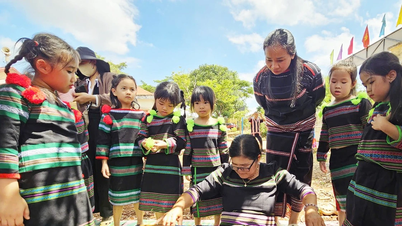
We've implemented a series of activities including: An experiential exhibition where young people can directly touch indigo products, watch the dyeing process through videos and images, and feel the delicate texture of the fabric with their senses.

Mini indigo dyeing workshop: bringing a piece of the highland experience to Hanoi. In just a few hours, young people can understand a craft that normally requires traveling hundreds of kilometers to access.
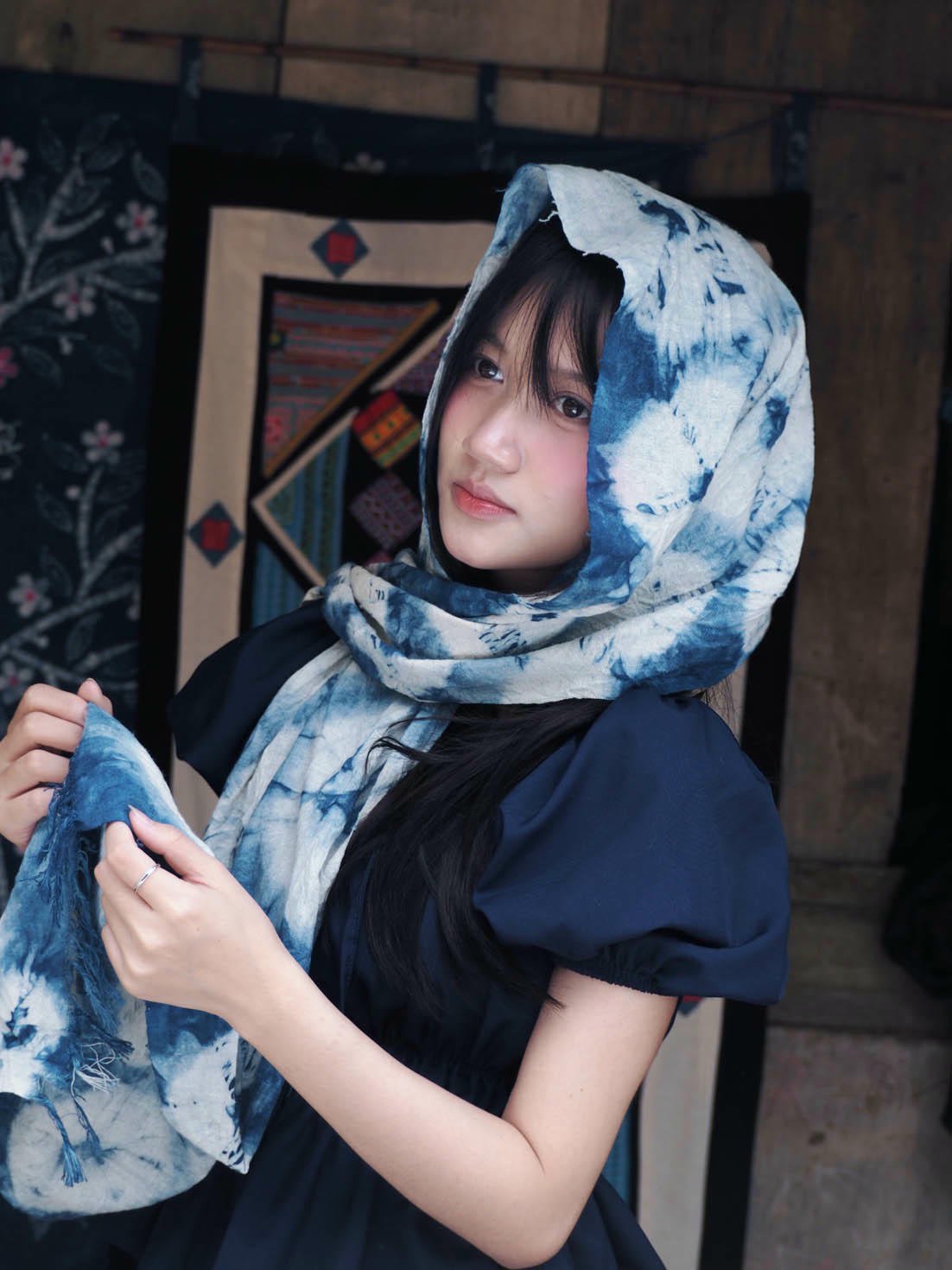
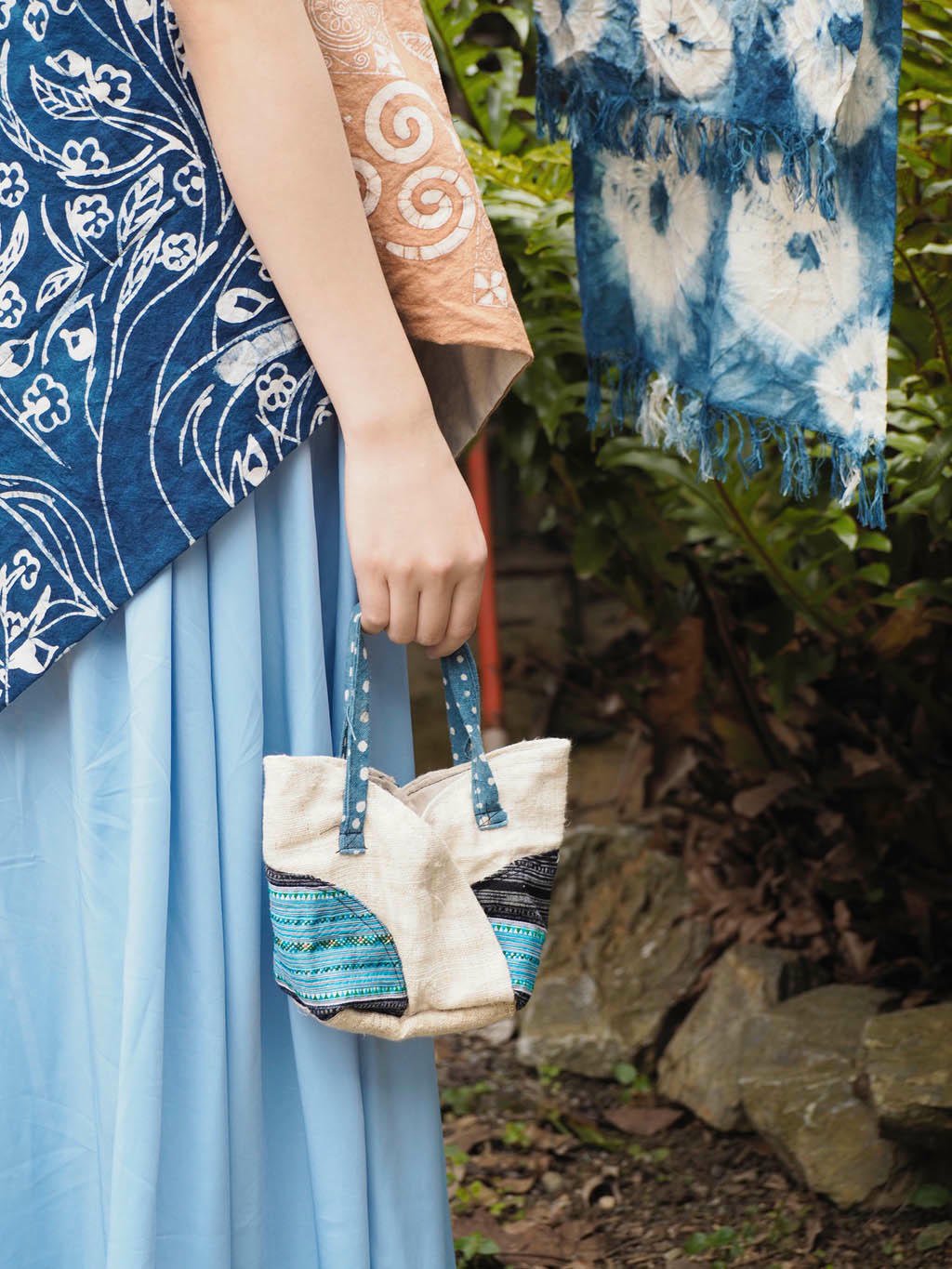
This fashion photoshoot features indigo-dyed fabrics, aiming to dispel the misconception that indigo is "old-fashioned" or "difficult to wear." We combine indigo-dyed clothing with a modern, youthful style to create a fresh perspective.
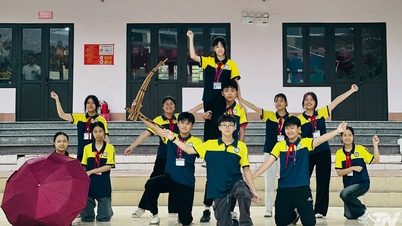
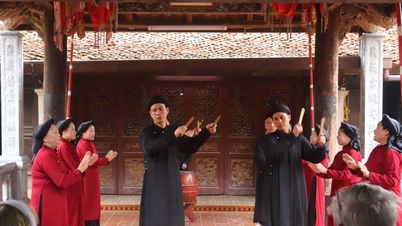
Mini-art show: Inspired by the two lines of poetry "Indigo áo chàm (traditional Vietnamese garment) marks the moment of separation…" by Tố Hữu, this art form combines music and stage performance to bring the story of indigo to a more relatable emotional level. The goal is not to make young people "love indigo," but to help them learn about, appreciate, and discover the beauty of this color in their own way.
The success of the project depends on how people receive it. Will the journey to gain that acceptance be difficult?
- Actually, when we first started, we didn't dare imagine the project would be so widely accepted. Because content about traditional culture is sometimes not as appealing as entertainment topics or trends. But we chose to tell the story sincerely and emotionally, based on what we saw and heard during our field trip.
The most challenging initial phase was figuring out how to make people understand that indigo is not just "a deep blue color," but a rich cultural ecosystem. When the first articles were published, the team was surprised at how quickly they spread. Within two weeks, the project surpassed 100,000 views. Many young people messaged to express that they had never known indigo dyeing was so interesting, or inquired about a trial dyeing workshop.
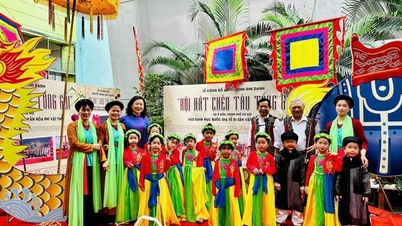
The public's reception didn't come from our extensive promotion, but from the empathy and curiosity of the public who saw a cultural value being retold with respect. When "Sắc Chàm" was invited to participate in the exhibition on November 23rd - Vietnam Cultural Heritage Day, it was a truly moving milestone for the whole team. It showed that even small seeds of culture can still sprout.
As young people from the Red River Delta, when we first encountered the indigo culture of the local people, who was the person who supported us the most?
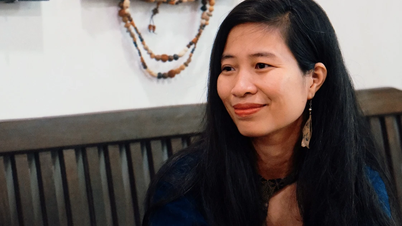
- The team's greatest fortune was finding two genuine artisans, born and raised in the indigo dyeing craft, who joined us throughout the project. Ms. Trang Vuong - also a professional advisor for the project - a Nung An woman from Cao Bang, and Ms. Hang Y Co - a Mong woman from Hoa Binh, supported us with all their enthusiasm and sincerity.
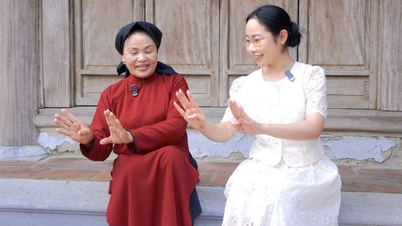
The women guided us step-by-step through the dyeing process, explaining each stage of indigo cultivation and sharing the difficulties faced by those in the profession. Their spirit—gentle, persistent, and proud—was a great source of inspiration for the group to gain a deeper understanding of the craft. In addition, we received professional support from the To Huu Museum, which helped the group connect cultural stories and artistic spaces in our mini-show.
We must also mention the help of our mentors and friends, who provided feedback, supported us with communication, and accompanied us through the most challenging steps. This project's success is largely due to those who believed in us and were willing to support us when we were still unfamiliar with the process.
Would you like the project to continue developing into a strong brand after you finish university?
- The answer is yes, and not just me, but the whole group hopes for that. "Sắc Chàm" (Indigo Colors) started as just an exercise, but the more we worked on it, the more we realized its long-term value. If given the opportunity to develop further, the group wants to turn "Sắc Chàm" into a more sustainable platform: a cultural brand combining handcrafted experiences, art education, and applied products made from indigo.
However, we also understand that to become a strong brand, the project needs more time, resources, and management knowledge. But we have the desire, the direction has been formed, and most importantly, our love for indigo is growing stronger. We hope that after graduation, each of us, regardless of our individual paths, can contribute to making "Indigo" not just a subject, but a truly vibrant and valuable project that continues to support the community.
Thank you, and I wish your project success and sustainability!
The "Indigo Colors" project was planned and implemented by a group of students from the School of Interdisciplinary Sciences and Arts, Vietnam National University, Hanoi. The project focuses on providing interesting knowledge about the indigo dyeing craft of ethnic minorities in mountainous regions. Ms. Vuong Trang, the project's professional advisor, shared: "The fact that young people are proactively researching traditional indigo dyeing truly surprised and moved me. As someone of the same generation, I feel happy to see that amidst the modern pace of life, there are still young people who dedicate their hearts to learning about, preserving, and spreading these cultural values. Following their journey, I realize I am not alone on the path to preserving indigo colors – in fact, I feel small in comparison to the meticulousness and enthusiasm the project brings. They have also given me the motivation to continue striving and persevering in spreading the story of indigo colors."
Source: https://baophapluat.vn/nguoi-tre-me-sac-cham.html






![[Photo] General Secretary and President To Lam presides over a working session with the Central Policy and Strategy Committee on the development of the materials industry.](https://vphoto.vietnam.vn/thumb/1200x675/vietnam/resource/IMAGE/2026/05/21/1779359935432_a3-bnd-3129-1412-jpg.webp)
![[Photo] National Assembly Chairman Tran Thanh Man working with the Standing Committee of the Law and Justice Committee](https://vphoto.vietnam.vn/thumb/1200x675/vietnam/resource/IMAGE/2026/05/21/1779378929214_ndo_br_1-4610-jpg.webp)




































































Comment (0)