However, SIPRI Director Karim Haggag is concerned that while the number of warheads is decreasing, the level of danger and nuclear risk is increasing. Nuclear-armed countries are increasingly moving these weapons of mass destruction from storage to launch systems. Therefore, the number of deployed nuclear weapons is growing.
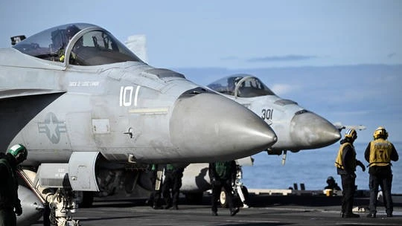
According to SIPRI, most nuclear powers have deployed nuclear weapons systems or have the capability to carry new nuclear warheads. An estimated 4,000 warheads have been deployed on missiles and aircraft, meaning approximately 100 more are expected to be operational by 2026, a development that SIPRI describes as increasing reliance on nuclear deterrence capabilities.
SIPRI forecasts that the trend of decreasing nuclear arsenals may be reversed in the coming years, as the pace of dismantling slows while the deployment of new nuclear weapons accelerates.
Mr. Haggag also listed several worrying signs, such as the breakdown in strategic arms control agreements and competition among nuclear-armed states.

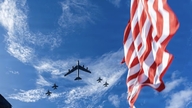
The United States and Russia currently possess 83% of the world 's nuclear weapons, with each country holding more than 5,000 warheads. Both nations are undertaking modernization programs for their nuclear arsenals, but are also facing their own unique challenges.
These findings were released amid growing government reliance on nuclear capabilities as a tool to project power during a period of heightened geopolitical tensions.
Geopolitical competition
In Asia, China is upgrading its nuclear arsenal at the fastest rate in the world. “Increasing geopolitical competition provides a very strong impetus for China to increasingly rely on nuclear weapons,” Haggag noted.
SIPRI estimates that China currently possesses approximately 620 nuclear warheads, up from 600 the previous year. By 2030, Beijing could possess a number of intercontinental ballistic missiles (ICBMs) equivalent to that of the United States and Russia, depending on how it organizes its forces.
However, the Swedish-based research institute notes that even if China reaches 1,000 warheads by the end of the decade, that number would still only be about a quarter of the current arsenals of the US and Russia. China may have increased the number of nuclear warheads deployed in its operational forces to around 34 by January 2026, up from 24 last year.
In Europe, France and the UK maintain stable nuclear arsenals at 290 and 225 warheads respectively. However, the UK's arsenal is projected to increase following a 2021 review, which recommended raising the ceiling on the number of warheads.



In March, French President Emmanuel Macron ordered an increase in the size of the country's nuclear arsenal.
HANH NGUYEN (According to AFP, SCMP)
Source: https://baocantho.com.vn/nguy-co-su-dung-vu-khi-hat-nhan-a206636.html

![[Photo] "Hanoi Lotus Festival" honors the lotus flower that has been associated with Vietnam for thousands of years.](https://vphoto.vietnam.vn/thumb/1200x675/vietnam/resource/IMAGE/2026/06/27/1782516943048_sen-ha-noi-2026-minh-duy-1-jpg.webp)