

Opening up the market
Specifically, the Housing Law 2023, recently passed by the National Assembly , stipulates that: In the case of buying and selling houses with a limited ownership period, the buyer is granted a certificate of ownership (land title certificate) for the agreed-upon period. Upon expiration of the ownership period, ownership is transferred back to the original owner as agreed in the contract. If the seller does not reclaim the house upon expiration of the ownership period, the matter will be resolved according to Article 166 of this law and other relevant legal provisions. Furthermore, the Housing Law 2023 also stipulates that the parties may agree on the seller selling the house to the buyer within a specific period. If the house purchase and sale transaction includes an agreement on the ownership period, the competent authority issuing the land title certificate must clearly state the ownership period in the certificate.
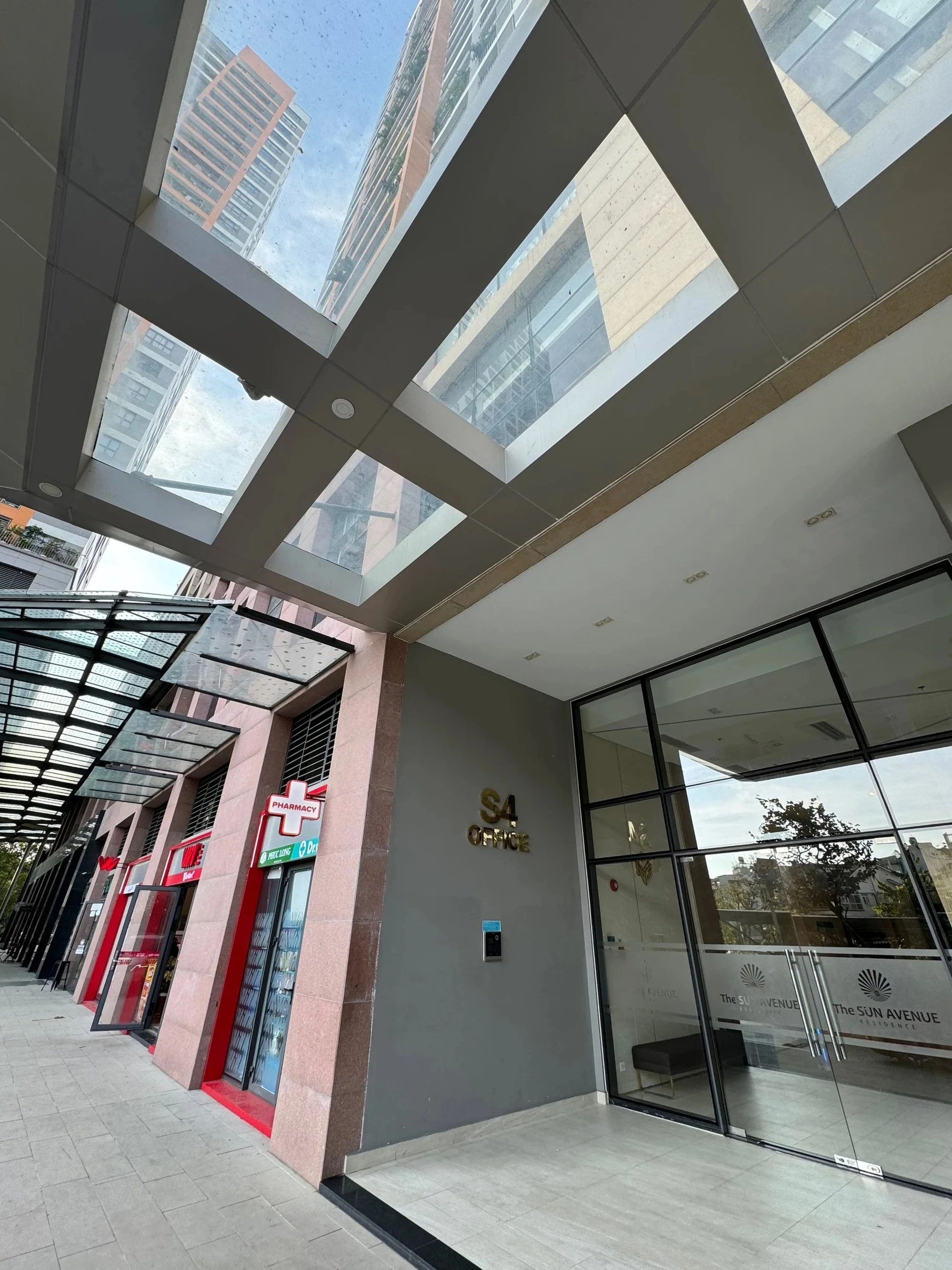
According to the new regulations of the 2023 Housing Law, not only condotels but also officetels and serviced apartments will be granted ownership certificates.
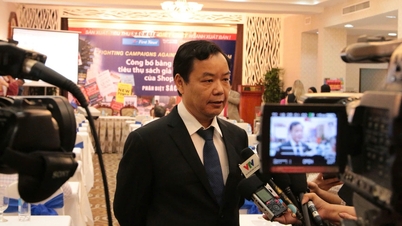
According to Mr. Nguyen Tien Dung, General Director of Savista Company, in April 2023, Decree 10 allowed condotel apartments nationwide to be granted ownership certificates. However, since then, very few projects have received these certificates. Meanwhile, officetel and service apartment types are not eligible for them. Now, with the 2023 Housing Law passed by the National Assembly, it covers all types of real estate projects with a time limit for receiving ownership certificates, helping to resolve the bottleneck in the market. Previously, customers buying these types of properties were not granted ownership certificates, causing transactions to stall. "This is a new and very welcome development because it resolves many bottlenecks in the market, while ensuring the rights of owners in carrying out transactions such as buying, selling, transferring, mortgaging, and leasing apartments without having to go through the developer... The regulation, once implemented, will help to unblock and contribute to revitalizing transactions in the market for resort real estate, office apartments, and serviced apartments," Mr. Dung said.
The leader of a resort real estate company in Binh Thuan expressed his delight that the issuance of land ownership certificates (pink certificates) for limited-term real estate is now being legalized, especially for resort properties, which are attracting significant investment from businesses across Vietnam. For a long time, resort real estate has been considered a "hybrid" – the state allows businesses to invest and buy/sell, but doesn't issue "birth certificates" in the form of land ownership certificates. This has affected not only businesses but also homebuyers. Without certificates, many properties cannot be used as collateral for bank loans, and the state also loses tax revenue. "Currently, the market is still facing difficulties, and resort real estate is even more challenging. Therefore, we hope this new policy will help customers feel more secure when buying a home. This could help the market recover sooner than expected," he hoped.
Expectations help lower prices.
According to architect Tran Tuan, the proliferation of mini-apartments without proper ownership certificates has led to the emergence of a distorted form of mini-apartment on the market. These are essentially service apartments, with owners often selling or leasing them long-term through informal, handwritten contracts. Many people are willing to buy them because their low incomes prevent them from purchasing townhouses or apartments. The lack of strict regulation has led to many negative consequences, most recently the mini-apartment fire in Hanoi . Now that this type of apartment is recognized and regulated, it will return to its true nature, allowing low-income individuals to buy affordable yet safe housing.
Mr. Le Hoang Chau, Chairman of the Ho Chi Minh City Real Estate Association, welcomed the 2023 Housing Law for inheriting the regulations on limited-term housing ownership from the 2014 Housing Law, meeting the needs of a segment of consumers who only want to buy and own housing for a specific period. The regulations on limited-term housing ownership also contribute to the development of limited-term housing types, such as serviced apartments built on land with a maximum land use term of 50 years, which are sold at lower prices than apartments with indefinite ownership. Mr. Le Hoang Chau cited the example of Project B on Nguyen Huu Canh Street (Binh Thanh District, Ho Chi Minh City), which includes Zone 1, a high-end apartment complex built on land with long-term stable ownership, where apartment buyers have indefinite ownership. Zone 2 consists of office spaces for rent and serviced apartments built on land with a 50-year lease term. Buyers of serviced apartments have a 50-year ownership period and the selling price is lower than in Zone 1. This gives customers more choices and peace of mind, as the apartments they purchase, whether for long-term or limited-term ownership, will be granted ownership certificates and protected by law.
For example, Mr. A leases a plot of land to Mr. B for 20 years. Mr. B is permitted to invest in building an apartment building to sell apartments with limited ownership periods to customers. Mr. B takes one year to build and sells the apartments to customers, who own them for 19 years at a lower price than similar apartments with indefinite ownership periods. After 20 years, the customers return the apartments to Mr. B, and Mr. B demolishes the building to return the land to Mr. A. Another example is Mr. C selling his house to Mr. D, who owns it for 20 years, also at a lower price than a outright sale. "These cases of buying houses with limited ownership periods are all granted limited-term ownership certificates and are handled according to the regulations of the Housing Law, which will promote the strong, healthy, and safe development of the real estate market in many segments. This will also create competition and help reduce real estate prices," Mr. Chau analyzed.
Once legalized, businesses are also more confident in investing in this segment. This helps the market have more apartment supply, thereby competing with long-term ownership apartments and potentially creating a price revolution.
Architect Tran Tuan
Source link


![[Photo] General Secretary and President To Lam meets with National Assembly delegates from ethnic minorities.](https://vphoto.vietnam.vn/thumb/1200x675/vietnam/resource/IMAGE/2026/04/20/1776696701056_a1-bnd-8331-3342-jpg.webp)
![[Image] National Assembly discusses the implementation of the socio-economic development plan.](https://vphoto.vietnam.vn/thumb/1200x675/vietnam/resource/IMAGE/2026/04/20/1776696707422_ndo_br_img-20260420-185419-jpg.webp)






























































































Comment (0)