In light of new development demands, training, attracting, and utilizing talent is a national strategic issue. However, this activity currently faces many bottlenecks that need to be addressed.
The "bottlenecks" in training.
Speaking at the "Training and Utilizing Talent in the New Context" workshop held in April, Associate Professor Dr. Nguyen Phong Dien, Vice Director of Hanoi University of Science and Technology, noted that in the context of the technological boom, talent training is facing many challenges and requires comprehensive changes.
Hanoi University of Science and Technology views this problem from several pillars: student admissions, training content and methods, faculty, facilities, business cooperation, and involvement in laboratory research projects.
However, the key focus should be on ensuring the quality of input and innovating the content and methods of training. If the input is not good enough, it will be difficult for schools to implement in-depth talent programs; conversely, if the curriculum is not updated in time, even talented students will find it difficult to fully develop their potential.
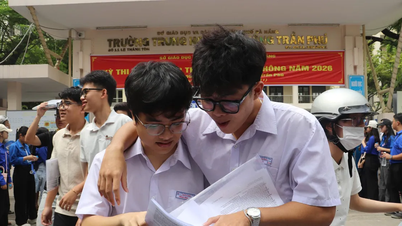
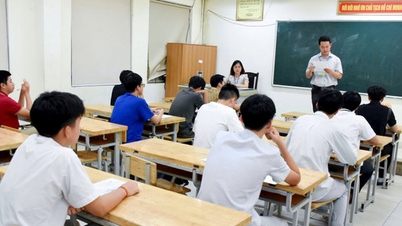
To address this problem, according to Mr. Dien, Hanoi University of Science and Technology is implementing several solutions simultaneously. In terms of training, talent programs are organized on a small scale, with each class having approximately 25-30 students, selected through channels such as talent assessments and aptitude tests. The majority of students are national top performers or come from specialized schools, ensuring a solid academic foundation.
Meanwhile, the training program is not just a blueprint of subjects but aims for an open training structure, closely linked to practical applications and new technologies. The training content is continuously updated by Hanoi University of Science and Technology according to technological developments, and shifts from theoretical lectures to project-based learning, laboratory work, and collaboration with businesses so that students can gain real-world work experience while still in school.
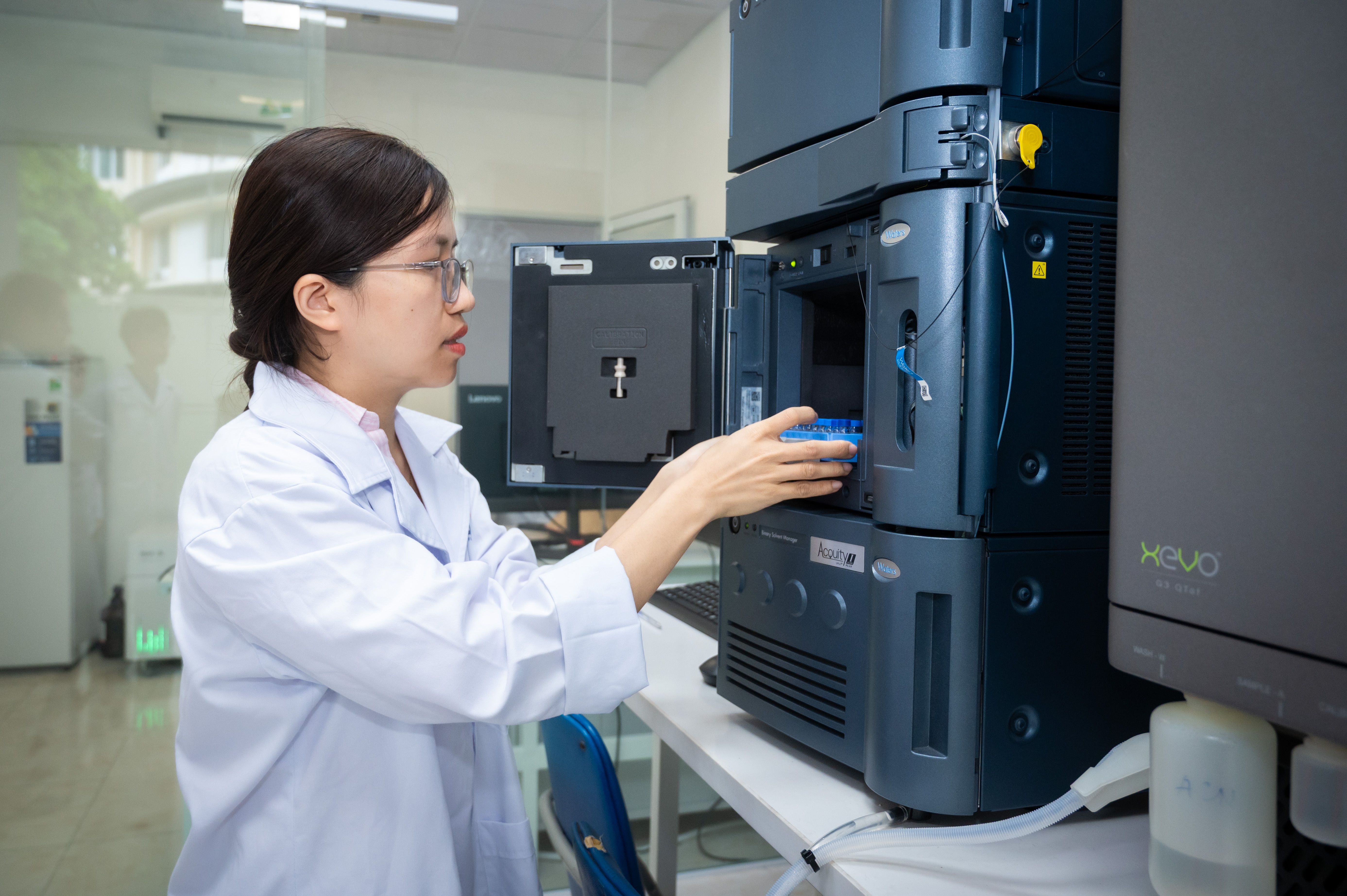
Another important point is the integration of training with research. Talented students are directly involved in research in labs, thereby developing their creativity and problem-solving skills. Investing in laboratory facilities is a core requirement.
In addition, the school strives to attract experts from around the world , regardless of nationality, to become lecturers, along with a specific career development plan and compensation package.
A different approach and training method is also the opinion of Associate Professor Dr. Nguyen Thu Huong, Vice Rector of the University of Social Sciences and Humanities (Vietnam National University, Hanoi).
"We also recognize that the approach to talent acquisition must change, not just based on traditional academic results, but also emphasizing interdisciplinary skills, creative thinking, autonomy, and social responsibility," Ms. Huong said.
Meanwhile, from the business perspective, Dr. Do Duc Dung, Director of Software Solutions at Samsung R&D Center Vietnam, noted that the capabilities of Vietnamese students have improved significantly. They possess many strengths, such as the ability to learn independently. When given a problem, many students can proactively research and develop solutions without relying entirely on instructions.
In addition, foreign language proficiency—especially in STEM fields—has improved significantly. However, students still lack the capacity for in-depth research and the skills to work in an international environment.
Furthermore, current university training programs have strict entrance requirements but lenient graduation requirements. This sometimes leads students to simply comply with lecturers' requirements without the necessary initiative to meet the practical standards that businesses demand.


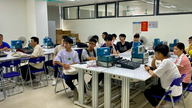
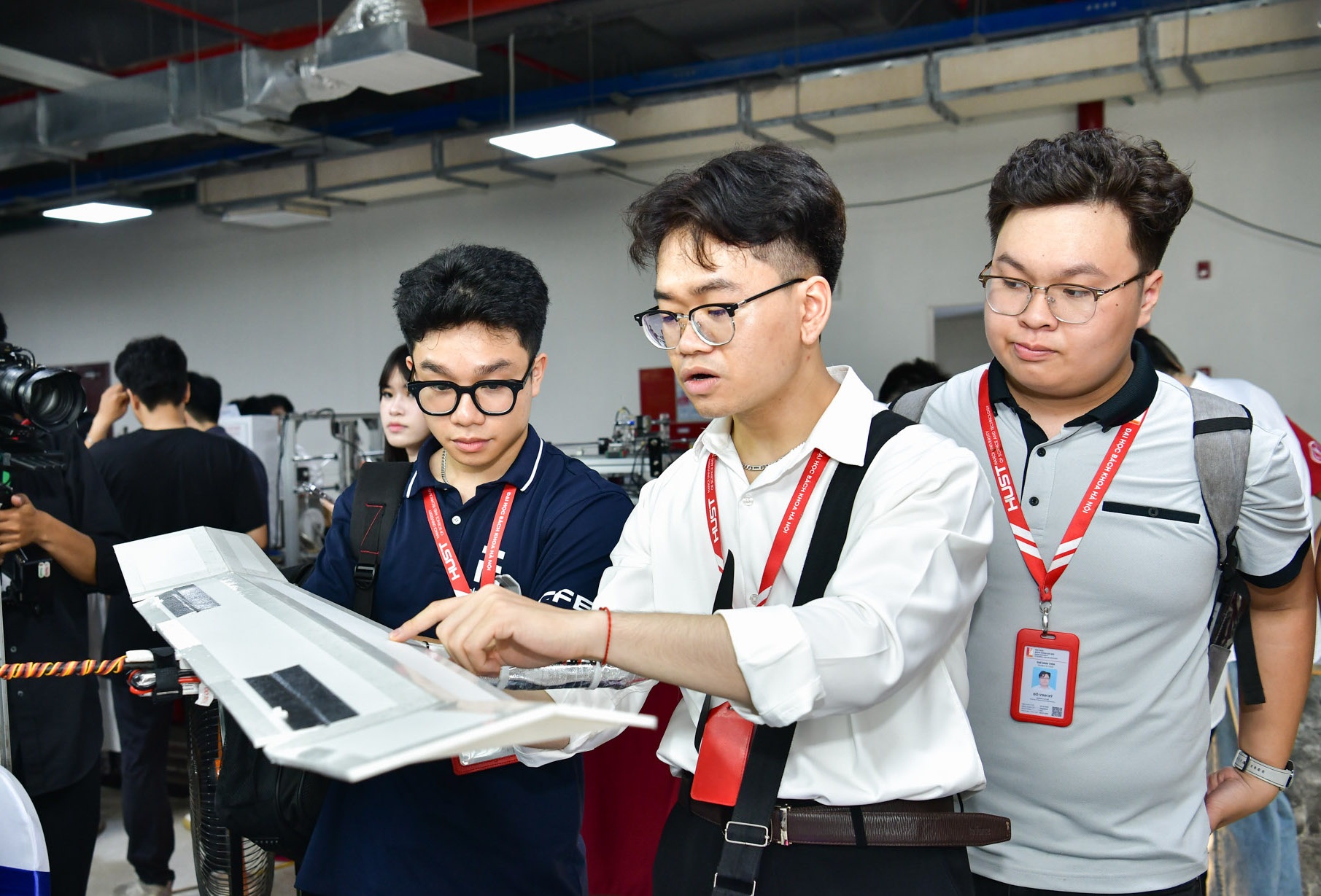 |
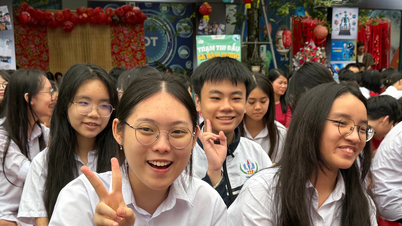
Students of Hanoi University of Science and Technology. Photo: HUST. |
What do truly talented people need?
Beyond just training, how to effectively utilize talent so that it can fully develop its potential is also a matter that needs discussion.
Sharing from his personal experience, Professor David Tran of the University of Massachusetts (Boston, USA) said that in the last 5 years, he has started returning to Vietnam more often to participate in teaching, academic networking, and contributing to science and technology development programs in the country.
The professor stated that his decision to return did not stem from invitations or red carpet policies, but rather from an inherent desire.
He asserted that although Vietnam's incentives for attracting talent are higher than the general average, they cannot be compared to those of other countries. "But when income is low, the working environment must improve," Professor David Tran stated.
Sharing international experience, Professor David Tran said that American universities view professor recruitment as a venture investment, not imposing rigid KPIs or heavy administrative pressure, but instead placing trust in the academic integrity and inherent abilities of the scientists.
Meanwhile, in Vietnam, he frankly pointed out the current obstacles such as complicated project reporting and funding procedures, and the pressure to produce immediate results, which are stifling creativity.
“No scientist can make groundbreaking discoveries under such pressure. Scientists must be given a truly open space, and we must place our trust in them, like investing in a startup company. Not everyone may meet expectations, but if just a few make significant enough contributions to put Vietnam on the world scientific map, that would already be a success,” said Professor David Tran.
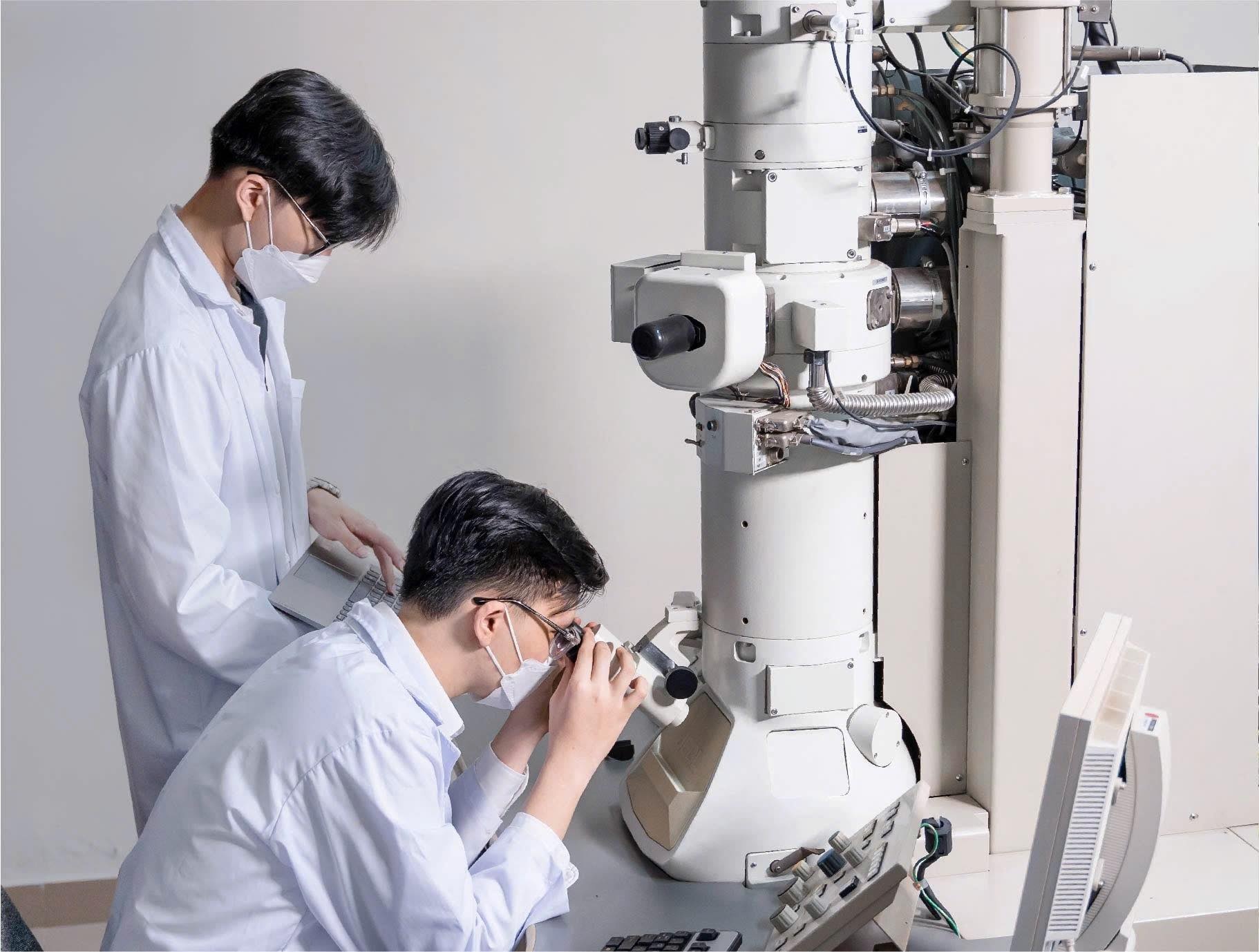 |
To attract and retain talent, we must first view talent as a strategic resource, not just as someone to be rewarded with material benefits. |
Sharing the same viewpoint, in an interview with Tri Thuc - Znews, Ms. Nguyen Thi Viet Nga, Member of the National Assembly's Committee on Culture and Society, and Deputy Head of the Hai Phong City National Assembly Delegation, stated that to attract and retain talent, we must first view talent as a strategic resource, not just as someone needing material incentives.
"Compensation is very important, but talented individuals also need an open working environment, transparent employment mechanisms, professional autonomy, opportunities for creativity, and deserved recognition," Ms. Nga said.
Members of Parliament believe that some fundamental mechanisms are needed, shifting from a mindset of "managing talent" to one of "creating an environment for talent to contribute."



Firstly, there is a need for more flexible recruitment and employment mechanisms, especially in the public sector, research institutes, universities, and key science and technology programs.
Ms. Nga argued that if we remain constrained by overly rigid administrative procedures and criteria that place too much emphasis on seniority and formal qualifications, it will be very difficult to attract talented people, especially young experts, Vietnamese experts abroad, or international experts.
Secondly, there needs to be a reward system based on competence and contributions. Scientists, technologists, and innovators need to be compensated proportionally to the value they create; it's unacceptable to expect them to perform tasks at an international level while receiving compensation far below regional and global standards. In addition to salary, there should be a reward system based on research output, patents, technology transfer, and practical applications.
Thirdly, it's crucial to create a sufficiently conducive research and working environment. According to Ms. Nga, talent cannot flourish without laboratories, data, stable funding, strong research teams, and mechanisms to protect against risks in innovation. Innovation always has the potential for failure, so it's necessary to clearly distinguish between honest research failures and violations or negative practices in resource utilization.
Fourth, we must create opportunities for talent to thrive. Talented individuals need to be given significant, challenging, and meaningful tasks. If we attract experts but fail to empower them, provide them with sufficiently complex problems, and establish mechanisms for their ideas to be implemented, it will be very difficult to retain them in the long term.
Source: https://znews.vn/nhan-tai-can-gi-ngoai-luong-post1663120.html