 |
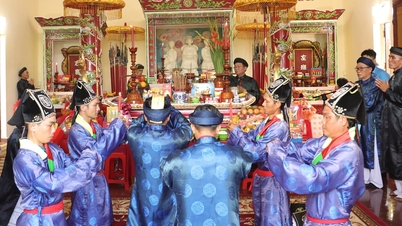
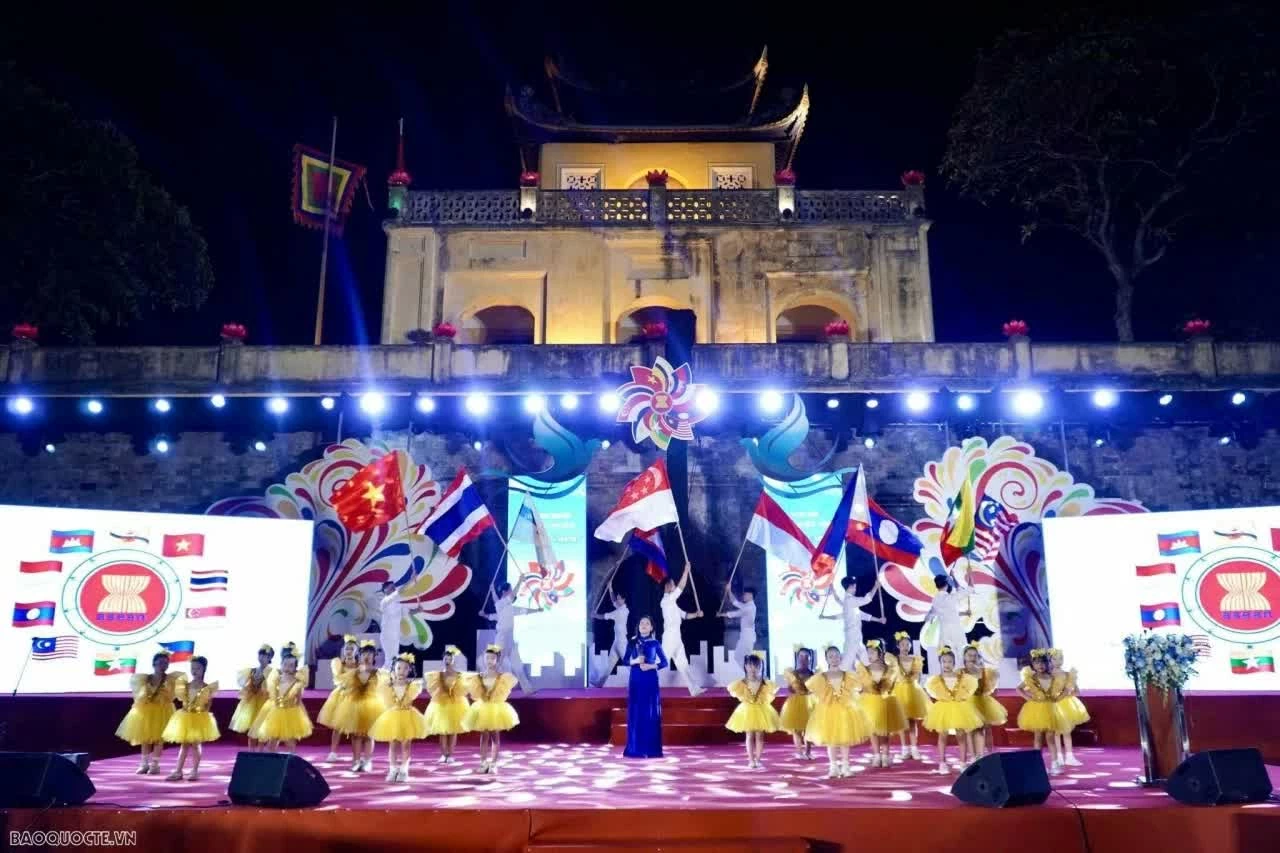
| The ASEAN Cultural Friendship Festival 2024, themed at Thang Long Imperial Citadel, commemorates the 57th anniversary of ASEAN's founding (August 8, 1967 - August 8, 2024). (Photo: Tuan Viet) |
From heritage, cuisine, art, tourism, and creative industries to people-to-people exchanges, Hanoi has all the foundations to contribute to deepening understanding between nations, fostering community cohesion, and expanding the impetus for intra-regional economic development.
A meeting place of ASEAN identity, people, and spirit.
Southeast Asian nations have differences in language, religion, customs, art, and lifestyles, but they share many common values: community spirit, hospitality, family ties, village memories, rice-based civilization, love of nature, and aspirations for peace and development. These commonalities form the soft foundation upon which ASEAN not only cooperates based on mutual benefit but also strengthens bonds of understanding and trust.
In that picture, Hanoi holds a special place. A Thang Long – Hanoi over a thousand years old, it is the embodiment of Vietnam's cultural depth, and at the same time, a city undergoing a powerful transformation in the rhythm of modern, creative, and integrated life. Hanoi has its Old Quarter, Hoan Kiem Lake, Temple of Literature, Thang Long Imperial Citadel, traditional craft villages, festivals, cuisine , traditional arts, creative spaces… These are valuable materials for telling the story of Vietnam within ASEAN.
Significantly, Hanoi can connect with ASEAN not only through diplomatic events, but also through its daily cultural life. A bowl of pho, a cup of lotus tea, the sound of the zither, the old streets, and the elegant manners can all become gateways for ASEAN friends to better understand Vietnam.
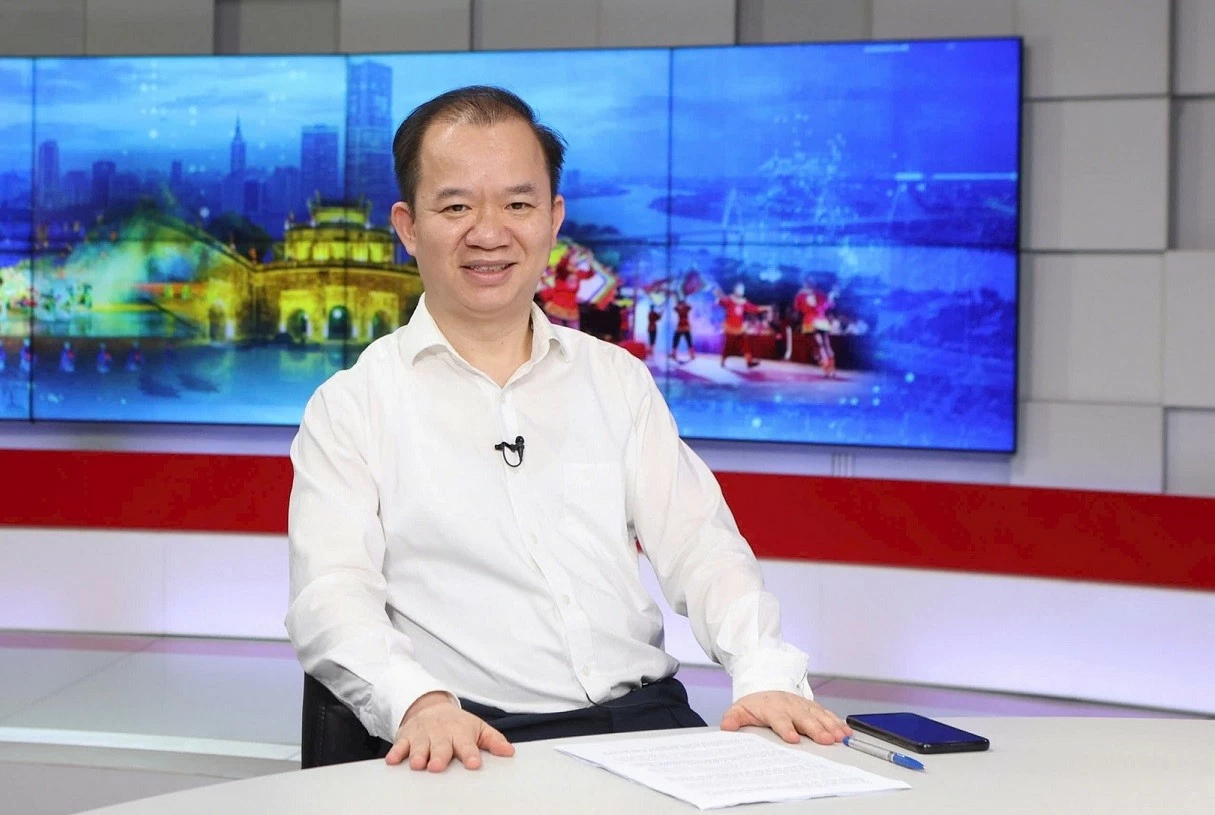 |
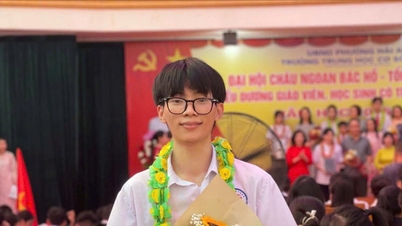
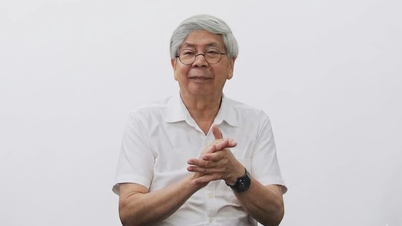
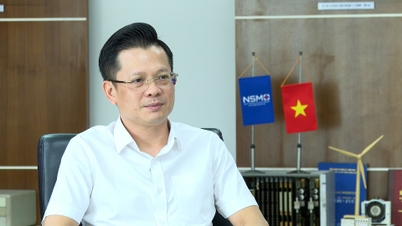
| National Assembly Deputy Bui Hoai Son. (Photo: Thanh Hai) |


From cultural connections to drivers of economic development.
In today's world, culture is not only a spiritual foundation but also a resource for development. For Hanoi, connecting with ASEAN cultures therefore has significance not only for people-to-people diplomacy but also as an important direction to contribute to the economic development within the bloc.
First and foremost is cultural tourism. Hanoi can become a gateway for tourists to experience a Vietnam rich in identity and a diverse and close-knit ASEAN. If we can develop products such as the "Hanoi in the Southeast Asian Flow" tour, the ASEAN Urban Heritage Week, the ASEAN Culinary Space, the ASEAN Film Festival, and the ASEAN Street Art Festival, Hanoi will not only attract tourists to visit but also retain them through cultural experiences.
Besides tourism and cuisine, the cultural industry is an area where Hanoi can play a significant role in connecting ASEAN. Film, music, design, fashion, fine arts, performing arts, video games, publishing, advertising, architecture, handicrafts, and digital content are all sectors with the potential to rapidly expand beyond borders.
In the new era, the ASEAN intra-bloc economy is not only based on tangible goods but is increasingly expanding to include services, experiences, knowledge, copyrights, and intellectual property. Culture is the repository of these values. A traditional motif, a folk melody, a festival, a dish, a historical story, or an urban symbol, if creatively reinterpreted, can become a product of design, tourism, media, education, and technology. Hanoi needs to view culture through this new logic: Preservation for development, promotion for value creation, and innovation to integrate identity into contemporary life and the international market.
To achieve this, a synchronized ecosystem of policies and actions is needed. ASEAN culture in Hanoi should not be viewed merely as a ceremonial or diplomatic activity, but should be linked to the capital's strategy for developing cultural industries, tourism, the night-time economy, creative urban areas, and digital transformation. The State plays a facilitating, guiding, and mechanism-creating role; businesses, artists, universities, research institutes, the creative community, and the people are the direct forces creating products, events, and value.
Digital transformation should also be considered a crucial tool. Hanoi could build an “ASEAN story bank,” showcasing in multiple languages stories about heritage, people, cuisine, traditional crafts, art, creative cities, and regional cooperation. This content could be disseminated through short films, digital maps, virtual exhibitions, podcasts, smart tourism platforms, and social media.

Ultimately, at the heart of all connections are people. For Hanoi to connect with ASEAN, its people must understand, love, and see in ASEAN the opportunities for shared development. Hanoi businesses need to view ASEAN not just as a market, but also as a space for creative cooperation. Young people in Hanoi need to see ASEAN not just as a concept in books, but as a community of friends, learners, professionals, travelers, entrepreneurs, and a future.
Historically, Hanoi has been a melting pot of the finest minds from all corners of the world, enriching Vietnam's identity. Today, Hanoi can continue that mission on a new level: becoming a cultural bridge of ASEAN, where nations meet through respect, understanding, creativity, and a shared aspiration for development.
Source: https://baoquocte.vn/nhip-cau-van-hoa-ket-noi-asean-404105.html
























![[Image] Ho Chi Minh City: Ma Lang area, Chicken-Rice Market about to change its appearance](https://vphoto.vietnam.vn/thumb/1200x675/vietnam/resource/IMAGE/2026/06/25/1782377698627_ndo_br_m1-jpg.webp)