

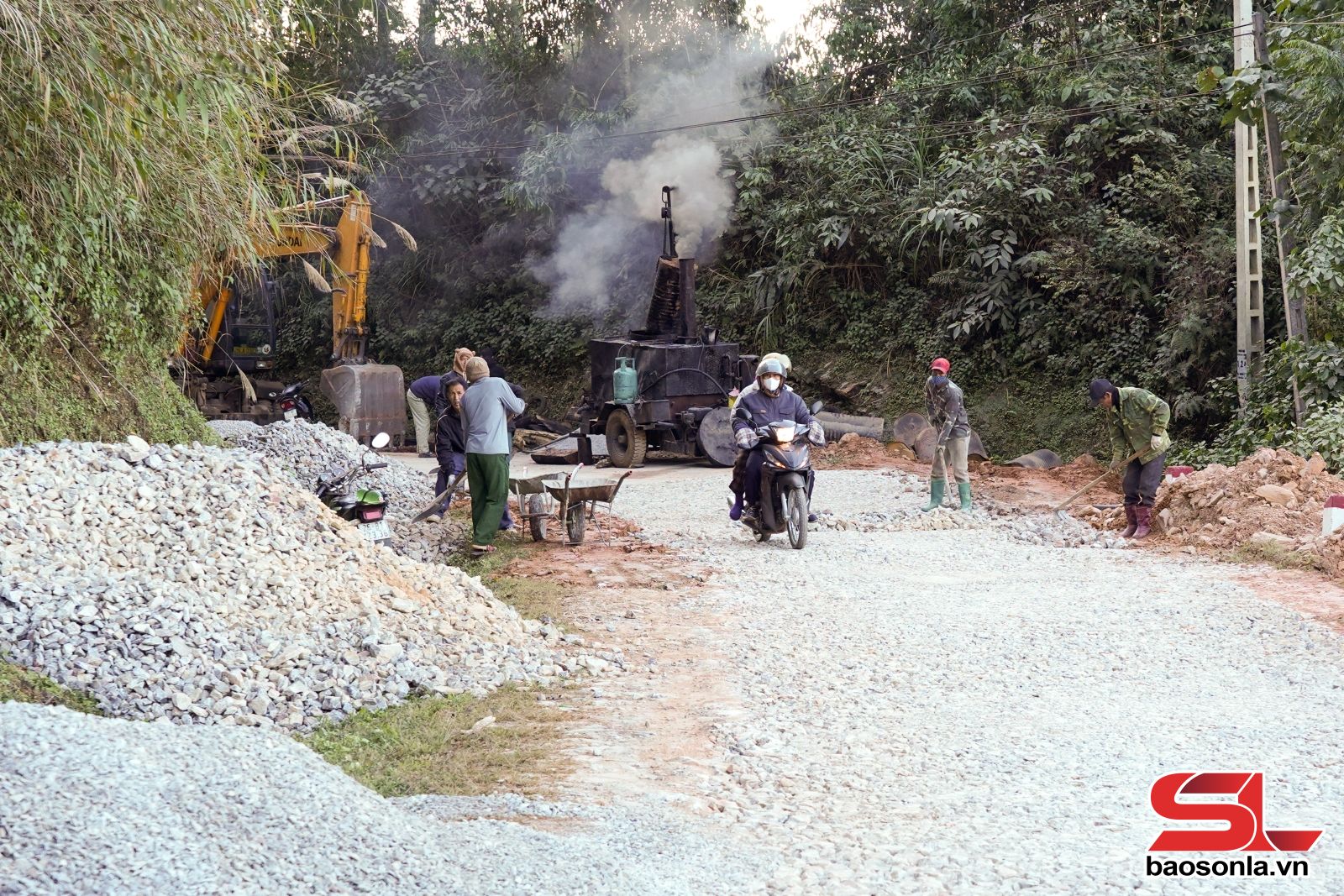
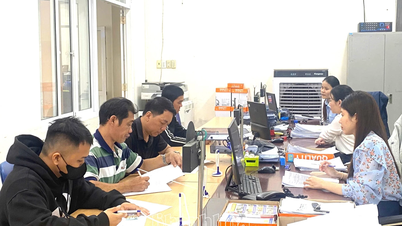
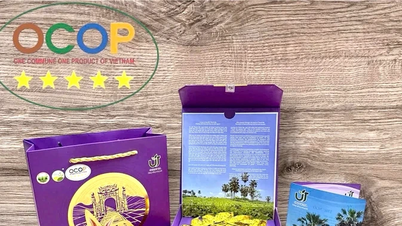
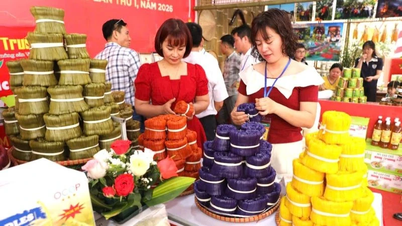
Welcoming us at the office, Mr. Ly A Chu, Chairman of the People's Committee of Co Ma commune, said: Implementing the two-tiered local government model, Co Ma commune was established on the basis of merging three communes: Pa Long, Co Tong, and Co Ma. The area is mainly inhabited by the Mong ethnic group, living in 33 villages. The first Party Congress of the commune, for the 2025-2030 term, set a breakthrough in transforming the structure of crops and livestock; increasing the value of agricultural products through the application of new technologies in production, developing high -economic- value crops and livestock towards commercial production and OCOP products.
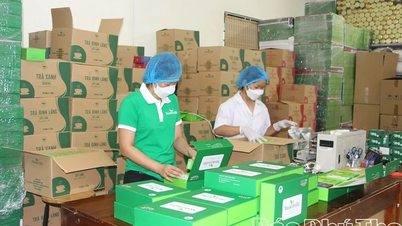
To achieve a breakthrough, the People's Committee of the commune directed specialized departments to review the potential, advantages, and economic development capabilities of each locality in order to build a suitable development plan. This included focusing on transforming the structure of crops and livestock, improving the productivity and quality of agricultural products; and emphasizing the management, protection, and development of forests. The plan also aimed to attract businesses, organizations, and individuals to invest in agriculture, building production, processing, and consumption chains that meet prescribed standards. Simultaneously, it maintained the operation of 4 gasoline stations and 60 households engaged in production, processing, and service activities to better meet the consumption needs of the local population.

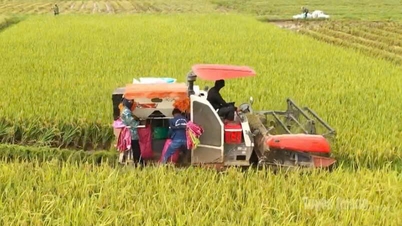
Making the most of agricultural land, in 2025, the people in the commune planted 3,378 hectares of grain crops, yielding 8,690 tons. They also carefully cultivated 282 hectares of various fruit trees, producing 1,500 tons of fruit per year. They maintained 85 hectares of coffee trees, of which 15 hectares were already producing 90 tons of fresh fruit. In addition, they planted nearly 160 hectares of ginger, yielding over 3,187 tons of tubers; and 105 hectares of various vegetables, yielding 1,649 tons...
In 2025, Co Ma commune mobilized its people to cultivate several agricultural products, including 5 hectares of taro, mainly concentrated in Tia La, Co Ma, and Co Nhu villages, yielding 54 tons, along with 6 hectares of ginseng, producing 84 tons. Initial assessments indicate good quality taro and ginseng, contributing to the diversification of local agricultural products and increasing people's income in the coming years. In addition, livestock farming is developing in a concentrated, confined manner, combined with grass cultivation for feed. The livestock are well cared for, with proactive measures taken to prevent cold weather and disease outbreaks, resulting in stable development. The commune currently has over 53,000 head of livestock and poultry.
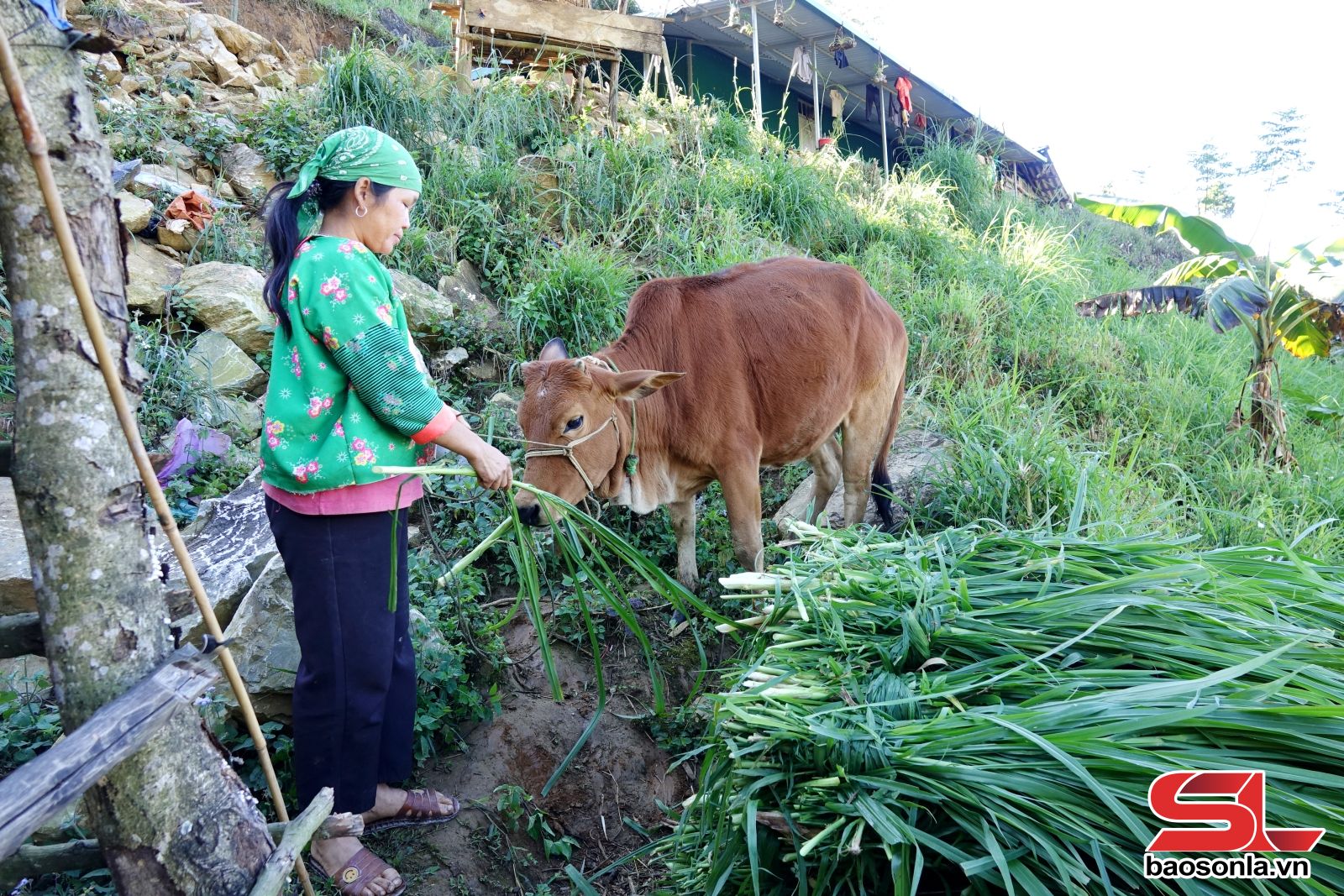
Mr. Vu A Phia, Party Secretary and Head of Co Tong village, said: Currently, the villagers are raising more than 120 buffaloes and cows, mainly in a semi-intensive system. Following the direction of the Party Committee and the People's Committee of the commune, the village is promoting the conversion to enclosed livestock farming, utilizing vacant hillside land and forest edges to grow grass for feed; controlling diseases; improving the quality of the herd; and utilizing manure to fertilize crops, contributing to environmental protection... The village strives to increase the total number of buffaloes and cows to 150 by the end of 2026 and cultivate 5 hectares of grass.
As a locality with a large forest area of over 10,500 hectares, forest management, protection, and fire prevention and control are always given priority. Co Ma commune has effectively implemented the policy of payment for forest environmental services, linking it with the responsibilities and rights of forest owners, contributing to improving the efficiency of forest management and protection and helping people gradually earn a living from forestry.
Life in the mountainous commune of Co Ma is changing. The Party Committee, the government, and the people are striving to reduce the poverty rate year by year, aiming to reduce it to below 30% by 2030 according to the multidimensional poverty standard, as set out in the Party Congress's 2025-2030 term.
Source: https://baosonla.vn/xa-hoi/nhip-song-moi-vung-cao-co-ma-dOFgrD7vg.html

































































Comment (0)