Remember the season when the Sesbania flowers bloom?
Every flood season, in addition to bringing fertile silt and abundant aquatic resources, a humble plant with a simple, delicate yellow color like a butterfly's wing appears, "coloring" the entire peaceful countryside - that is the water hyacinth.
Báo Đồng Tháp•29/11/2025
The flood season in the Mekong Delta is when the water hyacinth blooms in a vibrant yellow, captivating the hearts of people.
A RURAL PICTURE OF WILD FLOWERS
My boat sails amidst the wildflowers. The more I look at Dong Thap Muoi, the more I fall in love with it. XUAN DIEU
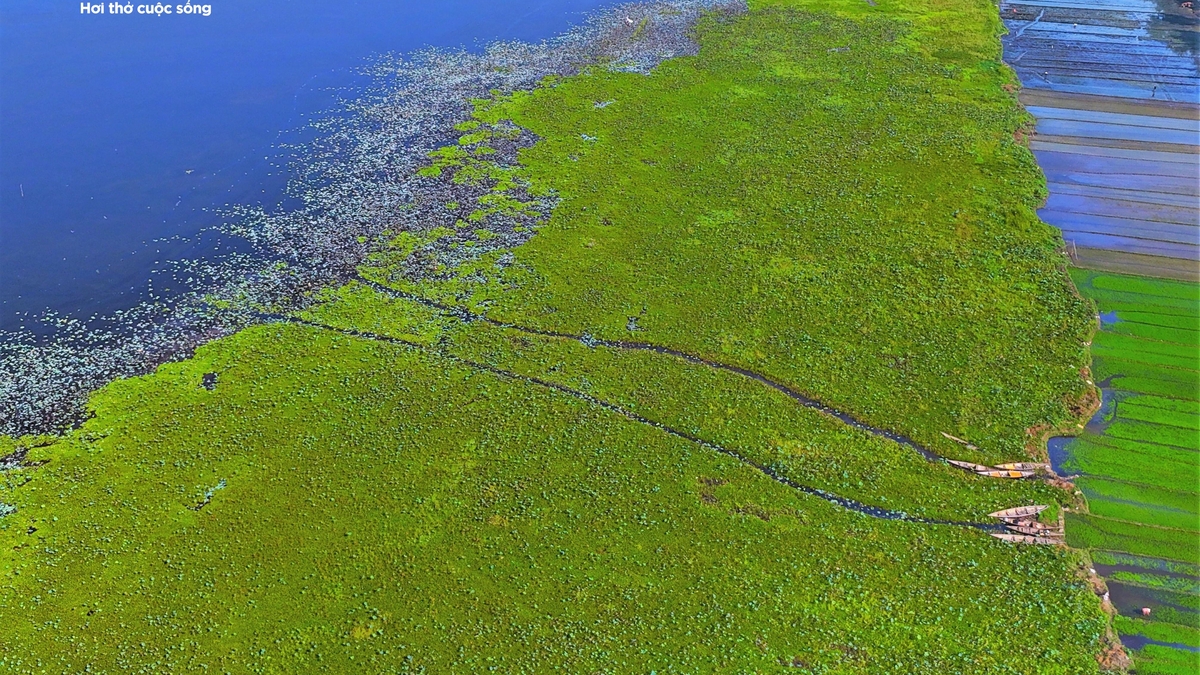
Amidst the vast expanse of water, streaks of brilliant yellow suddenly burst forth across the countryside – these are the water hyacinths, a common wild plant that takes root along rice paddies and canal banks, silently enduring the drought. When the muddy, cool water seeps into its roots, the water hyacinths seem to awaken. Their small, slender stems burst into clusters of bright yellow, delicate flowers, shimmering on the water's surface. The image of these small water hyacinths in bloom has become an indispensable highlight in the landscape of the flood season. Water hyacinths are not just a common plant, but a signal, a sign that the flood season has arrived, especially in upstream border provinces such as Dong Thap, An Giang , and Tay Ninh.
I suddenly remembered the wild sunflowers that used to grow behind our house. Back then, sunflowers were wild plants, hardly anyone planted or cared for them; they stubbornly endured the scorching sun and heavy rain. Then, when the floodwaters rose and submerged their feet, they would burst into vibrant yellow blossoms, swaying in the breeze. My mother only needed to take a basket to the backyard to pick them, and she would have a plate of stir-fried sunflower blossoms with shrimp or a pot of sour fish soup with fragrant sunflower blossoms. The taste of those wild sunflowers from the old days was nutty, fragrant, and subtly sweet, requiring no elaborate seasoning, and even now I can never forget it.
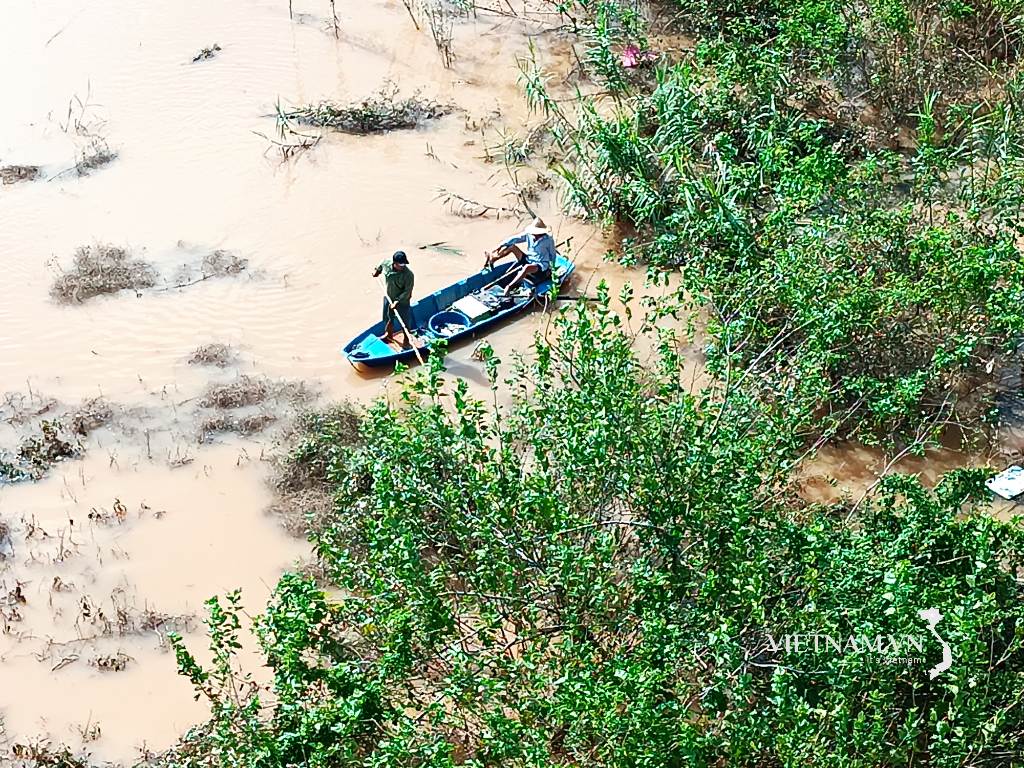
The Sesbania grandiflora, belonging to the legume family, is a small woody plant with remarkable vitality because it requires no care or fertilizer; it simply grows and thrives on its own thanks to nature's generosity. Every time the Sesbania grandiflora blooms, villagers become busy in their small boats, cruising along dikes and riverbanks, weaving through canals and ditches to pick the clusters of golden flowers. Carefully picking each cluster and flower, and storing them in the boat's hold, has become a cultural tradition, a complete harmony with nature, and a sincere response to nature's generous gift.
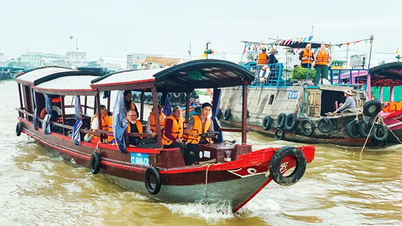
During the months when the fields are flooded, harvesting water hyacinth flowers or catching aquatic products according to the tides becomes a source of income for residents of the Mekong Delta. The clusters of yellow water hyacinth flowers are brought to sell, supplementing income and helping to support the lives of people in this delta region. Mr. Tran Van Binh (Thuong Phuoc commune), steering his boat carrying tourists from afar to experience the flood season, shared with me in a warm voice: “Water hyacinth flowers during the flood season cost about 50,000 VND/kg, and traders buy them and sell them at the market for about 80,000 VND/kg. That's a 'gift from heaven' during the flood season; when the water rises, people have fish, water hyacinth flowers, and more hope.”
And so, around the 11th lunar month, as the water recedes, the clusters of golden flowers begin to wither, the trees bear fruit, and await the next year's flood. This cycle of nature has nurtured the people, helping them to cherish and appreciate every grain of silt and every type of native plant.
THE FLAVOR OF NOSTALGIA
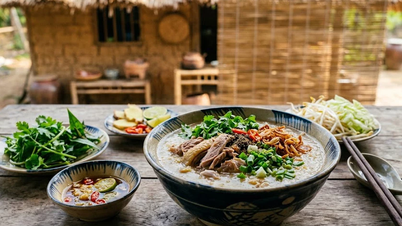
The Sesbania grandiflora, once a wild plant, has captured the hearts of people in the Mekong Delta not only through its vibrant colors but also through its culinary flavor. It is the "soul" of simple yet comforting meals, a creation of the people living along the riverbanks. During the flood season, nothing is more wonderful than enjoying sour fish soup with water hyacinth flowers. When the water hyacinth flowers bloom in vibrant yellow, it's also the time when schools of snakehead fish follow the floodwaters. The snakehead fish are tender and sweet; the water hyacinth is crispy, nutty, and fatty; and with the mild sourness of young tamarind and the spiciness of chili peppers, each has its own unique flavor, but they blend together to create a perfect "symphony," a flavor unlike any other.
I still vividly remember the lyrics, imbued with the longing for home, in the song "Water Hyacinth Flower" performed by singer Cam Ly: "The Mekong Delta is green with the color of the sky/The alluvial soil rises, oh people, don't come back/With the captivating color of the water hyacinth/Gold in the eyes, caressing the heels.../Eating the flowers, the water hyacinth bows, remembering the homeland"... Those lyrics are not just words, but a whole emotion, a lingering feeling of those who are far from home. The flavor of the water hyacinth flower during the flood season is the flavor of nostalgia, of home, of childhood.
Besides sour soup, Sesbania grandiflora flowers are also used to prepare many other delicious dishes, showcasing the sophistication and skill of people in the Mekong Delta, such as: Sesbania grandiflora flower salad stir-fried with freshwater shrimp, mixed with boiled pork belly and sweet and sour fish sauce, both crispy and rich, never tiring to eat. The rich, fatty taste of freshwater shrimp and the light crispness of the Sesbania grandiflora flowers create a dish that stimulates the taste buds. Or Sesbania grandiflora flowers pickled, with a refreshing sour taste and crunchy texture, are even more wonderful when eaten with braised snakehead fish or tilapia.
The Sesbania flower creates a rustic yet sophisticated feast; for those from the Mekong Delta living far from home, it evokes nostalgia, childhood memories, and the comforting meals their mothers cooked with love and hard work. Growing up, far from home and my hometown, I longed for the sweet, crisp, and nutty flavor of the Sesbania flower. That flavor is perhaps a distillation of the alluvial soil, the sun and wind, and the essence of the flood season. Nowadays, Sesbania flowers are not as abundant as before due to changes in the dike system and flood control. However, the demand for this flower is increasing, not only among locals but also among tourists seeking to experience the flavor of the flood season.
The golden hue of the Sesbania flower has become a part of the memories of those who grew up in the Mekong Delta. Each season when the Sesbania blooms, the image of home, the image of mother, and warm country meals suddenly come to mind, a lingering and unending nostalgia.






































































Comment (0)