In the 1980s, despite difficult conditions, the Tra My Forestry Station allocated welfare funds to purchase several daily and weekly newspapers. To facilitate information and propaganda activities, the grassroots trade union, in coordination with the forestry station's youth union, launched a newspaper reading campaign every morning for about 15-20 minutes, starting at 6:40 AM daily.
This is an effective way to disseminate and promote the Party's guidelines and policies, and the State's laws and regulations to cadres, workers, civil servants, and employees.
At that time, I and two others were assigned by the Youth Union of the forestry station to select articles and news items, and to be in charge of reading the morning newspaper before work.
At that time, there were several specialized newspapers, but two were frequently read: Nhan Dan Newspaper and Quang Nam - Da Nang Newspaper. The main sections I often used were the editorials in Nhan Dan Newspaper and the economic -social and security-defense sections in Quang Nam - Da Nang Newspaper.
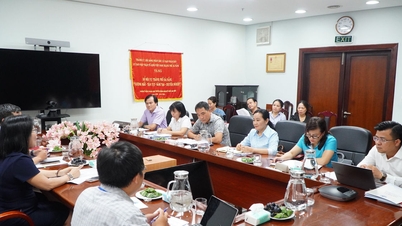
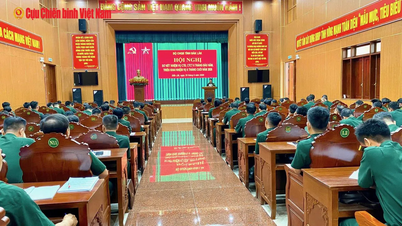
After the bell signaling the start of the morning work shift rang from the forest protection office, all officials, workers, and employees from the various departments and units settled into their seats in the meeting room, listening attentively.
Within a short time, the movement of reading newspapers in the morning before work was actively participated in, maintained, and established as a regular practice by all officials, workers, and employees in all departments and units.
Reading the morning newspaper before work was embraced by everyone, considered a political duty to stay informed about current events both domestically and internationally. Gradually, it became an indispensable "spiritual nourishment" for everyone during the workday.



Back then, newspaper printing wasn't as good as we'd hoped, and due to difficult transportation conditions, daily newspaper deliveries were often delayed. So, after receiving the newspapers, we'd quickly read them beforehand, selecting sections and important news articles that were relevant to the unit's mission, marking them to read aloud to everyone the next morning.
The newspapers were simple, the paper wasn't of good quality, and the printing and illustrations weren't very sharp, but we noticed that each page, each line of text, contained the thoughts, feelings, and aspirations of the people in the process of building and developing the country.
.jpg)
Newspaper reading sessions become even more lively if the newspaper that day features news or articles about the labor and production emulation movement, or introduces exemplary individuals, advanced models, technical innovation initiatives, skilled workers who consistently achieve high productivity and product quality, and excellent work efficiency...
Without being told, after reading the newspaper, everyone enthusiastically got back to their daily work, but during the break they didn't forget to exchange ideas and discuss animatedly, deepening their understanding of the news and articles they had just heard, so that they could learn from each other, emulate each other, and strive to excel in completing their assigned tasks.
After reading the newspapers, the administrative staff are responsible for gathering them by type and hanging them on the information board near the office entrance so that many people can read them in their free time.
Back then, there weren't many types of newspapers to read, and there were no televisions, radio systems, computers, or smartphones to follow the news on various information channels, so reading the newspaper every morning was essential.
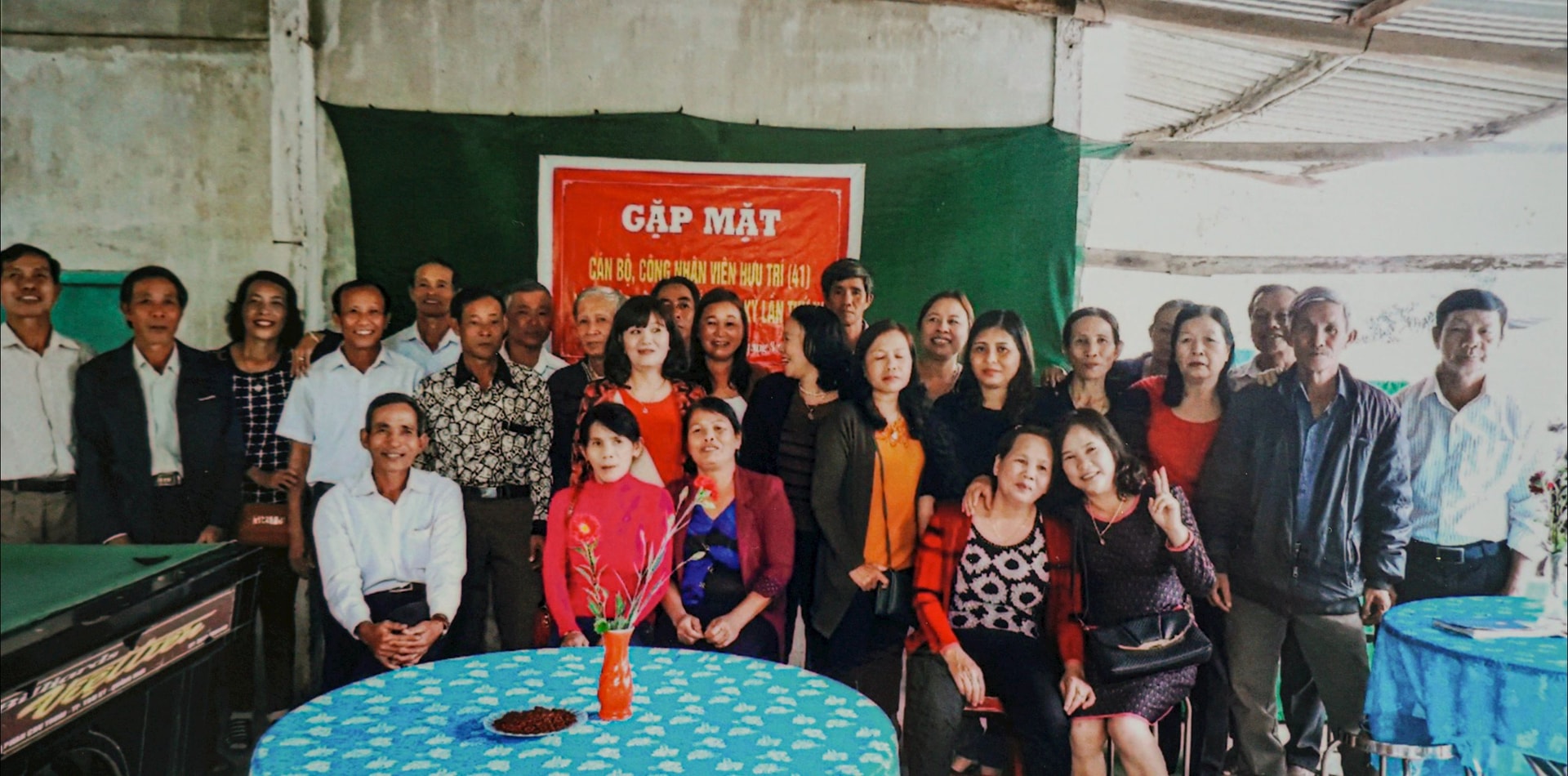
Nearly half a century has passed, but the images of those lively and responsible morning newspaper reading sessions before work are still preserved in the memory of a difficult time.



At that time, Mr. Le Ba, Director of Tra My Forestry Station, affirmed that reading newspapers in the morning before work was a positive habit, helping people update information, grasp current events, and make them alert to start the new day full of promise.
Reading newspapers not only provides information but also helps people develop critical thinking skills and broaden their social knowledge.
Source: https://baodanang.vn/nho-thoi-doc-bao-buoi-sang-3341061.html

![[Image] Ho Chi Minh City: Ma Lang area, Chicken-Rice Market about to change its appearance](https://vphoto.vietnam.vn/thumb/1200x675/vietnam/resource/IMAGE/2026/06/25/1782377698627_ndo_br_m1-jpg.webp)


![[Photo] General Secretary and President To Lam receives Palestinian Ambassador Saadi Salama](https://vphoto.vietnam.vn/thumb/1200x675/vietnam/resource/IMAGE/2026/06/25/1782365384740_a1-bnd-9423-8322-jpg.webp)
![[Image] Schools organize meetings and introduce teaching models to students admitted to grade 10.](https://vphoto.vietnam.vn/thumb/1200x675/vietnam/resource/IMAGE/2026/06/25/1782368077271_ndo_br_z7970052192242-1ec8daeb77a6eed1a4e9f58c564ddd3e-jpg.webp)