(Photo: Getty)
It's not about waiting for the match. It's about waiting for the signal. Waiting for the screen, covered in a rustling white snow, to suddenly show a figure running on the green grass. Waiting in the sense that you only know when you've sat watching, your heart pounding, your hand on the antenna to search, and then suddenly someone in the house shouts, "It's here! It's here!" and the whole family rushes to watch as if another second's delay would mean losing the signal again.
And that's the kind of memory that the generation watching football on their phones will never fully understand, no matter how many descriptions they read.
The legendary announcement from the television station, memorized by an entire generation, read: "If technical conditions permit, at ... o'clock, Vietnam Television will broadcast live the international football match between team X and team Y." It sounded like a promise. But it was also a precaution against broken promises. Many nights during Mexico '86 and Italy '90, turning on the TV only revealed a grain of salt and the gurgling sound of boiling water. Technical conditions didn't allow it. People turned off the TV and went to sleep, not necessarily feeling sad, because that uncertainty had become part of the World Cup experience in Vietnam at that time.
(Photo: Getty Images)
Back then, the signal came from the Soviet Union, via the Hoa Sen satellite station located in Kim Bang, Ha Nam. Vietnam watched by proxy, only getting access to matches broadcast by other stations. Copyright was a concept nobody knew about. For Vietnamese people at that time, the World Cup was simply something from the wider world , and if you were lucky, you got to watch it; if not, you didn't.
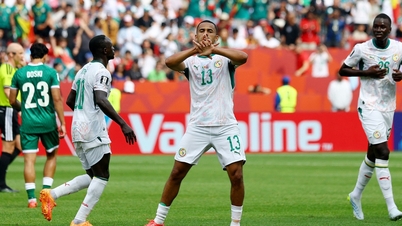
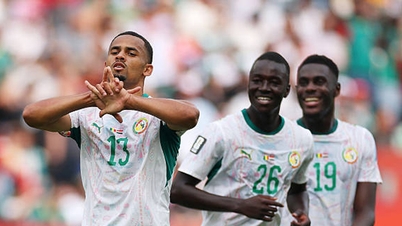
The 1994 FIFA World Cup, held in the United States , is considered the first World Cup where VTV approached broadcasting rights in a more commercialized way, with advertising sponsorship playing a crucial role. And from that tournament onwards, Vietnamese people began to get used to a new television viewing time slot, at hours when normally no one would be awake. The World Cup made millions willingly sacrifice sleep just to stay awake and share in the emotional rhythm.

(Photo: Getty Images)


I remember those sports news bulletins. Before the internet was widespread, before everyone had a phone in their pocket, news about last night's football had to wait until the next morning. Sports newspapers published special editions during the World Cup, printing results, scorecards, commentary, and sometimes even blurry black-and-white photos of legendary shots. People bought the morning newspaper not to find out anything new, because everyone already knew the results, but to reread last night's match in words, in the voice of sports reporters who stayed up until four in the morning to deliver their articles. It was a very special morning ritual of the World Cup season: drinking coffee, opening the newspaper, rereading what you had seen the night before, like watching a movie and then reading a review, but slower, more peaceful, and with the smell of printed paper.
Then came the advent of the internet, the first esports news sites appeared and changed everything. Results no longer needed to wait until morning. News was constantly updated minute by minute, every goal scored. The morning ritual with the newspaper gradually disappeared, replaced by the habit of checking the phone as soon as you woke up. Something slow and warm had gone, and people didn't even have time to notice its departure.

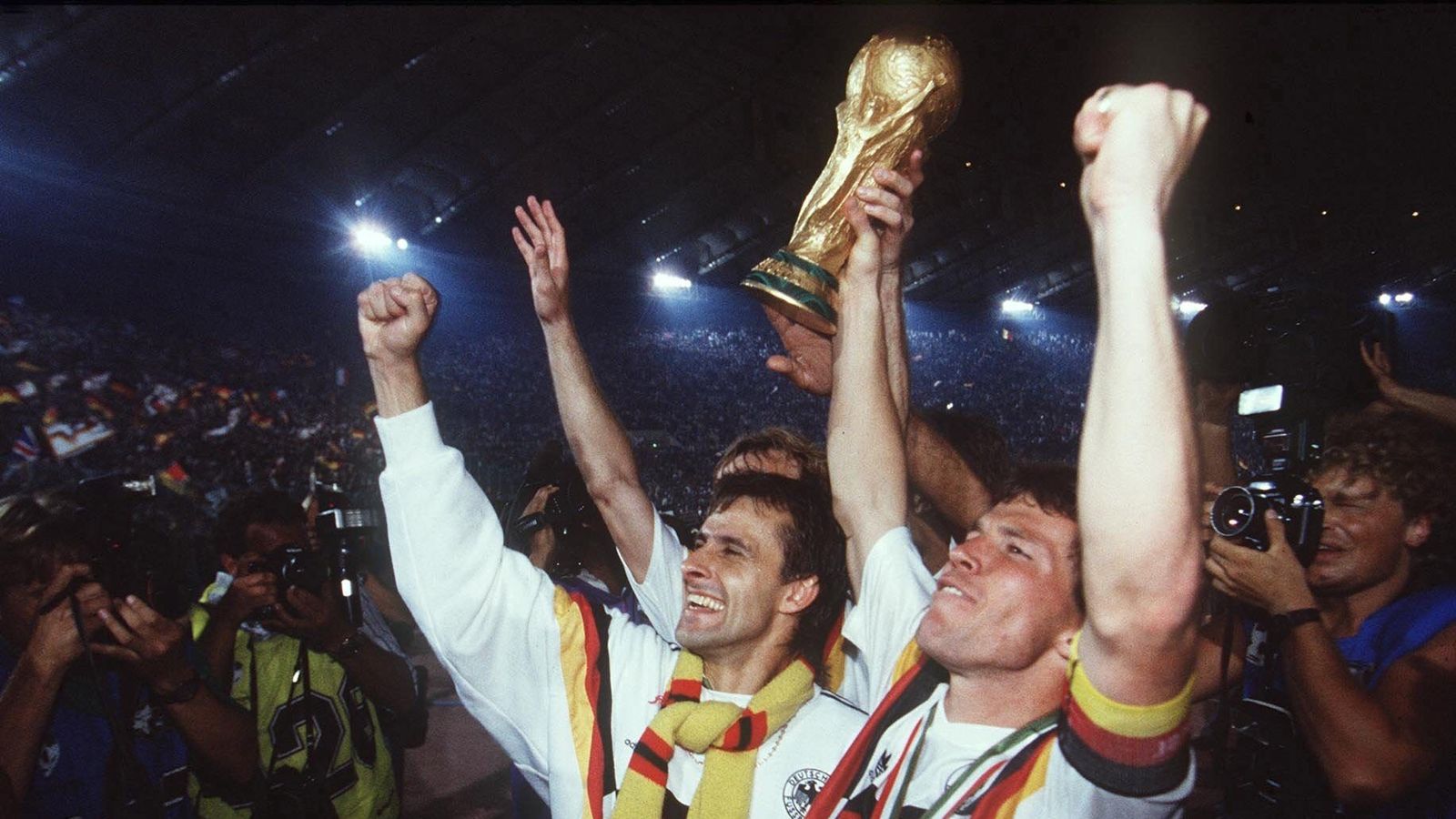
(Photo: Getty Images)
Also from those nights at USA94, something else quietly entered our memories: midnight commercials. Halftime, two in the morning, three in the morning—the quietest moments of the day—suddenly became the most expensive and effective advertising spots. Kangaroo, with its hot water dispenser and water filter commercials, aired at precisely the moment when viewers were most alert, most attentive, and had nothing to do but wait for the second half to begin. People remember Kangaroo not because of the clever commercials, but because Kangaroo was always there, every night, like an uninvited late-night friend who naturally became familiar. That's a media placement lesson no school can teach: appear when people are awake and have no reason to go to sleep.
Each World Cup brings about many changes in life. Securing the broadcasting rights for the matches is the result of a long and arduous negotiation process.
With the FIFA World Cup 2026™ fast approaching, VTV has secured the broadcasting rights early, covering all 104 matches across all platforms and screens. No more "if technical conditions permit." No more swarms of mosquitoes on the screen. No more waiting for the next morning's sports newspaper to find out who scored last night. Everything is better, more convenient, clearer, and faster.





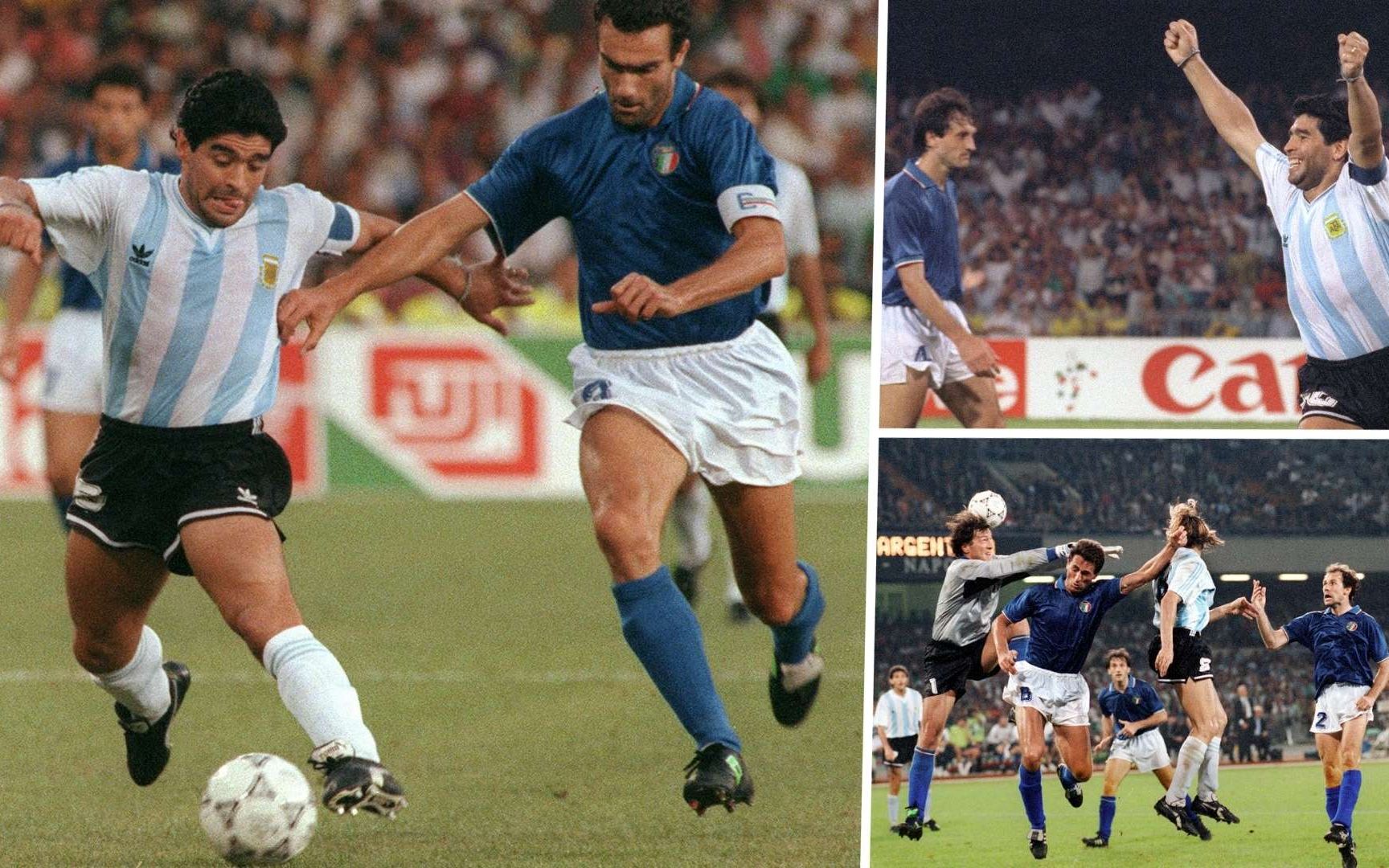
Unforgettable images of Maradona. (Photo: Getty Images)
But I still occasionally think about those nights spent watching the waves in the old days. Not out of romantic nostalgia. But because in that uncertainty, that scarcity, that waiting, and that uncertainty of whether it would work out, people experienced something much more real than just a football match. They sat and waited together. Sometimes, the waiting itself was more memorable than what people were waiting for.
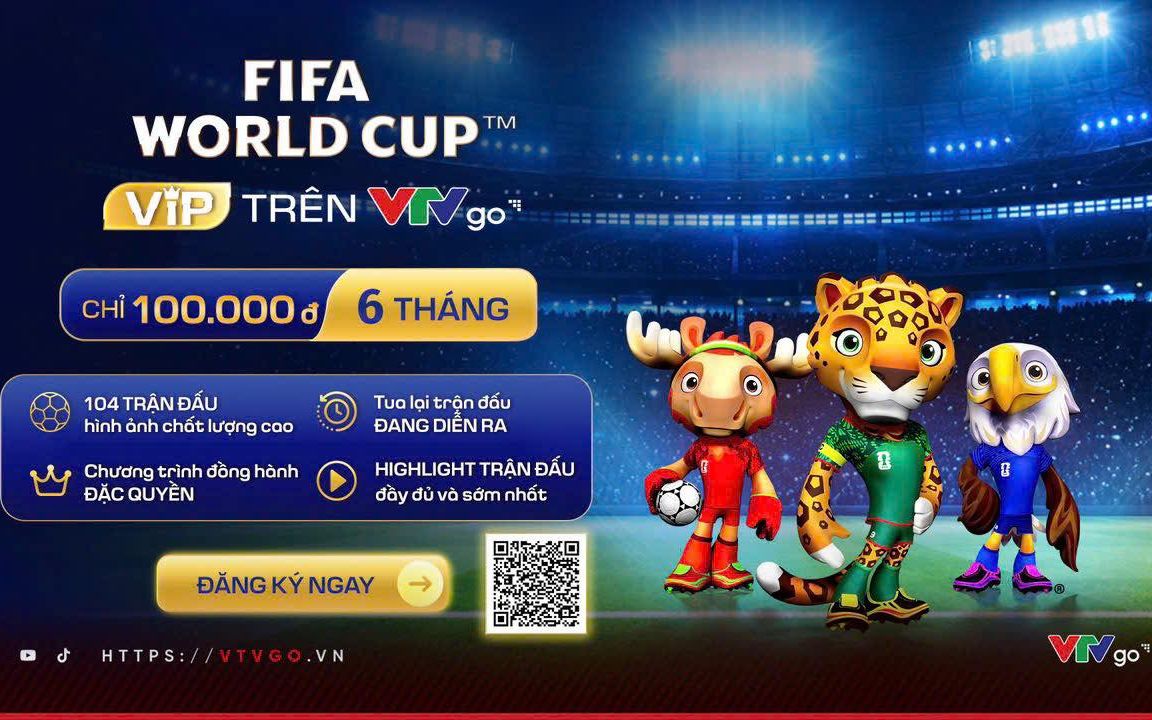 Experience the full FIFA World Cup 2026™ football summer with VTVgo.
Source: https://vtv.vn/nhung-ky-uc-4-nam-mot-lan-100260602105921783.htm