

Many men have misconceptions about vasectomy, such as it being painful, difficult to recover from, and causing decreased libido.
Vasectomy is a sterilization procedure for men. It is also one of the forms of permanent contraception. However, many people still don't fully understand this method.
Invasive procedures, painful, and difficult to recover from.
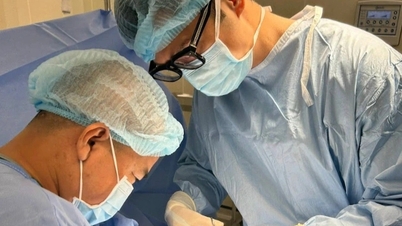
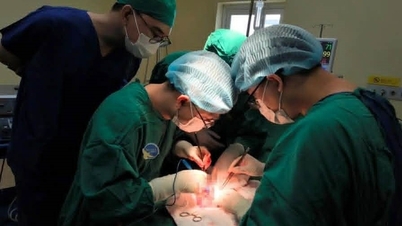
A urologist will make a small incision in the skin during a vasectomy, but this incision is very small. The entire procedure is quick and usually only lasts about 15 minutes. During the procedure, men will not feel pain, only a slight tingling sensation as the doctor uses a small injection to numb the area. They may feel a slight discomfort, like a pulling or tugging sensation. Severe pain is extremely rare. Localized pain may occur for a few days after the procedure. However, discomfort during recovery can be easily managed with over-the-counter pain medication and ice packs.
The recovery process doesn't take long; men only need two days of rest at home. Those who do a lot of manual labor should rest more or do light work for a few days.

Vasectomy enhances male sexual performance because it eliminates the fear of unwanted pregnancy. (Image: Freepik)
Permanent damage to the genitals.
This procedure targets only the vas deferens and does not involve any other reproductive organs or tissues. Only in extremely rare cases, damage to the blood supply during the procedure, can lead to testicular loss. That is why men should seek the services of a urologist at a reputable hospital to ensure safety.
Sperm will accumulate in the body.
Vasectomy prevents sperm from being released into semen. However, sperm that don't become part of semen won't float around in the body forever. After a vasectomy, the body continues to produce sperm, but those that aren't released are reabsorbed. This happens even if a man hasn't undergone a vasectomy. Therefore, sperm never accumulates in the body.
Causes serious side effects.
Side effects of vasectomy are rare. Many people worry about developing cancer, particularly prostate cancer, after the procedure. However, no link has been proven between this procedure and an increased risk of cancer or heart disease. Researchers confirm that post-surgical complications are also very rare.
Impact on sexual relationships
The only thing a vasectomy does is prevent a man's body from releasing sperm. Testosterone, a hormone that controls male libido, remains unchanged. Therefore, the procedure does not affect libido, erections, or sexual performance. In fact, researchers suggest that sex may even improve after a vasectomy because men no longer need to worry about unwanted pregnancies.
It does not prevent all pregnancies.
Vasectomy is 99.85% effective. However, it can take up to 20 ejaculations over several weeks to remove sperm from the vas deferens after the procedure. A urologist will check the man's semen until no sperm is found. Therefore, until all sperm is removed from the vas deferens, men should use backup contraception such as condoms. Vasectomy failure occurs when the patient has unprotected sex before the urologist confirms that their semen is sperm-free.
Vasectomy is a permanent procedure.
A vas deferens that has been tied can still be untied, but this procedure is very expensive and complex. It is performed to allow sperm to flow back into the semen, helping the man to father children again. However, untying the vas deferens is not always successful, and the success rate decreases over time. Therefore, men need to think carefully before undergoing the procedure.
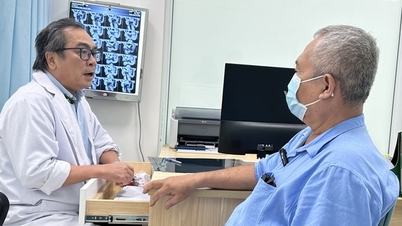
Given these misconceptions, men need to thoroughly research and talk to their doctor to have all their questions about vasectomy procedures answered.
As per the Mayo Clinic, Urology
Source link




![[Image] National Assembly discusses the implementation of the socio-economic development plan.](https://vphoto.vietnam.vn/thumb/1200x675/vietnam/resource/IMAGE/2026/04/20/1776696707422_ndo_br_img-20260420-185419-jpg.webp)
![[Photo] General Secretary and President To Lam meets with National Assembly delegates from ethnic minorities.](https://vphoto.vietnam.vn/thumb/1200x675/vietnam/resource/IMAGE/2026/04/20/1776696701056_a1-bnd-8331-3342-jpg.webp)


























































































Comment (0)