

Updates can be frustrating, sometimes consuming a lot of network data and taking a long time to fully install, especially if it's a major update. But knowing the issues below, iPhone users can understand why updating is a good idea.
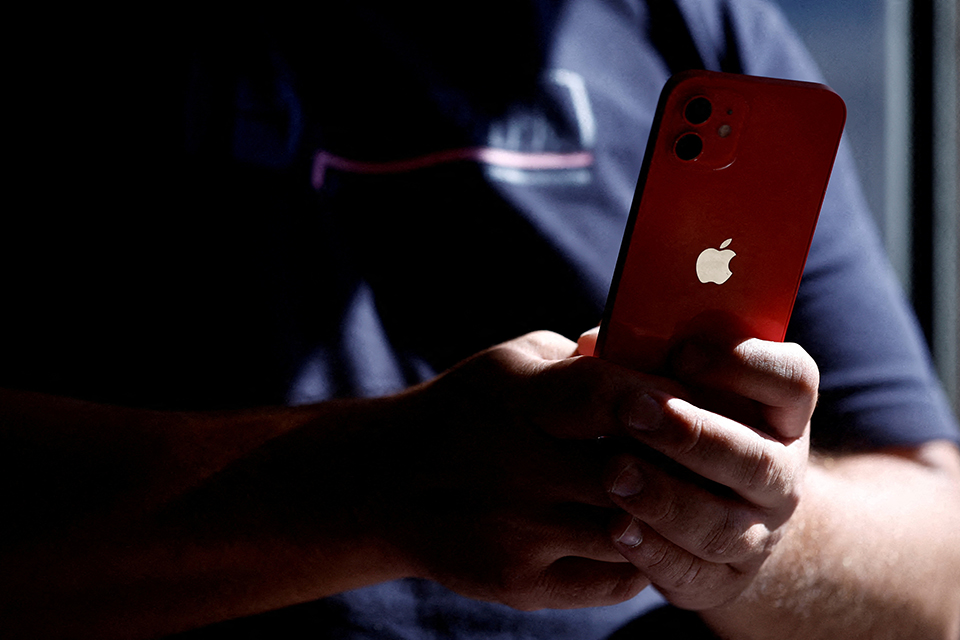
Updating the operating system will bring many benefits to the iPhone.
Fix security vulnerabilities.
Cyber threats are constantly evolving and becoming more sophisticated, so updates help patch security vulnerabilities that Apple has discovered. Without patches, such vulnerabilities could allow cybercriminals to launch malware, steal confidential information, corrupt data, or even take control of the phone.
The update also brings improvements to existing iPhone security features, making them more robust against threats, even if it requires changing some additional settings. Additionally, through these updates, Apple regularly updates security protocols for app permissions. This ensures that iOS apps remain within limits when accessing and processing user data.
Failing to update your iPhone leaves your device and data vulnerable and prevents you from taking advantage of the latest features and security enhancements.
Access the latest features.
Updating your iPhone allows users to access the latest features, apps, and improvements that Apple has introduced in the new version of iOS. These features are often aimed at enhancing productivity and the overall user experience of the iPhone.
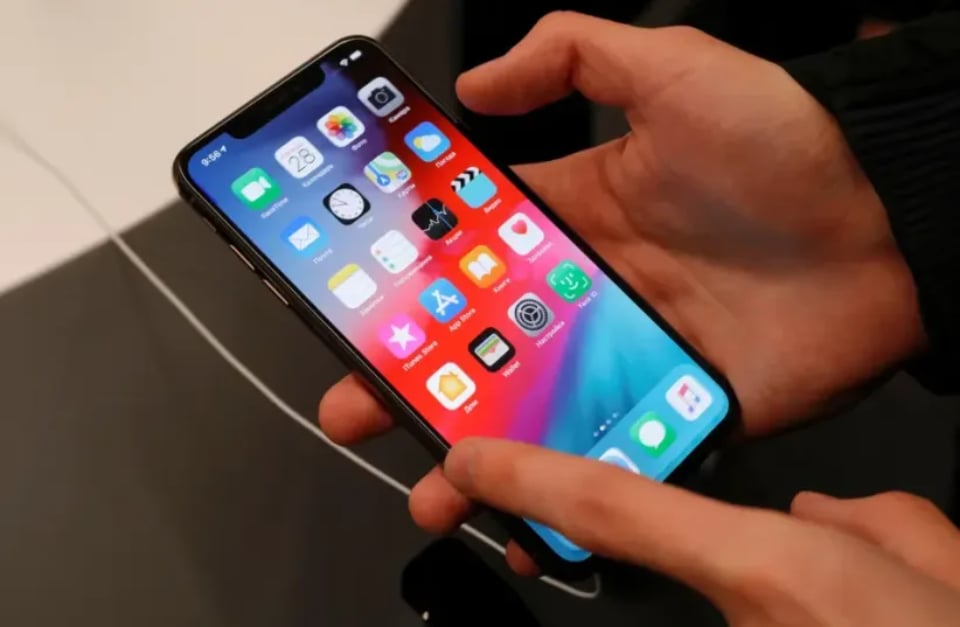
Updates may contain many new features.
They also bring improvements to existing services; for example, the Camera and Photos apps are regularly updated to improve shooting quality and editing capabilities. Similarly, the Messages app receives regular updates to enhance messaging and communication. Furthermore, users gain access to new features and are ensured seamless connectivity with other products in the Apple ecosystem.
Fix bugs and avoid incompatibilities.
Although iOS is meticulously designed, even the most carefully crafted software can have imperfections, especially for an operating system. These can lead to unexpected problems, incompatibilities with certain apps or services, or even slow down the iPhone. Apple regularly addresses these issues through updates to ensure smooth iPhone operation.
Furthermore, updates also address compatibility issues with apps and services. With each update, app developers also make adjustments to their apps to take advantage of the changes in iOS and comply with the latest security measures. Not updating the iPhone but only updating the apps can lead to compatibility issues and the apps not working as expected.
Improve performance
Updates often bring small, seemingly unnoticeable tweaks and improvements that enhance device performance. These aim to improve iOS efficiency, resulting in faster app launches, better battery life, and smoother system interaction. These performance enhancements ensure iPhones remain capable of handling the growing demands of apps and new features, maintaining a smooth and seamless user experience over time.
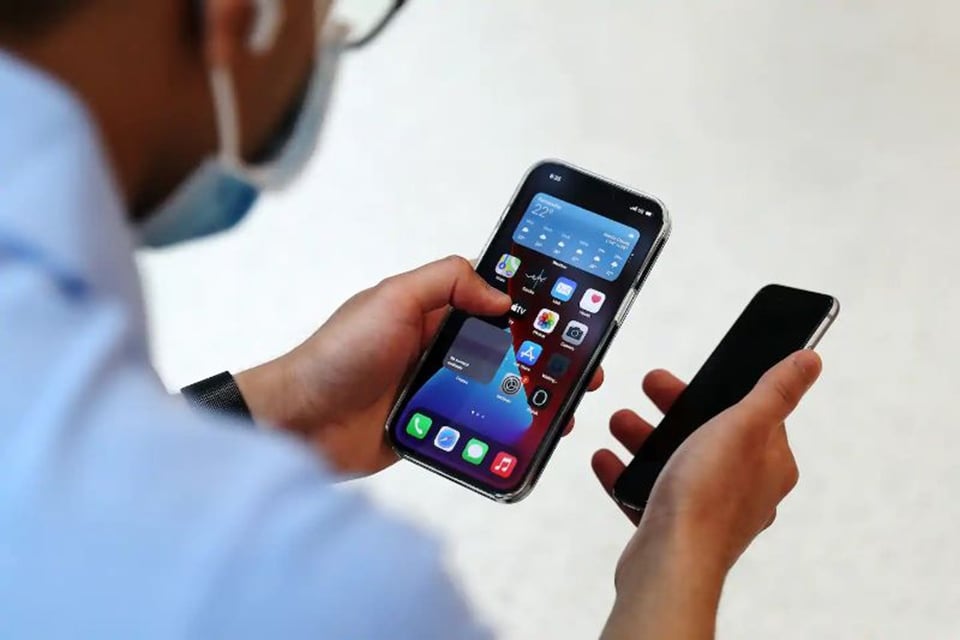
Apple had to pay compensation for its practice of throttling iPhone performance without prior notice.
Updates can modify how apps run in the background, how often they refresh, and how system resources are allocated, optimizing performance to improve iPhone battery life.
Improving performance isn't just about making apps faster or extending battery life; it's also related to the device's lifespan. Software updates help reduce wear and tear on hardware components like chips, extending the iPhone's lifespan and delaying the need for a phone upgrade.
Source link





































































































Comment (0)