

Được Thủ tướng Chính phủ phê duyệt cuối năm 2023, Đề án 1 triệu ha lúa chất lượng cao có ý nghĩa quan trọng trong định hướng chuyển đổi phương thức canh tác lúa bền vững ở ĐBSCL nhằm gia tăng giá trị hạt gạo, nâng cao thu nhập và đời sống cho người nông dân, thích ứng với biến đổi khí hậu và giảm phát thải khí nhà kính...
Ngay sau Hội nghị Thủ tướng đối thoại với Nông dân Việt Nam năm 2023, các bộ, ngành, cơ quan Trung ương và địa phương đã chủ động, tích cực triển khai đồng bộ các nhiệm vụ, giải pháp, rà soát, tham mưu sửa đổi, bổ sung các cơ chế, chính sách tháo gỡ khó khăn, vướng mắc; tạo điều kiện, nguồn lực, môi trường thuận lợi, khuyến khích đầu tư, hỗ trợ nông dân phát huy vai trò chủ thể, trung tâm trong phát triển nông nghiệp, kinh tế nông thôn, xây dựng nông thôn mới xanh, bền vững sản xuất kinh doanh.
Trong đó, Bộ NNPTNT đã triển khai thực hiện có hiệu quả Đề án "Phát triển bền vững một triệu ha chuyên canh lúa chất lượng cao và phát thải thấp gắn tăng trưởng xanh vùng Đồng bằng sông Cửu Long đến năm 2030" (gọi tắt là đề án 1 triệu ha lúa).
Đáng nói, Việt Nam là quốc gia đầu tiên trên thế giới thực hiện Chương trình sản xuất lúa giảm phát thải trên quy mô lớn, vì vậy đã nhận được rất nhiều sự quan tâm của các đối tác quốc tế. Các mô hình thí điểm đã đạt những kết quả rất tích cực, tạo sự khích lệ rất lớn đối với nông dân và doanh nghiệp.
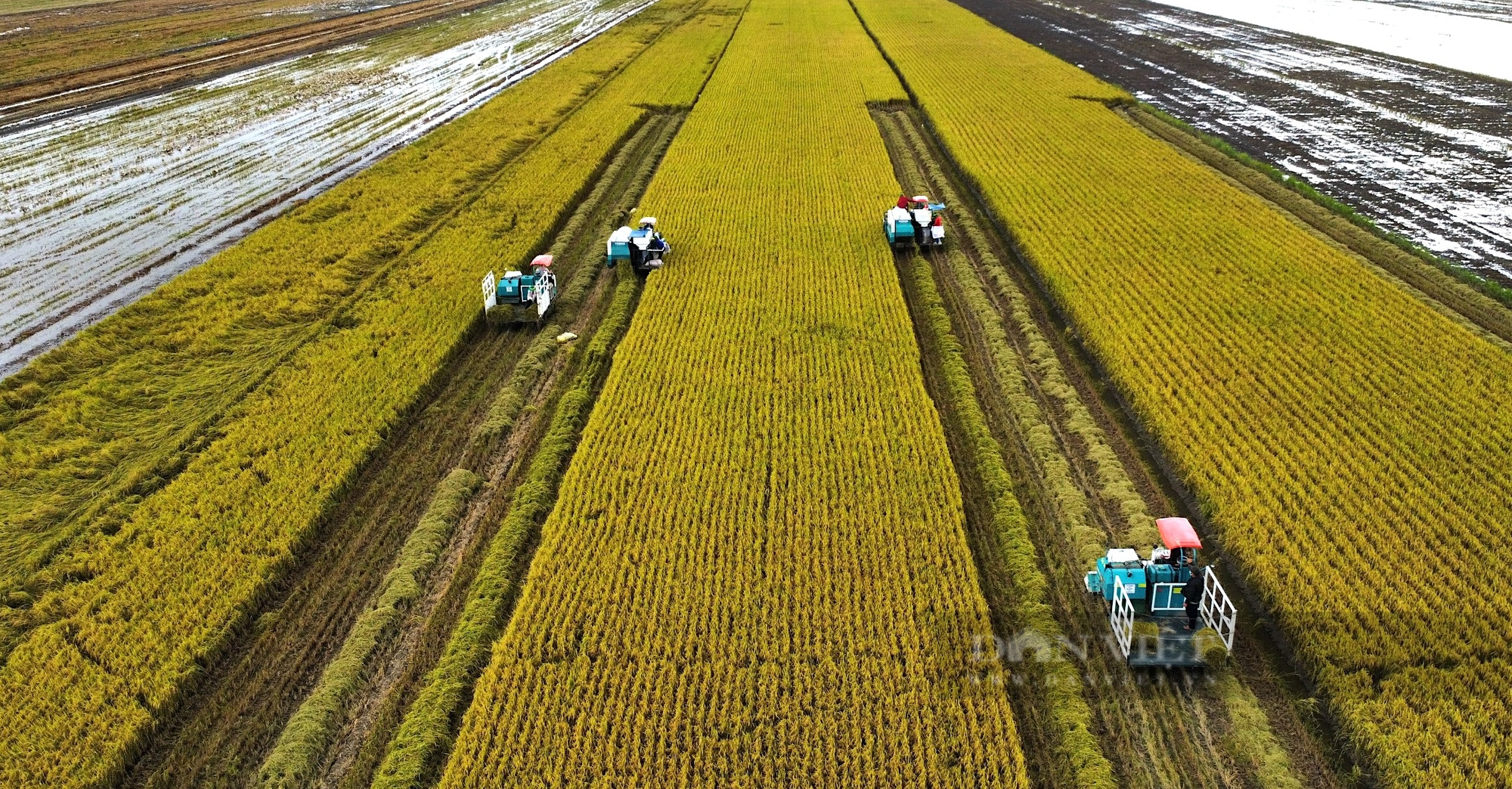
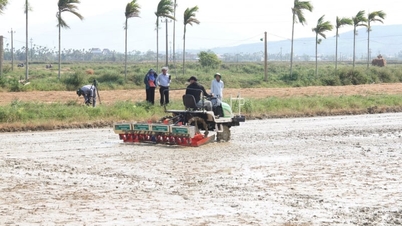
Mô hình trồng lúa giảm phát thải được triển khai thí điểm trên tổng diện tích 50ha tại Hợp tác xã Tiến Thuận (xã Thạnh An, huyện Vĩnh Thạnh, TP.Cần Thơ) trong vụ hè thu 2024. Ảnh: Huỳnh Xây
Niềm hứng khởi, khí thế sản xuất mới từ vùng trồng lúa lớn nhất cả nước
Theo báo cáo của Bộ NNPTNT, đến nay, Bộ đã thành lập Ban chỉ đạo Đề án, do Bộ trưởng Bộ NNPTNT là Trưởng ban, 1 đồng chí Thứ trưởng là Phó Trưởng Ban chỉ đạo; 5 tổ công tác và các thành viên là đại diện các Bộ, ngành, Ngân hàng Thế giới (WB) và lãnh đạo 12 tỉnh Đồng bằng sông Cửu Long.
Bên cạnh đó, Bộ NNPTNT cũng đã ban hành Kế hoạch và tổ chức Hội nghị triển khai Đề án; tổ chức Lễ khởi động cánh đồng 1 triệu ha lúa chuyên canh chất lượng cao, phát thải thấp; đã ban hành hướng dẫn tiêu chí khuyến khích tham gia Đề án; Kế hoạch nâng cao năng lực cho các đối tác tham gia Đề án.
Có thể nói, sau gần 1 năm Thủ tướng phê duyệt, các văn bản pháp lý cho đến quy trình kỹ thuật, hướng dẫn thực hiện Đề án 1 triệu ha lúa đã được ban hành tương đối đầy đủ. Bộ NNPTNT cũng đã tổ chức nhiều cuộc họp, hội thảo xin ý kiến quy trình đo đếm, báo cáo, thẩm định phát thải MRV; xây dựng dự thảo Nghị định cơ chế thí điểm chi trả kết quả giảm phát thải và quản lý tài chính thỏa thuận chi trả kết quả giảm phát thải khí nhà kính; xây dựng Dự án vốn vay WB hỗ trợ thực hiện Đề án; hợp tác đa phương với các tổ chức quốc tế và quỹ tham gia thực hiện đề án (FAO, UNDP, WWF, WB, ADB, GEF,...).
Đáng chú ý, để có nguồn lực thực hiện Đề án, ngay từ cuối năm 2023, Bộ NN&PTNT đã đề xuất dự án "Hỗ trợ hạ tầng và kỹ thuật cho lúa chất lượng cao và phát thải thấp vùng ĐBSCL" vay vốn Ngân hàng Thế giới, với trị giá 430 triệu USD, trong đó 330 triệu USD vốn vay và 100 triệu USD vốn đối ứng, tập trung cho giai đoạn 2026-2027.
Ngoài các nguồn vốn hỗ trợ trực tiếp, Ngân hàng Nhà nước Việt Nam đã phối hợp chặt chẽ với Bộ NNPTNT, các đơn vị có liên quan tổ chức nhiều cuộc họp, thảo luận và hoàn thành dự thảo Chương trình tín dụng cho vay liên kết hỗ trợ cho các doanh nghiệp, hợp tác xã trình Chính phủ xin ý kiến chỉ đạo.
Nói về kết quả sau gần 1 năm thực hiện Đề án, ông Trần Thanh Nam - Thứ trưởng Bộ NNPTNT cho biết: Đã có 7 mô hình thí điểm được triển khai ở 5 tỉnh, thành phố gồm: Cần Thơ, Đồng Tháp, Kiên Giang, Trà Vinh, Sóc Trăng. Hiện hầu hết các mô hình thí điểm vụ hè thu năm 2024 đã thu hoạch, kết quả đạt rất tích cực.
Cụ thể, giảm chi phí từ 20-30% (giảm trên 50% lượng giống, giảm trên 30% lượng phân bón đạm, giảm 2-3 lần phun thuốc bảo vệ thực vật, giảm khoảng 30-40% lượng nước tưới); tăng năng suất 10% (năng suất trong mô hình đạt 6,3-6,6 tấn/ha so với đối chứng đạt 5,7-6 tấn/ha).
Qua đó, mô hình tăng thu nhập cho nông dân thêm 20-25% (lợi nhuận tăng thêm từ 4-7,6 triệu đồng/ha so với đối chứng), giảm trung bình 3-5 tấn CO2 tương đương trên 1 ha. Tất cả sản lượng lúa thu hoạch đều được các doanh nghiệp đăng ký bao tiêu với giá mua cao hơn 200-300 đồng/kg thóc.
Vừa thu hoạch xong 2ha lúa trồng theo mô hình thí điểm của Đề án, nông dân Quách Văn Út, thành viên Hợp tác xã nông nghiệp Phát Tài (xã Thanh Mỹ, huyện Châu Thành, tỉnh Trà Vinh) rất phấn khởi khi năng suất vụ lúa này đạt tới 7 tấn/ha, cao hơn vụ hè thu năm trước khoảng 1 tấn/ha. Trong khi đó, chi phí giống, phân bón và thuốc bảo vệ thực vật giảm đáng kể nên ông thu được lợi nhuận khá. Với giá bán 8.500 đồng/kg lúa thương phẩm, gia đình ông đạt lợi nhuận trên 45 triệu đồng/ha, cao hơn lợi nhuận vụ cùng kỳ năm trước trên 5 triệu đồng/ha.
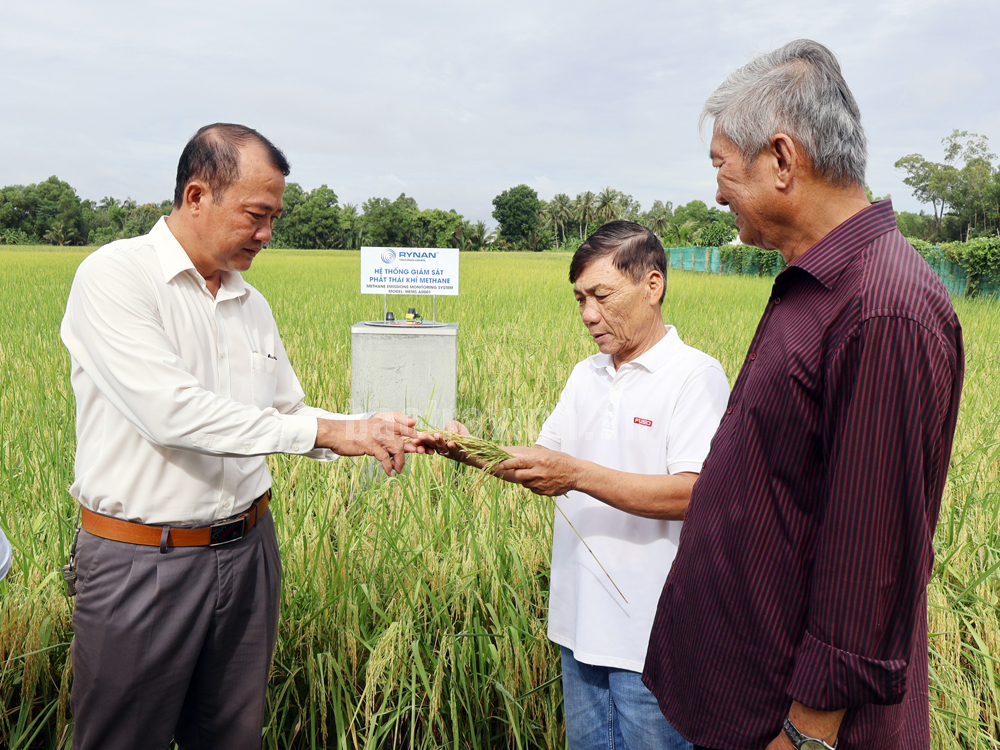
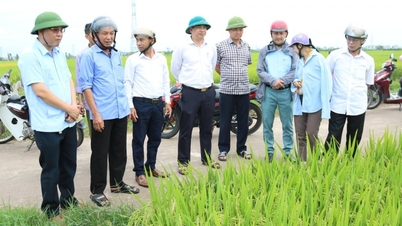
Ông Lê Văn Đông (bìa trái), Phó Giám đốc Sở NNPTNT tỉnh Trà Vinh và thành viên HTX nông nghiệp Phước Hảo khảo sát, đánh giá trà lúa hè thu sản xuất theo Đề án 1 triệu ha lúa. Ảnh: baotravinh
HTX Nông nghiệp Phát Tài và HTX Nông nghiệp Phước Hảo là 2 trong số 7 đơn vị được Bộ NN&PTNT chọn triển khai mô hình thí điểm Đề án 1 triệu ha lúa tại tỉnh Trà Vinh.
Được đi tham quan thực tế 2 mô hình trồng lúa theo Đề án, ông Kiên Tâm, thành viên HTX Việt Thành, xã Hòa Ân, huyện Cầu Kè (Trà Vinh) rất phấn khởi, hứng thú trước những lợi ích lớn rõ rệt mà các mô hình thu được. Ông Tâm cho rằng, vụ lúa hè thu vừa qua, sản xuất lúa tại HTX Việt Thành lợi nhuận khoảng 23 - 25 triệu đồng/ha. Với quy trình canh tác mẫu từ 2 HTX trong Đề án, nếu các thành viên HTX Việt Thành (172ha/211 thành viên) áp dụng vào sản xuất vụ thu đông năm 2024, thì giá trị sản xuất tăng thêm sẽ rất lớn (6 - 7 triệu đồng/ha). Chưa kể, việc ứng dụng các tiến bộ kỹ thuật như mô hình sẽ giúp nông dân, thành viên HTX bảo vệ môi trường thông qua việc giảm khí phát thải nhà kính...
Ông Lê Văn Đông, Phó Giám đốc Sở NNPTNT Trà Vinh cho biết: Tỉnh đăng ký sản xuất lúa vụ thu đông theo Đề án là hơn 800ha. Như vậy, với quy trình canh tác theo Đề án, sẽ giúp các thành viên HTX và nông dân có giá trị gia tăng thêm trên 5 tỷ đồng nhờ tiết kiệm chi phí sản xuất, như lượng giống giảm từ 90 - 100kg/ha so với sản xuất truyền thống; số lần phun thuốc chỉ còn 2 lần/vụ, lượng phân hóa học giảm khoảng 30%...
Đại diện một trong những đơn vị tham gia mô hình thí điểm tại HTX Tiến Thuận (TP.Cần Thơ), ông Phan Văn Tâm - Phó Tổng giám đốc Công ty Cổ phần Phân bón Bình Điền cho biết, mô hình sử dụng chi phí đầu vào rất thấp nên nông dân có thêm nhiều lợi nhuận. Đặc biệt, giảm phát thải khí nhà kính rất lớn nhờ đem rơm ra khỏi ruộng, vùi phân kết hợp tưới nước ngập khô xen kẽ.
Để nhân rộng mô hình ra quy mô lớn, ông Tâm đề nghị các cơ quan truyền thông đẩy mạnh thông tin để bà con được biết thông tin chuẩn, để từ đó nông dân ủng hộ, đồng lòng làm theo. "Hiện nay, kỹ thuật canh tác đã cơ bản hoàn chỉnh, chỉ cần nông dân đồng lòng thì mô hình sẽ triển khai được thuận tiện hơn. Kế tiếp là sự tham gia mạnh mẽ của khối doanh nghiệp đủ sức, đủ lớn để đề án đi nhanh và bền vững" - ông Tâm nói thêm.
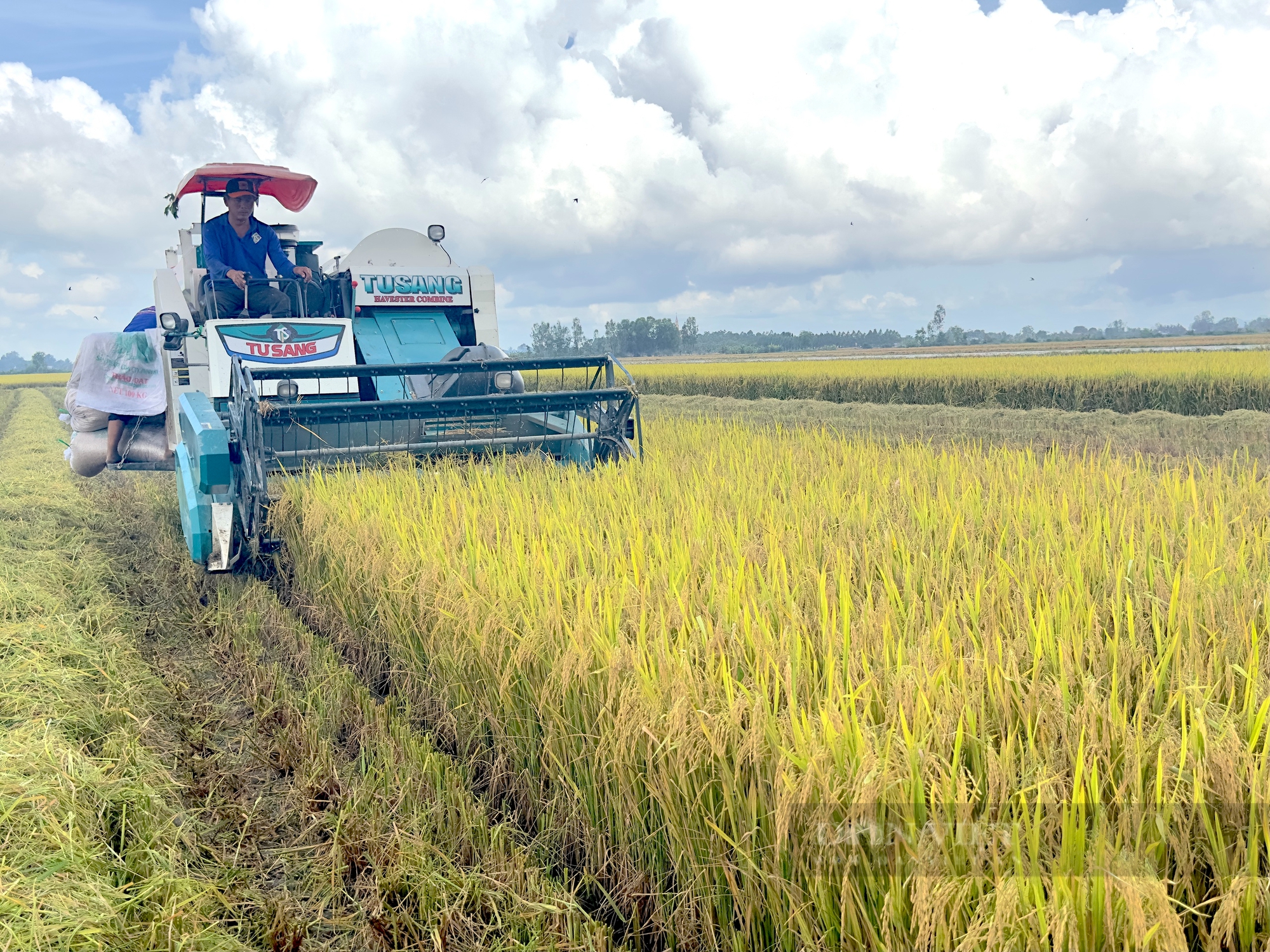
Mô hình trồng lúa giảm phát thải tại Hợp tác xã Tiến Thuận (Cần Thơ) sử dụng giống lúa xác nhận, sạ hàng bằng máy kết hợp vùi phân, tưới nước ướt khô xen kẽ, bón phân theo vùng chuyên biệt (SSNM), quản lý dịch hại tổng hợp (IPM), thu hoạch bằng máy, thu gom rơm ra khỏi đồng làm nấm rơm hoặc làm phân bón hữu cơ. Vụ hè thu, năng suất lúa đạt từ 6,3 - 6,5 tấn/ha, giúp giảm phát thải từ 2-6 tấn CO2e/ha so với ruộng đối chứng. Ảnh: Huỳnh Xây
Với kết quả bước đầu khả quan của các mô hình thí điểm, với sự phấn khởi và đồng tình ủng hộ của nhiều hộ nông dân, HTX trồng lúa trong khu vực, Bộ NNPTNT đã thống nhất chủ trương với các địa phương tiếp tục nhân rộng các mô hình canh tác lúa bền vững, giảm phát thải trên toàn bộ 12 tỉnh ĐBSCL và áp dụng ngay trong vụ thu đông 2024 và đông xuân 2024-2025.
Cùng với đó, Bộ NNPTNT đã ban hành Kế hoạch nâng cao năng lực cho các đối tác, với khoảng 620 HTX nông nghiệp phát triển liên kết chuỗi giá trị và gần 200.000 hộ nông dân trong vùng thực hiện Đề án.
Lập Quỹ hỗ trợ thực hiện Đề án 1 triệu ha lúa
Bên cạnh những kết quả khả quan đã đạt được, Bộ NNPTNT cũng đã báo cáo Thủ tướng Chính phủ về một số nội dung để tháo gỡ các khó khăn, vướng mắc của Đề án. Do Việt Nam là quốc gia đầu tiên thực hiện Chương trình sản xuất lúa giảm phát thải trên quy mô lớn, vì vậy các hoạt động, nội dung đều mới, chưa có tiền lệ để tham khảo về cơ chế chính sách, phương pháp triển khai, cách thức tổ chức và huy động nguồn lực. Còn có những ý kiến khác nhau về sự cần thiết và hiệu quả của Đề án, nhiều hộ nông dân chưa mặn mà tham gia Đề án...
Tại Hội nghị bàn giải pháp thúc đẩy triển khai Đề án 1 triệu ha lúa tổ chức chiều ngày 15/10 mới đây tại Cần Thơ, Bộ trưởng Bộ NNPTNT Lê Minh Hoan cho biết, mục tiêu cuối cùng của đề án là giúp người dân giảm chi phí đầu vào, tăng thu nhập khi thu hoạch và giảm phát thải khí nhà kính. Tuy nhiên, để đạt được kết quả này phải rất lâu dài.
Ngoài sự hỗ trợ của các bộ ngành Trung ương, tác động từ các chính sách, theo ông Hoan, rất cần sự chủ động hơn nữa của các địa phương vùng ĐBSCL. Ông Hoan cũng cho biết, Đề án 1 triệu ha lúa đang triển khai là khởi đầu để sau này thực hiện các đề án giảm phát thải ở các lĩnh vực khác của ngành nông nghiệp.
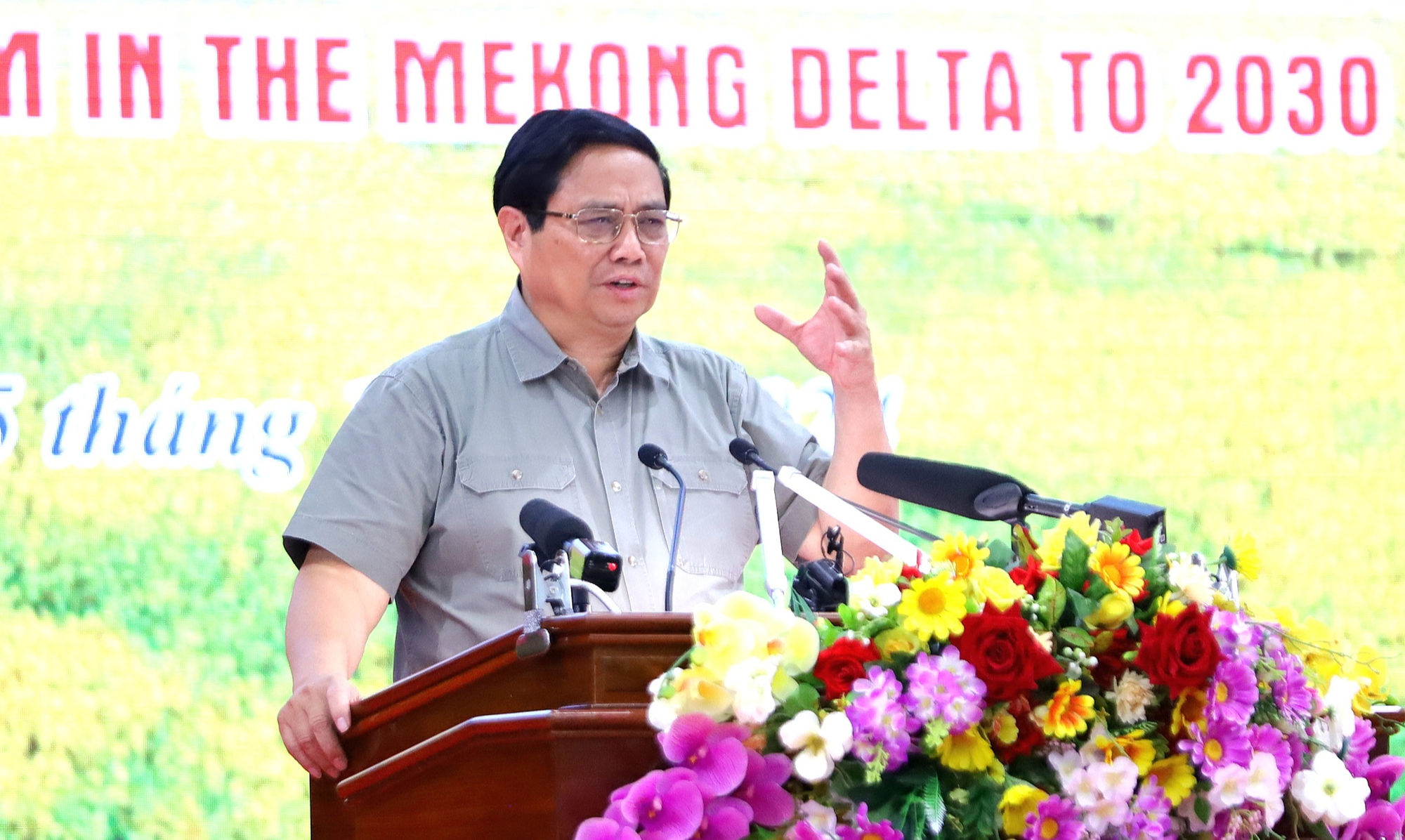
Chủ trì Hội nghị triển khai Đề án 1 triệu ha lúa tại Cần Thơ hôm 15/10, Thủ tướng Chính phủ Phạm Minh Chính nhấn mạnh chúng ta phải "thổi hồn", thổi sức sống mới vào ngành nông nghiệp, ngành lúa gạo tại ĐBSCL, vùng sản xuất nông nghiệp lớn nhất của đất nước. Ảnh: Huỳnh Xây
Chủ trì Hội nghị này, Thủ tướng Chính phủ Phạm Minh Chính đã ghi nhận sự nỗ lực của Bộ NNPTNT cùng 12 địa phương vùng ĐBSCL triển khai Đề án và đạt được một số kết quả bước đầu. Thủ tướng nhấn mạnh, đây là Đề án hết sức ý nghĩa với người nông dân vùng ĐBSCL, với ngành hàng lúa gạo và với nhiệm vụ ứng phó biến đổi khí hậu, hướng tới mục tiêu an toàn trước thiên tai, giảm phát thải khí nhà kính, đưa mức phát thải ròng về "0" theo đúng cam kết của Việt Nam tại Hội nghị COP26.
Thủ tướng Phạm Minh Chính chỉ đạo lập Quỹ hỗ trợ 1 triệu ha lúa để có ngay ngân sách cho năm 2025. Trong đó, bao gồm vốn nhà nước, vốn bán tín chỉ carbon, vốn hỗ trợ của các đối tác, vốn xã hội hóa.... Mục đích lập quỹ là để có nguồn vốn sử dụng nhanh, khỏi phải qua nhiều thủ tục.
Về quy hoạch, Bộ NNPTNT, Bộ TNMT, Bộ KHĐT và các địa phương phải nghiên cứu sao cho vùng nguyên liệu mang tính lâu dài và ổn định. Trong quá trình thực hiện, phải huy động cả hệ thống chính trị cùng tham gia, đưa khoa học công nghệ vào vùng nguyên liệu, để tạo ra hạt gạo đạt phân khúc chất lượng cao, tiến tới thương hiệu nổi tiếng thế giới.
"Đề án 1 triệu ha lúa chất lượng cao, trên tinh thần đã nói là phải làm, đã làm là phải ra kết quả..." - Thủ tướng Chính phủ Phạm Minh Chính nhấn mạnh.
Theo số liệu của Bộ NNPTNT, Việt Nam sản xuất hàng năm khoảng 43 - 45 triệu tấn lúa, tương đương 26 - 28 triệu tấn gạo. Trong đó, ĐBSCL là vựa lúa chủ lực của Việt Nam với sản lượng lúa những năm gần đây ổn định khoảng 24 - 25 triệu tấn, chiếm trên 50% sản lượng lúa sản xuất và đóng góp trên 90% sản lượng gạo xuất khẩu của cả nước.
Trong năm 2023, ngoài việc đáp ứng nhu cầu tiêu dùng nội địa, nước ta đã xuất khẩu được 8,1 triệu tấn gạo, thu về 4,6 tỷ USD.
Nguồn: https://danviet.vn/nhung-doi-thay-sau-hoi-nghi-thu-tuong-doi-thoai-voi-nong-dan-2023-niem-vui-tu-de-an-1-trieu-ha-lua-bai-3-20241027011237758.htm


![[Image] Shipbuilders exposed to steel and record-breaking heat.](https://vphoto.vietnam.vn/thumb/1200x675/vietnam/resource/IMAGE/2026/06/04/1780545781745_ndo_br_img-5402-4683-jpg.webp)




































![[Video] Sunset at Lap An Lagoon – Where the sun sets over the fishing nets](https://vphoto.vietnam.vn/thumb/1200x675/vietnam/resource/IMAGE/2026/05/31/1780192137701_beach-landscape-sea-water-nature-grass-745871-pxhere-com.jpeg)



























Comment (0)