

2025 presents a multifaceted landscape of technology, where winning products and trends stem not only from revolutionary breakthroughs but also from innovations that meet user needs. Engadget 's list of "winners" shows technology returning to its core values: better hardware, more convenient experiences, although AI remains a unifying theme.
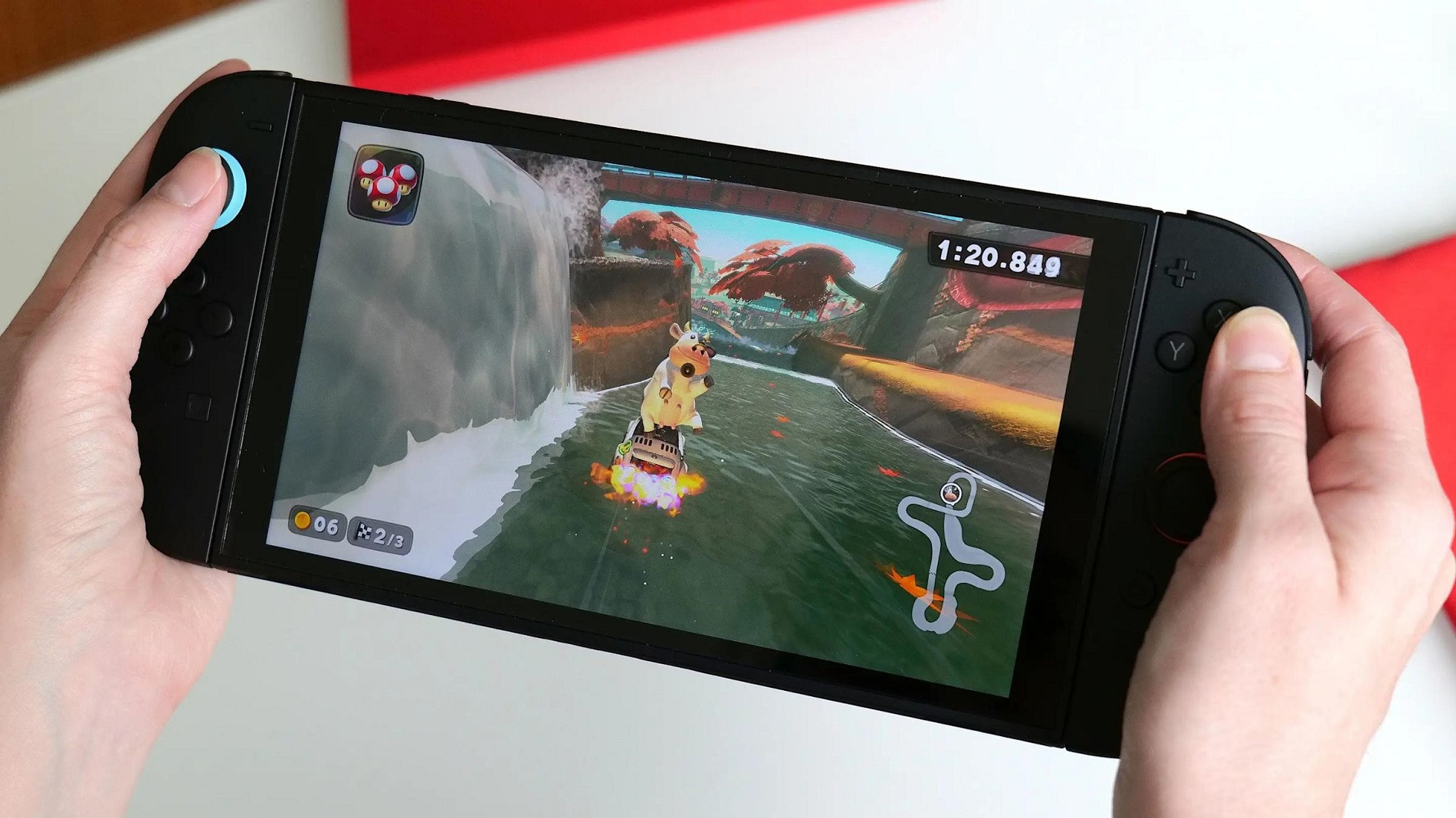
The Nintendo Switch 2 is a prime example of the "evolution, not revolution" strategy. The Japanese electronics company retained almost everything that made the first Switch a success, while upgrading the design, performance, and screen. More durable magnetic Joy-Con controllers, a larger 1080p HDR LCD screen, stronger performance, and increased base storage capacity were enough to convince users. More importantly, the Switch 2 is compatible with most of the older game library, while new blockbusters like Donkey Kong Bananza, Metroid Prime 4, and strong third-party support helped the system exceed Nintendo's own sales expectations.

If the Switch 2 represents success in the entertainment sector, NVIDIA continues to be an irreplaceable giant in the AI era. From a graphics card manufacturer for gamers, NVIDIA has become a pillar of global AI infrastructure, with GPUs used to train and run artificial intelligence models. Its stock price has increased by over 1,200% in five years, showing that the gamble on parallel processing has paid off, although the future still holds risks as tech giants develop their own chips.
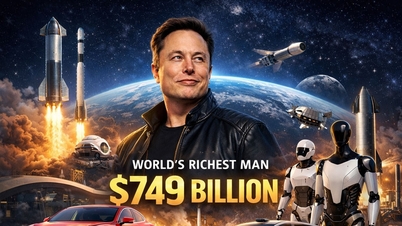
Another "champion" of 2025 is causing much controversy: the American tech billionaires. Under the administration of US President Donald Trump, the wealthiest tech leaders benefited greatly from policies, taxes, and increased oversight. According to Oxfam, the 10 richest billionaires in the US added nearly $700 billion to their wealth in just one year, reflecting an increasingly clear shift in power between technology and politics .
Conversely, AI video has achieved massive reach but has also raised social concerns. Tools like OpenAI's Sora and Google's Veo have led to the proliferation of fake videos, ranging from harmless entertainment clips to emotionally manipulative and politically charged content. Despite more than half of Americans admitting difficulty distinguishing between real and fake, AI video continues to dominate social media platforms, becoming an unavoidable part of digital life.

In the mobile device sector, the Galaxy Z Fold 7 marked a turning point for foldable smartphones, achieving a size and weight almost comparable to a traditional phone. Reducing thickness and weight while maintaining a large 8-inch screen, a 200 MP camera, and a 5,000 mAh battery significantly boosted sales of Samsung's foldable line, ushering in a new era for flexible display design.
In addition, smart glasses have made a surprising comeback. Thanks to advances in optics, lightweight batteries, and AI-powered hands-free interaction, products like the Meta Ray-Ban Display have transformed the concept of smart glasses from a "fashion disaster" like Google Glass was in 2013 into an integral part of the personal device ecosystem.

One less flashy but highly regarded trend is fast charging. From smartwatches and tablets to electric vehicles, significantly reducing charging times is changing daily habits. Super-fast charging technology on the Pixel Watch 4, iPad Pro M5, and breakthroughs in the electric vehicle industry demonstrate the real value of seemingly small improvements.
Ultimately, magnets, seemingly a very basic element, have become the "silent hero." The Qi2 standard and magnetic accessories on Pixel and iPhone devices make charging, propping up, and carrying devices more convenient, highlighting that sometimes it's the small details that make a big difference in the tech experience.
(According to Engadget)

Source: https://vietnamnet.vn/nintendo-switch-2-nvidia-va-ai-video-dan-dat-buc-tranh-cong-nghe-2025-2474715.html



































































































Comment (0)