

According to the Iranian government, the most significant recent success was on January 1st, when Iran, along with Saudi Arabia, the United Arab Emirates (UAE), Egypt, and Ethiopia, officially became part of the BRICS+ group, which now accounts for nearly half of the global population and 27% of the world's GDP.
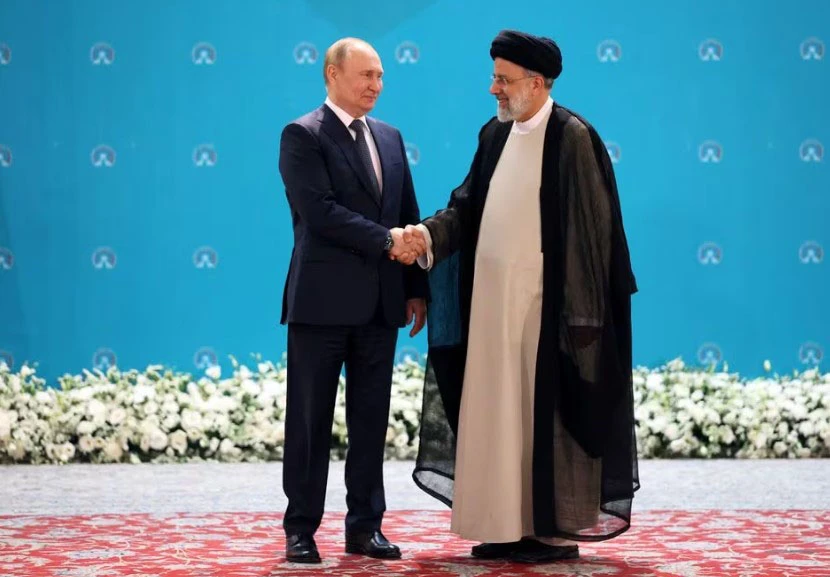
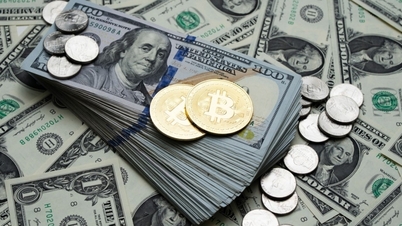
Tehran asserts that joining BRICS is an opportunity to alleviate the economic crisis since 2018 caused by US sanctions, reject the dominance of the US dollar, and offer immense economic potential. Iran International quotes several analysts as saying that joining BRICS also serves Iran's domestic policy of alleviating public concerns. Therefore, BRICS is promoted as a mechanism to challenge the US and stimulate trade.
The first area where Tehran expects to benefit from joining BRICS is energy, as Iran is a major oil and gas producer. Iran could increase its export volume, invest in energy infrastructure, and reduce US sanctions by using each country's local currency in energy transactions.
While awaiting a common currency from the BRICS group, member countries, especially Russia (which has been removed from the SWIFT payment system) and Iran (which is sanctioned by the US), can use their respective national currencies for bilateral trade. According to Investing.com, Iran and Russia have signed several agreements to enhance trade and financial cooperation, including the provision of significant credit lines and the use of each country's currency for trade. For example, Russia's Sberbank provided a credit line of over $73 million to Bank Melli, one of Iran's major banks. This facilitated Iran's import of Russian goods. On the Iranian side, after some sanctions were eased, Bank Sepah, a major Iranian bank, issued letters of credit worth over $18 billion in Russia. Furthermore, banking officials from both countries have proposed improving bilateral financial transactions during Russia's leadership of the BRICS group.
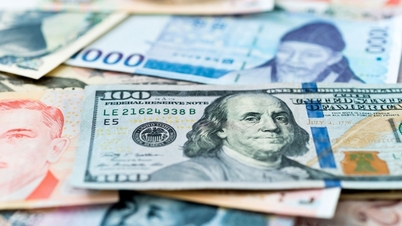
Lacking access to the SWIFT system, Russia and Iran use two separate programs: SPFS, managed by Russia, and ACU, managed by Iran. Many countries, such as India, Bangladesh, Bhutan, Nepal, Maldives, Sri Lanka, Pakistan, and Myanmar, participate in Russia's SPFS system. The French daily Les Echos noted that sanctions against Russia, as well as the assertions of the BRICS group, are further increasing opposition to the US dollar. The trend of using each country's local currency is growing in bilateral trade agreements, interbank payment systems, and settlements, following initiatives by Russia and China.
However, some observers remain skeptical about Iran's ability to mitigate the impact of US sanctions by joining BRICS, given that the two key countries, Russia and China, are also facing domestic economic challenges and disagreements with the West. Furthermore, based on the volume of trade with the US, some BRICS member states may hesitate to consider the economic risks of strengthening ties with Iran.
MINH CHAU
Source
![[Photo] General Secretary and President To Lam works with the Party Committee of the Ministry of Health on the work of Vietnamese traditional medicine.](https://vphoto.vietnam.vn/thumb/1200x675/vietnam/resource/IMAGE/2026/05/20/1779294323718_a1-bnd-2978-3319-jpg.webp)
![[Photo] National Assembly Chairman Tran Thanh Man working with the Standing Committee of the National Assembly's Delegation Affairs Committee.](https://vphoto.vietnam.vn/thumb/1200x675/vietnam/resource/IMAGE/2026/05/20/1779294340023_ndo_br_1-1691-jpg.webp)
![[Image] "Journey of Hope" promotes the organ and tissue donation movement in Vietnam.](https://vphoto.vietnam.vn/thumb/1200x675/vietnam/resource/IMAGE/2026/05/20/1779294400833_1-8910-jpg.webp)





















































Comment (0)