

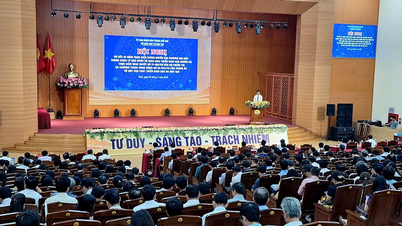
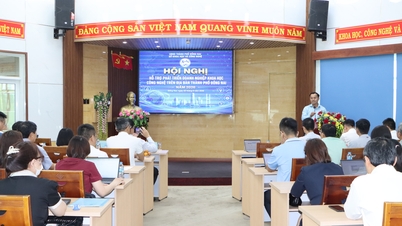
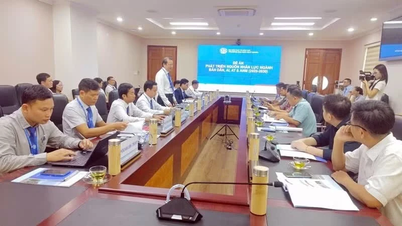
Associate Professor Dr. Nguyen Thi Lien Huong, Deputy Minister of Health , along with a delegation from the Ministry, visited and worked with the Faculty of Medicine (Vietnam National University Ho Chi Minh City) yesterday (June 24).
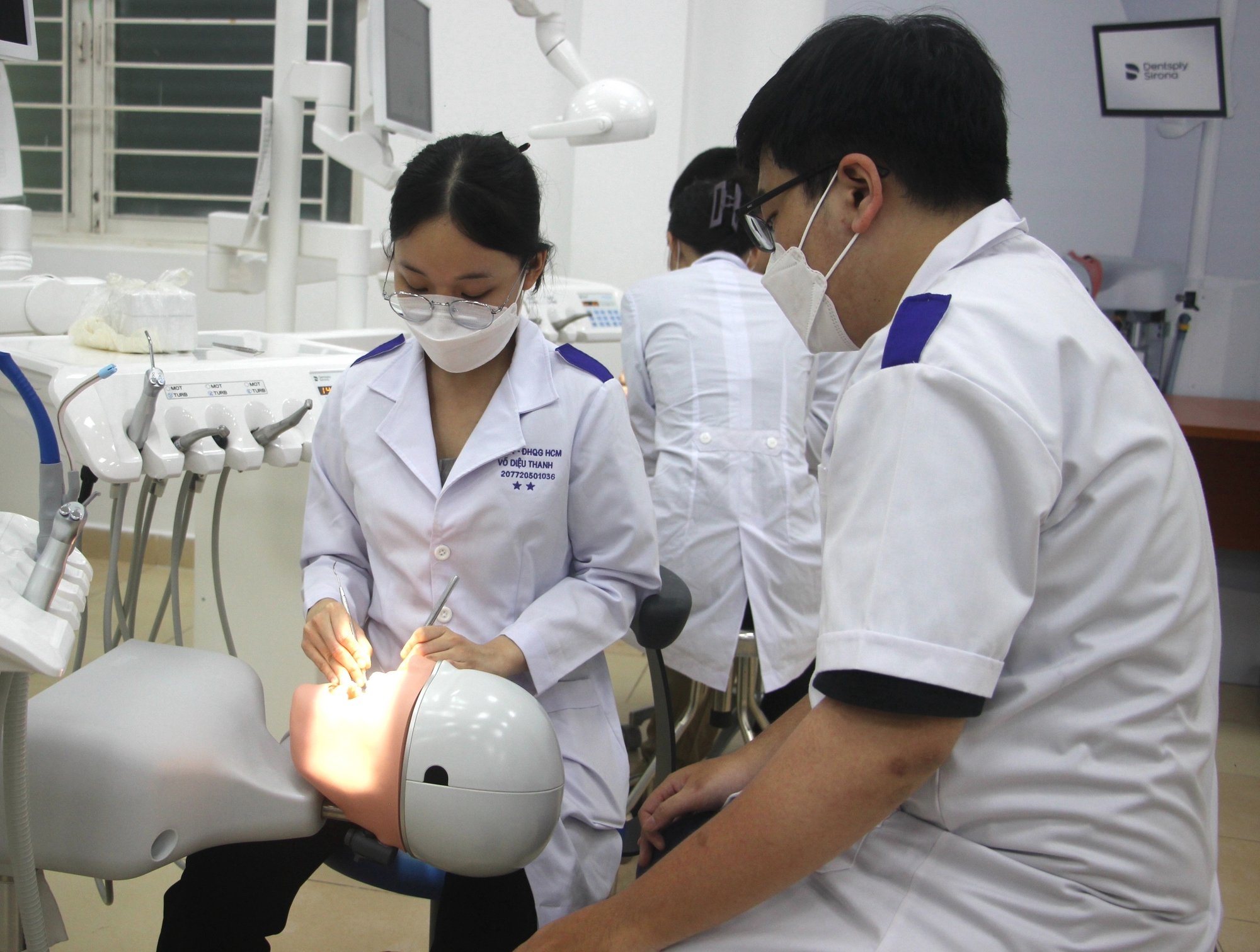
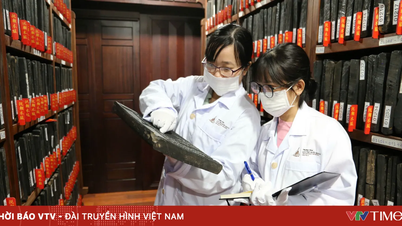
Medical students (Vietnam National University Ho Chi Minh City) practice in the faculty's laboratory.
Medical training faces difficulties in practical application.
Professor Dang Van Phuoc, Head of the Faculty of Medicine (Vietnam National University Ho Chi Minh City), said that the Faculty was established in 2009 and currently offers training in five fields: Medicine, Pharmacy, Dentistry, Traditional Medicine, and Nursing. 692 students in Medicine and 150 students in Pharmacy have graduated.
Also at the meeting, Professor Dang Van Phuoc noted that health sciences is a specialized field. Therefore, medical training must create a solid foundation of knowledge so that doctors become more proficient as they advance in their careers.
"It's difficult to compensate for gaps in medical knowledge. Therefore, the responsibility of teachers and trainers is crucial. I'm very concerned about the practical training; the skills of doctors are very problematic. Sixth-year medical students now don't get to touch patient records or write them... This means their skills are getting worse and worse. Medicine is still a profession that requires on-the-job training, so practical training is extremely important. But we are overloaded with practical training; there are too many students while there aren't enough practical training facilities," Professor Dang Van Phuoc stated.
Professor Le Minh Tri, Deputy Head of the Faculty of Medicine, in charge of the pharmaceutical field, also stated that training in medicine and pharmacy currently faces many difficulties. In particular, finding lecturers and practical training facilities is challenging. Practical instructors are usually doctors, but their professional income in hospitals is much higher than their teaching income, so not many are enthusiastic about teaching practical skills to students.
In particular, for pharmacy students, there are virtually no state-owned pharmaceutical companies left; most are private companies. It is extremely difficult for pharmacy schools to secure internship placements for their students.
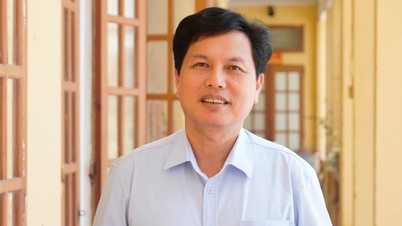
Professor Dang Van Phuoc, Head of the Faculty of Medicine (Vietnam National University Ho Chi Minh City)
"Finding practical instructors is very difficult. Even many doctors or acquaintances of mine who work in pharmaceutical companies are earning $6,000-$7,000, so how can we afford to invite them to teach us? We have to use personal connections to find practical training opportunities for students, but there aren't many," Mr. Tri said.
Dr. Nguyen Van Quan, Deputy Director of the Department of Science, Technology and Training under the Ministry of Health , stated that Decree 111 (regulating the organization of practical training in health science education) clearly stipulates the number of practical instructors per hospital bed and the number of practical students per hospital bed. The total time spent on practical teaching by all instructors at the practical training facility must be at least 20% and no more than 80% of the total duration of the practical training program.
The training regulations also clearly state that for regular medical programs, the ratio should be less than 15 students per lecturer.
The ward has 18 patients, but there are 82 student interns!
Concurring with this view, Professor Tran Diep Tuan, Chairman of the University Council of Ho Chi Minh City University of Medicine and Pharmacy, also stated that this is a common difficulty faced by universities training students in the health sector.
Training healthcare professionals requires synchronization across the entire system and among different schools. This demands responsibility and a comprehensive policy. For example, at the Ho Chi Minh City University of Medicine and Pharmacy, lecturers teaching in the medical field have now received pedagogical training using new methods.
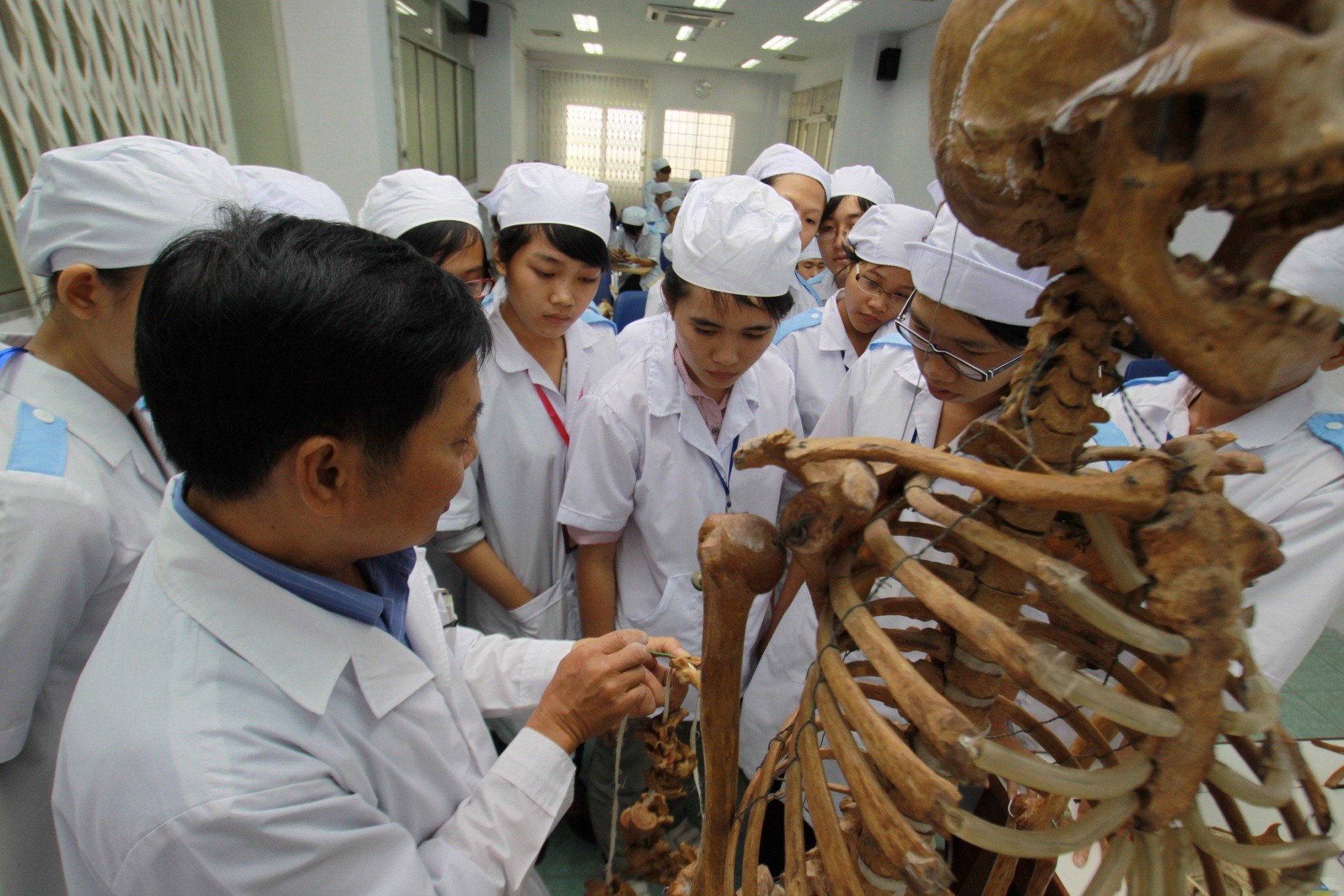
Medical students are facing difficulties finding internships.
"Although the teachers teach a lot, teaching in the right way for the medical field is a real challenge. Therefore, we need to train lecturers for the medical field; this is a unique characteristic of this field, which other fields do not have."
"As for medical school lecturers, there will certainly never be enough, so in addition to the full-time lecturers, there must be visiting lecturers. This is a common difficulty for all schools. If the lecturers are doctors from hospitals, then the question is how to teach effectively… Therefore, the more schools open medical training programs, the more difficult it becomes to secure a teaching staff," Mr. Diep Tuan pointed out.
Mr. Tuan cited a recent example: at a large hospital in Ho Chi Minh City, a ward had 18 patients but as many as 82 student interns. How could the lecturers possibly teach them under such circumstances?
Mr. Tuan expressed the opinion that, in the medical field, it is very difficult for schools to provide good training when the number of student interns is too large.
Students should be assigned to practice in various types of hospitals.
According to Mr. Tuan, the immediate solution is that schools training human resources for the provinces should have their students do internships at provincial hospitals instead of city hospitals. This is a practice implemented in many countries and is known as internship streaming.
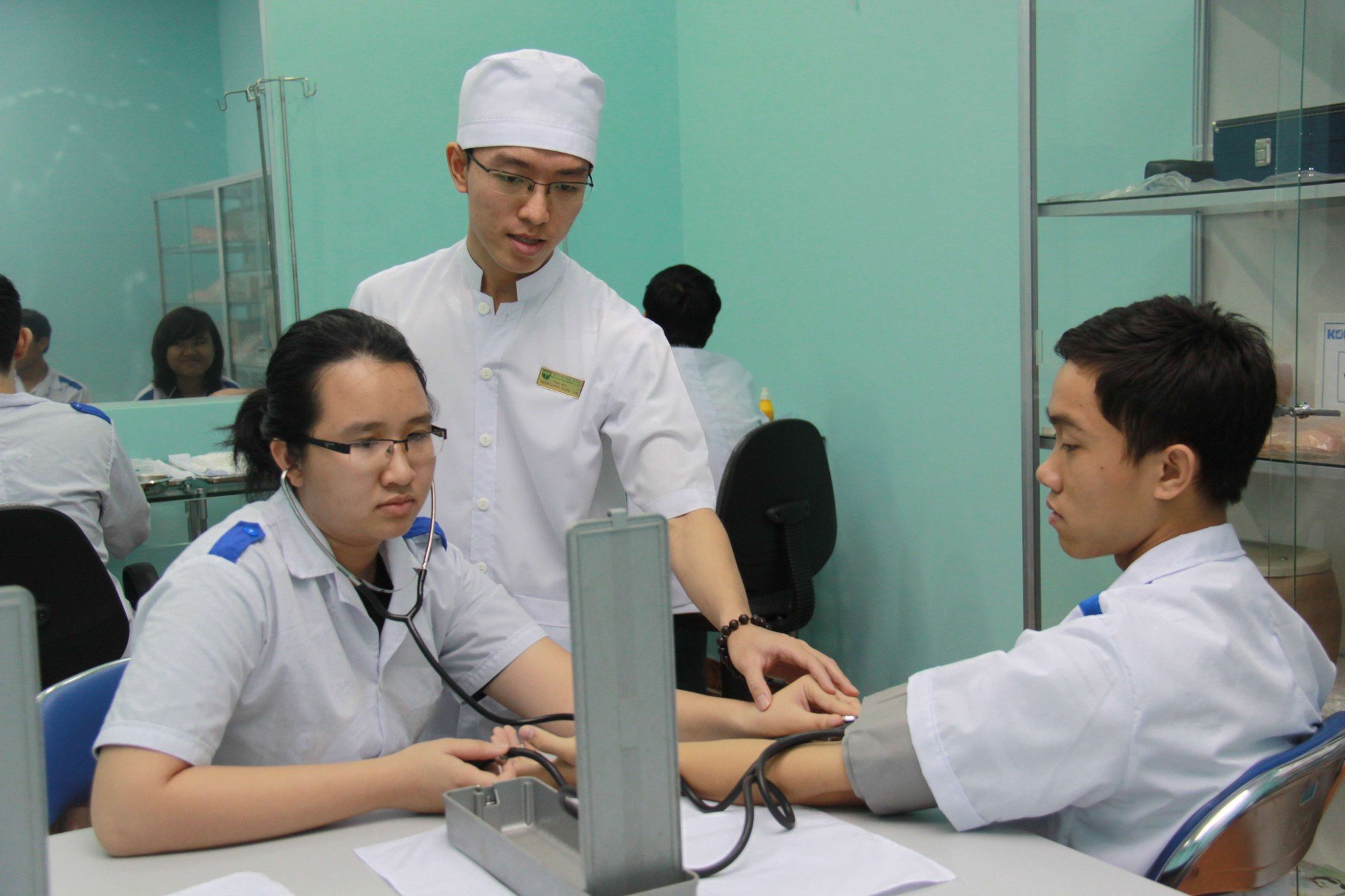
Currently, many schools in Ho Chi Minh City offer health-related programs, including medicine. The large number of students makes it difficult for them to gain practical experience.
By guiding students through the practical training process right from the start, they will gain a clearer understanding of their future careers and reduce the pressure of finding suitable practical training opportunities.
Currently, many schools in Ho Chi Minh City offer training in health-related fields, including medicine. The large number of students makes it difficult for them to gain practical experience. Mr. Tuan suggested that hospitals and schools should allocate hospitals to students. "For example, dividing hospitals into clusters and coordinating with specific schools would better meet the practical training needs of students," Mr. Tuan proposed.
Recommendation for the Faculty of Medicine to establish a hospital.
Associate Professor Dr. Nguyen Thi Lien Huong recommended that the Faculty of Medicine and the Vietnam National University Ho Chi Minh City should establish a hospital for students to practice in. Regarding facilities for student practice, the Deputy Minister suggested that the Vietnam National University Ho Chi Minh City should facilitate the early establishment of centers for students to practice clinical skills. "Currently, students are already facing difficulties in practicing at hospitals; if they don't even have clinical practice facilities, they are at a great disadvantage, and lecturers will also find it difficult to impart knowledge and ensure the quality of training," the Deputy Minister of Health emphasized.
Source link



























































































Comment (0)