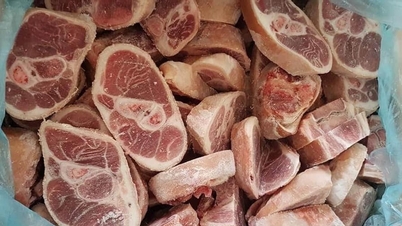
Ms. Le Thi Nhung from Vu Thu commune, whose child is of school age, is worried because her child loves snacks. Ms. Nhung shared: "My child is overweight but loves eating chips and packaged chicken feet... Sometimes, when I give him money for breakfast, I see him buying products without labels or foreign language markings. Once, I caught him and immediately reprimanded him, but I can't supervise him every day because I'm busy working."
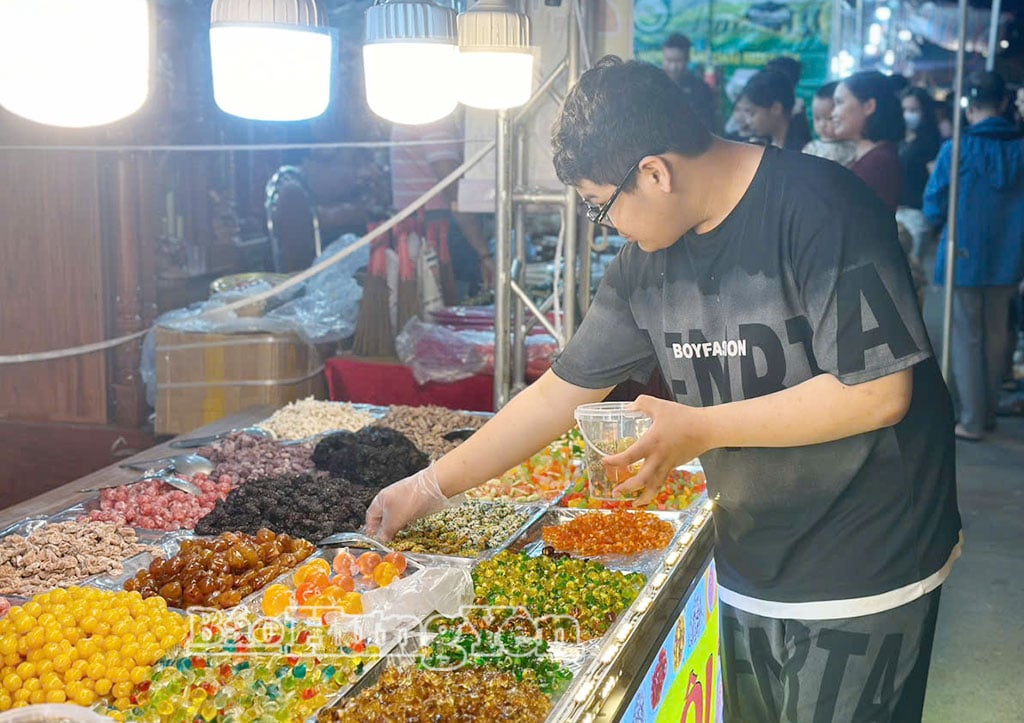
Nhung's concern is shared by many parents who daily witness children gathering around food carts and stalls selling fast food on the streets or outside school gates. Here, bags of spicy toothpicks, sausages, fried fish balls, and other snacks are sold for just a few thousand dong. The diverse range of food, with its eye-catching colors and varieties, including some products with foreign language labels, no Vietnamese tags, or no expiration dates, attracts children with its vibrant colors, appealing aromas, and low prices.



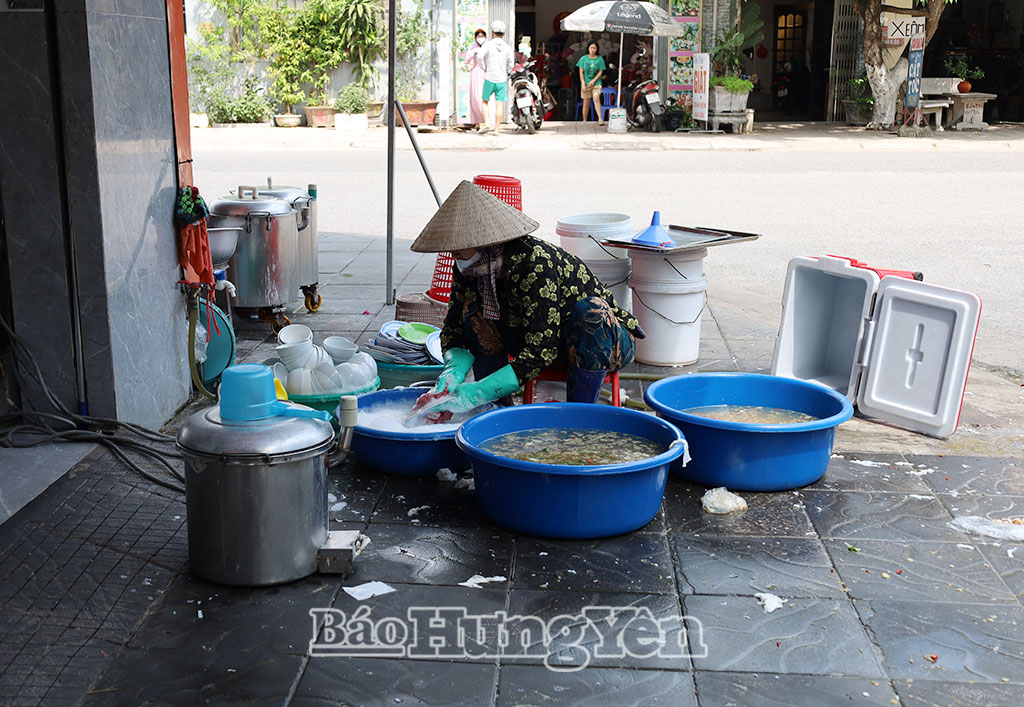
Not only children, but many adults also face risks from processed foods and street food. Busy lives have made quick meals a necessity for many families. Street food is sold uncovered, exposed to dust and traffic, and improperly stored; vendors often don't wear masks or gloves while preparing food, all of which pose significant food safety risks. The origin of food is something consumers cannot control. In many cases, it is very difficult for consumers to visually distinguish between safe and potentially unsafe food.
Currently, the health sector manages over 1,300 food service establishments, including 557 school canteens, 447 industrial park canteens, 225 food service establishments, and 87 industrial meal providers. At the commune level, over 6,940 food service businesses and nearly 2,280 street food vendors are managed… Mr. Do Manh Hung, Head of the Provincial Food Safety and Hygiene Department, stated: To ensure food safety and hygiene, along with other sectors and localities, the Provincial Food Safety and Hygiene Department is continuing to promote awareness campaigns through various means; strengthening inspection and supervision, focusing on high-risk groups such as school canteens, ready-made meals, street food, small-scale production facilities, and unpackaged food; strictly handling organizations and individuals violating food safety regulations; and conducting planned and unscheduled sampling to assess food safety quality. Promptly warn, trace, and handle unsafe products.
Food safety is not solely the responsibility of the health, agriculture , and industry sectors. Addressing the root of the problem requires close cooperation between regulatory agencies, producers, processors, and consumers, emphasizing the responsibility and conscience of food producers, processors, and businesses. Every consumer should be a "wise consumer," saying no to contaminated, unlabeled, and unverified food, and preventing fast food and snacks from becoming a burden of future health problems.



Source: https://baohungyen.vn/noi-lo-thuc-pham-duong-pho-3196166.html



![[Photo] General Secretary and President To Lam receives Palestinian Ambassador Saadi Salama](https://vphoto.vietnam.vn/thumb/1200x675/vietnam/resource/IMAGE/2026/06/25/1782365384740_a1-bnd-9423-8322-jpg.webp)
![[Image] Schools organize meetings and introduce teaching models to students admitted to grade 10.](https://vphoto.vietnam.vn/thumb/1200x675/vietnam/resource/IMAGE/2026/06/25/1782368077271_ndo_br_z7970052192242-1ec8daeb77a6eed1a4e9f58c564ddd3e-jpg.webp)
![[Image] Ho Chi Minh City: Ma Lang area, Chicken-Rice Market about to change its appearance](https://vphoto.vietnam.vn/thumb/1200x675/vietnam/resource/IMAGE/2026/06/25/1782377698627_ndo_br_m1-jpg.webp)