

 |
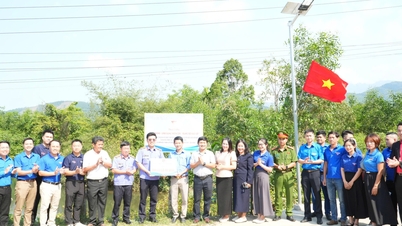
| Presenting the national flag and lifebuoys to fishermen in Ly Son to help them continue their livelihoods at sea. Photo: Thai Binh. |
The most unforgettable impression of this sea voyage was the storm! The waves and wind battered continuously for over 50 hours, covering nearly 500 nautical miles, starting from Da Nang Naval Port, sailing up to Con Co Island, then down to Ly Son Island, and finally returning to shore. Standing next to the flagpole on the summit of Thoi Loi on Ly Son Island, the mountain wind threatened to blow us away, and we felt as if we were in the turbulent sea below. The morning's activities on the island, including the incense offering ceremony at the Martyrs' Cemetery and the Monument to the Hoang Sa and Bac Hai Patrol Team, and the cultural exchange program at Radar Station 550… all seemed to blend together amidst the sound of wind and waves. What lingered from the exchange at Radar Station 550 were not only the heartwarming Tet gifts from the mainland given to the soldiers and civilians on the island, but also the outstanding performances by the actors of the Youth Theatre. In the midst of the strong winds and waves, the youthful voices seemed even more powerful, resounding, and full of life. Due to the rough seas with waves constantly rising and falling by several meters, it took the transfer passenger ship more than an hour to dock alongside the KN 390. Lunch that day had to be delayed because the strong waves rocked the ship, knocking over the dining tables, forcing the logistics soldiers to clean everything up again.
Strong winds and rough seas prevented the KN 390 vessel from transporting people to Con Co Island. Goods and Tet gifts had to be transferred to a small fishing boat belonging to local fishermen. This task was truly difficult and challenging; it took hours of battling the waves, with the soldiers waiting for the waves to rise high enough for the fishing boat to reach the same level as the patrol vessel's deck before they could safely transfer the goods. The exchange and Tet greetings between the delegation and Con Co Island could only take place online. The heartfelt songs and warm, affectionate Tet wishes, conveyed through the radio, were repeatedly drowned out by the waves. And then, at the moment of farewell, the ship's commander announced: "Please proceed to the starboard side of the ship to bid farewell to the Island." Farewell to the Island! For the first time, I witnessed such a simple yet solemn ceremony! Three long, resounding whistles echoed. We gazed at the familiar island fading into the distance. The feeling of traveling thousands of nautical miles to get here without being able to greet each other, having to say goodbye amidst the waves and wind, was incredibly moving! A comrade officer from the 3rd Naval Region, standing next to me after the "island greeting" ceremony, confided: "For the past five years, I've been on this mission every year, but I've never had the chance to set foot on the island."
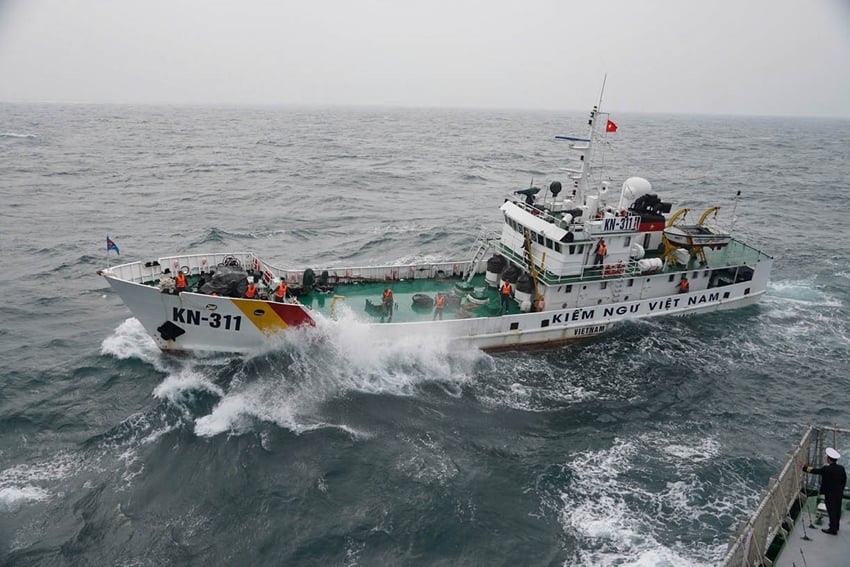 |
| Fisheries patrol officers on duty at sea during rough seas with waves reaching levels 6 and 7. Photo: Thai Binh. |
For me, my first trip to Con Co Island was 11 years ago (May 2013), when I led a delegation of Hue writers on a field trip to the island. This time, I was eager to walk along the roads shaded by the Barringtonia and Terminalia trees. On the sign introducing the island's development plan map, Con Co Island looked like a green lotus leaf rising from the sea. Con Co Island is known as the "eye of the sea," an "unsinkable fleet" during the resistance against the US, and was twice awarded the title of hero. During that trip, I saw, touched, and felt the Barringtonia and Terminalia trees and their clusters of white flowers for the first time. I witnessed the daily life of the island's inhabitants and took photos with the children with their innocent, pure eyes in the courtyard of Hoa Phong Ba Kindergarten. Inspired by the sea almond blossoms and the square-leaved mangrove trees on the island, I wrote the poem "Guidelines on Con Co Island," which includes the line, "Here, flowers bloom into waves and wind / Square-leaved mangrove fruits fall like square raindrops."
I happened to be having morning coffee on the ship's deck with one of the young officers who "went into battle on a fisheries patrol vessel 10 years ago (2014), when China brazenly deployed the Haiyang 981 oil rig to encroach upon Vietnam's exclusive economic zone and continental shelf." He recounted that since then, he has participated in many more rescue operations, searching for fishermen in distress at sea. "You see, this KN 390 ship is so big and wide (90m total length, 14m widest point, 7m high side, 2,000 tons carrying capacity), but it's still like a bamboo leaf in the middle of the sea." The rescues of fishermen, day and night, especially during rough seas, were truly arduous "battles." In the vast, stormy ocean, "as long as there's a distress signal, we keep searching." The young officer added that his family has served in the navy for three generations.
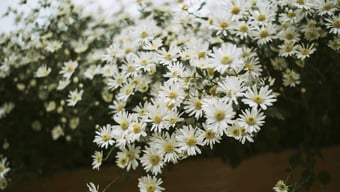
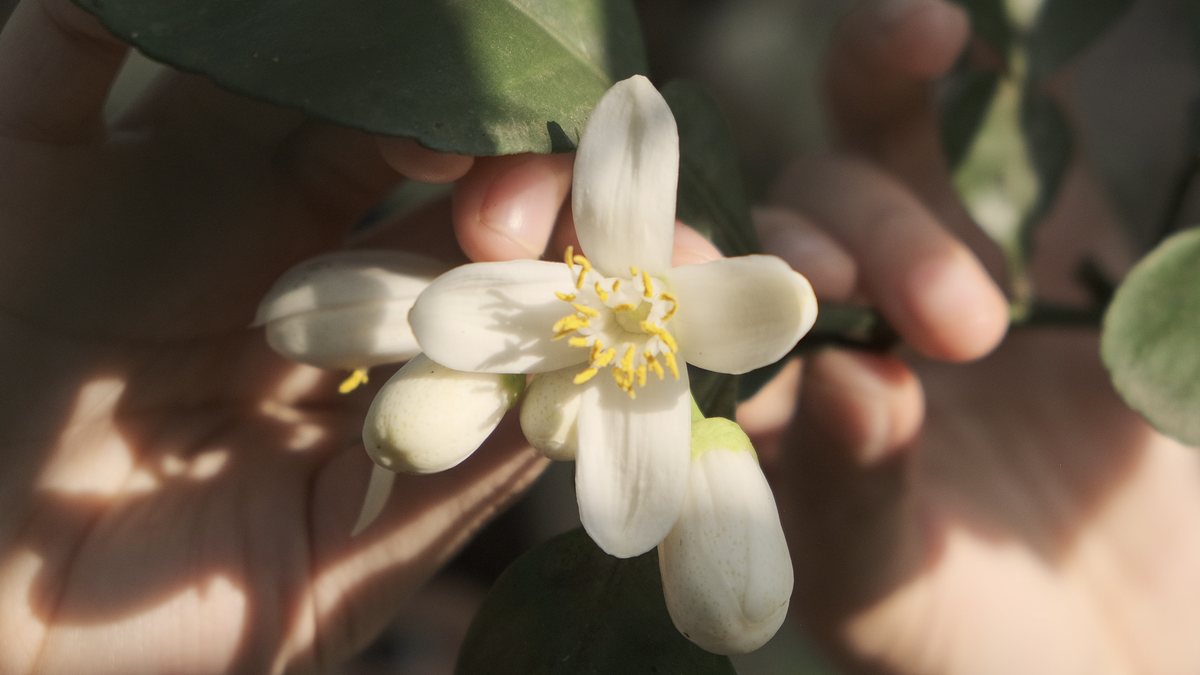
Until this voyage during these stormy days, that poem from the past came back to me. Here, flowers bloom amidst the waves and wind! I see again the clusters of white sea-breeze flowers blooming brightly in the eyes and smiles, in the songs and chants, in the handshakes and greetings, in the faith, love, and affection between the soldiers and the people, between the mainland and the islands… The sea-breeze has become a symbol of the courage and indomitable will of the Vietnamese people and land, a symbol of the naval soldiers who, day and night, safeguard the sacred sovereignty of the Fatherland's sea and islands.
Source: https://huengaynay.vn/chinh-polit-xa-hoi/o-here-flowers-blown-waves-150877.html
![[Photo] The Prime Ministers of Vietnam and Russia witness the signing ceremony on cooperation in building a nuclear power plant.](https://vphoto.vietnam.vn/thumb/1200x675/vietnam/resource/IMAGE/2026/03/23/1774278492322_vna-potal-hai-thu-tuong-viet-nam-va-nga-chung-kien-le-ky-ket-hiep-dinh-ve-hop-tac-xay-dung-nha-may-dien-hat-nhan-8658380-jpg.webp)












































Comment (0)