Fever is one of the symptoms that worries many parents when their children enter the teething stage. Many believe that all fevers that occur at this time are due to teething. However, pediatric experts warn that teething fever and fever caused by illness have distinct differences that parents need to recognize in order to properly care for their children.
Does teething actually cause a fever?
According to the Mayo Clinic, teething is a normal developmental milestone for babies, usually starting around 6 months of age. During the process of teeth erupting through the gums, babies may experience discomfort, fussiness, or restless sleep.
Teething can cause a slight increase in a child's body temperature due to inflammation in the gums. However, there is currently no evidence to suggest that teething causes high fever. Children may feel slightly warm, but their temperature usually does not exceed 38 degrees Celsius.
Therefore, if a child has a fever of 38 degrees Celsius or higher, parents should not automatically assume it's due to teething but should monitor for other unusual signs.
Besides a slight fever, children often exhibit some characteristic symptoms when teeth are about to erupt, such as:
- Excessive drooling
- Likes to bite or chew on objects.
- Swollen, red, and sensitive gums.
- Crying and being more irritable than usual.
- Eating is slightly less efficient due to gum pain.
- Body temperature rises slightly but is usually below 38 degrees Celsius.
These symptoms usually appear a few days before the tooth erupts and gradually subside after the tooth has emerged.
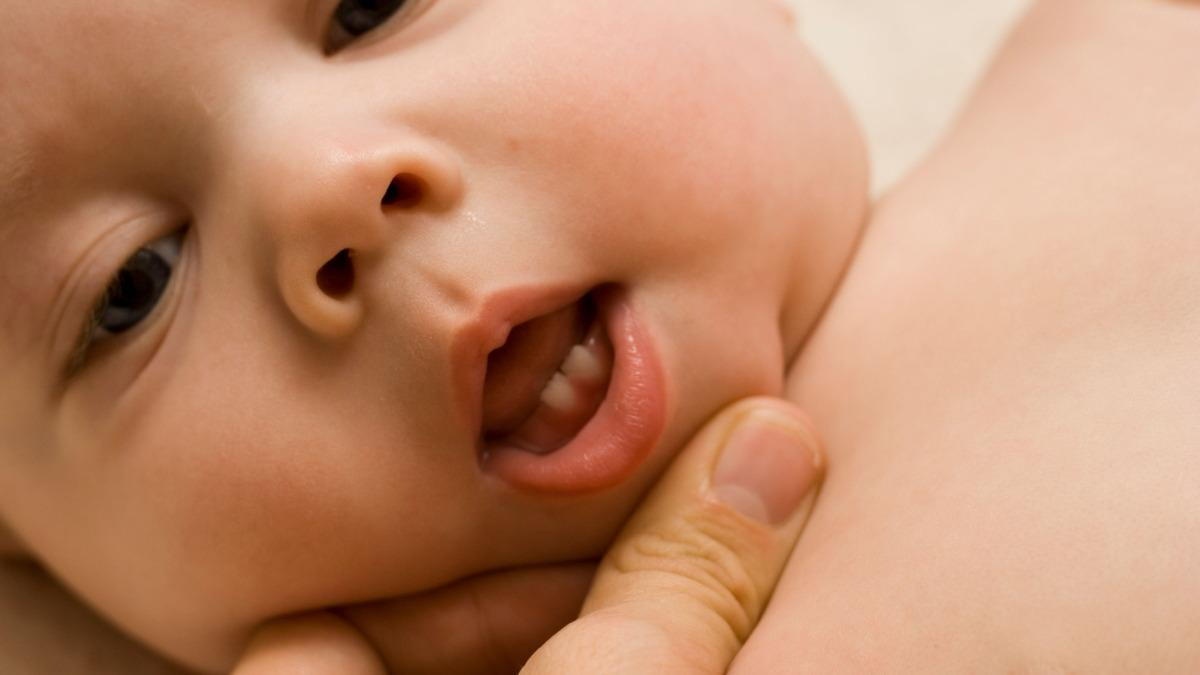 |
Teething babies may experience a slight fever, usually not exceeding 38 degrees Celsius. Photo: Shutterstock. You may also like  This tonic has a captivatingly strong aroma and helps prevent strokes.Black tea (or red tea) has captivated millions worldwide not only with its amber-red color and rich, alluring aroma, but also as a highly nutritious beverage.  Preventing Japanese Encephalitis - A Leading Infectious Disease in ChildrenWhat makes Japanese encephalitis a concern for the healthcare industry is that the disease often begins with symptoms quite similar to the common cold or viral fever, such as high fever, headache, nausea, vomiting, and fatigue.  Screening embryos for genetic diseases helps ensure the birth of a healthy baby.Thalassemia, a congenital blood disorder, has been included in the list of diseases requiring mandatory prenatal screening and is the leading genetic disease requiring premarital counseling and testing. |
How to identify a common fever caused by an illness.
Unlike teething fever, a common fever is usually the body's reaction to a viral or bacterial infection or other illness. The most common causes are viral infections such as the common cold, flu, viral fever, hand, foot and mouth disease, dengue fever, or viral rashes. In addition, children may also have fevers due to bacterial infections of the respiratory tract, ear, nose and throat, digestive system, or urinary tract.
Children with fever due to illness usually have a temperature of 38 degrees Celsius or higher and exhibit many other symptoms such as:
- Cough or runny nose
- Sore throat
- Diarrhea or vomiting
- Tired, sluggish
- Significant refusal to breastfeed or eat.
- Difficulty falling asleep, excessive sleepiness.
In many cases, fever can last from a few days to a week depending on the cause. Parents should pay particular attention if their child has a persistently high fever accompanied by a rash, difficulty breathing, frequent vomiting, or lethargy, as these could be signs of serious infections that require prompt medical attention.
Why are parents so prone to making mistakes?
According to the American Academy of Pediatrics (AAP), the first teeth typically erupt between 4 and 7 months of age, a period when babies are more susceptible to mild infections such as colds, ear infections, or other common illnesses that may cause fever.
Around 6 months of age, the natural immunity that babies receive from their mothers at birth begins to weaken, making them more susceptible to viruses and bacteria. At the same time, their curiosity increases significantly.



Children often have a habit of putting their hands or various objects into their mouths to bite and chew in order to soothe the discomfort in their gums. This inadvertently increases the risk of exposure to germs and can lead to fevers due to infection.
Furthermore, the process of teething lasts for many years in early life. Most children only have a full set of 20 baby teeth by around age 3. Therefore, if an older child or toddler develops a fever at night or at any time during the teething period, the cause is most likely another medical condition rather than an erupting tooth.
Source: https://znews.vn/phan-biet-sot-thong-thuong-va-sot-moc-rang-post1662636.html



![[Photo] "Hanoi Lotus Festival" honors the lotus flower that has been associated with Vietnam for thousands of years.](https://vphoto.vietnam.vn/thumb/1200x675/vietnam/resource/IMAGE/2026/06/27/1782516943048_sen-ha-noi-2026-minh-duy-1-jpg.webp)

































































![[Infographic] 16 fireworks display locations to celebrate the 50th anniversary of Ho Chi Minh City being honored with the name of President Ho Chi Minh](https://vphoto.vietnam.vn/thumb/402x226/vietnam/resource/IMAGE/2026/06/27/1782539591308_man-ban-phao-hoa-ruc-ro-dem-khai-mac-638jpg-17242995540161175940469.jpeg)