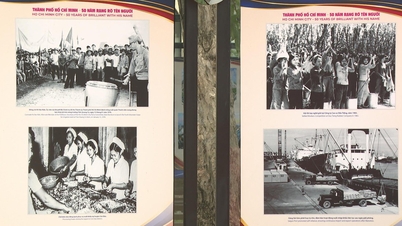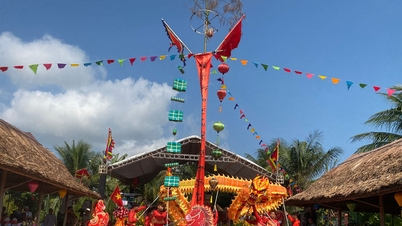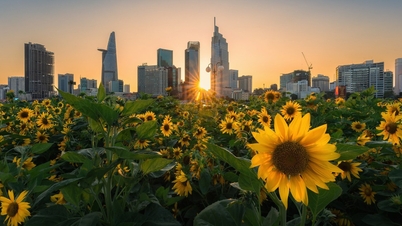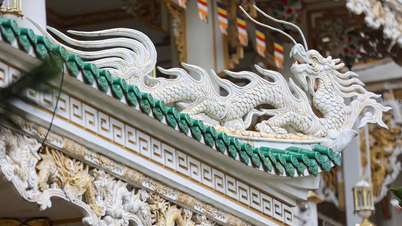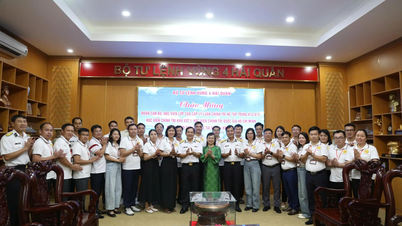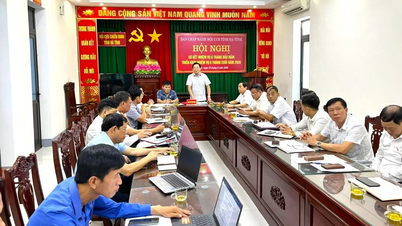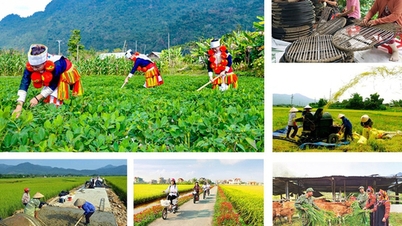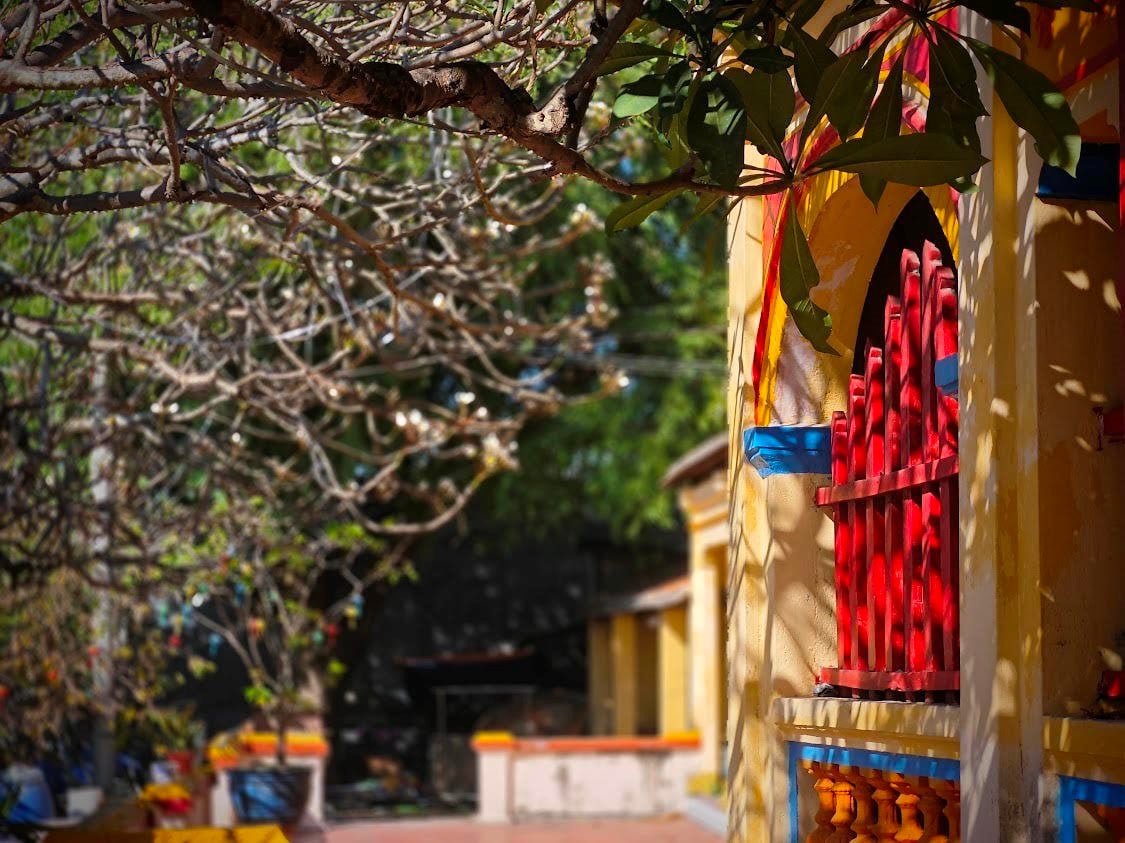
Each locality and ethnic community in the province possesses unique types of historical sites and scenic spots that embody their own core values and essence. Preserving and promoting the value of these sites, effectively developing grassroots cultural institutions, and safeguarding traditional culture are all crucial aspects of this process.
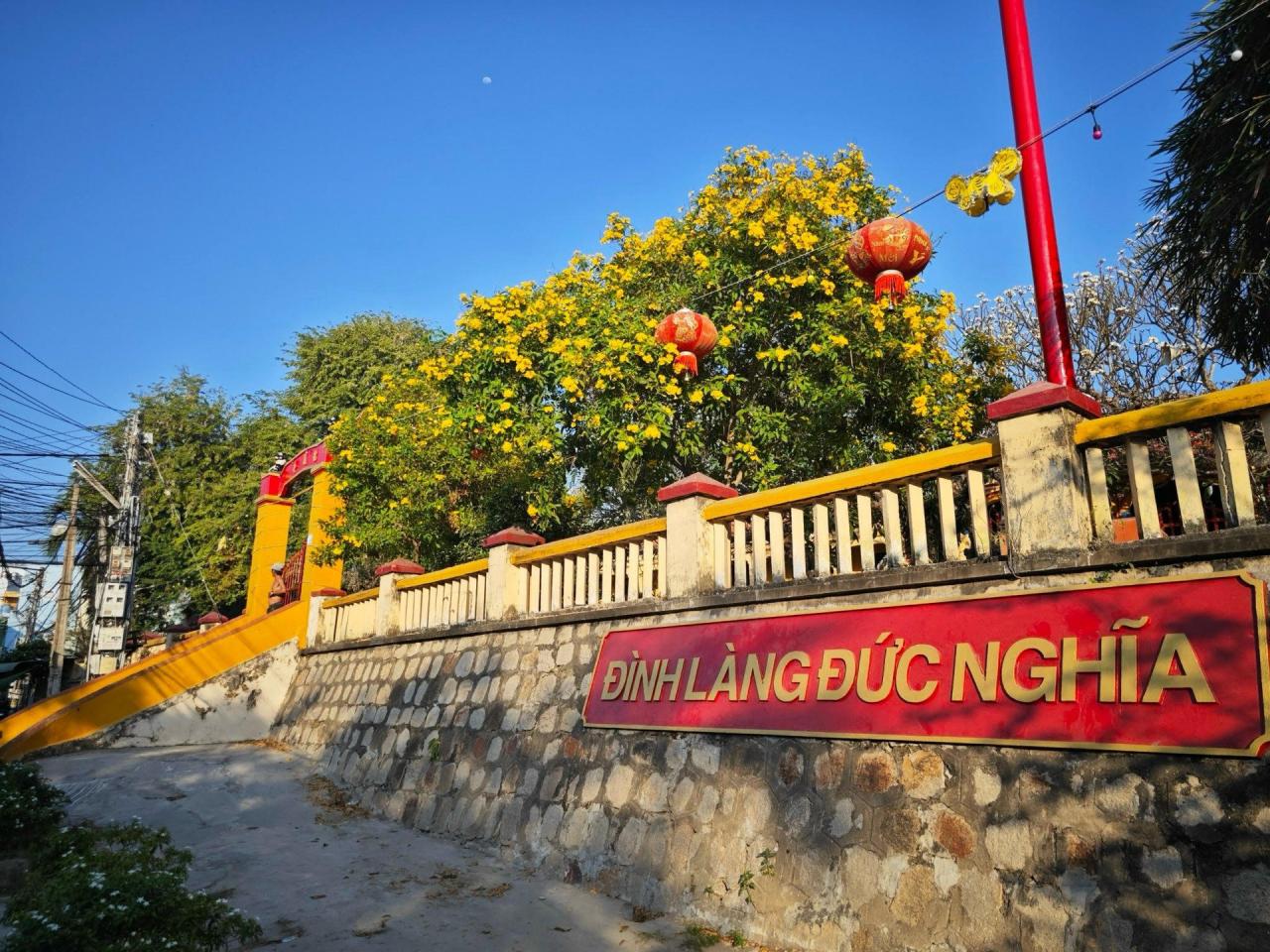
Cultural resources
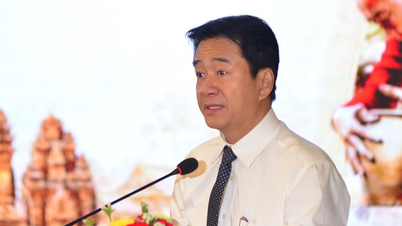
Mr. Nguyen Chi Phu, Head of the Department of Culture and Family Management, stated: The province has over 300 historical and cultural relics and scenic spots. Currently, the province has 28 relics classified at the national level and 49 relics classified at the provincial level. This is an important legal basis for managing, preserving, and conserving the historical, cultural, and architectural values of these relics in a sustainable manner, avoiding the risk of damage and gradual loss of traditional cultural values; as well as effectively exploiting and promoting the value of these relics to serve tourism development in a rational, scientific , and sustainable way.
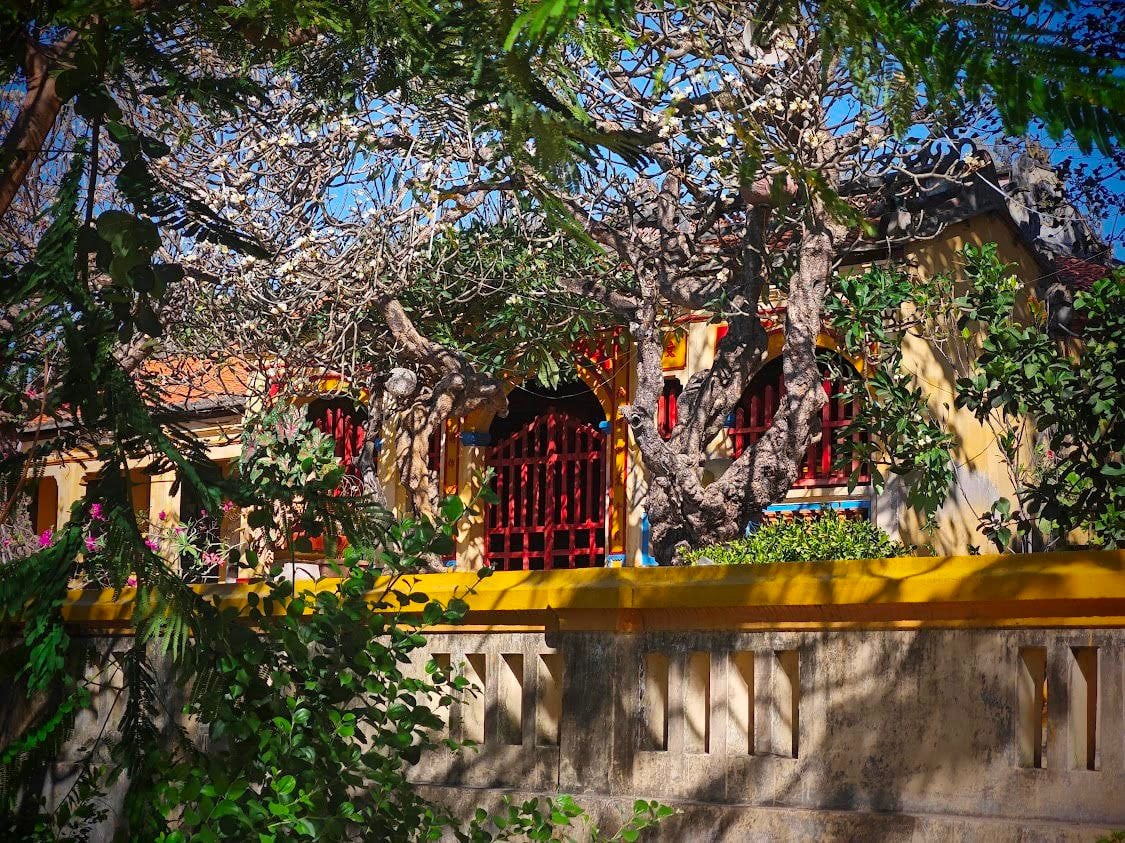
2023 marked a significant milestone in the successful preservation and promotion of historical sites in the province. During 2023, scientific dossiers were prepared and submitted to the Provincial People's Committee for ranking three historical sites at the provincial level: the Lo O Hill Resistance Base historical site in Sung Nhon commune; the Xom Muoi Nha Victory historical site in Me Pu commune, Duc Linh district; and the Le Duẩn Memorial House historical and cultural site in Binh Thanh commune, Tuy Phong district. Simultaneously, preservation, restoration, and renovation work was carried out on the following sites: the Binh Thuan Provincial Party Committee Base during the anti-American resistance war in Dong Giang commune, Ham Thuan Bac district, which was ranked as a provincial-level historical site by the Provincial People's Committee in 2017; Construction began on January 15, 2021, and was completed and put into use on February 2, 2023. This project has contributed to the restoration and preservation of the original elements of the historical site associated with a period of history of the Binh Thuan Provincial Party Committee, while also promoting the values of the site to educate future generations about revolutionary traditions.
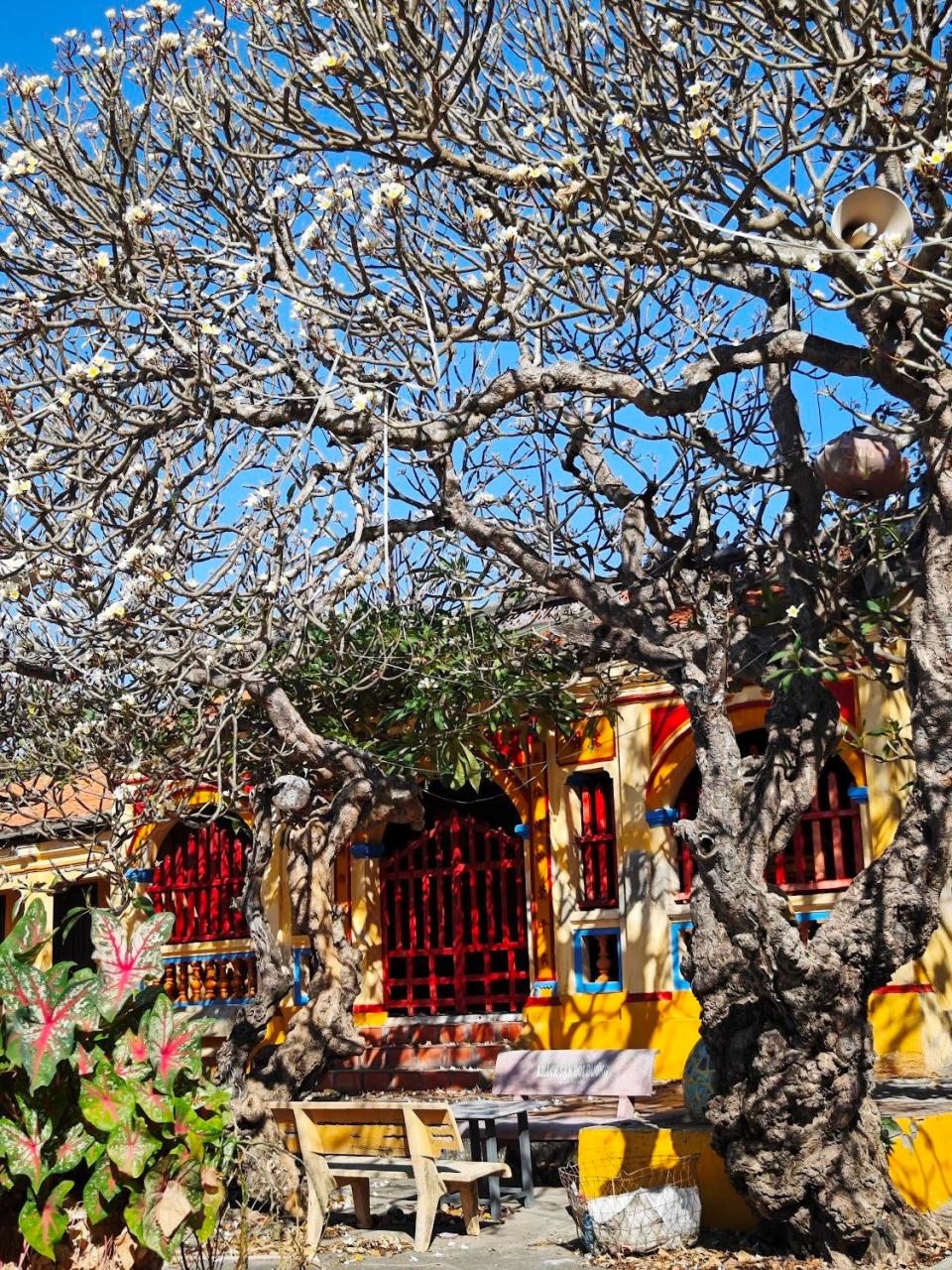
In 2023, which was also the year focusing on medium-term investment capital for the 2021-2025 period, the restoration and preservation of historical sites such as: the Teacher Sai Nai Temple in Ngu Phung commune was restored and renovated with a total budget of 2.998 billion VND; Van Thach Long in Mui Ne ward was restored and renovated with a budget of 2.493 billion VND... From the National Target Program for socio -economic development in ethnic minority and mountainous areas, the restoration and prevention of degradation of 2 national-level ranked historical sites were implemented: Po Nit Temple in Phan Hiep commune (500 million VND) and Po Klong Moh Nai Temple in Luong Son town, Bac Binh district (1.297 billion VND).



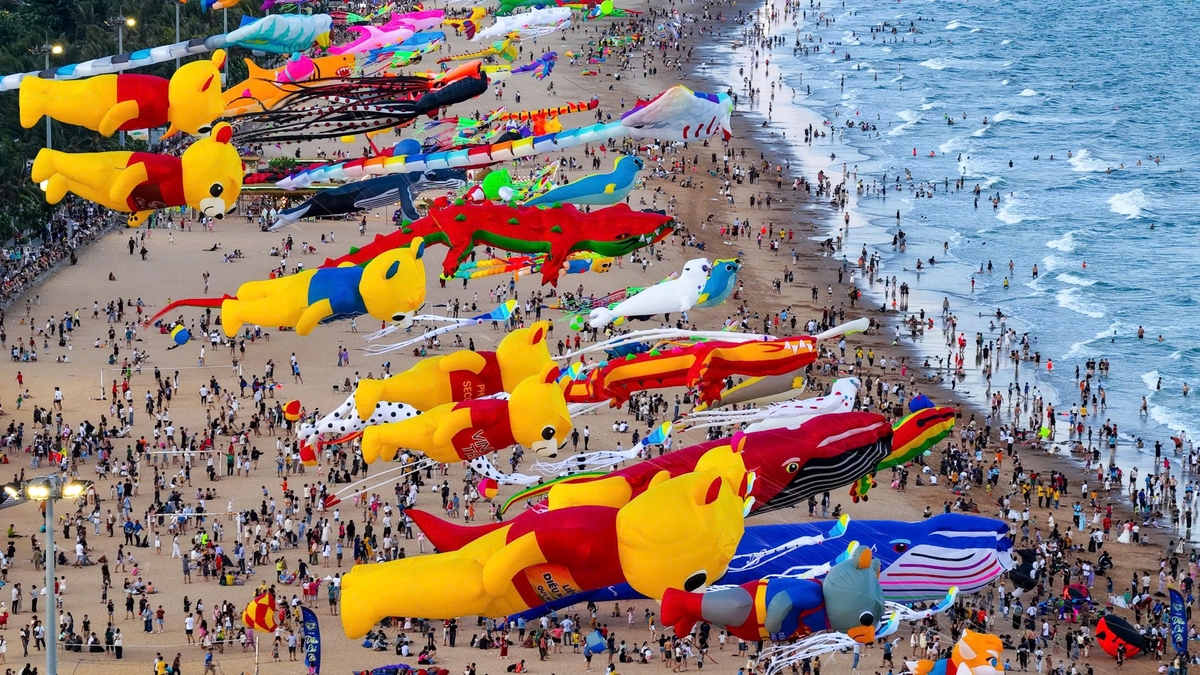
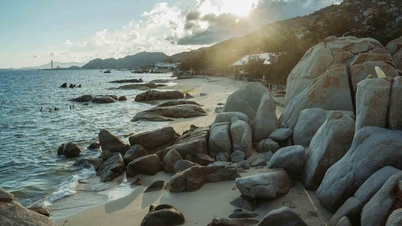
Particularly in 2023, historical sites such as Duc Thanh and the Ho Chi Minh Museum - Binh Thuan Branch (receiving 165,718 visitors); Po Sah Inu Tower (163,250 visitors); Binh Thuan Provincial Party Committee Base (26,594 visitors); Thầy Thím Shrine (60,000 visitors), Thuy Tu Cave (14,231 visitors), Hon Cau scenic spot (12,026 visitors), Nui Pagoda scenic spot; Bau Trang scenic spot, Co Thach Pagoda complex, Ca Duoc (Seven Colors) rock beach, Ong Nam Hai mausoleum, Binh An village communal house, Binh Thanh commune welcomed over 1 million visitors… and have been attracting a large number of domestic and international tourists.
Solutions to enhance the effectiveness of grassroots cultural institutions.
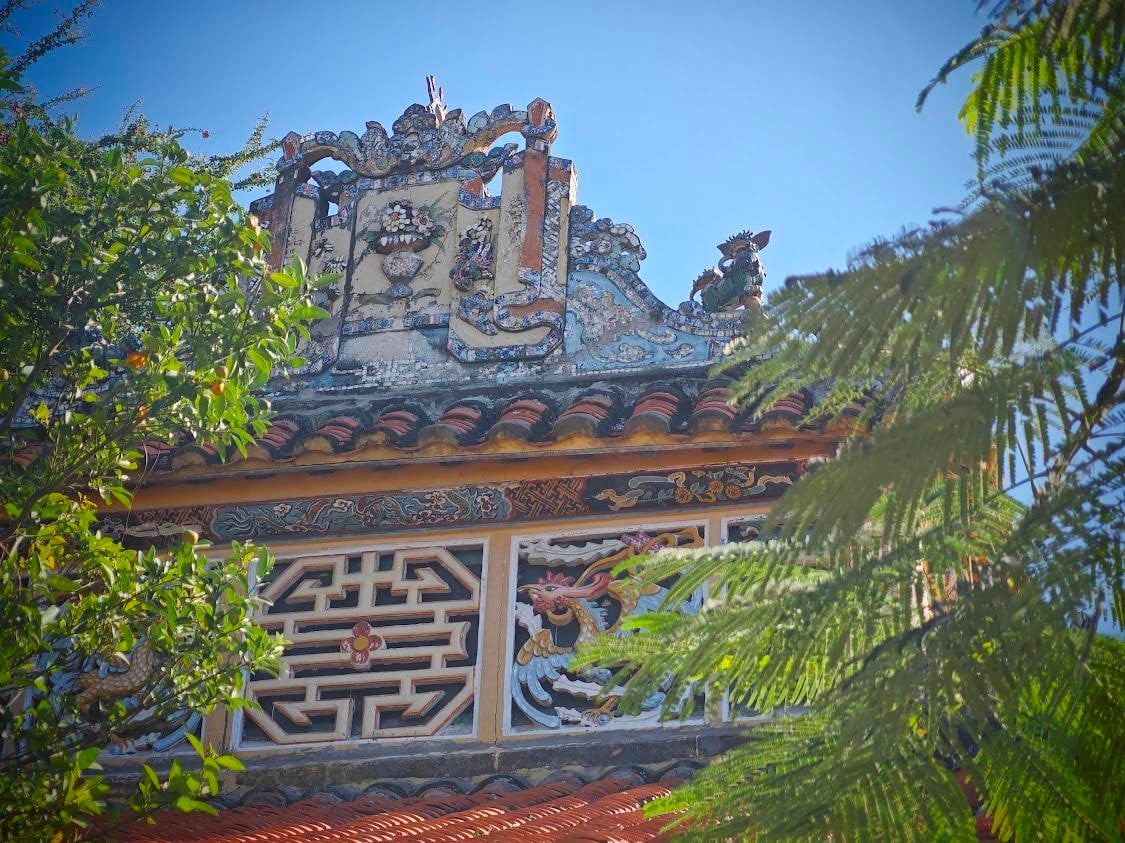
The project "Investigation, survey, and proposal of solutions for managing, preserving, and promoting the value of historical and cultural relics in the province" aims to implement solutions for managing, preserving, and promoting the value of relics to serve local tourism development and meet the cultural and spiritual needs of the people in the future, in a practical and sustainable manner.
Solutions to enhance the effectiveness of grassroots cultural institutions.
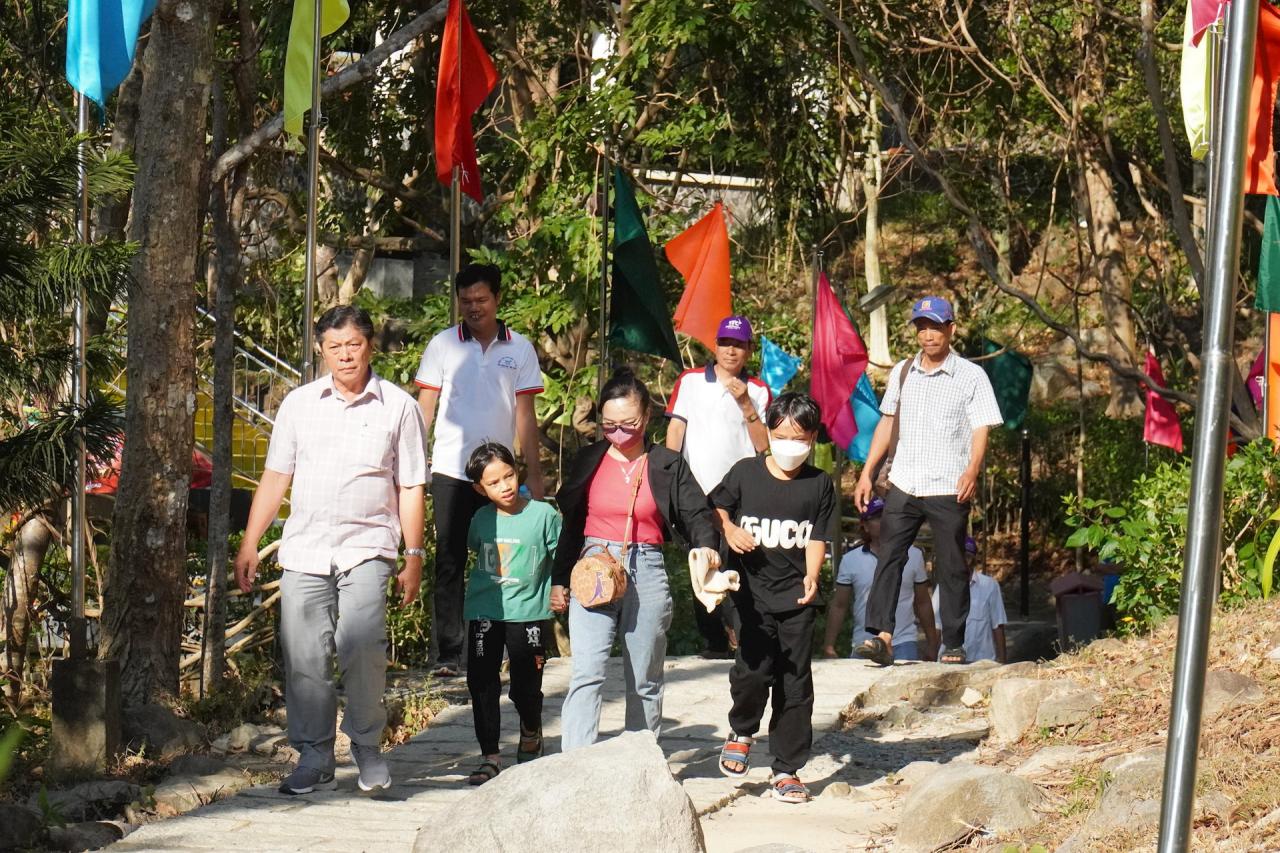
Admittedly, the system of grassroots cultural institutions plays an important role in disseminating the Party's guidelines, the State's policies and laws, and organizing cultural, artistic, and sports activities, contributing to building grassroots cultural life and preserving national cultural identity.
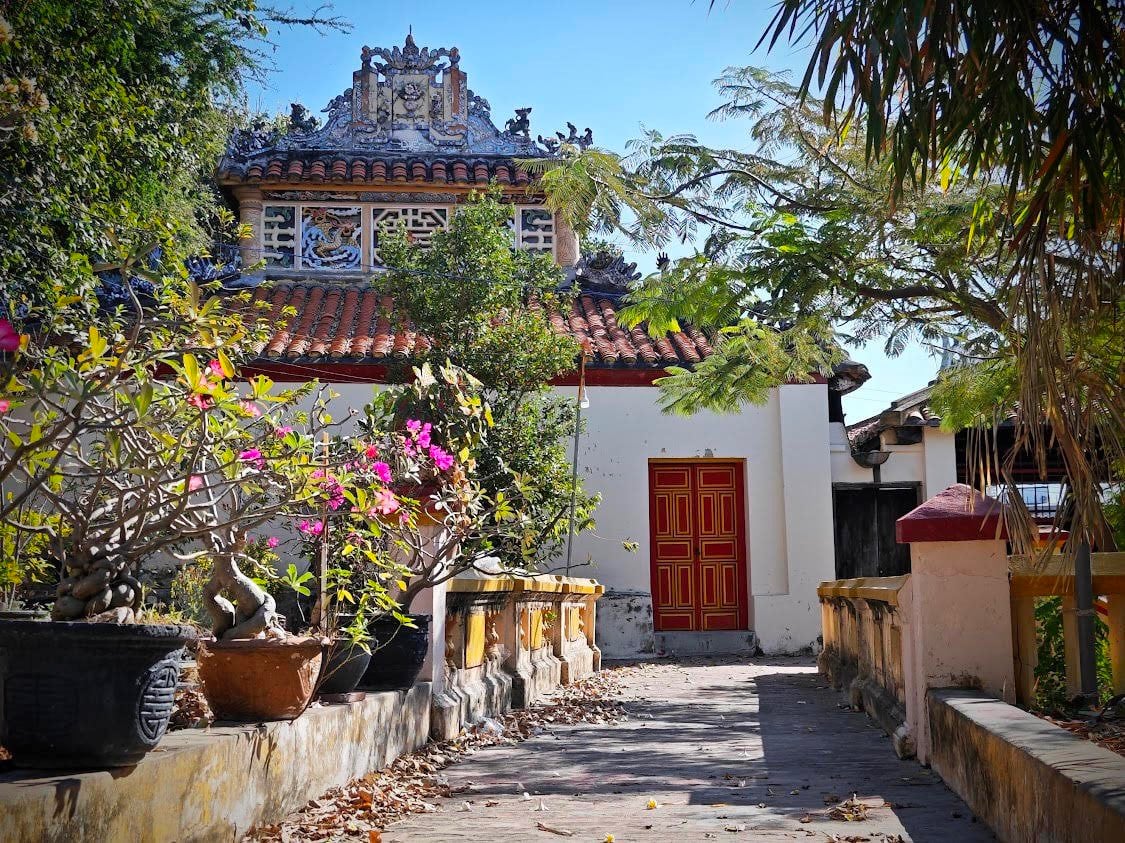
It is necessary to have a correct understanding of the position and role of culture, the importance of developing cultural and sports institutions in building cultural and spiritual life at the grassroots level, and to replicate exemplary models of cultural, artistic, and sports clubs that are suitable to the living conditions, customs, and age groups of various individuals. Review and develop appropriate policies and allocate resources, personnel, and facilities to effectively leverage strengths and create a healthy, regular, beneficial, practical, and effective environment for cultural activities at the grassroots level.



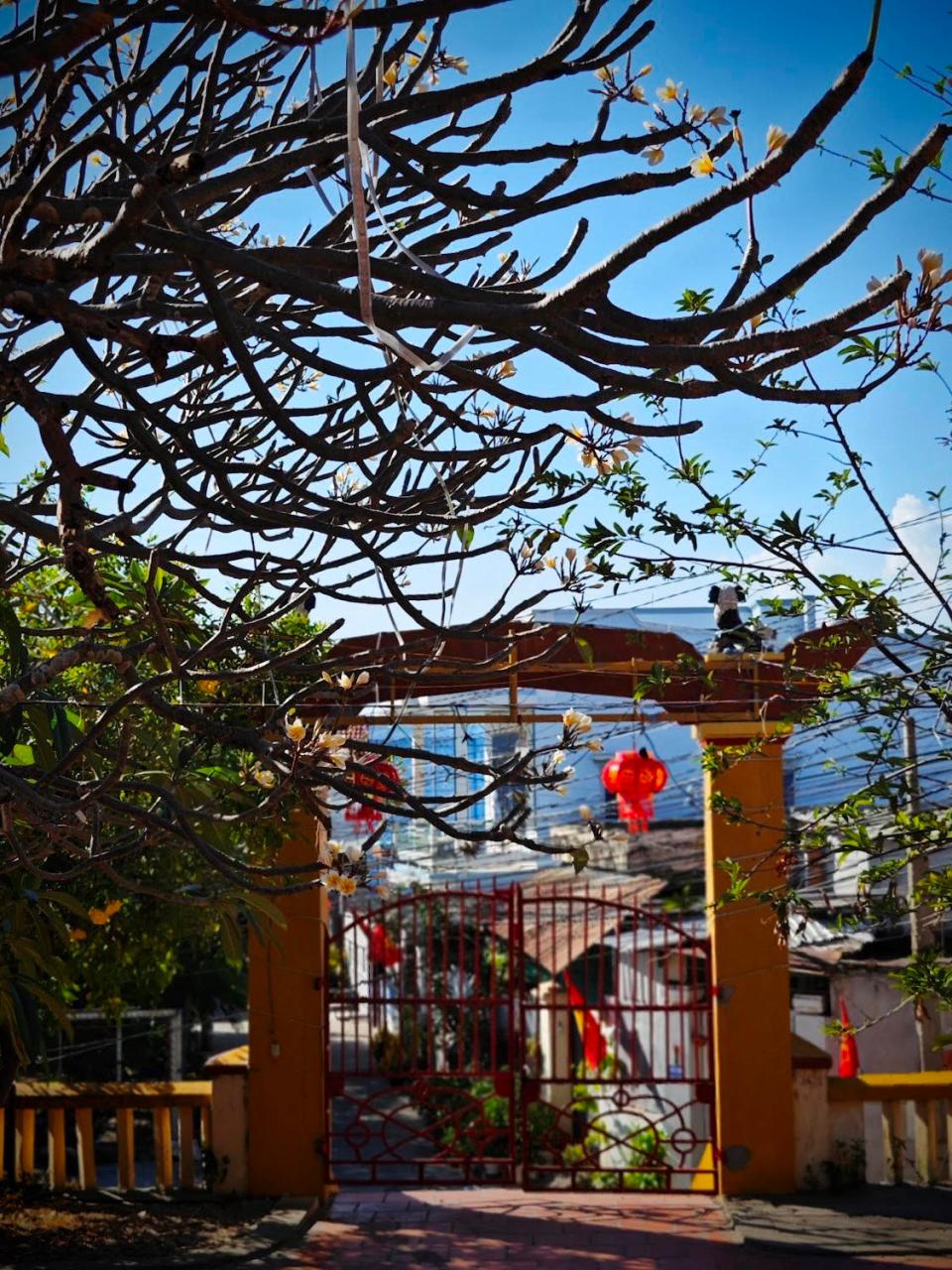
Promoting the socialization of cultural, artistic, and sports activities; building and developing cultural, artistic, sports, and recreational clubs to attract people to participate in activities and recreation at the commune center as well as village and neighborhood cultural centers. Creating conditions for people to participate in creating and enjoying culture, preserving and promoting good traditional values, contributing to building a safe and healthy grassroots cultural environment...
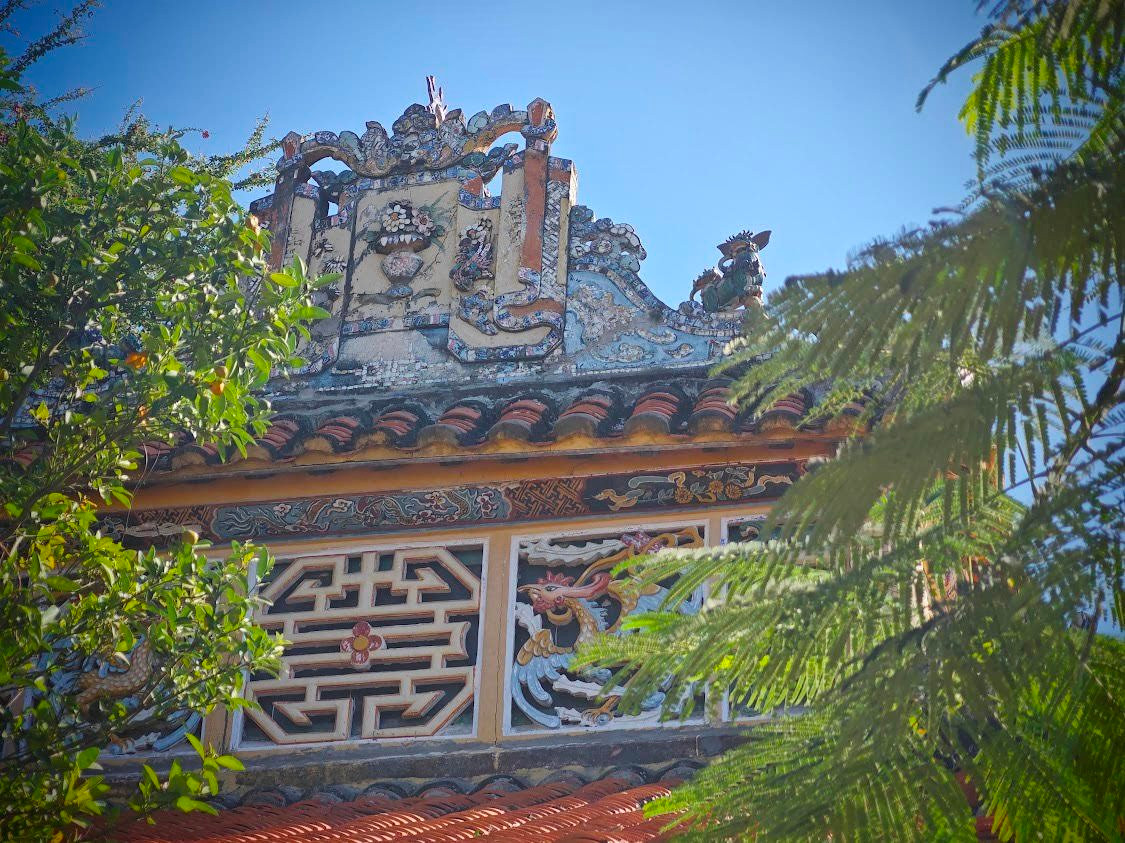
The hope is to develop and promote the effectiveness of grassroots cultural institutions, especially those in remote areas and ethnic minority regions; particularly by closely linking them with campaigns and movements, bringing the activities of these movements to a deeper and more substantive level, and promoting the role of cultural institutions in rural cultural development, building new rural areas, and creating civilized urban areas.
Source
![[Photo] National Assembly Chairman Tran Thanh Man attends the Conference to announce the Master Plan for Hanoi Capital City with a 100-year vision.](https://vphoto.vietnam.vn/thumb/1200x675/vietnam/resource/IMAGE/2026/06/29/1782709639728_ndo_br_1-jpg.webp)
![[Photo] General Secretary and President To Lam works with the Party Committee of the Government on the work of preventing and combating storms, floods, extreme natural disasters and climate change.](https://vphoto.vietnam.vn/thumb/1200x675/vietnam/resource/IMAGE/2026/06/29/1782729441945_a1-bnd-0385-9454-jpg.webp)
![[Image] A look back at the capital's preparations for the century-long master plan.](https://vphoto.vietnam.vn/thumb/1200x675/vietnam/resource/IMAGE/2026/06/29/1782750453122_quy-hoach-100-nam-minh-duy-1-2118-jpg.webp)