From now until 2030, rental housing is identified as one of the strategic pillars in housing development policy, especially in large cities, industrial zones, areas with a high concentration of migrant workers, and areas where housing prices far exceed the affordability of the people. Following the directive of General Secretary and President To Lam, the Government has issued many decisive directives to promote the development of long-term, stable rental housing.
During a recent dialogue with delegates attending the 14th Congress of the Vietnam Trade Union, Prime Minister Le Minh Hung emphasized the need to shift thinking from focusing solely on the goal of "home ownership" to ensuring the "right to housing." Prior to this, the Prime Minister also requested that localities including Hai Phong, Quang Ninh, Bac Ninh, Ninh Binh, and Hung Yen strive to commence construction of rental housing projects this year.
In reality, several models of social housing and rental housing for workers have been implemented, but further improvements are needed to better suit the needs of each target group.
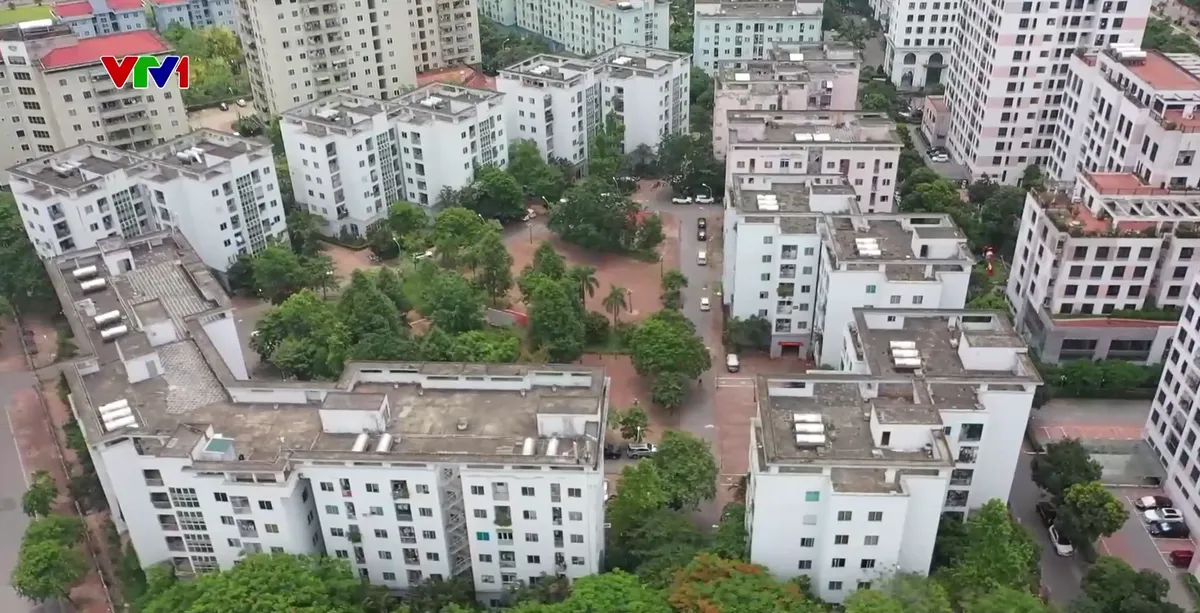
In Hanoi , the CT19A Viet Hung apartment complex is the first social housing project with 100% of its apartments dedicated to rentals, and it remains the only model of its kind. After 16 years of operation, all apartments in the project are fully occupied.
The apartments here are approximately 60m² in size, with 3 bedrooms, and rent for around 2 million VND per month, significantly lower than the 5-8 million VND per month of commercial apartments in the same area. To rent, residents must go through an income and housing eligibility review process similar to that for social housing for sale. The lease contract is renewed every 5 years.



Mr. Pham Hoai Nam, a resident of CT19A Viet Hung apartment building, believes that the city should develop more similar housing complexes because they bring practical benefits to the people.

According to Mr. Nguyen Quang Son, Secretary of the Party Cell of Residential Area No. 19, after living there for some time, the households have adapted to the rental housing model and consider it a stable, long-term place to live.
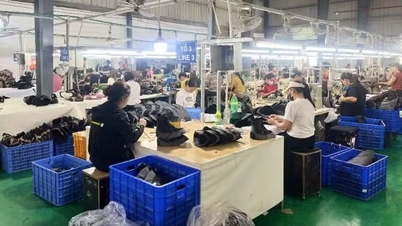
For housing for workers near industrial zones, in addition to rental rooms, some areas have built dormitories or allocated a portion of social housing apartments for rent. However, many localities currently only meet more than 10% of the actual demand.
Mr. Thai Van Dat, a worker at the Dong Van Industrial Park in Ninh Binh, said that his current rent and utility costs are around 3 million VND per month. He hopes for more stable, clean, and affordable housing options for workers.
From a business perspective, Mr. Dao Manh Hung, Chairman of the Board of Directors of Dai Duong Construction Machinery and Trading Company, believes that providing stable housing for employees is essential, contributing to their peace of mind at work and long-term commitment to the company.
However, not all rental housing models are effective. At the workers' housing complex in Thien Loc commune, Hanoi, there are still about 500 vacant rooms. The reason is that the complex is only for workers to rent, while many people choose not to live there due to regulations on daily routines and restrictions on visitors. In addition, most apartments are suitable for single people and do not meet the needs of families with young children.



According to Mr. Do Van Sam, Deputy Director of the Hanoi City Housing Management Center, the development of rental housing needs to start with surveying the needs of businesses and people; at the same time, focusing on operation, maintenance, repair and infrastructure investment to better meet the needs of tenants.
The demand for rental housing is currently very high, but the characteristics and needs of different target groups and localities vary. Therefore, the Ministry of Construction is coordinating with several localities to assess the demand for rental housing according to different population groups. Based on this, the authorities will assign targets for the development of rental housing to localities, and at the same time propose mechanisms for mobilizing, allocating, and effectively utilizing state and social resources for this sector. This is considered a necessary solution to limit the imbalance between supply and demand, avoid shortages in some areas and surpluses in others, and improve the efficiency of investment in rental housing projects in the future.
Source: https://vtv.vn/phat-develop-nha-o-cho-thue-dung-doi-tuong-10026060620425498.htm