

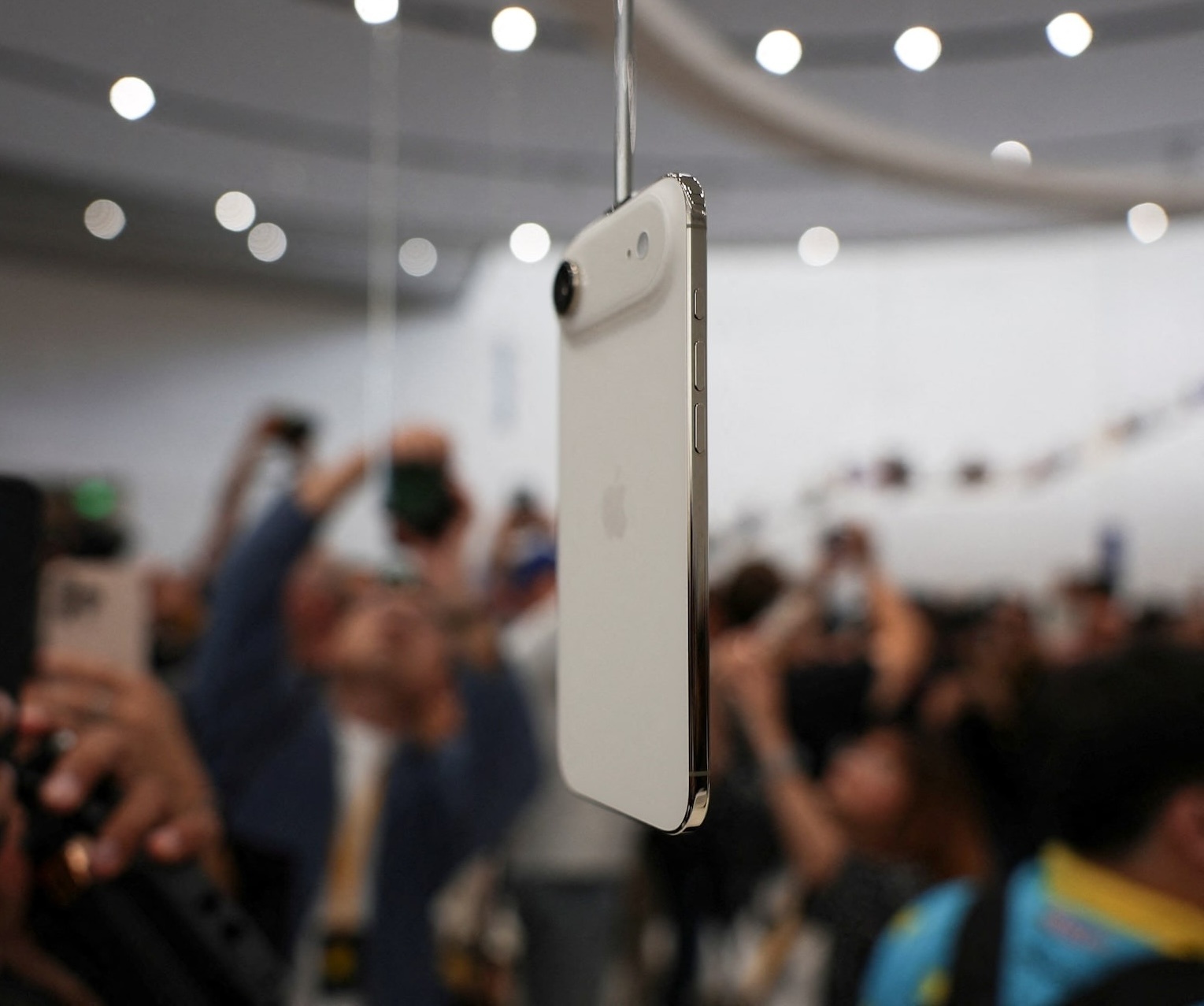
Apple's iPhone 17 launch event took place in the early hours of September 10th (Vietnam time). Amidst being overtaken by many competitors in the AI race, Apple faces significant pressure to maintain its appeal after generations of smartphones that haven't been particularly groundbreaking.
As rumored, Apple launched the iPhone 17 series along with an ultra-thin version called the iPhone Air. The device costs $1,000 , uses a high-density battery, and features a next-generation processor. Despite its impressive hardware, Apple faced criticism for avoiding mention of Apple Intelligence, a toolkit that is still in its infancy despite being launched over a year ago.
According to international experts, the iPhone Air is an attempt to diversify its product line and optimize profits, offering an impressive experience with its slim and lightweight design. However, Apple still needs to focus on improving its AI features to avoid falling too far behind.
iPhone Air "Test"
According to market research firm Canalys , the iPhone mini and iPhone Plus will only account for 6-8% of the iPhone market share between 2020 and 2024. This year, the iPhone Air replaced the iPhone 16 Plus, becoming the mid-range device in the 2025 iPhone lineup despite its higher price.
Speaking to Tri Thuc – Znews , analyst Le Xuan Chiew from Canalys suggested that the low sales of the iPhone mini and iPhone Plus stemmed from unclear market positioning.
"These products are stuck in a positioning gap, neither aiming for the best price nor being flagships."
"That's why they're struggling in markets like China and India, where screen size, performance-to-price ratios dictate user behavior," Chiew noted.
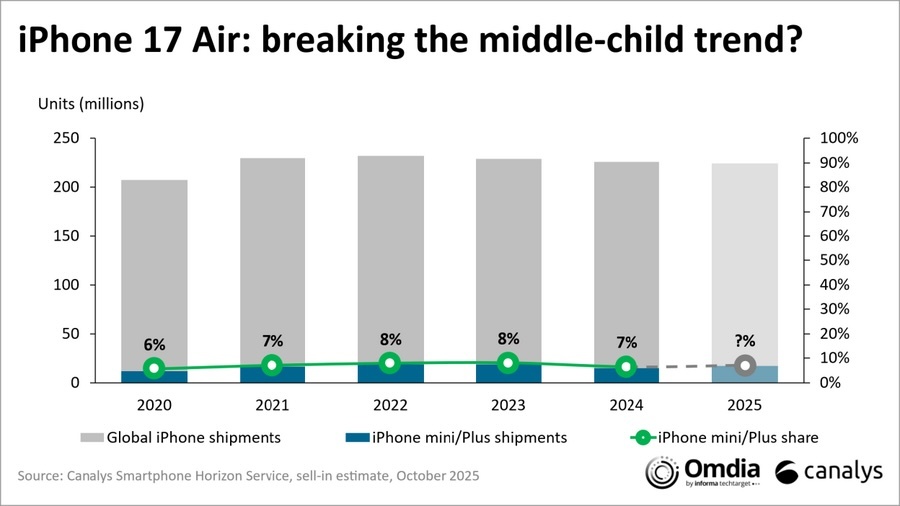 |
The sales ratio of iPhone mini and iPhone Plus between 2020 and 2024. Image: Canalys . |
At $1,000 , the iPhone Air sits between the standard iPhone 17 and the iPhone 17 Pro, although it's more expensive than the iPhone 16 Plus. According to Chiew, the novel design could encourage many users of older iPhones to upgrade.
“The iPhone Air demonstrates a shift in Apple’s strategy. By making thinness a premium feature instead of a large screen, Apple can eliminate its worst-selling model, strengthening its product development strategy,” analyst Le Xuan Chiew emphasized.
Neil Shah, Vice President of Research at Counterpoint Research , commented that this is Apple's broadest iPhone lineup ever. This could help the company compete better in key markets.
"Apple is striving to regain market share by introducing the widest possible iPhone lineup, from the iPhone 16e to the iPhone Air and iPhone 17 Pro Max. This strategy helps the company compete directly with many rivals, including the rise of Huawei in China," Shah said.
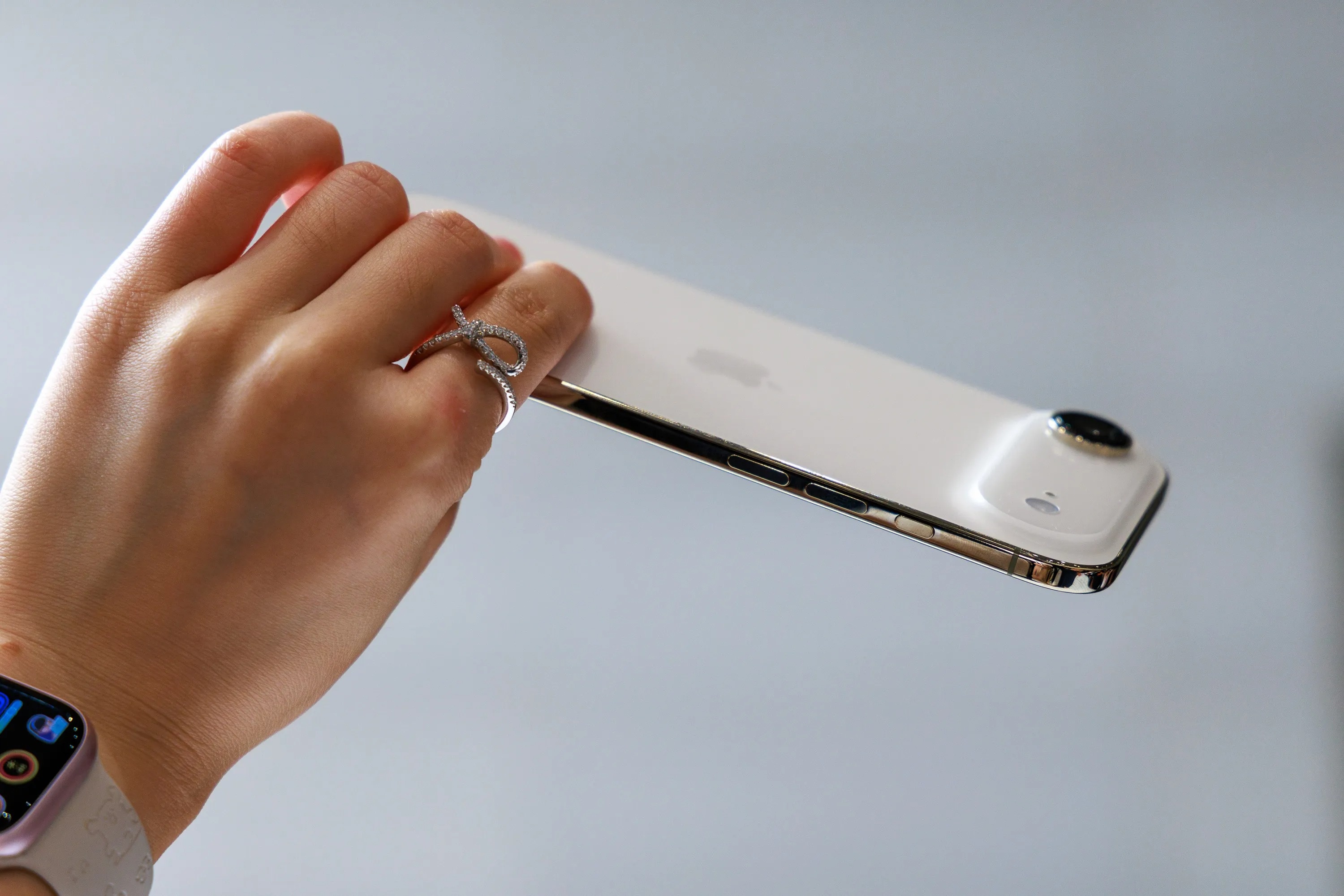 |
The iPhone Air is only 5.6 mm thick. Photo: Bloomberg . |
According to analyst Le Xuan Chiew, the slim and lightweight design of the iPhone Air is also a testbed for the foldable iPhone, a device that users have been waiting for for a long time.
"Slim design requires higher engineering, manufacturing, and material costs, making it difficult for cost-focused competitors to follow."
"For Apple, the iPhone Air could be a testing ground for ultra-thin designs, laying the foundation for a thinner, more durable foldable iPhone in the ultra-premium segment," Chiew said.
Sharing this view, analyst Neil Shah believes that a foldable iPhone is the only missing piece for Apple. If Apple launches a foldable phone, it could better compete with companies like Huawei, which has a wide product portfolio.
Apple's strategy
When launching the iPhone Air, CEO Tim Cook emphasized that it was the "most durable design ever." He stated that Apple utilized "every remaining small space" for the battery, promising impressive battery life, alongside the powerful A19 Pro processor.
Apple simply uses the name iPhone Air instead of grouping it with the iPhone 17 generation. This strategy is seen as similar to the MacBook Pro and MacBook Air, where the Air line is positioned as a separate segment with high expectations.
"Positioned as a complement to the high-end Pro line rather than just a budget product to boost sales, the iPhone Air reinforces Apple's premium brand image while offering users a distinct, design-focused alternative," said analyst Le Xuan Chiew from Canalys .
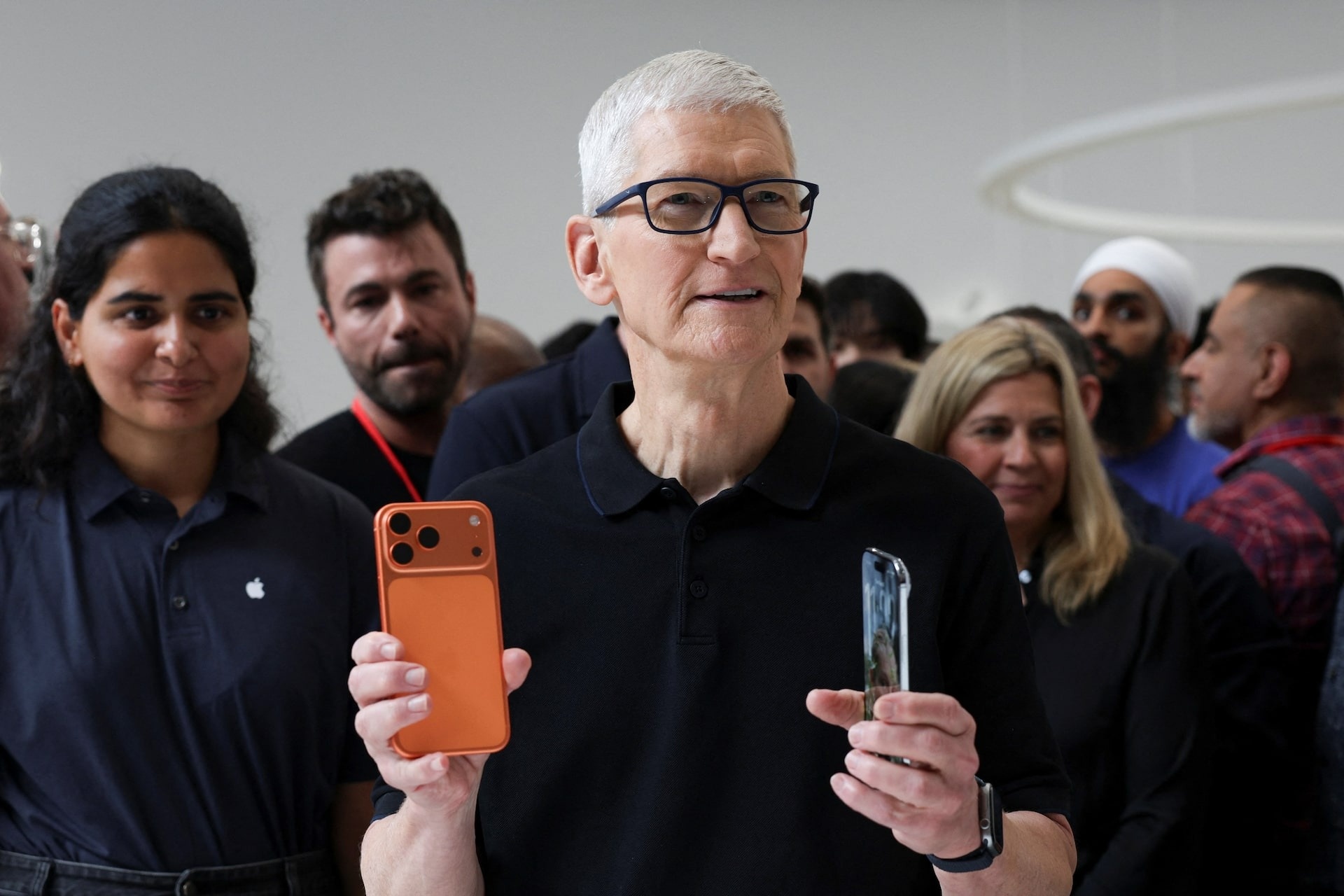 |
Tim Cook, CEO of Apple, holds an iPhone 17 Pro and an iPhone Air in his hands. Photo: Reuters . |
Mr. Chiew added that the iPhone Air could optimize profit margins for Apple. The mid-range price point helps balance sales and profits, capturing demand from both developed and emerging markets without directly impacting them.
Despite its potential, the price of the iPhone 17 Air remains a crucial factor. Analyst Ankit Malhotra from Counterpoint Research believes that a thin smartphone is a good idea, but the price remains a significant obstacle.
“In current price segments, such as the Galaxy S25 Edge, users are unwilling to compromise on features, especially camera and battery life. This has already been a problem with foldable smartphones, and ultra-thin phones will remain niche products unless these issues are addressed,” Malhotra shared with Tri Thức – Znews .
There are still many unanswered questions about the iPhone Air. Apple claims the device is highly durable (thanks to its titanium frame) and has "all-day" battery life, but these are factors that need to be tested in real-world conditions. However, it remains a highlight in the 2025 iPhone lineup, alongside the standard iPhone 17, iPhone 17 Pro, and 17 Pro Max.
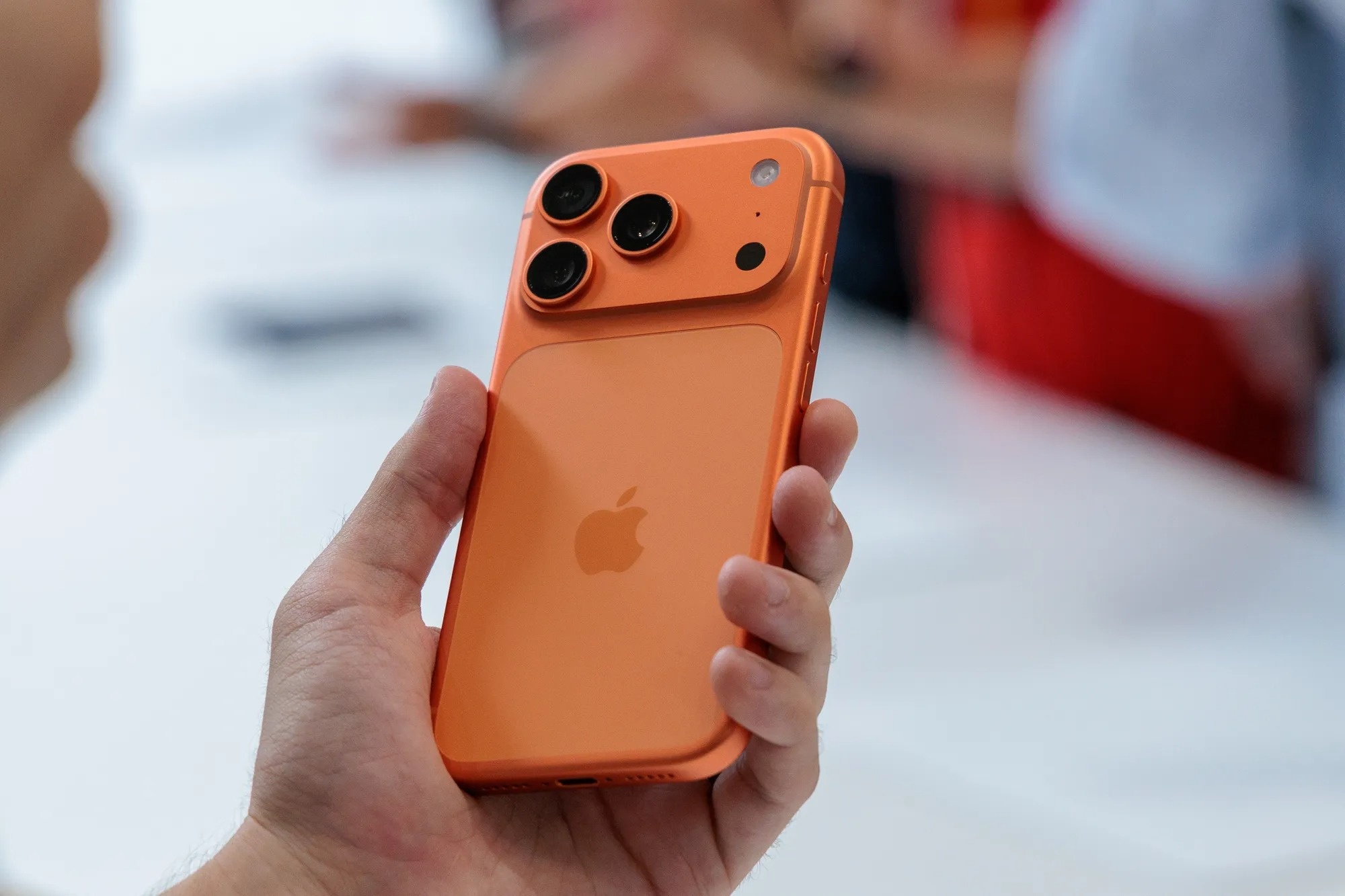 |
The iPhone 17 Pro features a new unibody aluminum design. Photo: Bloomberg . |
There were rumors that Apple would raise iPhone prices to offset tariff costs. However, iPhone prices in the US this year are basically not much different. The iPhone 17 is considered the best value, maintaining its $800 price point but with increased storage to 256 GB.
Meanwhile, Apple eliminated the 128GB version of the iPhone 17 Pro, leaving only 256GB and above options with a starting price of $1,100 .
"Given declining sales for three consecutive years, Apple needs to make every effort to minimize price increases."
"In fact, with the base model priced the same as last year, and the Pro line starting with a 256GB option instead of 128GB, it's a logical solution to ease profit pressure," said analyst SJ Lim from Counterpoint Research .
The low note is called Apple Intelligence.
A year after its launch, Apple Intelligence is still far from complete. Many features have been delayed due to technical issues. While Apple is collaborating with OpenAI for some supplementary features, competitors like Samsung and Google have moved ahead by integrating the Gemini model.
Questions about Apple Intelligence continue to surface as the recent event focused primarily on hardware, while its AI features were only briefly mentioned.
"Delays in rolling out first-party features create an accessibility gap, slowing down upgrades for some people and raising concerns about Apple's competitiveness," analyst Le Xuan Chiew shared.
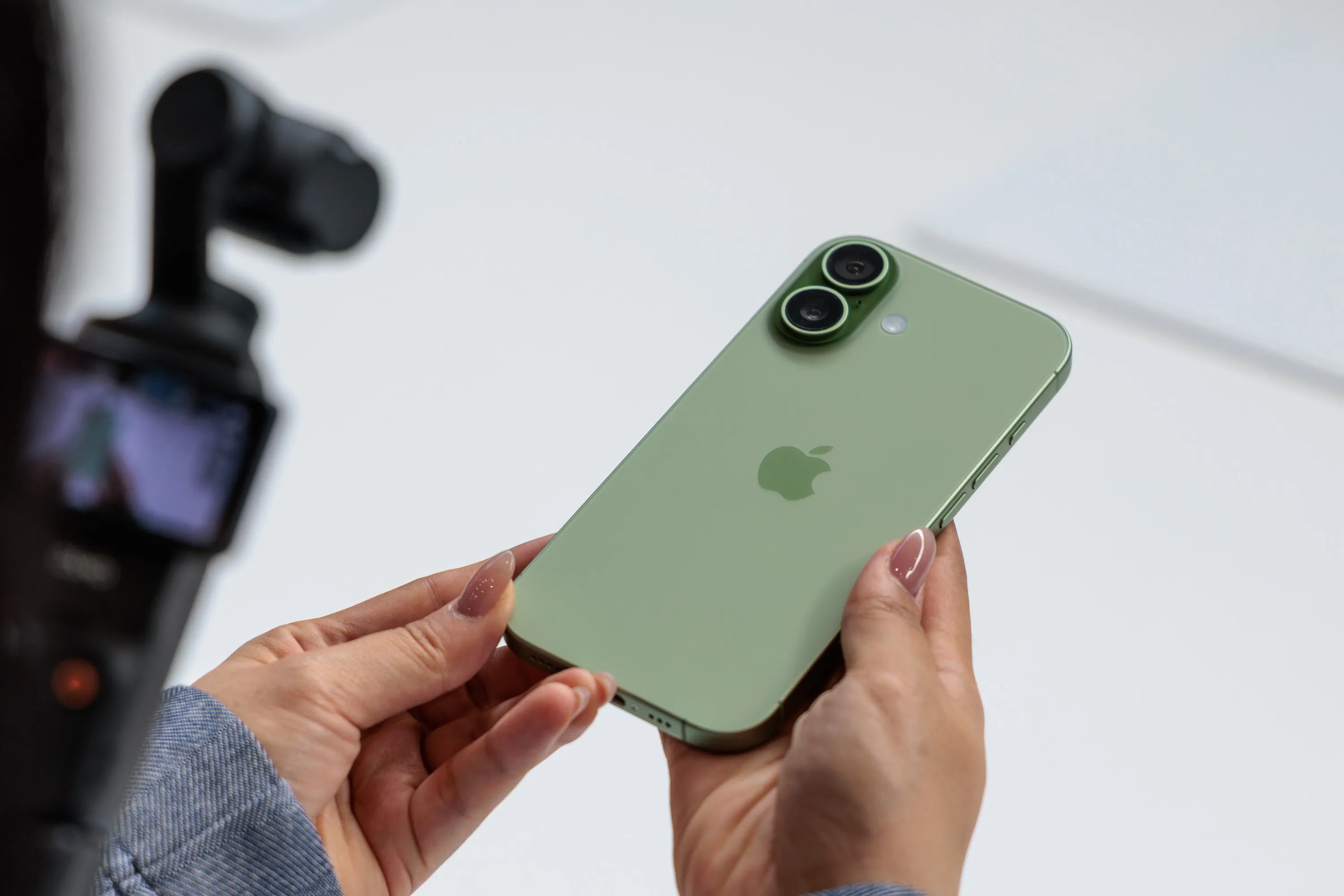 |
iPhone 17. Photo: Bloomberg . |
In China, Apple holds approximately 40% of the market share for AI-enabled smartphones. However, the fact that Apple Intelligence does not yet support this market has led users to turn to third-party solutions, including Doubao, which has over 100 million downloads on the App Store.
Chiew argues that if Apple doesn't quickly expand its language support and localize Apple Intelligence, it risks losing market share to domestic Android manufacturers, which possess a stronger software ecosystem.
Taking the iPhone 16e as an example, Chiew revealed that the product sold well in Europe and Japan, but rather slowly in emerging markets, partly due to a lack of Apple Intelligence. This suggests the company needs to combine hardware innovation with widespread software releases to differentiate itself.
Apple Intelligence is also positioned as a key element connecting the ecosystem. Integrating AI into devices like the Apple Watch and AirPods offers numerous benefits, particularly in health tracking data, device interaction, and enhanced security.
“At the event, the launch of the redesigned Apple Watch with a larger screen could highlight how Apple Intelligence is integrated into the wearable device, reinforcing Apple’s leading position in the smart wearable market, and emphasizing its AI-first strategy,” analyst Le Xuan Chiew added.
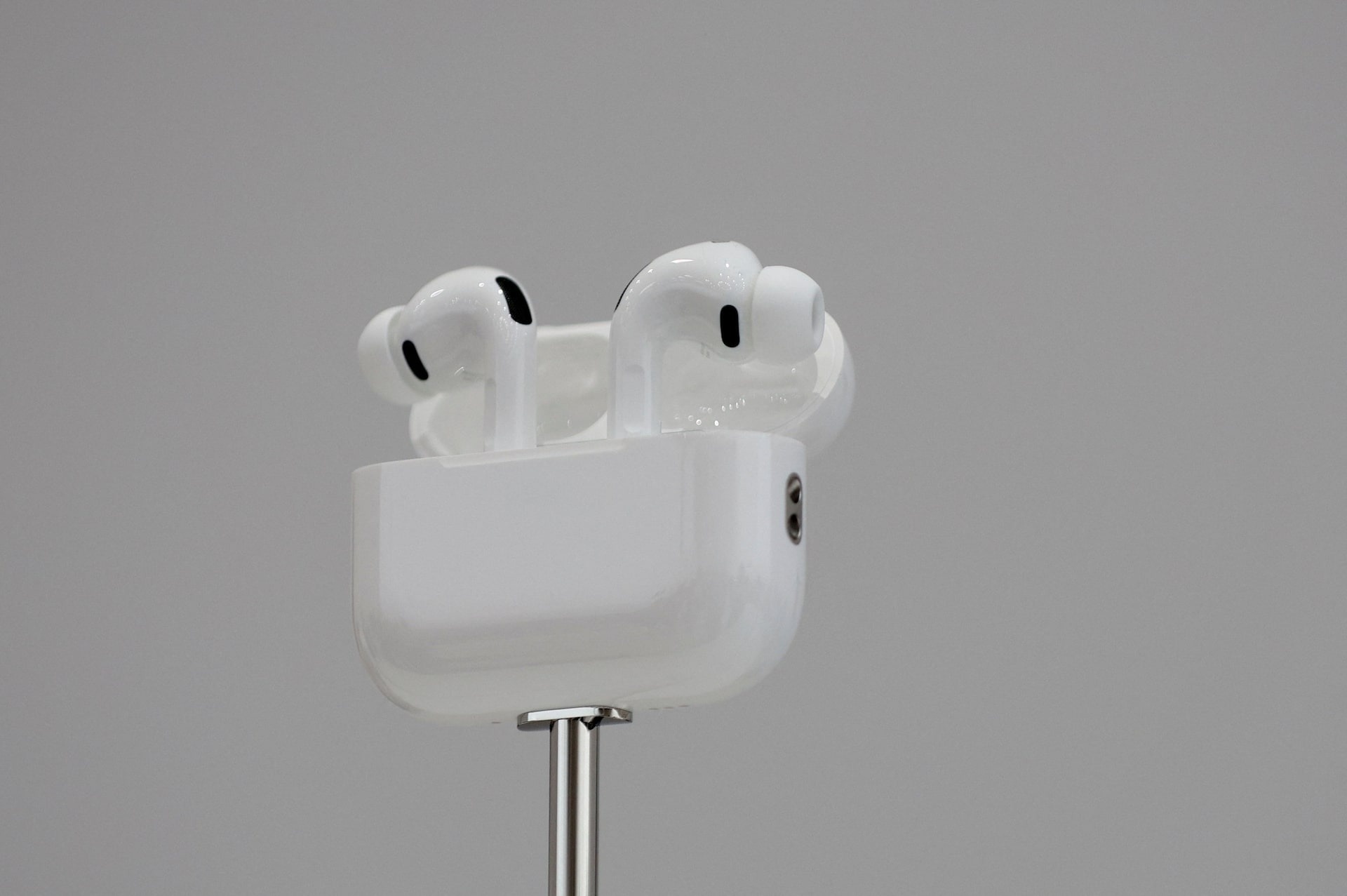 |
AirPods Pro 3. Photo: Reuters . |
In the long term, Chiew emphasized that falling behind in AI poses a greater risk than the price increase of iPhones. According to Omdia 's forecast, a quarter of smartphones will support AI by the end of this year, a sharp increase from 9% last year. The total number of downloads of AI-centric apps has surpassed 1 billion.
"This clearly reflects user demand for AI experiences. It's no longer just an add-on feature, but has become a differentiating factor for brands."
Therefore, delays in the AI race could create a major challenge for Apple. While focusing on creating advantages around privacy and data processing on devices, Apple needs to communicate these values more effectively to build user trust and drive AI adoption,” Chiew added.
Source: https://znews.vn/huong-di-moi-cua-apple-post1583850.html

![[Photo] Prime Minister Pham Minh Chinh receives the Chinese Ambassador to Vietnam](https://vphoto.vietnam.vn/thumb/1200x675/vietnam/resource/IMAGE/2026/04/05/1775397481797_ndo_br_dsc-5512-jpg.webp)

























































































Comment (0)