

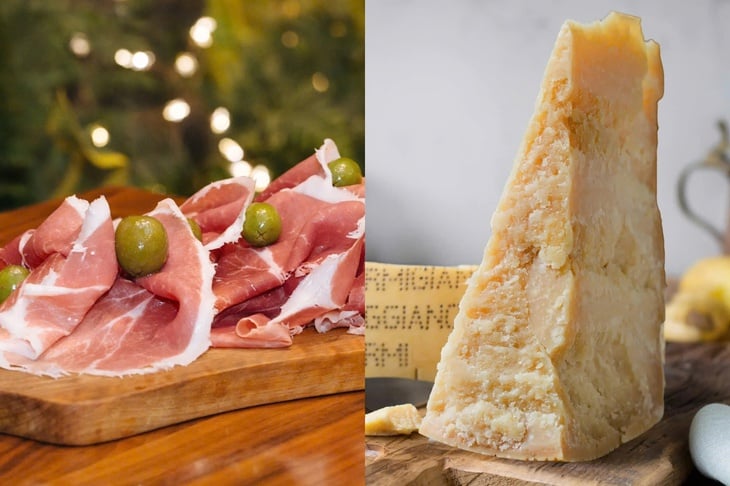
Parma ham (Prosciutto Crudo di Parma) and Parmesan cheese (Parmigiano Reggiano) - Photo: Emilia Food Love
According to Visit Italy, Parma is not only famous for its specialty flavors but also as the cradle of an advanced food industry. Barilla – the world's largest industrial pasta manufacturer – also began as a small bakery in Parma at the end of the 19th century.
And when mentioning Parma, people often immediately think of two Italian culinary heritages: Parmigiano-Reggiano cheese and Prosciutto di Parma cured meats.
Discover the renowned flavors from the Parma region of Italy.
In the treasure trove of local cuisine, Prosciutto di Parma is a meticulously prepared cured meat with a strictly controlled process.
The pork must be of clear Italian origin, weigh at least 145kg, and contain no additives or preservatives; only salt is used for curing. After 12 to 48 months of aging and rigorous quality control, the finished product is recognized as authentic Prosciutto di Parma.
Although diners may encounter Prosciutto di Parma in countless Italian recipes, from appetizers to desserts, or on the menus of prestigious Italian restaurants, the people of Parma will frankly say: "Prosciutto di Parma is best enjoyed simply on a slice of properly baked, crispy bread."
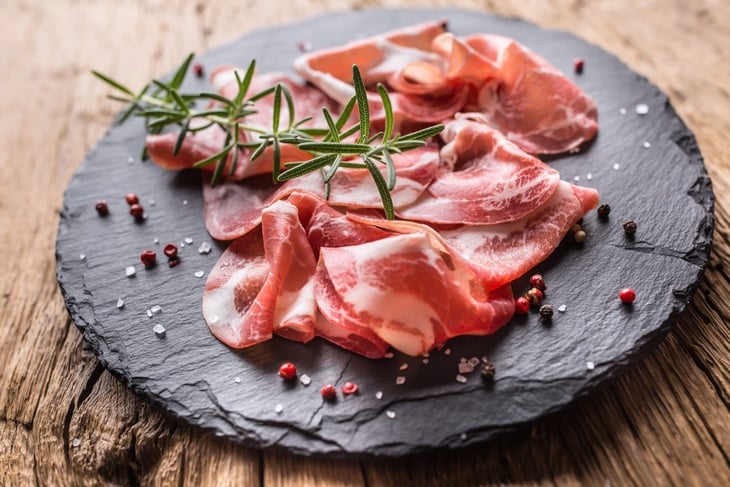
Prosciutto di Parma is known for its distinctive, slightly sweet, creamy flavor and is often eaten with cheese, fruit, or used in various dishes. - Photo: Cheese Connoisseur
Parmigiano-Reggiano cheese, on the other hand, is made from cow's milk from which the fat has been naturally removed, aged for 12 to 24 months, sometimes longer. As a result, this type of cheese is not only rich in calcium and phosphorus but also easy to digest, making it very suitable for both children and the elderly.
Parmigiano-Reggiano is shaped into round cakes weighing approximately 36 kg and must be sliced open with a special knife to preserve its internal structure.
Parmigiano-Reggiano can be sliced and eaten with honey or fruit jam, or shredded or thinly sliced and sprinkled on salads, pasta, or soups.
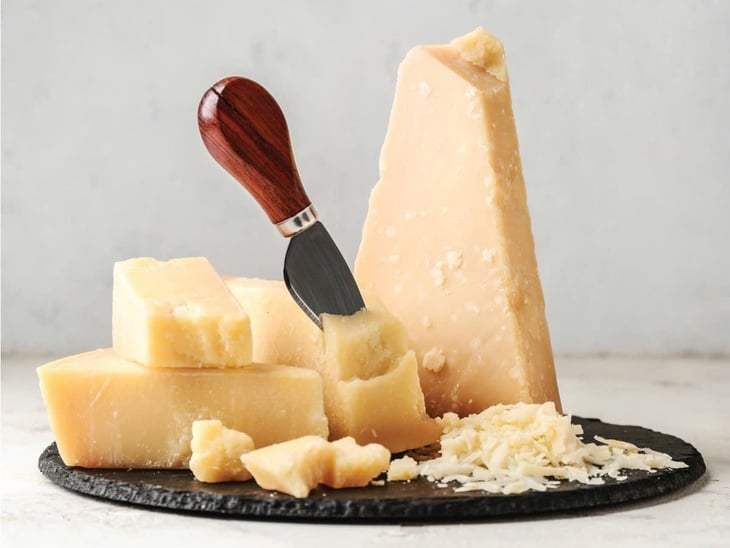
Parmigiano-Reggiano is known as the "king of cheeses" - Photo: Oliver's Markets
Raymondo, a resident of Parma, said: "For me, Parmigiano-Reggiano cheese is an indispensable part of our daily meals. My family often eats it with pasta or enjoys small pieces on its own. In addition, cured meats and salami are also essential items on our table."
Mauro Gaffurini, a tourist from Southern Italy, affirmed: "Parma's cuisine deeply impressed me, especially the tortellini, cured meats, and Parmigiano-Reggiano cheese. This city has a unique charm that makes you want to return."
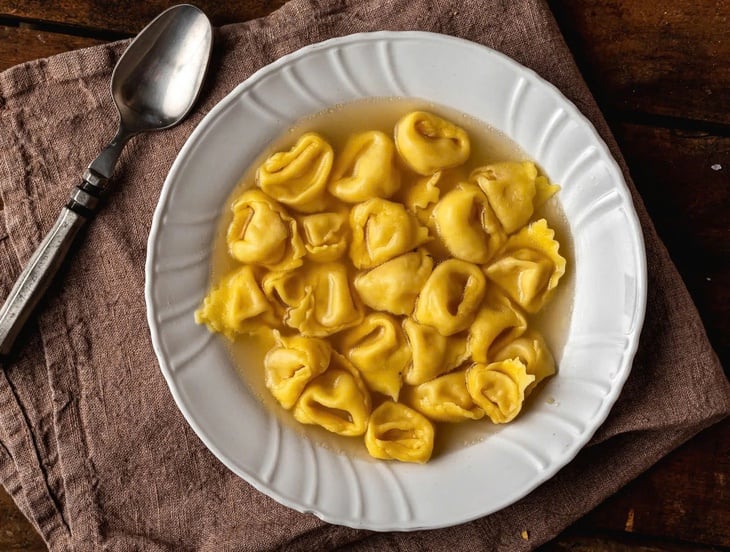
Tortellini are small, ring-shaped pasta rolls originating from the Emilia region of Italy, often stuffed with meat or cheese. They are typically eaten with broth or sauce. - Photo: Britannica
When visiting Parma, tourists absolutely must try the traditional dishes with their distinctive flavors, from antipasto and cheese appetizers to ham-filled pastries sold through the colorful windows of quaint bakeries.
With roots dating back to ancient Rome, Prosciutto di Parma is a source of pride not only for the local people but also for the whole of Italy.
Every September, the Parma Ham Festival is held here, attracting thousands of visitors who come to explore and enjoy the culinary delights of this region.
Some other signature dishes in Parma:
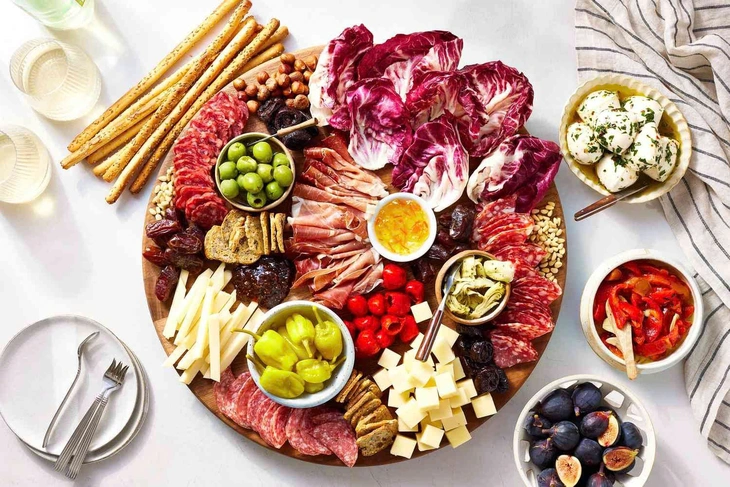
In Italian cuisine, antipasto is an appetizer, usually served on a large plate, intended to stimulate the diner's appetite before enjoying the main course. - Photo: Martha Stewart
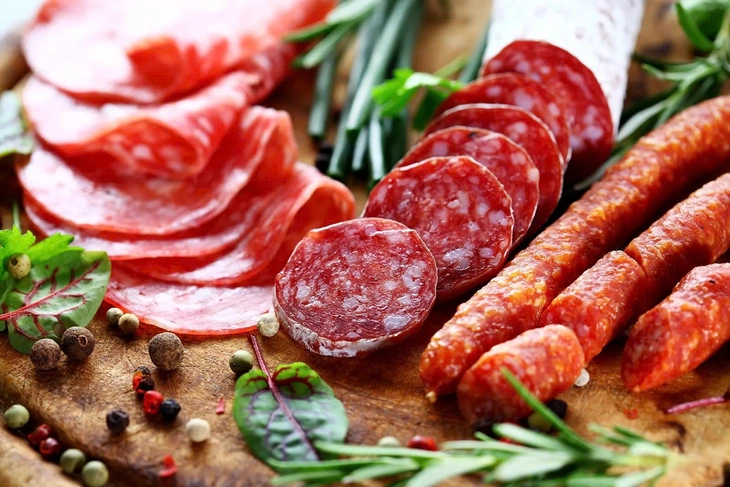
Salami, also known as salame, is a type of dry sausage originating from Italy, made from meat (usually pork) and spices such as garlic, pepper, and wine, then fermented and dried. Italian salami is famous for its rich, savory flavor and is often sliced thinly to be eaten with bread, cheese, or as an ingredient in other dishes. - Photo: Britannica
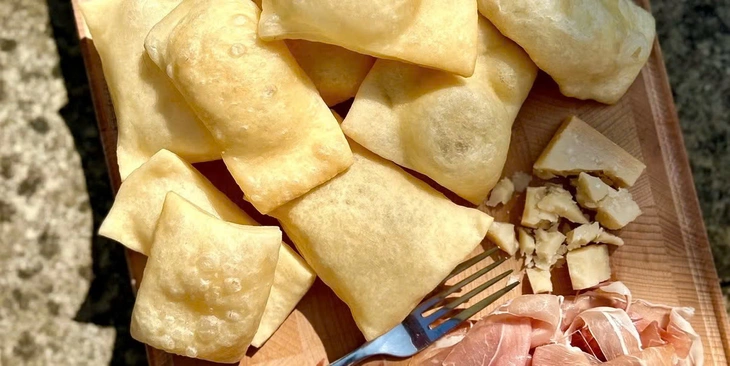
If you visit Parma and haven't tried torta fritta, your trip is incomplete. Although the name means "fried cake" in Italian, don't mistake it for a sweet treat. It's actually a type of fried bread, made from flour, water, and lard (or olive oil). - Photo: Delish
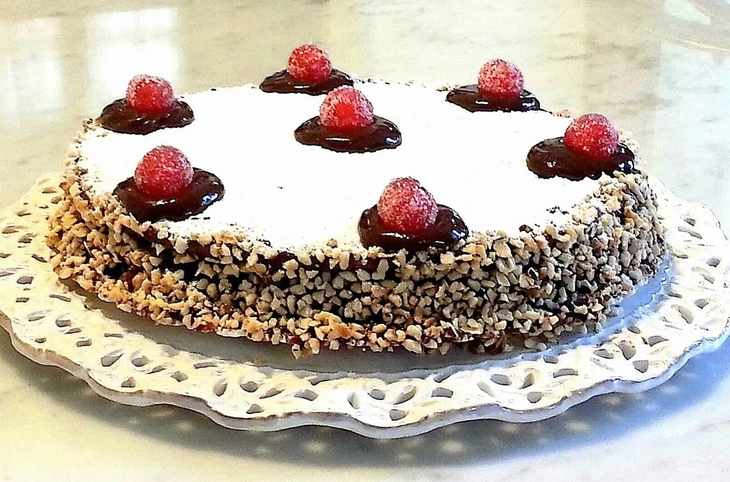
Parma cuisine is not limited to savory dishes. Its desserts also bear a strong historical imprint and unique flavors. A prime example is the Torta Duchessa di Parma, a famous cake named after Duchess Maria Luigia, who once ruled Parma. Made with chestnut flour and filled with a mixture of zabaglione (egg custard and wine) and rich chocolate cream, this cake is a must-try. - Photo: Nonna Paperina
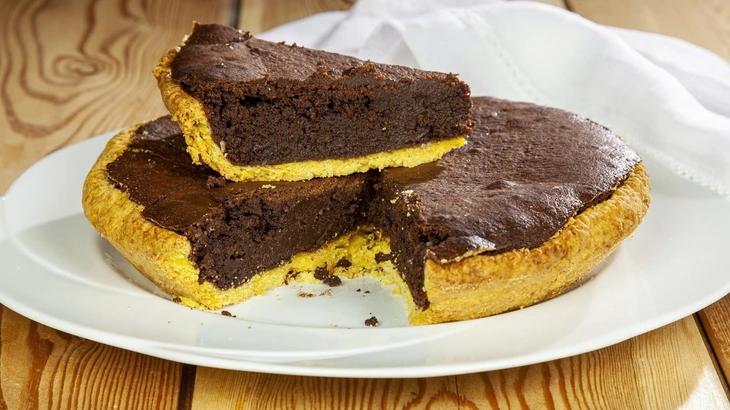
Torta Nera di San Secondo is a rich cake with flavors of almond, chocolate, and coffee, originating from the town of San Secondo. - Photo: Casa Pappagallo
Source: https://tuoitre.vn/pho-mai-va-thit-nguoi-ngon-nhat-o-dau-20250627221137149.htm

![[Image] National Assembly discusses the implementation of the socio-economic development plan.](https://vphoto.vietnam.vn/thumb/1200x675/vietnam/resource/IMAGE/2026/04/20/1776696707422_ndo_br_img-20260420-185419-jpg.webp)


![[Photo] General Secretary and President To Lam meets with National Assembly delegates from ethnic minorities.](https://vphoto.vietnam.vn/thumb/1200x675/vietnam/resource/IMAGE/2026/04/20/1776696701056_a1-bnd-8331-3342-jpg.webp)





























































Comment (0)