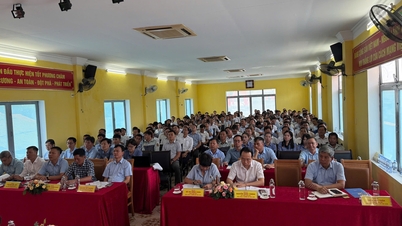
In many mountainous areas, a significant number of people still only seek medical attention when their illness has become severe. This makes treatment more difficult, costly, and poses many long-term health risks. In implementing Prime Minister's Directive No. 17/CT-TTg on providing free health check-ups or screenings for the people at least once a year, the provincial health sector has quickly developed a plan and implemented it comprehensively across all localities.
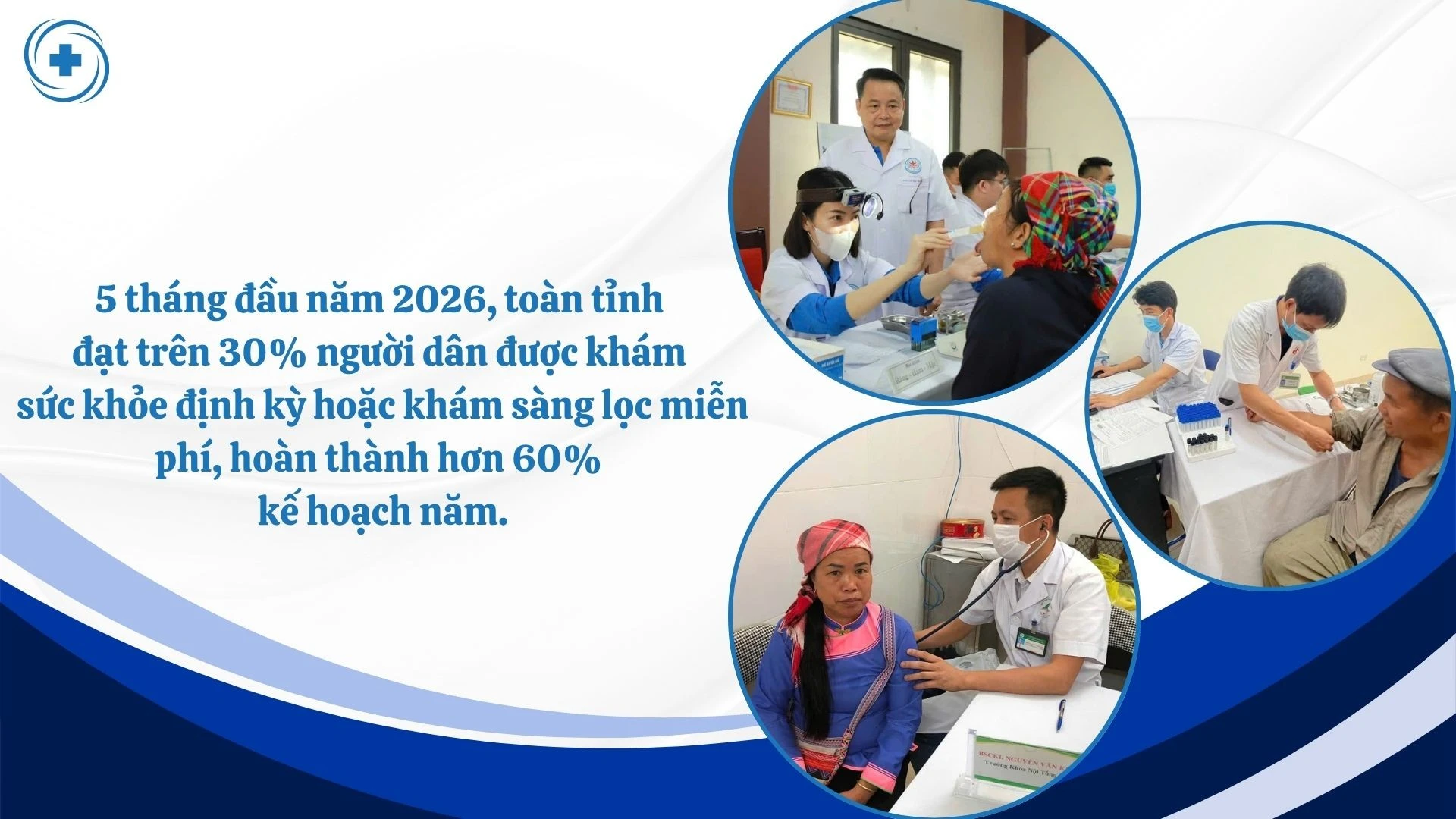
Health check-ups and consultations organized directly at local facilities have facilitated people's access to healthcare services. As a result, many cases at risk of disease have been detected early for monitoring and treatment. In the first few months of 2026, the health sector organized check-ups, consultations, and screenings for over 13,000 people, thereby detecting more than 500 cases at risk of diseases such as hypertension, blood sugar disorders, thyroid disease, and many other conditions.
Ms. Ly Thi Mui from Khe May village, Yen Binh commune, shared: “Previously, if I wanted a general check-up, I had to go to the old district health center or the provincial hospital. Now that I can get checked right in the commune, I know I have symptoms of high blood pressure so I can adjust my diet and monitor my health more regularly. If I hadn't been checked early, I probably wouldn't have known I was at risk of developing the disease.”
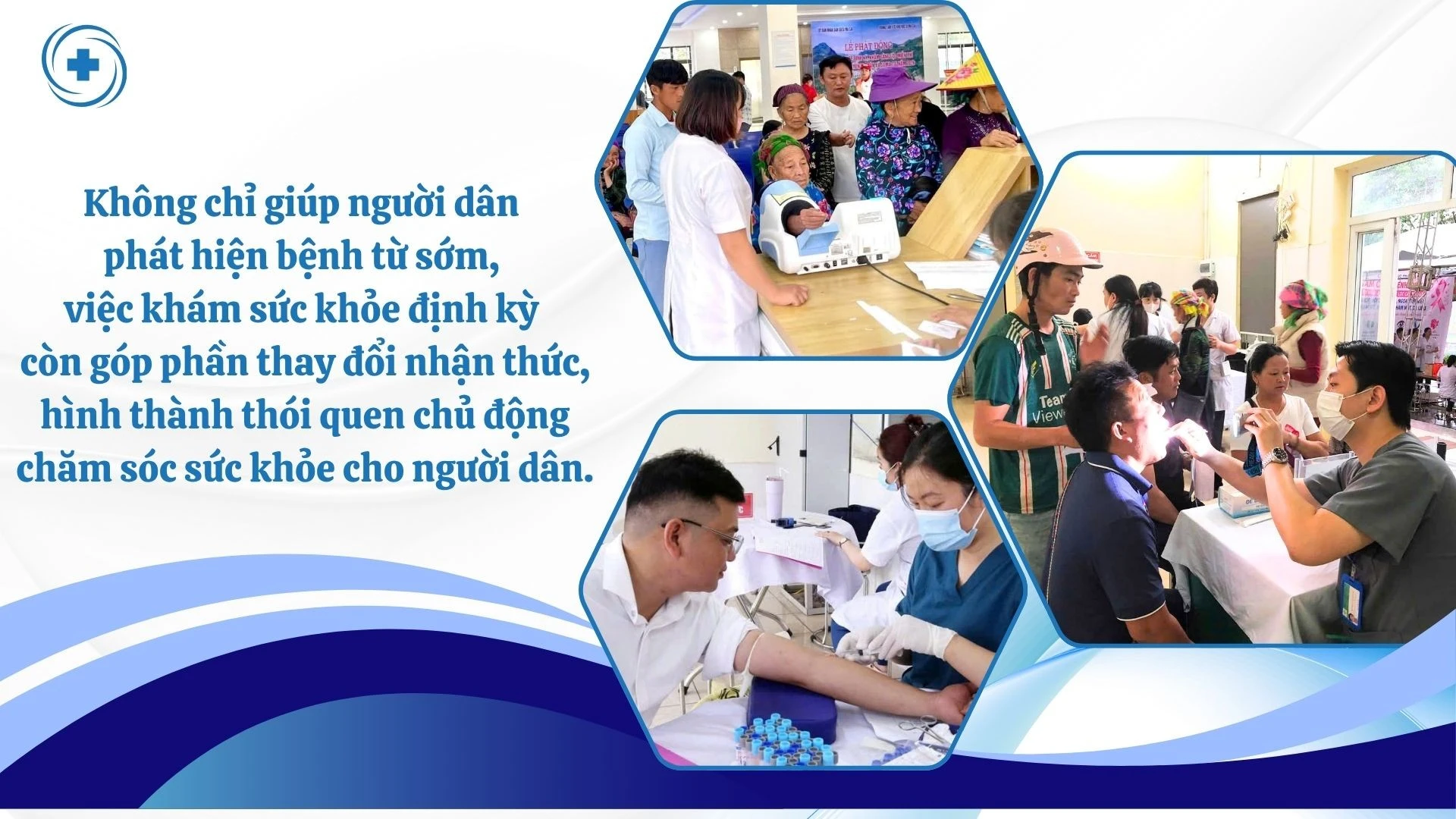
Regular health checkups not only help people detect diseases early, but also contribute to changing perceptions and forming proactive health care habits instead of only seeking medical attention when symptoms appear.
To implement the policy of regular health check-ups, the grassroots healthcare network plays a particularly important role. After reorganizing the administrative structure, the province currently has 99 commune/ward health stations and 193 health station points operating throughout the area.
In the first five months of 2026, health stations provided nearly 500,000 medical examinations and treatments to the people. These are the frontline forces directly involved in accessing and managing community health and implementing preventive health programs at the grassroots level.

Regular health checkups help healthcare workers stay informed about the health status of residents in the area. By detecting risk factors early, we can provide advice, manage and monitor health regularly, preventing the disease from progressing to a severe stage before treatment is sought.
Alongside organizing health check-ups, the health sector is also promoting the development of electronic health records and health books for the people. To date, 92% of the population has had electronic health books created for their lifecycle; and 33.6% of the population has installed and used the electronic health book on the VNeID application. When health data is digitized, tracking medical history, managing chronic diseases, and providing treatment advice will be more convenient, creating a foundation for long-term healthcare.
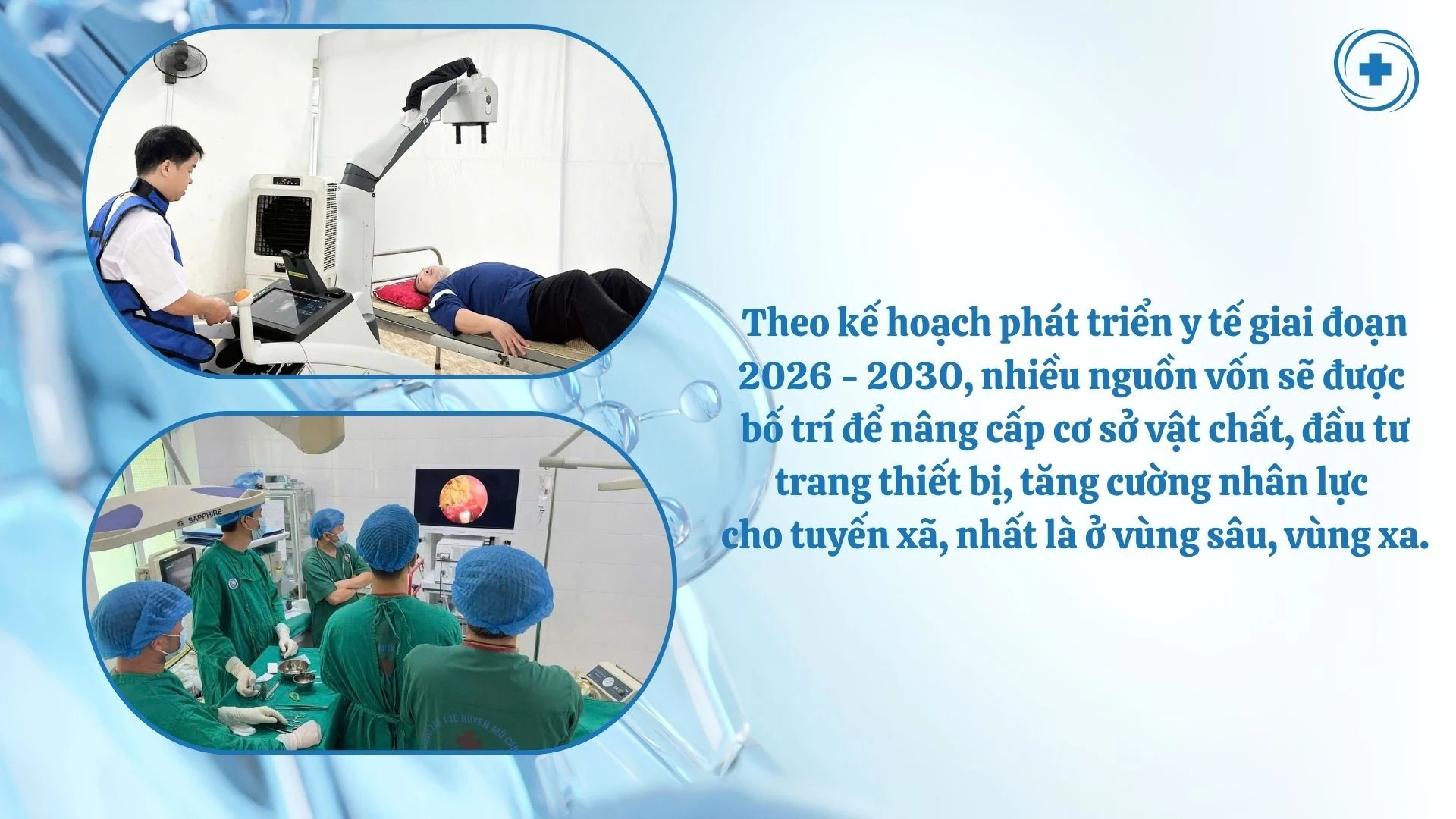
Despite initial successes, the implementation of routine health check-ups at local health facilities still faces numerous challenges. According to the Department of Health, many health stations currently lack personnel, equipment, and infrastructure.
The entire province has 55 health stations with only one doctor each; a shortage of 217 doctors compared to the new regulations. Notably, 86 out of 99 health stations lack basic functional rooms; 93 health stations are assessed as having inadequate equipment; 87 stations lack diagnostic imaging equipment, and 90 stations lack basic laboratory equipment. This is also one of the reasons why the organization of periodic health check-ups in some areas has not achieved the desired effectiveness.
However, with a determination to improve the quality of healthcare for the people, the province is continuing to prioritize resources for grassroots healthcare. According to the healthcare development plan for the period 2026-2030, many funds will be allocated to upgrade facilities, invest in equipment, and strengthen human resources at the commune level, especially in remote and disadvantaged areas.
The Provincial People's Committee has issued Plan No. 201 on the rotation of medical staff in 2026 to improve the quality of medical examination and treatment and strengthen the capacity of the grassroots health system.
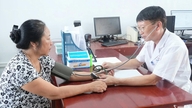
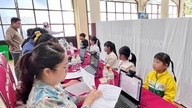
According to the plan, in 2026, the province is expected to send approximately 80 medical staff from 2 provincial general hospitals and 17 regional health centers to participate in rotational support for lower-level healthcare facilities. This includes specialist doctors, general practitioners, nurses, midwives, and technicians to meet the professional needs of grassroots healthcare facilities.

Caring for the people's health has always been one of the key tasks in socio -economic development. Organizing regular health check-ups and free screenings not only helps people detect diseases early and reduce treatment costs, but also contributes to building a healthy community, improving the quality of human resources, and ensuring social security.
Source: https://baolaocai.vn/phong-benh-tu-co-so-post901287.html
![[Image] Ho Chi Minh City: Ma Lang area, Chicken-Rice Market about to change its appearance](https://vphoto.vietnam.vn/thumb/1200x675/vietnam/resource/IMAGE/2026/06/25/1782377698627_ndo_br_m1-jpg.webp)



![[Photo] General Secretary and President To Lam receives Palestinian Ambassador Saadi Salama](https://vphoto.vietnam.vn/thumb/1200x675/vietnam/resource/IMAGE/2026/06/25/1782365384740_a1-bnd-9423-8322-jpg.webp)
![[Image] Schools organize meetings and introduce teaching models to students admitted to grade 10.](https://vphoto.vietnam.vn/thumb/1200x675/vietnam/resource/IMAGE/2026/06/25/1782368077271_ndo_br_z7970052192242-1ec8daeb77a6eed1a4e9f58c564ddd3e-jpg.webp)





![[GALLERY] Voidling Bound takes Steam by storm with 94% positive reviews.](https://vphoto.vietnam.vn/thumb/402x226/vietnam/resource/IMAGE/2026/06/25/1782396892878_tua-1-png.webp)