

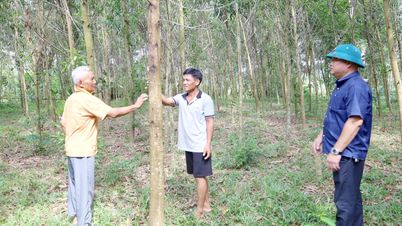
Quy Mong commune currently has 5,746 hectares of cinnamon, of which approximately 3,800 hectares are planted intensively as a monoculture. This is one of the key crops, playing an important role in the local economic development.
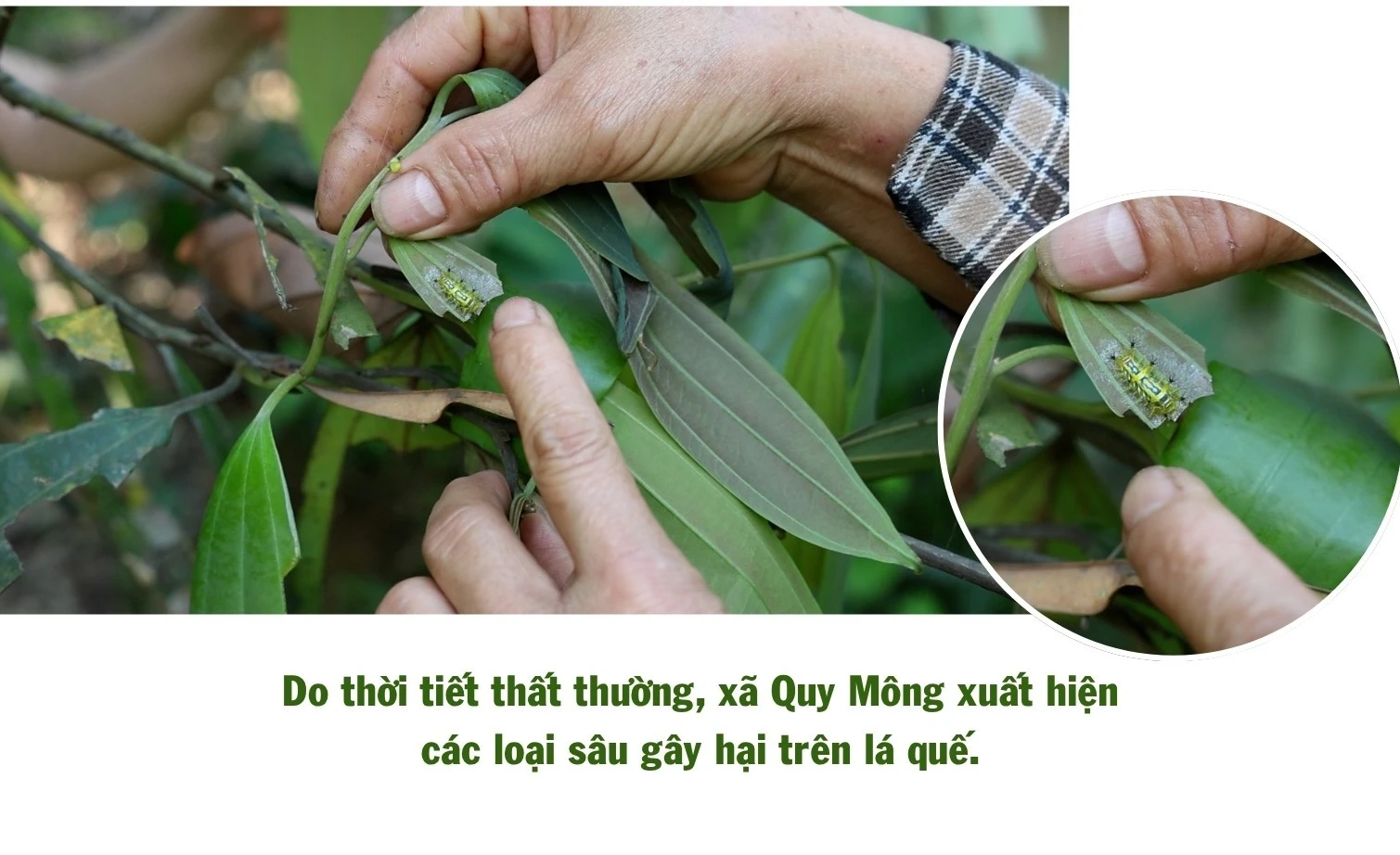
According to the assessment by specialized agencies, the total area of cinnamon trees infested with leaf-eating insects is approximately 20 hectares, distributed across several villages, such as: Dong Cat, Kien Lao, Dong Song, Da Khanh, An Thinh, An Hoa, An Thanh, Tan Viet…
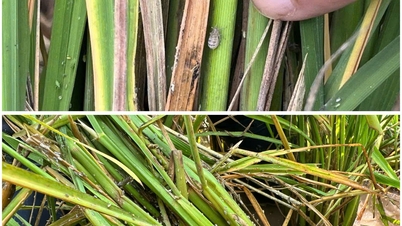
The main pests are caterpillars and hairy caterpillars. Caterpillars, especially in their 1-2 instar larval stage, tend to thrive, feeding on large areas of leaves, causing large gaps, or even stripping leaves bare, leaving only the main vein. Hairy caterpillars appear sporadically but have the potential to develop into localized outbreaks if weather conditions are favorable (alternating sunshine and rain).
Furthermore, the time when pests and diseases appear coincides with the summer sprouting period of cinnamon trees. This is the stage when the leaves are still young and have weak resistance, therefore, the level of damage is even more pronounced. In reality, some areas with dense planting, far from residential areas, and less frequently inspected are the places where higher levels of pest damage are recorded.
Ms. Hoang Thi Thuy from Kien Lao village, Quy Mong commune, said: "Around the end of March and beginning of April, when checking the cinnamon hills, I discovered many caterpillars on the trees that were sprouting new leaves. The caterpillars are small but eat very quickly; within a few days, many leaves are damaged."
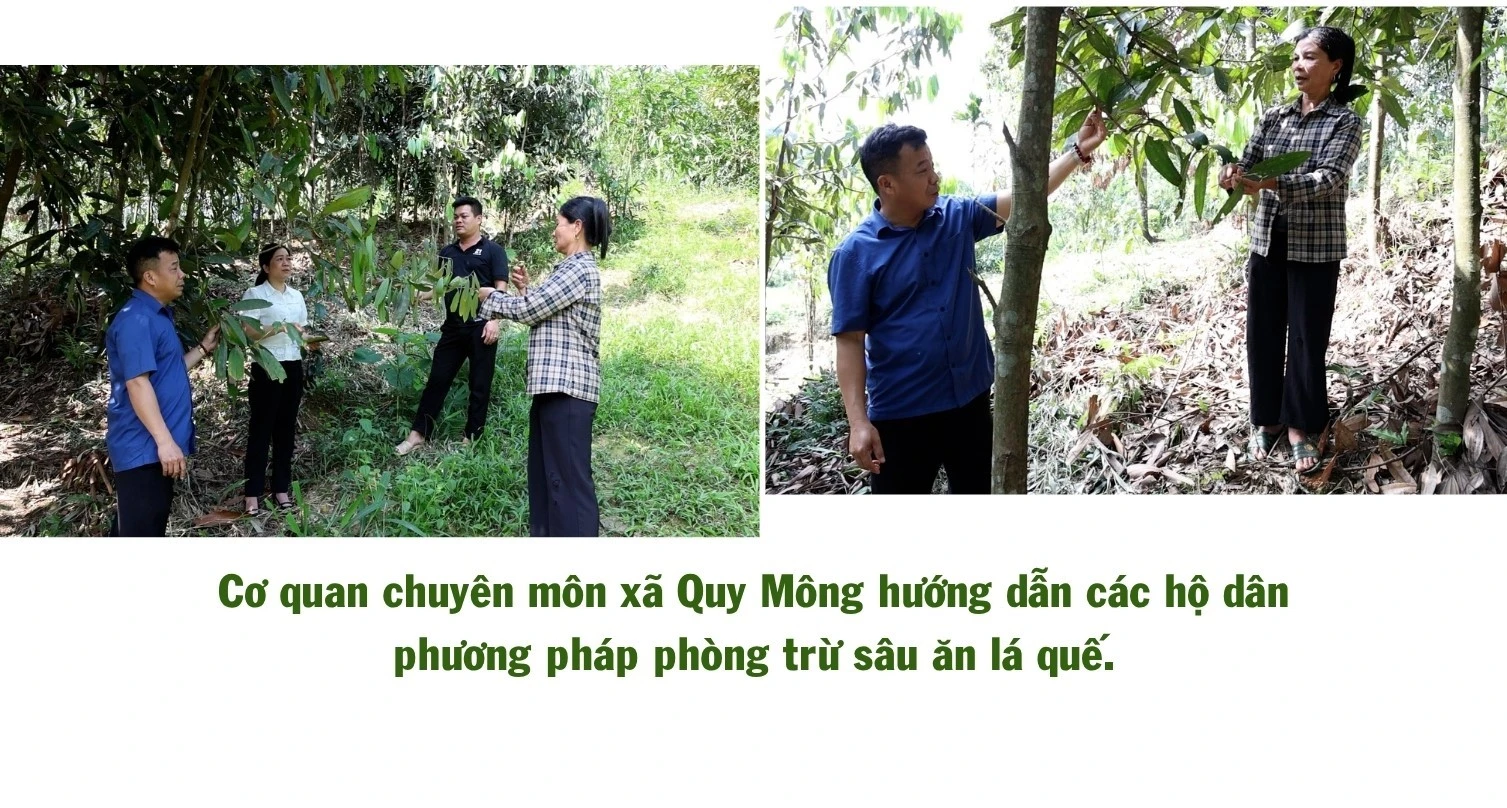
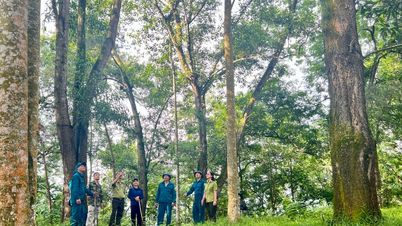
Although the infested area is not large, due to its rapid spread, if not detected and treated promptly, the risk of a widespread outbreak is very high. Immediately after receiving information from the field and reports from residents, the Quy Mong commune government directed specialized departments to urgently conduct on-site inspections, assess the extent of the damage, and simultaneously implement comprehensive control measures.
Based on the actual situation, the specialized agency of Quy Mong commune guides people to control pests in a flexible manner, appropriate to each level of damage. In areas where pests have recently appeared and their density is still low, people mainly apply manual methods such as clearing vegetation, removing debris, pruning branches, and proactively catching and killing larvae and pupae, while also using light traps to limit the spread of adult pests.
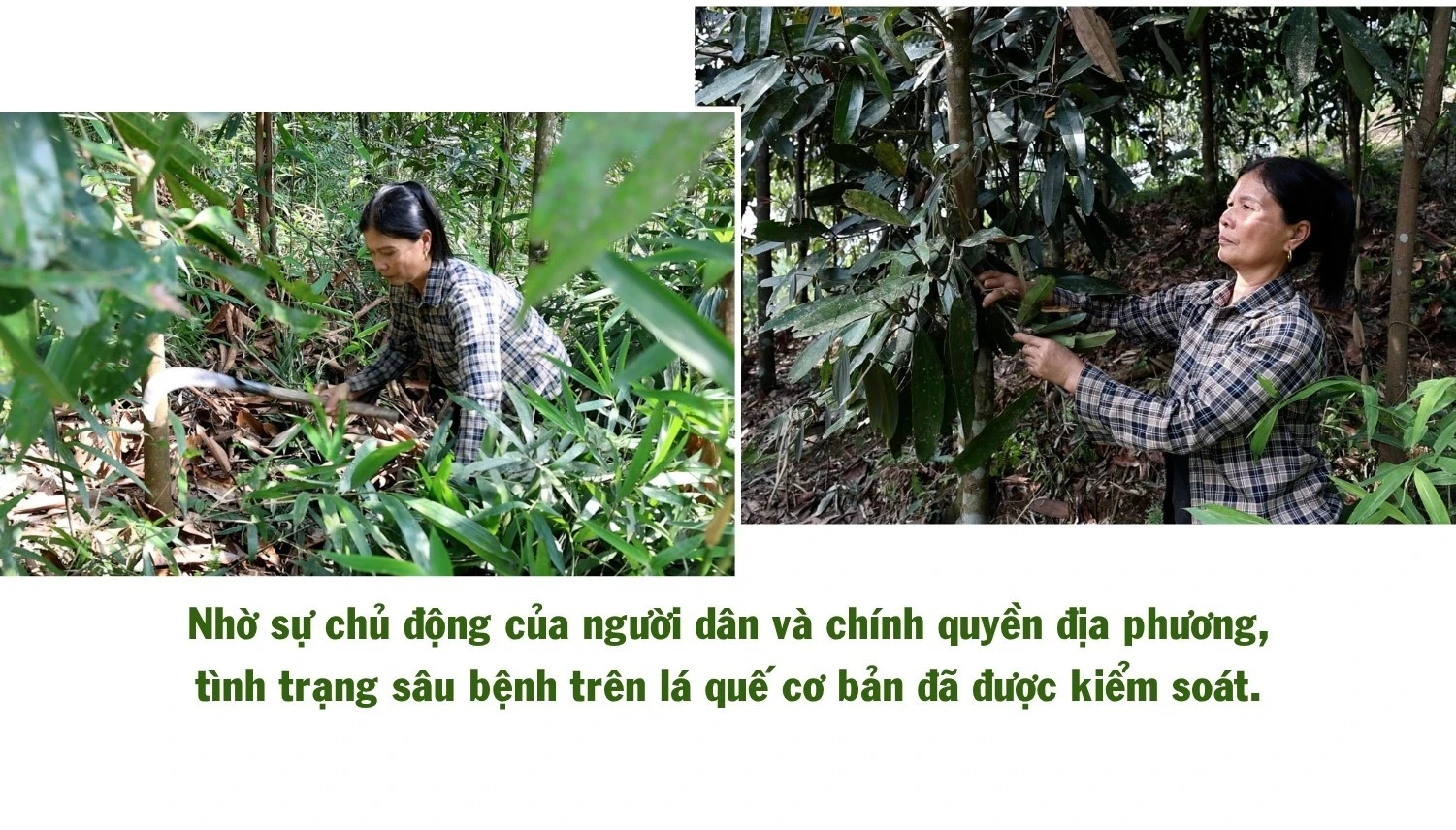
In addition, protecting the natural ecosystem in the cinnamon hills is also emphasized, contributing to the role of natural enemies in pest control. Thanks to this approach, many areas have limited the outbreak and spread of pests and diseases without relying heavily on chemicals.
In areas with high pest density and widespread damage risks, the use of pesticides is controlled, timely, and focused on the larval stage to maximize effectiveness. Strict safety and environmental protection measures are also implemented during spraying, contributing to safe and sustainable production.
Mr. Ha Van Luyen, an official from the Economic Department of Quy Mong commune, said: "We have coordinated with the villages to inspect and demarcate the affected areas, guiding people to correctly identify the pests in order to apply appropriate control measures."
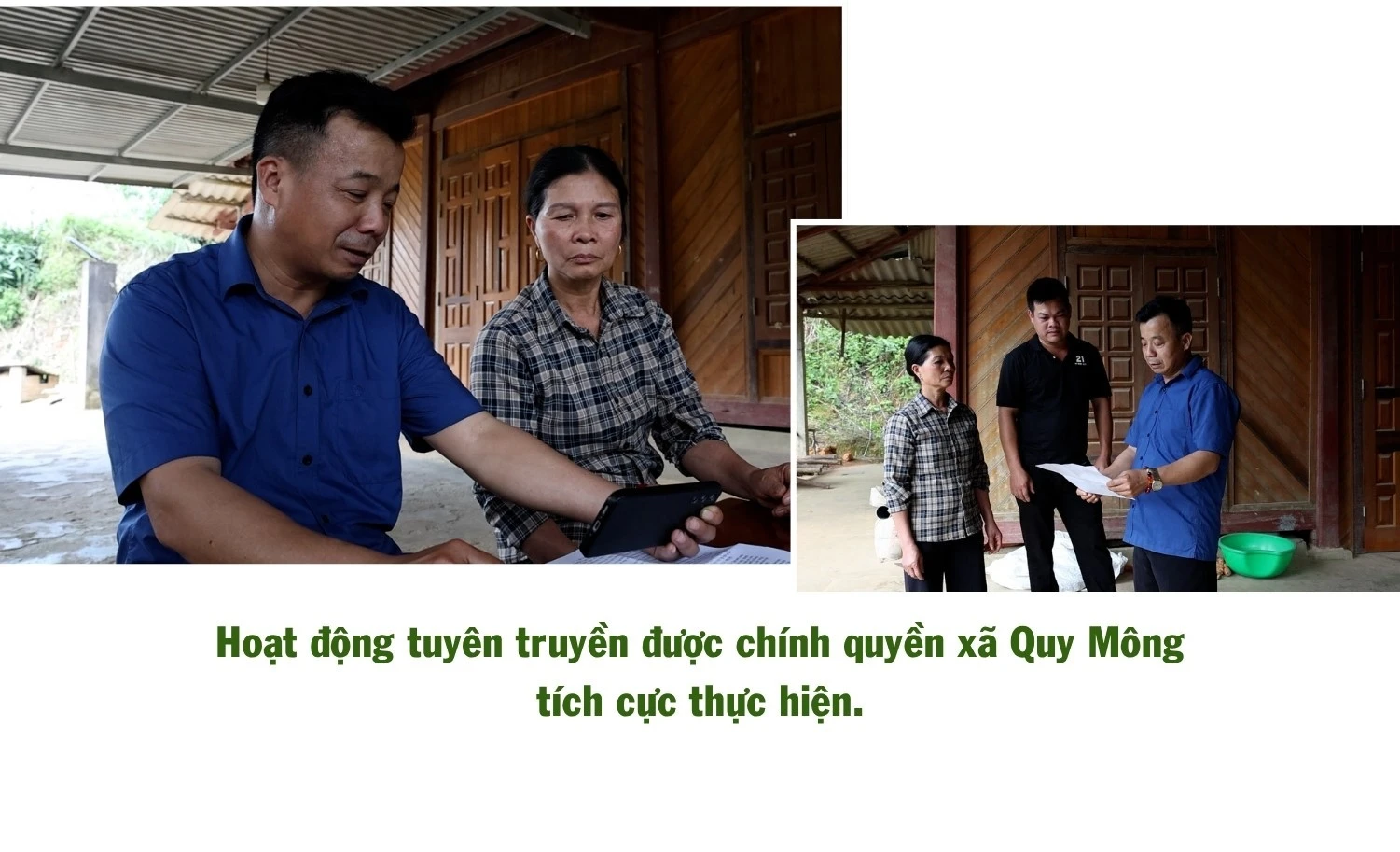
According to the head of the Economic Department of Quy Mong commune, proactive inspection, early detection, and timely implementation of pest control measures are decisive factors in pest control. Along with professional work, propaganda activities have been intensified through the public address system and village meetings, helping people to take timely action.
As soon as we received information from the field, we coordinated with the commune's General Service Center to implement comprehensive solutions, focusing on providing technical guidance to the people and raising their awareness of proactive pest control. Thanks to this, pests and diseases were controlled promptly, preventing widespread outbreaks.
Given the unpredictable weather patterns, plant pests and diseases may arise. Therefore, proactive monitoring, early detection, and timely treatment are crucial requirements. Close coordination between the government, specialized agencies, and the people will not only help control pests and diseases effectively but also contribute to the sustainable protection of key crop areas.
Source: https://baolaocai.vn/quy-mong-giu-mau-xanh-doi-que-post899521.html






























































Comment (0)