

 |
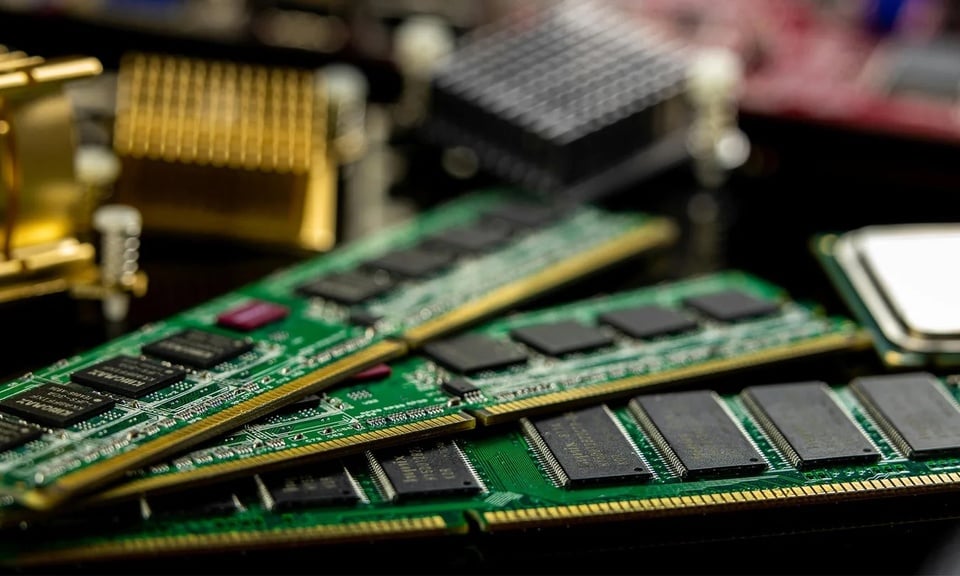
Along with the price surge, the RAM market is further disrupted by the proliferation of counterfeit products. Photo: Pexels . |
According to Digital Trends , counterfeit DDR5 RAM is appearing in large quantities on online platforms and small retail stores in the Asian PC market, especially as memory prices continue to rise.
Counterfeit RAM modules are often disguised as genuine modules from well-known brands like Samsung or SK Hynix, with fake labels, serial numbers, and packaging.
More sophisticatedly, some counterfeit SO-DIMM modules, the type of RAM used in laptops, use plastic pieces shaped like DRAM chips to mimic the component arrangement on genuine parts.
Some counterfeit RAM modules are openly sold as "junk" or "untested" goods on e-commerce sites like Yahoo! Japan. Sellers explicitly state that returns will not be accepted.
In some cases, these RAM modules are faulty or function but have significantly lower memory capacity than advertised. Some counterfeit RAM modules contain recycled or low-quality chips, hidden beneath the heatsink and covered with stickers, while others are more carelessly faked, only enough to deceive users with a quick visual inspection.
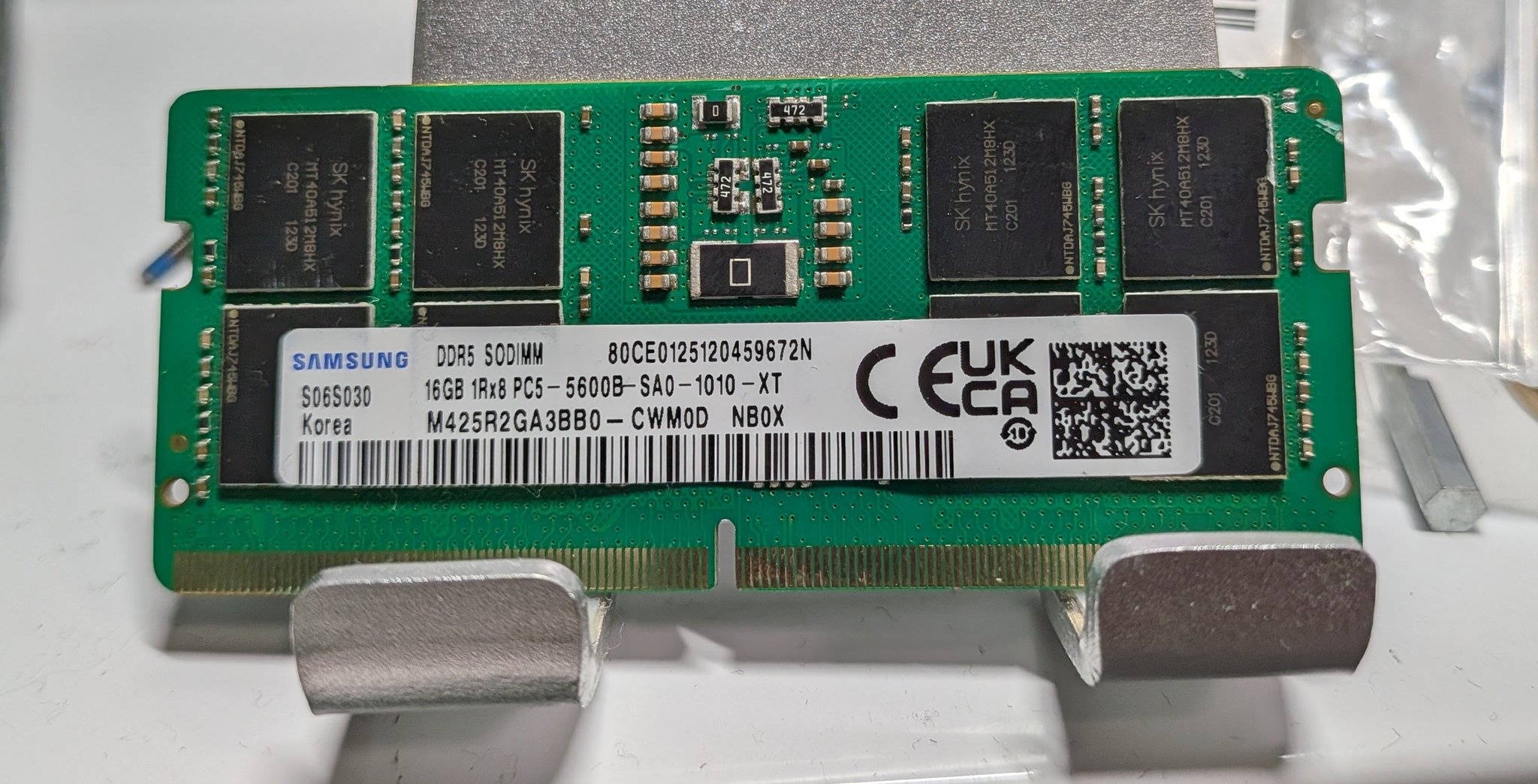 |
A counterfeit RAM stick bearing a well-known brand name, with memory chips made from pieces of plastic. Photo: Taki/X. |
According to Digital Trends, the current surge in counterfeit RAM is largely due to the overwhelming market demand.
DDR5 prices have surged over the past year, primarily due to increased memory demand amid the artificial intelligence (AI) boom and manufacturers prioritizing mass production for servers.
The sudden shortage made consumer RAM expensive, attracting unscrupulous businesses to counterfeit the product. Unlike GPUs or CPUs, RAM is one of the components that is least thoroughly checked after the system boots up.
Experienced PC assemblers can spot suspicious modules by checking factors such as printed circuit board quality, chip layout, or inconsistencies in labeling.
But to the average buyer, fake and genuine RAM sticks can look almost identical. The problem is made worse with DDR5 kits for desktop computers, which contain large heatsinks that completely cover the memory chips underneath.
In this case, there's usually no easy way to determine what's actually inside unless the system fails to boot, freezes constantly, or someone disassembles the module.
Counterfeit RAM is no longer just cheap imitation hardware. It's becoming increasingly sophisticated, capable of deceiving users until serious problems arise.
Source: https://znews.vn/ram-gia-long-hanh-post1650709.html




![[Image] "Journey of Hope" promotes the organ and tissue donation movement in Vietnam.](https://vphoto.vietnam.vn/thumb/1200x675/vietnam/resource/IMAGE/2026/05/20/1779294400833_1-8910-jpg.webp)
![[Photo] National Assembly Chairman Tran Thanh Man working with the Standing Committee of the National Assembly's Ethnic Council](https://vphoto.vietnam.vn/thumb/1200x675/vietnam/resource/IMAGE/2026/05/21/1779337435930_ndo_br_1-jpg.webp)






















































































Comment (0)