

 |
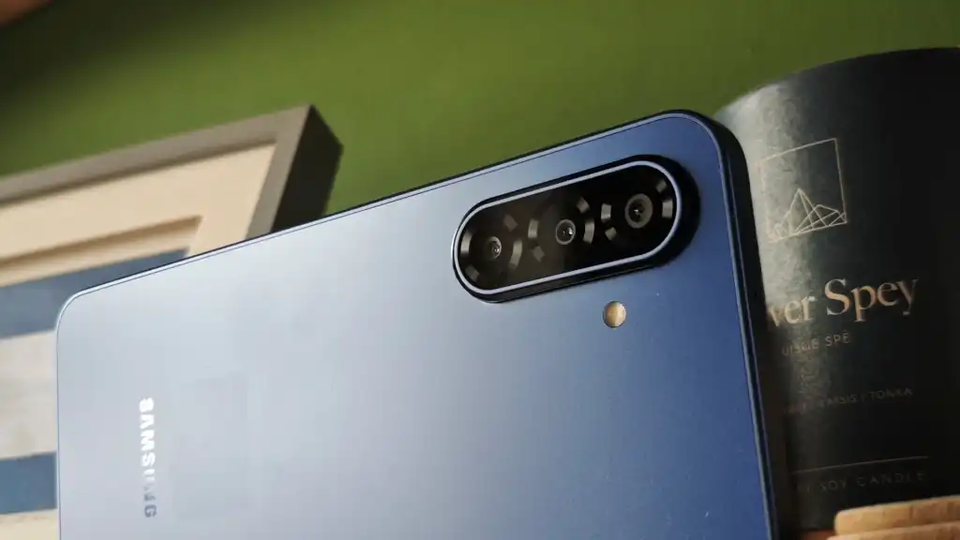
The enormous demand from AI databases is "devouring" the memory industry. Photo: Chris Martin/Foundry . |
Recently, Samsung found itself in an ironic situation when a semiconductor manufacturer refused to supply DRAM chips to its own mobile phone production division.
Simultaneously, Micron's announcement of a complete withdrawal from the consumer market to focus its production capacity on the enterprise segment demonstrates the deep instability plaguing the supply chain. This is a clear indication that the allure of AI profits has overshadowed other priorities in the memory industry.
Samsung refused to sell RAM to... Samsung
Amidst supply shortages caused by the "AI bubble," RAM chips are becoming a high-value commodity, driving up memory chip prices uncontrollably. A prime example of this market instability is Samsung's refusal to supply memory to itself.
Specifically, according to a report from SE Daily (cited by SamMobile ), Samsung Semiconductor (the group's chip manufacturing division) has rejected an order for smartphone DRAM chips from Samsung Electronics' mobile division.
Samsung Electronics is working to secure a supply of memory chips for its latest smartphone models, especially as the company prepares to launch the Galaxy S26 series.
However, facing fierce competition from AI data centers—which are willing to pay the highest prices for RAM—major memory manufacturers like Samsung, SK Hynix, and Micron are prioritizing supplying components to data center partners to maximize profits.
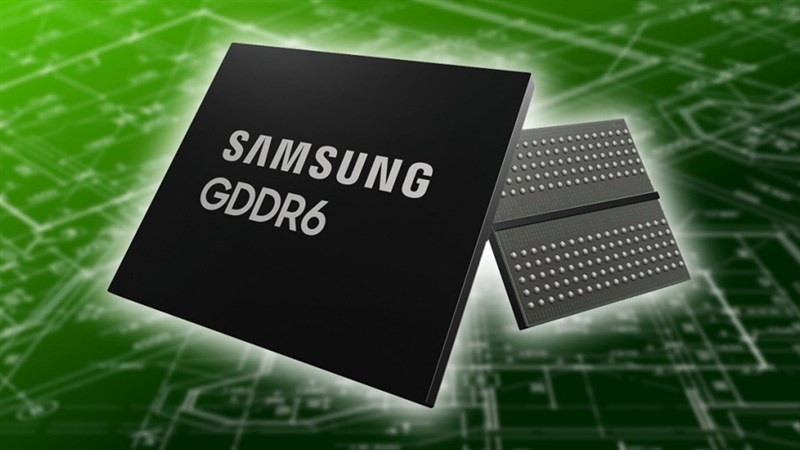 |
Two of Samsung's business segments had to renegotiate and finalize higher prices for memory chip supplies. Photo: Samsung. |
Initially, the phone manufacturing division expected to secure a stable supply of RAM components at a consistent price. However, sources indicate that due to "chip inflation," the mobile division was forced to renegotiate on a quarterly basis. A long-term supply agreement was rejected by the in-house chip manufacturer, and a shorter-term contract, at a higher price, was reportedly agreed upon afterward.
If this information is accurate, the prices of Samsung phones and other mobile devices are likely to increase. This trend is impacting the entire supply chain, forcing manufacturers to take defensive measures.
Raspberry Pi, a company known for keeping product prices as low as possible, recently had to raise prices and stated that memory costs were the main reason. Lenovo, a leading PC manufacturer, is also actively stockpiling memory supplies.
Micron closes its retail business.
Amidst a restructuring market, Micron, one of the world's three largest DRAM manufacturers, has made a decisive strategic decision: to close its consumer brand Crucial by February 2026.
This move marks a complete withdrawal from the memory retail market after 29 years of operation. Micron will reallocate its manufacturing capacity to prioritize production for the surging demand in the enterprise segment, as well as AI infrastructure.
"Micron has made the difficult decision to end its Crucial business to improve its supply chain and support strategic customers in fast-growing segments," said Sumit Sadana, Executive Vice President and Chief Business Officer at Micron Technology.
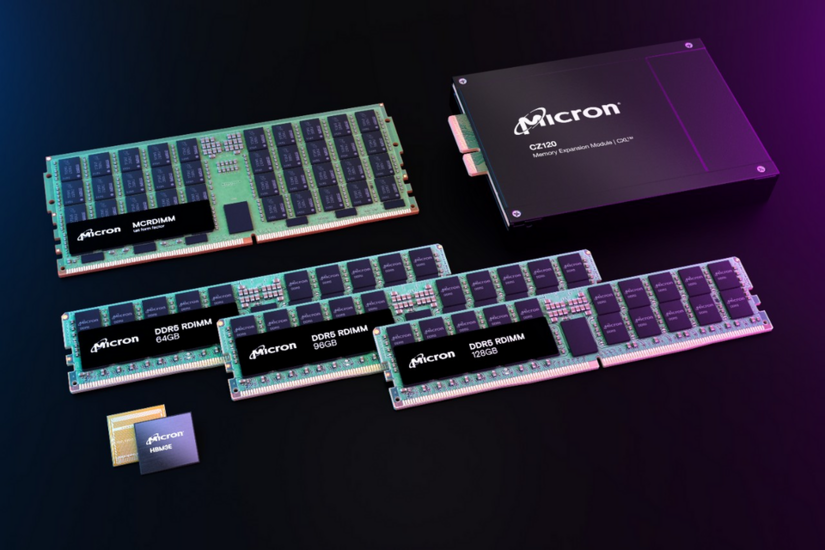 |
Cricial's closure will cede market share to Samsung and SK Hynix. Photo: Micron. |
Micron's shift reflects the current reality of the semiconductor industry. Micron stated that demand for memory and storage from data centers has increased to the point where every product must prioritize large AI customers.
Meanwhile, the consumer segment, which has low profit margins, faces fierce competition from other brands. Maintaining the Crucial product line in an environment of high price volatility makes it difficult for Micron to optimize its business, while the corporate segment has long-term contracts, stable demand, and high selling prices.
This decision directly impacts distribution partners. Memory manufacturers such as Corsair, G.Skill, Kingston, and ADATA will have to compete more fiercely to secure chip supplies from Samsung and SK Hynix. This situation risks further destabilizing prices in 2026.
DRAM chip prices have increased by more than 170% year-on-year. Micron's shift of consumer semiconductor orders to enterprise orders will continue to maintain high prices in the first half of 2026.
Source: https://znews.vn/samsung-tu-choi-ban-ram-cho-chinh-samsung-post1608411.html
























































































Comment (0)