|
Plastic screen protectors and tempered glass screen protectors don't differ significantly in price, but their ability to protect the screen from impact is considerably different. Photo: Snakehive . |
Screen protectors are accessories that are almost always purchased at the same time as a new phone. However, not all screen protectors offer the same level of protection. Despite being inexpensive and lightweight, plastic screen protectors are only suitable for minimizing scratches during daily use, while their impact resistance is almost nonexistent.
According to the tech website Android Authority , PET or TPU plastic films can still protect the screen from minor scratches caused by keys, coins, or dirt. However, if the goal is to reduce the risk of breakage when the phone is dropped, tempered glass is still a more effective option due to its better impact absorption capabilities.
Currently, screen protectors on the market are mainly divided into two groups: plastic films (PET or TPU) and tempered glass. Plastic screen protectors usually cost only 10,000-30,000 VND, while high-quality tempered glass protectors range from 100,000 VND or more depending on the brand and technology.
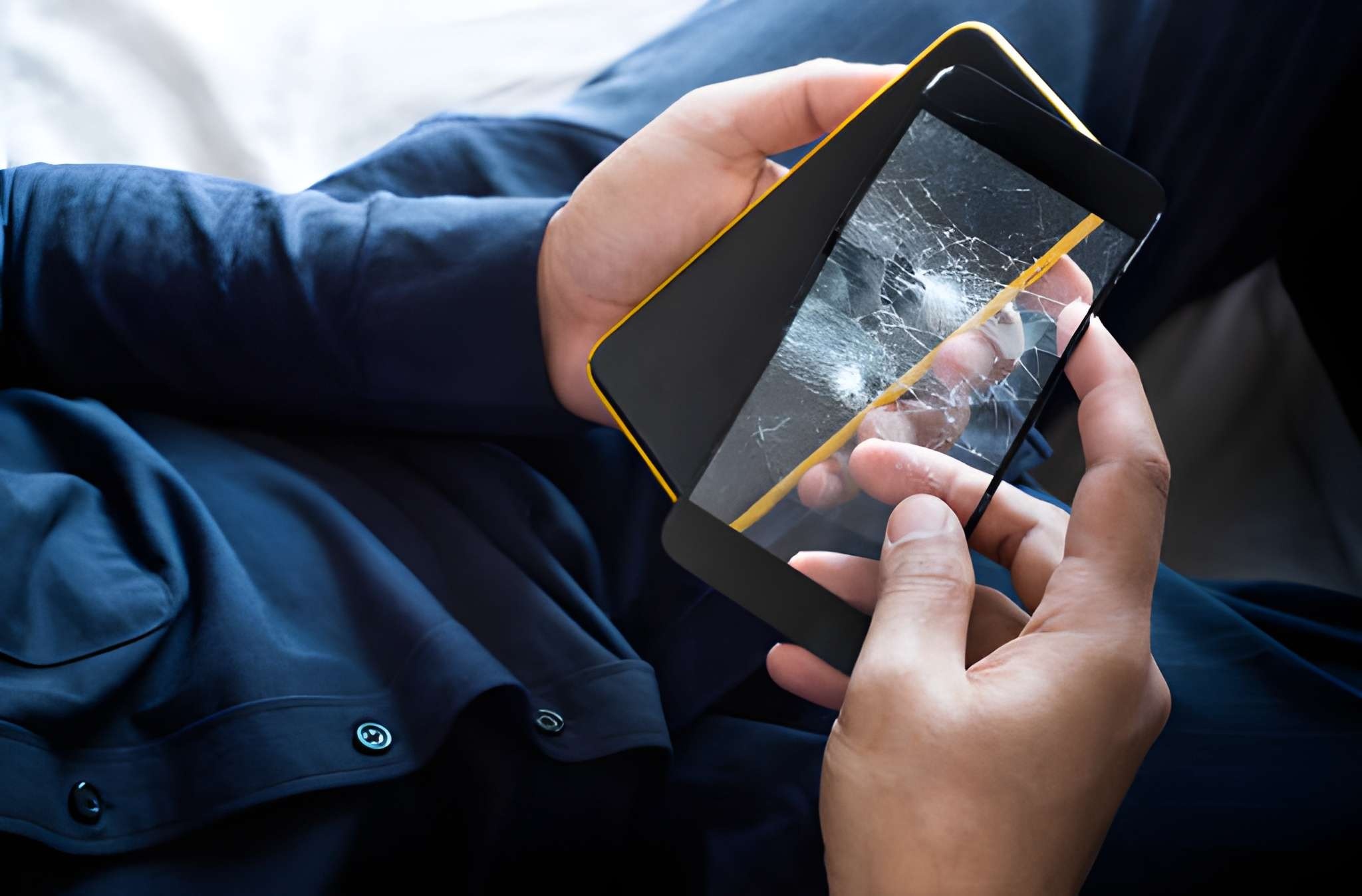 |
Plastic screen protectors primarily help prevent scratches, but offer almost no protection for the screen when the phone is dropped or subjected to a strong impact. Photo: Shutterstock. |


This price difference leads many people to prefer plastic screen protectors. However, according to experts, this is only a short-term advantage.
According to Corning, the manufacturer of Gorilla Glass for many high-end smartphones , tempered glass is strengthened through a chemical hardening process. This technology makes the glass surface more resistant to impact, reducing the risk of cracking or shattering upon impact compared to regular glass.
The same principle applies to tempered glass screen protectors. When a phone falls, the outer layer of glass is designed to absorb and disperse the impact force, accepting breakage to protect the original screen underneath.
Not only do the two types of screen protectors differ in their impact resistance, but they also have very different lifespans.
Plastic screen protectors often scratch, become cloudy, or peel at the edges after a period of use. Users have to replace them frequently to maintain the display experience, resulting in higher cumulative costs than initially anticipated.
Meanwhile, tempered glass can maintain clarity and a touch feel closer to the original screen. According to Android Authority , many products also have an anti-oil coating, which helps reduce fingerprints and keep the screen surface cleaner during use.
Another advantage is that applying tempered glass screen protectors is now simpler. Many manufacturers provide alignment frames or support kits, allowing users to apply them themselves at home with greater accuracy, reducing the misalignment or air bubbles often found in plastic films.



Although most smartphones today are equipped with protective glass like Gorilla Glass Victus or Ceramic Shield, experts still recommend using an additional tempered glass screen protector if users frequently drop their devices or want to reduce repair costs.
Source: https://znews.vn/sai-lam-khi-dan-man-hinh-dien-thoai-post1664416.html