Does this mean we have to buy tickets to eat at a noodle shop, have a traditional dress made, buy lanterns, drink coffee, or have smoothies? That's absurd. Customers will turn away, not necessarily because they're begrudging the ticket price, but because they feel disrespected.
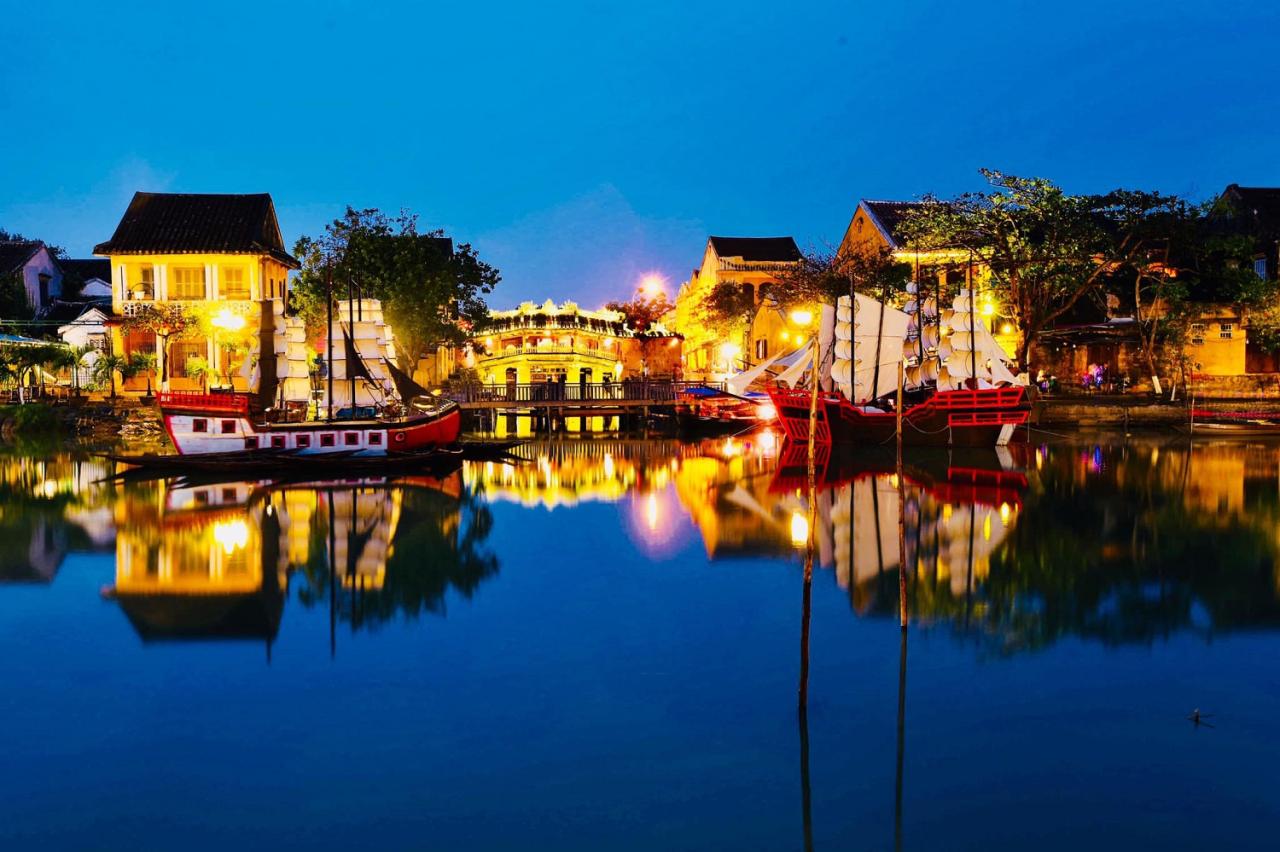
The city of Hoi An has just stipulated that from May 15, 2023, tourists entering Hoi An Old Town must purchase tickets, instead of only collecting fees at special historical sites as before. The ticket price is 120,000 VND for foreign tourists and 80,000 VND for domestic tourists.
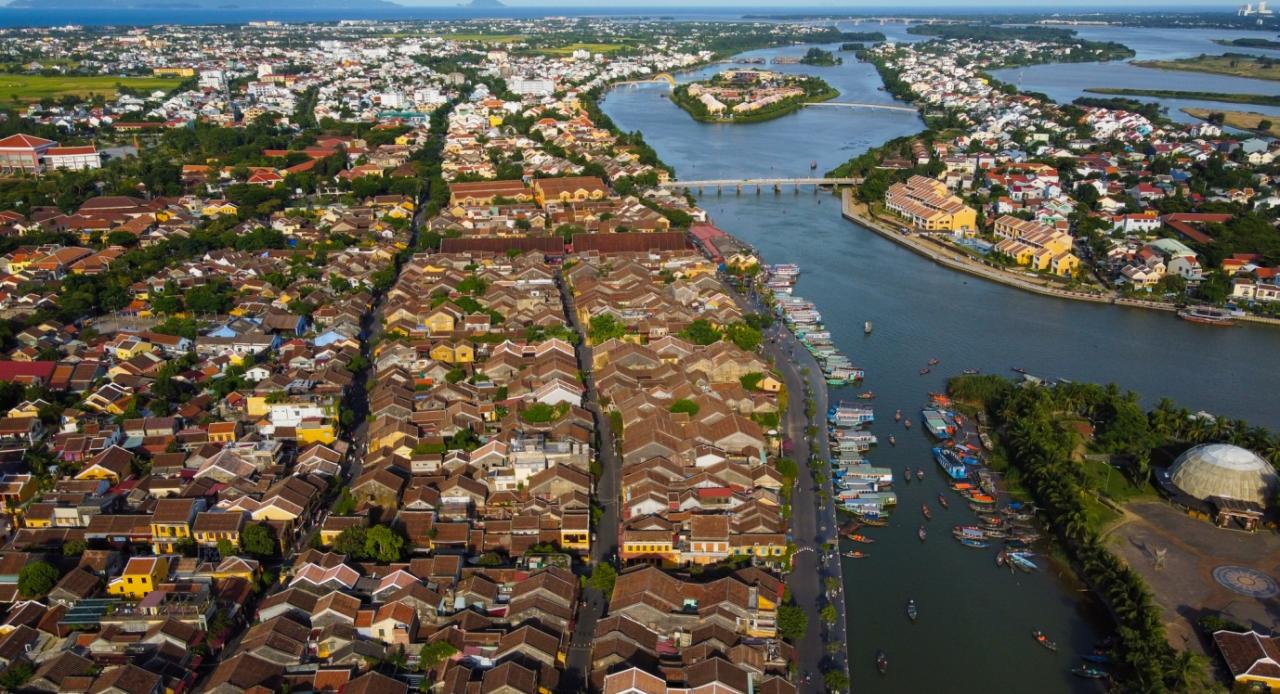
Most countries only sell tickets for specific tourist attractions; no country sells tickets to visit the living spaces of ancient towns like Hoi An is preparing to do. Photo: Doan Le
Reading the news, I initially thought it was an April Fool's joke, even though several days had passed. Calming down, I realized it was a modern-day "Joker" (Azit Nezin 1915-1995). I opened the internet, and newspapers and social media were abuzz; tourists debated… Opinions were divided, but mostly disagreed. As a fan of the ancient town, I had to rub my eyes several times before stammering, "What's going on, Hoi An??"
For a long time, Hoi An has been a shining example of tourism, known for its quality service, friendly service, pleasant environment, adherence to listed prices, and lack of social vices. Yet, suddenly, everything has been turned upside down. Normally, any increase in entrance fees requires at least six months' notice so that tour companies can quote their tour prices. The issuance of regulations on ticket purchases and pricing should be even more cautious, involving consultation with experts, surveys of tourists, and approval from the People's Council at the relevant administrative level.

Tourists are willing to support Hoi An and contribute to the development of the ancient town in many ways, but they shouldn't abuse it by forcing people to buy entrance tickets. Photo: Doan Le
Issued on April 4th, implemented on May 15th. It was as urgent as wartime. Inbound contracts were signed a year in advance, domestic contracts three to five months in advance. Domestic travelers could beg customers to share the costs. Inbound travelers, however, couldn't. Any unforeseen expenses had to be borne alone. Travel agencies, especially those involved in inbound tourism, were guaranteed to lose 120,000 VND per customer.
What is the basis for the prices of 120,000 VND and 80,000 VND? The practice of differentiating international ticket prices (150% of domestic prices), a practice thought to have ended during the subsidy era, has suddenly reappeared. Most countries have the same ticket prices, without differentiation. Cambodia, however, offers free admission to World Heritage sites for Khmer people and those born in Cambodia.
Chairman of the People's Committee of Hoi An City, Nguyen Van Son, explained: "Revenue from entrance tickets is used for the preservation, restoration, and renovation of historical sites, infrastructure improvement in the ancient town, organizing tourism events, and supporting local people in restoring and renovating their houses... At the same time, making ticket purchases mandatory for all tourists visiting Hoi An ancient town ensures fairness for both the locality and the tourists."
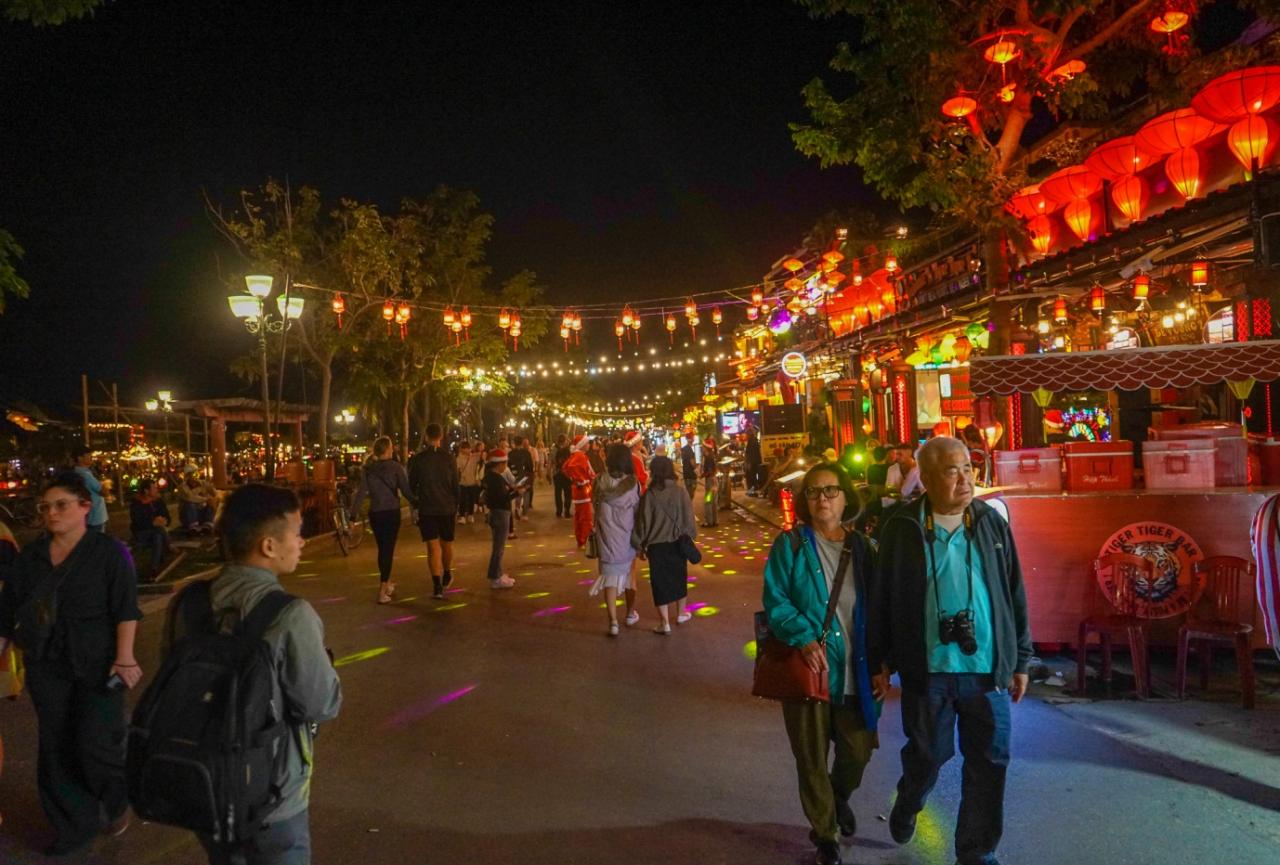
Hoi An Ancient Town should maintain the current entrance fees for attractions and may increase them if necessary; selling tickets for the entire city's living space is not feasible. Photo: Doan Le
That's absolutely unacceptable. Countries only sell tickets for specific tourist attractions. No country sells tickets to visit the living spaces of ancient towns. Hoi An's actions violate the right to freedom of movement of Vietnamese citizens within Vietnamese territory, as stipulated in Article 13 of the Universal Declaration of Human Rights (UDHR 1948) and Article 23 of the 2013 Vietnamese Constitution.
Organizing events in the Old Quarter can be entirely entrusted to private entities, through bidding or social mobilization; there's no need to allocate funds for ticket sales. Support should not be provided to old houses currently operating businesses or services. Except for public spaces, if a house in the Old Quarter is dilapidated, the government could provide loans, contribute capital for repairs, or purchase it if the family is unable to maintain it. This is how other countries do it.
Following Hoi An's sudden decision to require tourists to purchase tickets, there is an urgent need to review regulations on ticket issuance and price increases. The current system of inconsistent, arbitrary pricing cannot continue. There must be a standardized and categorized system for heritage sites, historical monuments, tourist areas, scenic spots, museums, etc., with specific price lists, similar to what other countries are doing.

Passengers will turn away. Not necessarily because they regret spending the money on tickets, but because they feel disrespected. Photo: TA
Hoi An Ancient Town should maintain the current entrance fees for attractions and may increase them if necessary. It's impossible to sell tickets for the entire city's living space. If this is approved, it would set a terrible precedent and could spread to Hanoi's Old Quarter and other ancient towns and villages. Visitors could come to Hoi An multiple times, staying for several days to experience, shop, eat, and enjoy entertainment without having to buy tickets unless they visit specific attractions.
Does this mean we have to buy tickets to eat at a noodle shop, have a traditional dress made, buy lanterns, drink coffee, or have smoothies? It's absurd. The government gains some revenue, but the tourism industry is certain to lose several percent. Not to mention the hardship faced by service providers and workers due to the lack of customers. Many tourists will turn away, not necessarily because they regret the ticket cost, but because they feel disrespected. The consequences are immeasurable.
Tourists are willing to support Hoi An and contribute to the development of the ancient town in many ways. Directly, they can contribute cash, equipment, materials, or labor. Indirectly, they can purchase tickets to attractions (not the entire ancient town) and use services. Don't abuse this sentiment by forcing people to buy tickets, as this creates misunderstandings and has the opposite effect.
Nobody wants that to happen.
tcdulichtphcm.vn



![[Photo] General Secretary and President To Lam receives Palestinian Ambassador Saadi Salama](https://vphoto.vietnam.vn/thumb/1200x675/vietnam/resource/IMAGE/2026/06/25/1782365384740_a1-bnd-9423-8322-jpg.webp)


![[Image] Ho Chi Minh City: Ma Lang area, Chicken-Rice Market about to change its appearance](https://vphoto.vietnam.vn/thumb/1200x675/vietnam/resource/IMAGE/2026/06/25/1782377698627_ndo_br_m1-jpg.webp)

![[Image] Schools organize meetings and introduce teaching models to students admitted to grade 10.](https://vphoto.vietnam.vn/thumb/1200x675/vietnam/resource/IMAGE/2026/06/25/1782368077271_ndo_br_z7970052192242-1ec8daeb77a6eed1a4e9f58c564ddd3e-jpg.webp)