Listen to the people's opinions.
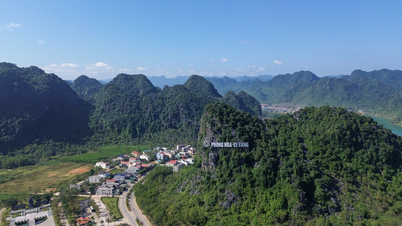
As the hamlet with the fewest households in the province, 100% of its population are Muong people (25 households, 114 inhabitants). Co Xa hamlet is scattered on high mountain slopes, isolated from other hamlets in Tien Phong commune. According to Mr. Do Duc Thanh, Vice Chairman of the Tien Phong Commune People's Committee: The only way to reach Co Xa hamlet is by river. From the nearest boat landing in Duc Phong hamlet, it takes about 30 minutes by motorboat to get there. The hamlet's Party branch has 11 members and plays a comprehensive leadership role. The hamlet has all the necessary mass organizations and operates effectively.
The encouraging thing is the unity of the people. The movement for national unity in building a cultured life has spread widely, and the hamlet is free from social vices. In particular, the people actively and fully participate in all activities organized and launched by the commune. Based on this reality, the commune proposes to keep Co Xa hamlet as it is due to its unique characteristics.

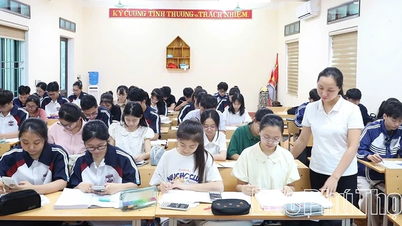
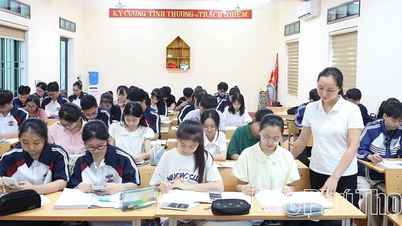
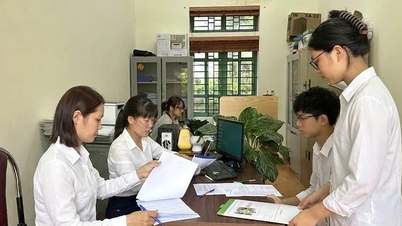
The people of Luong Son commune contributed their opinions on the merger of hamlets and residential areas.
Of the 83 hamlets and residential areas that have not yet met the standards but are proposed to remain unchanged, Kha Cuu commune has the highest number of hamlets proposed to remain unchanged. The commune has 12 areas that will not be merged, including areas like Vi with only 65 households and Sinh Tan with 78 households... These are all particularly difficult areas, isolated far from other areas, with large natural areas, scattered and not concentrated populations, and 100% of the population being ethnic minorities.
Some communes, such as Mai Chau and Trung Son, have 8 hamlets that were not merged due to specific factors: complex and fragmented terrain; remote and mountainous areas, ethnic minority regions; large areas, and difficult transportation access...
In the wards, there are two areas that were not merged, both belonging to Thanh Mieu ward: Area 4 Song Lo (later renamed Tan Thinh residential group after reorganization) and Area 13 Thanh Mieu (later renamed Viet Yen residential group after reorganization). Both of these areas currently have large-scale social housing and urban development projects expected to be completed and put into use in 2027. With a projected significant population increase in 2026-2027, maintaining these two areas as separate zones is considered reasonable.


In reality, the 83 villages and residential areas that were slated for reorganization but requested not to be reorganized all have unique characteristics. Maintaining their current state aims to ensure the stability of people's lives, national defense, culture, and community governance.
Comply with legal regulations.
The preparation and implementation of the steps in the roadmap for merging villages and residential areas in communes and wards during the peak month of June showed that localities had complied with the regulations of the law and guiding documents; ensuring democracy, openness, and transparency. The mergers have inherited and promoted good historical, cultural, customary, and traditional values, in accordance with the natural conditions, characteristics of the area, population size, and socio- economic conditions of the locality. Essential conditions for the organization and operation of the community have been ensured.

Voters in Nat Son commune cast their ballots to contribute their opinions on the merger of hamlets and residential areas.
Based on reviews and reports from 148 communes and wards, 141 communes and wards have implemented the reorganization of hamlets and residential areas; 7 communes have not implemented the reorganization because the hamlets have already met the standards regarding the number of households as prescribed (4 communes did not implement the reorganization but changed their names; 3 communes did not implement the reorganization and did not change their names).
There are 33 villages and residential areas that have been reorganized but have not met the prescribed standards. The main reasons are that these villages and residential areas have unique characteristics such as geographical location, complex and fragmented terrain, difficult transportation, scattered population, customs and traditions, etc., or there are no other optimal solutions for reorganization.
The naming and renaming of hamlets and residential areas (due to hamlet/residential area reorganization, name duplication resulting from the reorganization of commune-level administrative units, or according to the wishes of the people) will be carried out simultaneously with the hamlet/residential area reorganization process. Accordingly, the total number of hamlets and residential areas expected to be renamed is 701. Of these, the total number of hamlets and residential areas renamed due to name duplication (due to the reorganization of commune-level administrative units in 2025) is 406. The total number of hamlets and residential areas renamed due to disagreement on names (by numerical order or by geographical name) or renaming according to the wishes of the people is 295.



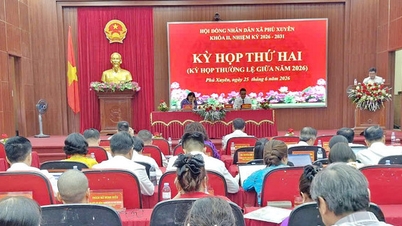
Currently, communes and wards have completed the process of gathering public opinions with a high approval rate. The People's Councils of communes and wards are actively finalizing preparations to hold their sessions at the end of June and pass resolutions on the merger and renaming of hamlets and residential areas throughout the province; ensuring compliance with regulations and timelines.
Willow
Source: https://baophutho.vn/sap-nhap-thon-to-dan-pho-can-thau-tinh-dat-ly-256828.htm