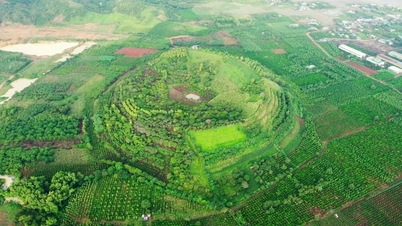
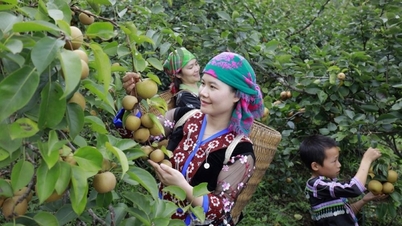
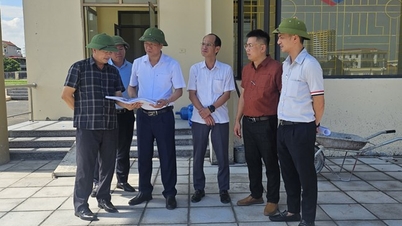
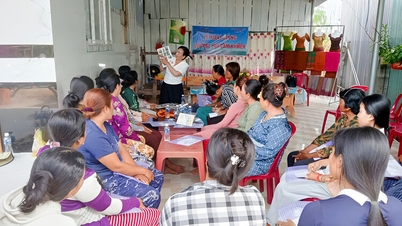
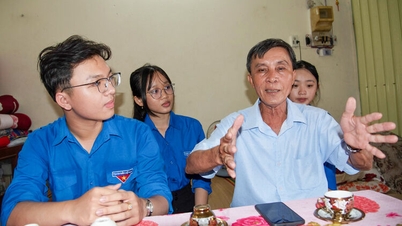
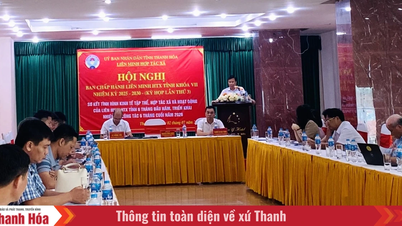
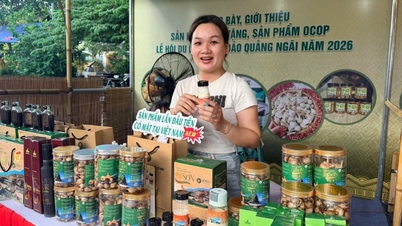
These days, on the vast green hills of ancient Shan Tuyet tea trees in Van Chan commune, the atmosphere of labor and production remains bustling. Amidst the verdant hues of these centuries-old tea trees, the story of the village merger plan is being discussed by the people with faith and hope for a new future of development.
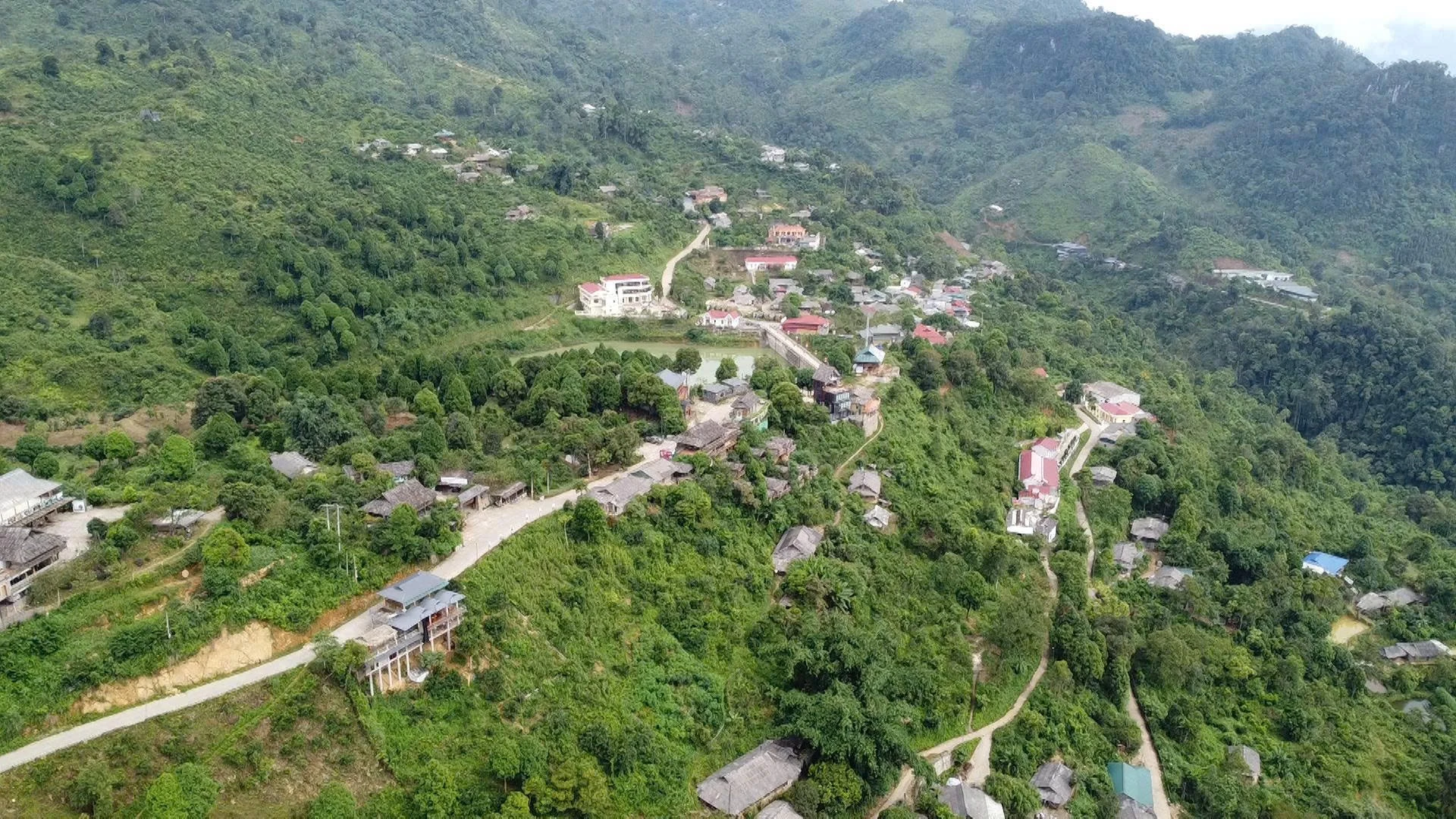
According to the plan, Giang A village was merged into Suoi Giang village. After the merger, Suoi Giang village has 200 households with approximately 900 inhabitants, 100% of whom are Mong ethnic people. Not only does this streamline the local administrative apparatus, but the merger also expands the space for community tourism development, creating more favorable conditions for preserving and promoting the value of the famous Shan Tuyet tea region.
Mr. Song A Nu, a resident of Suoi Giang village, shared, "Initially, the villagers had some concerns. However, after the commune and village officials explained the purpose, meaning, and benefits of the merger in detail, everyone agreed and supported it."
Sharing the same viewpoint, Mr. Song A Lau from Suoi Giang village said: “The merger will increase development potential, strengthen community solidarity, and concentrate investment resources. People hope that the locality will continue to pay attention to developing transportation and tourism infrastructure to better exploit the existing potential.”
According to Giàng A Sinh, the head of Giàng A village, the local authorities organized numerous community meetings to provide comprehensive information, listen to opinions, and address concerns raised by the residents. "Thanks to the transparent and democratic implementation, the people clearly understood the purpose and significance of the policy and showed high levels of consensus," Sinh shared.
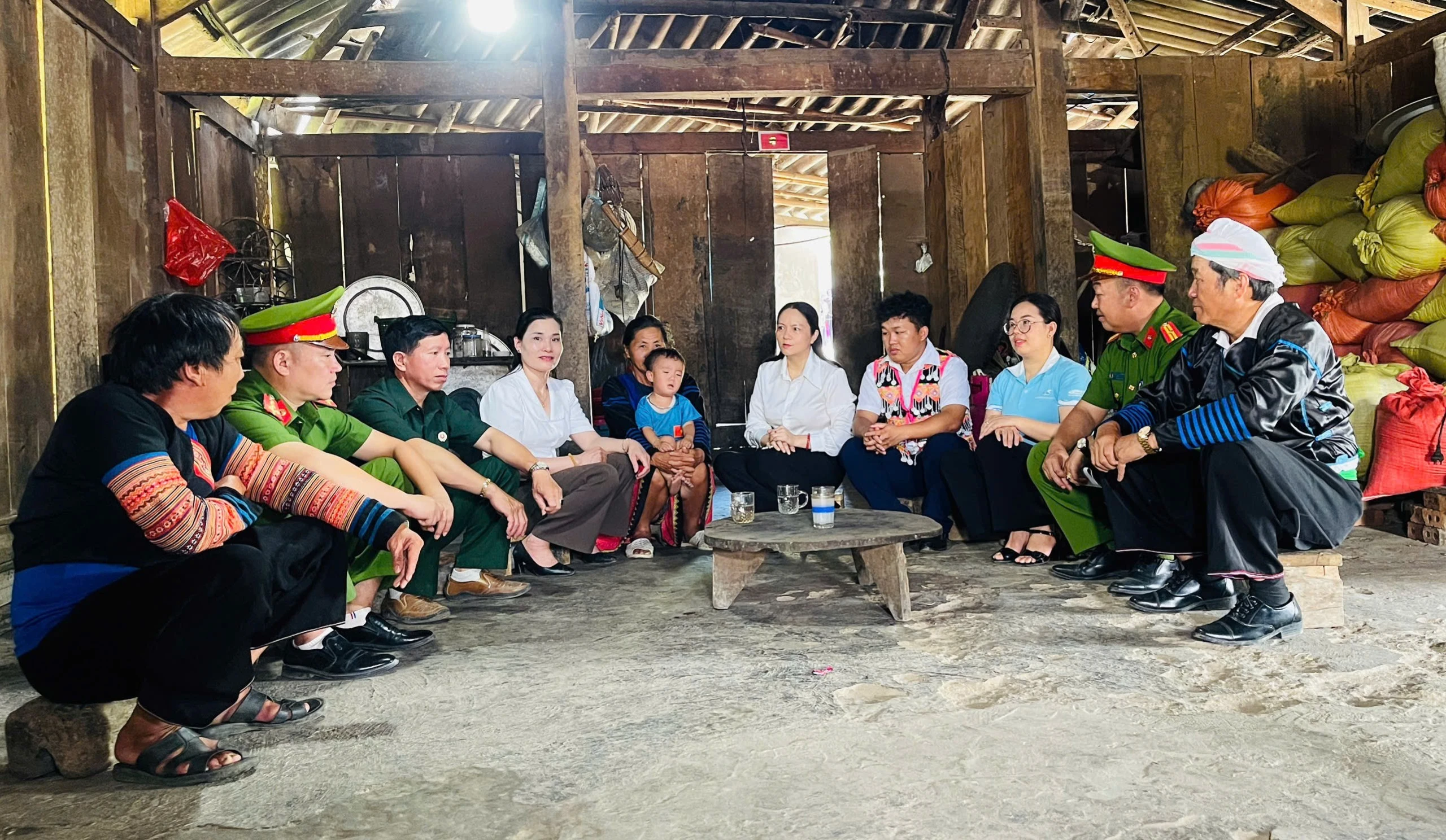
According to Ms. Hoang Thi Hue , Deputy Secretary of the Party Committee of Van Chan commune, before the reorganization, the commune had 36 villages, and after the reorganization, it has 20 villages.
“The commune Party Committee determined that propaganda work must be one step ahead. Cadres and Party members have played an exemplary role, directly going down to the grassroots to dialogue and answer people's questions. As a result, the rearrangement of villages in the area has received high consensus from the people,” Ms. Hue emphasized.
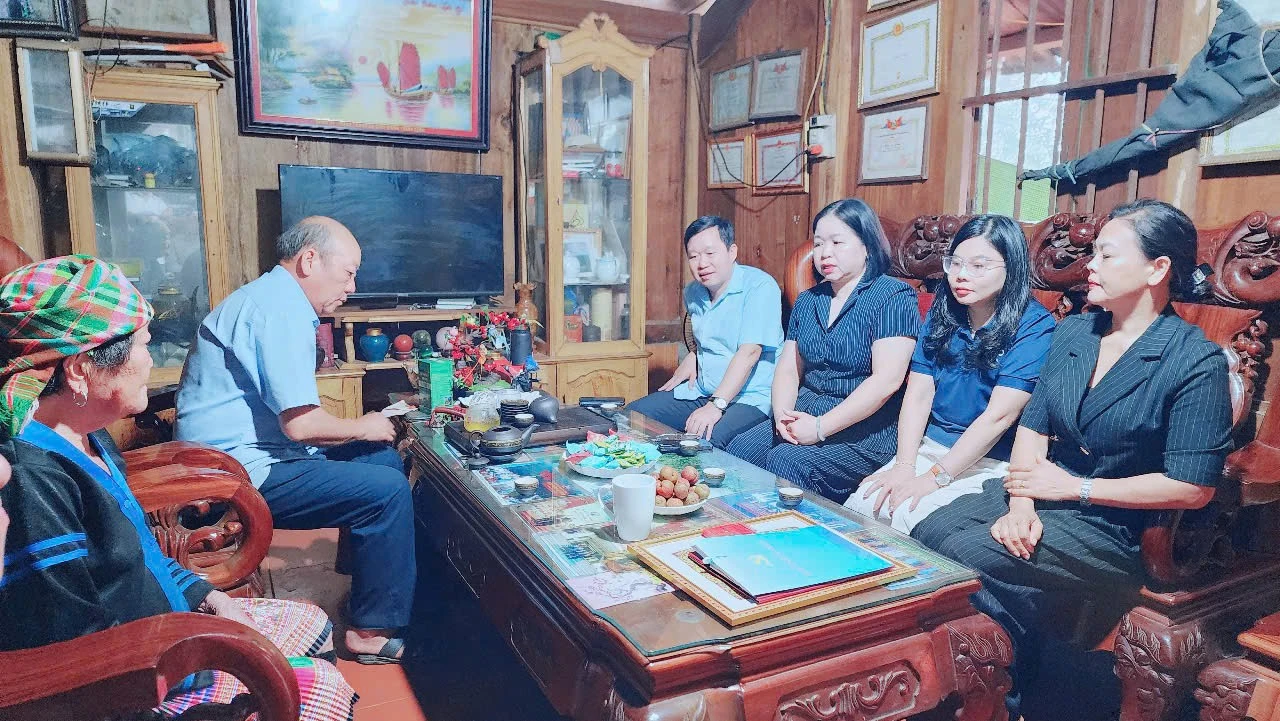
In Mau A commune, the merger of Hong Ha village and Lam Truong village into Mau A5 village has also yielded many positive results.


After the merger, Mau A5 village has 694 households with 2,522 inhabitants, becoming one of the largest residential areas in the locality.
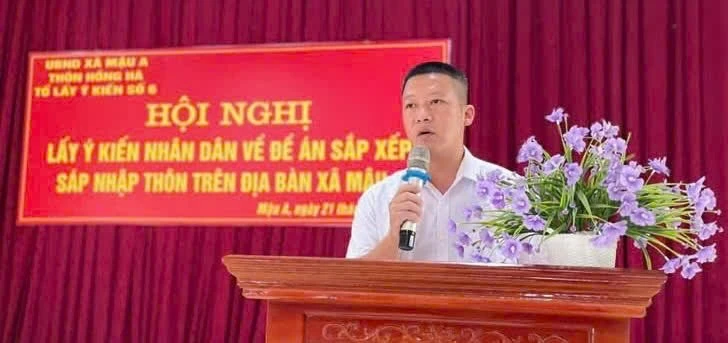
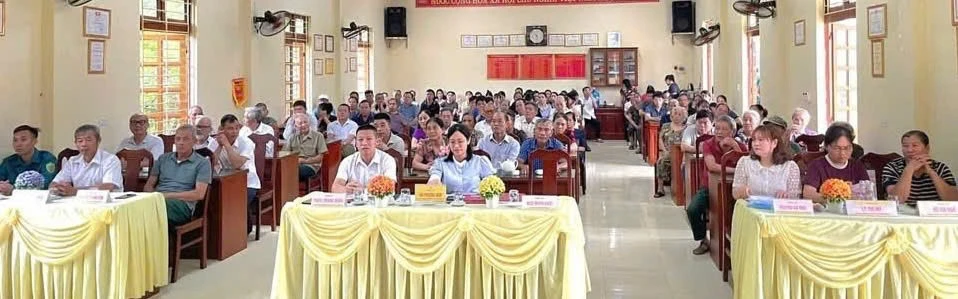
Mr. Nguyen Hai Au, a resident of Hong Ha village, said: “Initially, many people were hesitant about the name, administrative boundaries, or the way the village was organized. However, after being fully informed, people realized that this was a correct policy and fully supported it.”
"The merger will reduce the number of administrative layers and improve operational efficiency at the grassroots level. Importantly, all opinions from the people will be heard and taken into account," shared Ms. Nguyen Thi Thuy from Hong Ha village.
According to Mr. Trieu Trung Dung, Party Secretary and Head of the Fatherland Front Committee of Hong Ha village, during the implementation process, mass organizations closely coordinated and diversified their communication methods, from village meetings to direct meetings with individual households. "When people understand, they will agree. That agreement is the decisive factor for the merger to proceed smoothly," Mr. Dung affirmed.
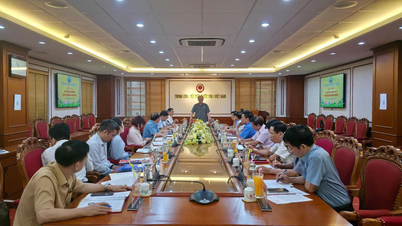
Not only in rural areas, but the reorganization of residential groups in Trung Tam ward has also received widespread support from the people. According to the reorganization plan, the ward will reduce the number of residential groups from the current 46 to 15. The merger of Pá Xổm, Cầu Thia, and Lọng residential groups into the new Pá Xổm residential group, comprising 452 households and 1,856 residents, has received strong public approval.
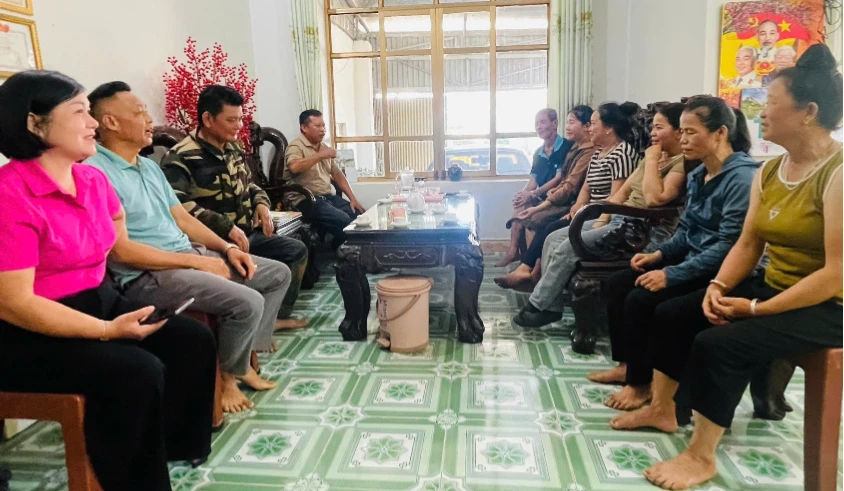
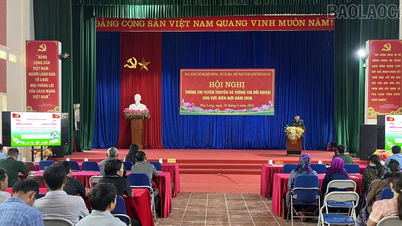
At consultation meetings and public awareness campaigns, a large number of local residents agreed that the merger would create more favorable conditions for management and organization of community activities, contributing to the overall development of the locality.
According to Mr. Luong Dai Nghia, head of the Pa Xom residential group: "Throughout the implementation process, the local authorities have always ensured the principles of openness, transparency, and democracy. All information related to the relocation has been fully communicated so that people can understand and participate in providing feedback."
The experiences from Van Chan commune, Mau A commune, and Trung Tam ward show that wherever propaganda work is done well, democracy is promoted, and the legitimate concerns and aspirations of the people are listened to and addressed promptly, a high level of unity in awareness and action is achieved.



The merger of villages and residential areas is not simply about reducing administrative layers or streamlining the apparatus. More importantly, it is a step towards expanding development space, concentrating investment resources, and improving the effectiveness and efficiency of the political system at the grassroots level, meeting the development requirements of the new era.
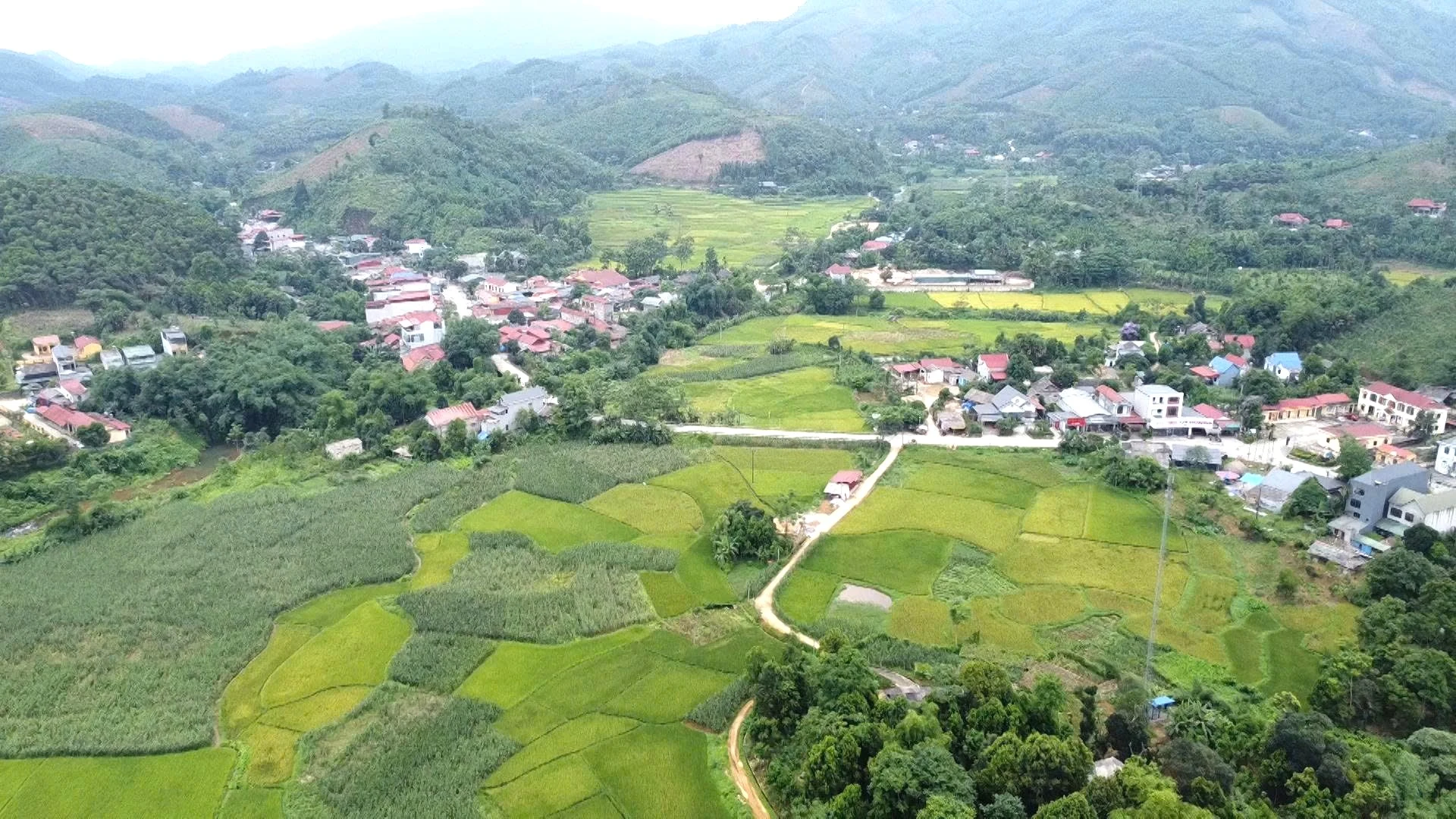
The consensus of the people is the foundation for the major policies of the Party and the State to be implemented in practice. It is also a vivid testament to the strength of national unity, when each citizen clearly understands their rights and responsibilities and works together for the development of their locality.
With the concerted efforts of officials, Party members, and the people, localities are gradually realizing the goal of building a streamlined, efficient, and effective administrative apparatus; creating a solid foundation for rapid and sustainable socio-economic development in the new era.
Source: https://baolaocai.vn/sap-nhap-thon-to-dan-pho-khi-long-dan-dong-thuan-post902458.html