

 |
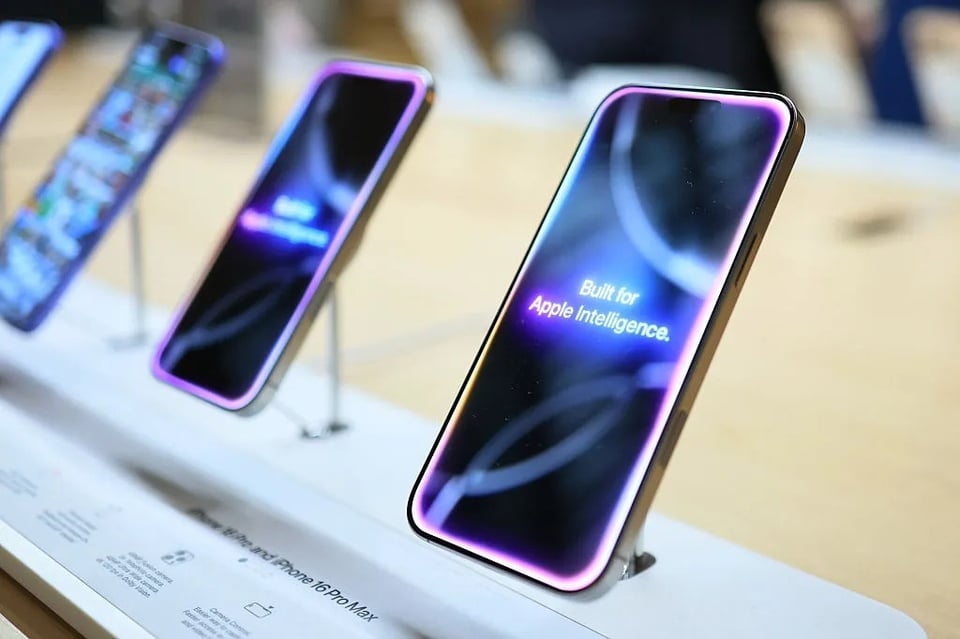
The iPhone 16 lineup is on display in an Apple store. Photo: Bloomberg . |
Amidst tariff uncertainties, analysts predict that iPhones may become more expensive. However, the exact price increase remains an open question.
Based on its latest financial report, Apple has chosen to absorb some of the costs caused by tariffs on goods imported into the US. However, this may not last, especially considering Apple's reputation on Wall Street and the pressure to protect its profit margins.
"Our basic prediction is that Apple will raise product prices, helping to offset some of the impact of tariffs," said analyst Srini Pajjuri from Raymond James .
According to the WSJ , the impact of tariffs so far has been relatively small. In late April, CEO Tim Cook said Apple expected to incur approximately $900 million in tariff costs in the third fiscal quarter (ending in June).
Wall Street estimates that this figure represents a less than 2% increase in Apple's selling expenses. However, this is not the final figure, as Tim Cook noted that the next quarter will include "a number of unique factors" impacting the situation.
This means, as predicted by Apple's CEO, the next phase could see higher costs if tariffs remain unchanged. Additionally, separate tariffs for semiconductors could further increase costs.
“Given the prospect of Trump imposing industry-specific tariffs, we cautiously estimate that the additional cost added to the cost of goods sold (COGS) could double to $900 million in the quarters following June,” said Ben Reitzes, an analyst at Melius Research .
Concerns about Apple's profit margins in the next phase caused the stock to fall nearly 4% after the earnings report. By May 5th, the company's stock had dropped another 3% when The Information predicted the iPhone 17 Air would have shorter battery life.
Apple's market capitalization has fallen by more than $350 billion since US President Donald Trump announced tariffs on April 2nd. According to the WSJ , most other major technology stocks have recovered.
Apple itself is considering several measures to offset the impact of tariffs. CEO Tim Cook said that most devices imported into the US in the second quarter would come from India and Vietnam.
Nevertheless, Apple still faces many challenges in shifting a large part of its supply chain away from China, especially as the company wants to improve the iPhone with a thinner design and foldable screen, features that require complex manufacturing processes.
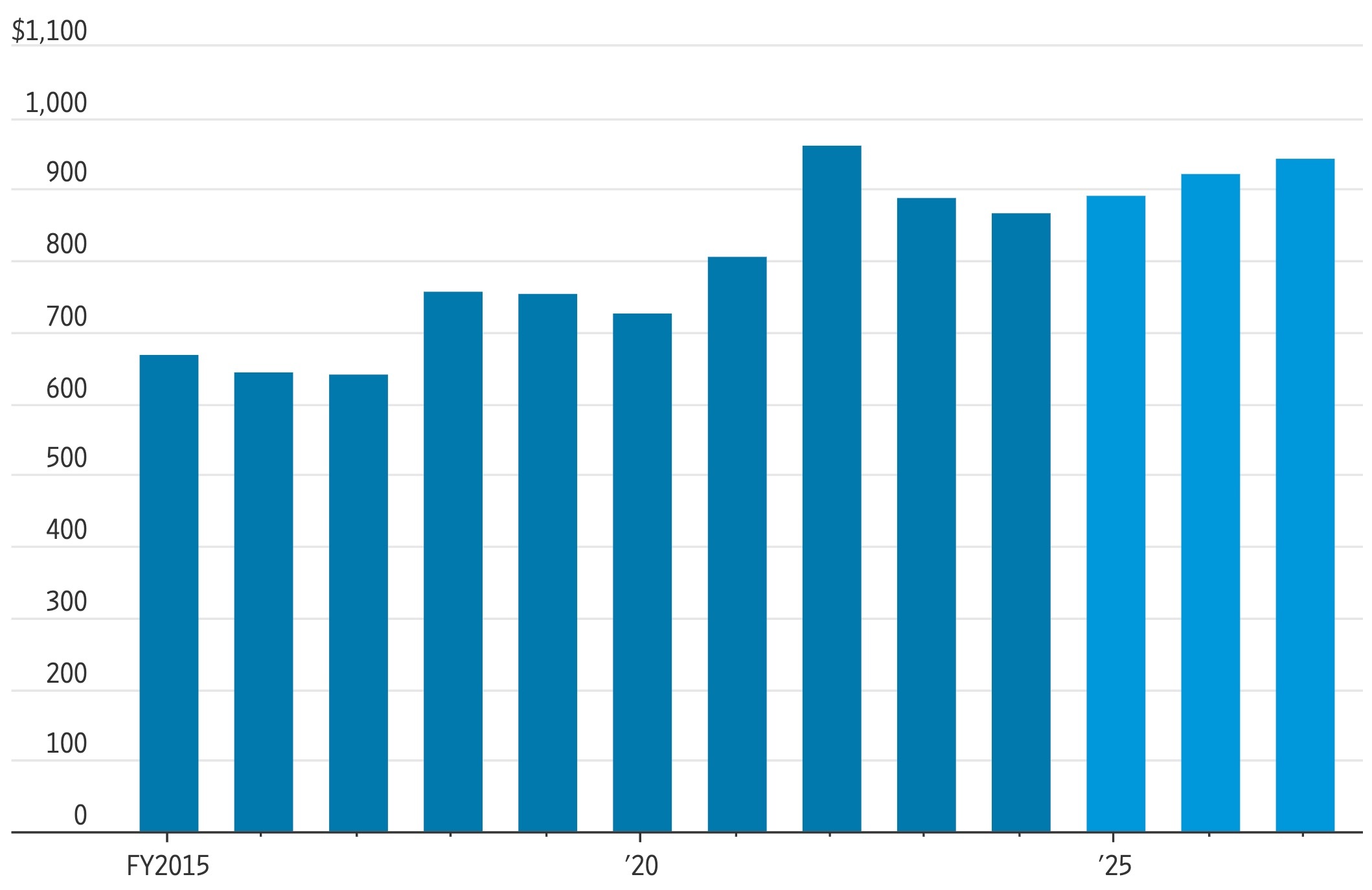 |
Average iPhone selling price from fiscal year 2025. Photo: WSJ . |
In the long run, Apple is likely to increase product prices, as the American company relies on overseas hardware assembly for the majority of its revenue.
Over the years, Apple has successfully increased the average selling price of iPhones, although the high-end model has maintained its starting price of $1,000 since 2017.
Of course, Apple still makes some changes to storage capacity and introduces more expensive versions. According to Visible Alpha data, the average selling price of an iPhone was $755 before the launch of the iPhone 11 Pro (in 2019). After 3 years, that figure is $963 .
However, in the context of tightening spending, consumers may not be enthusiastic when smartphones potentially increase in price beyond $1,000 .
In the US alone, several major carriers like Verizon and AT&T have stated that they do not subsidize tariffs on service plans bundled with smartphones. In other words, users can anticipate a potential increase in iPhone prices.
Source: https://znews.vn/se-den-luc-iphone-tang-gia-post1551584.html






























































































Comment (0)