

Cultural experiences, a thirst for adventure.
Driven by a thirst for adventure and the desire to experience new cultures and countries, many young people choose a "unique path" by learning rare languages such as Arabic, Indian, and Indonesian, despite numerous prejudices such as limited job opportunities and difficulty in learning.
Impressed by the dances of the "land of a thousand islands," Nguyen Vu Nhat Uyen, a fourth-year student at the University of Social Sciences and Humanities in Ho Chi Minh City, has developed a passion for Indonesian studies.
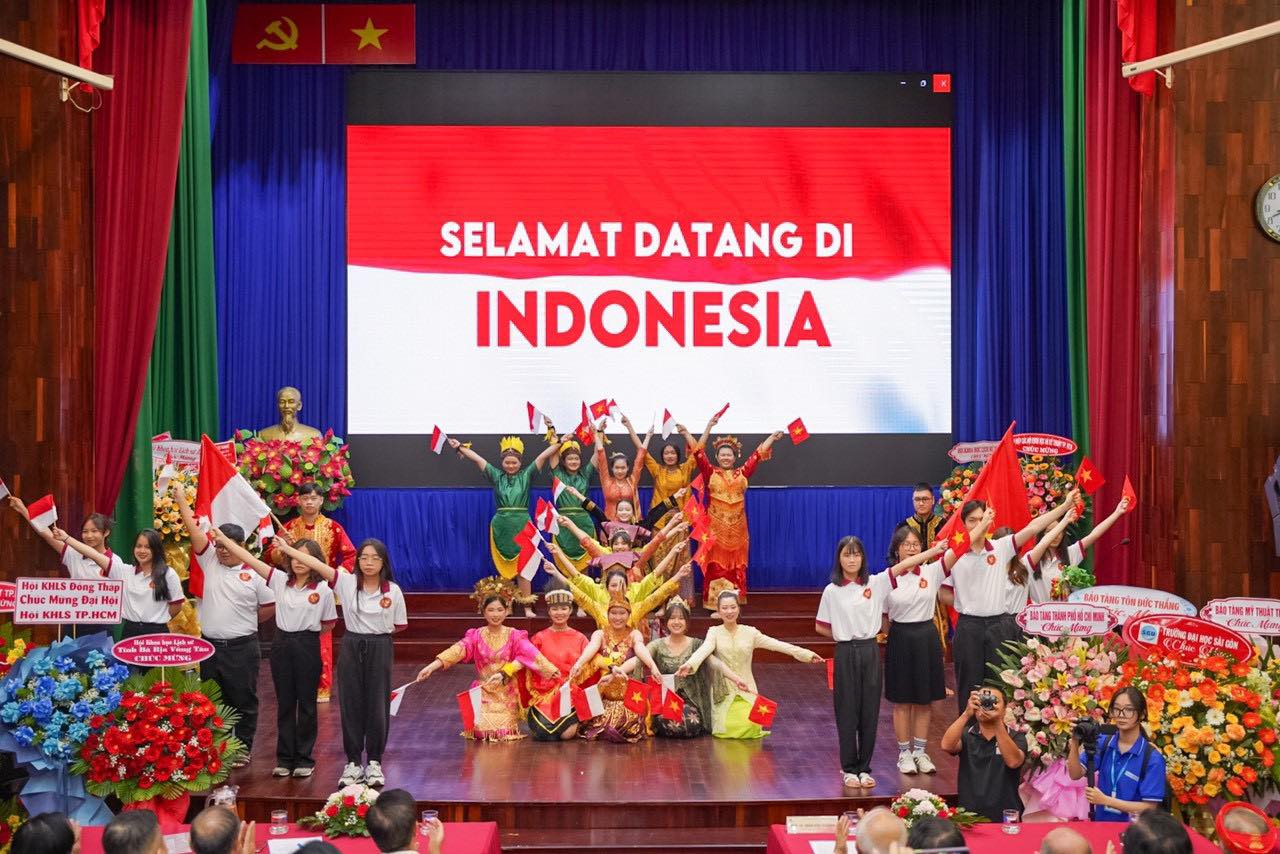
Wonderland Indonesia - Performance at the Ho Chi Minh City Historical Science Conference
"On the first day of the academic year and during the specialization orientation, I was captivated by the boat-weaving dance. The performing arts are also a source of pride for the department, having achieved many accomplishments at the faculty, university, and national levels. When participating in the team, students get to wear beautiful Indonesian costumes, interact with Indonesian teachers and consular staff, and hone their communication skills," Uyên shared.
Meanwhile, Huynh Gia Bao Ngoc, a third-year student majoring in Arabic Studies at the University of Social Sciences and Humanities in Ho Chi Minh City, hopes to change people's perceptions of this "less-pursued" field after her eight-month adventure in Egypt.
"This is a foreign culture and still faces many prejudices. When applying for scholarships and participating in exchanges in Egypt, I came very close to learning Arabic because 98% of the people here speak it. I met friends from different countries and cultures such as Georgia, Nigeria, Somalia... I experienced Ramadan and participated in activities such as cooking and eating Suhoor (a meal served before dawn) at 3 am, praying at 4 am, and going to mosques to enjoy Iftar (a meal served at sunset)," Bao Ngoc shared.
Undeterred by the prospect of exploring rare languages, Nguyen Thuy Hong Ngoc, a second-year student majoring in Indian Studies at the University of Social Sciences and Humanities in Ho Chi Minh City, said that Hindi, like Vietnamese, is not too difficult to pronounce and combine words as they are.
"My main language of study is English, and a little Hindi. I chose this major because I dream of experiencing, traveling , and learning about Eastern religions, especially Indian religions," Ngoc said.
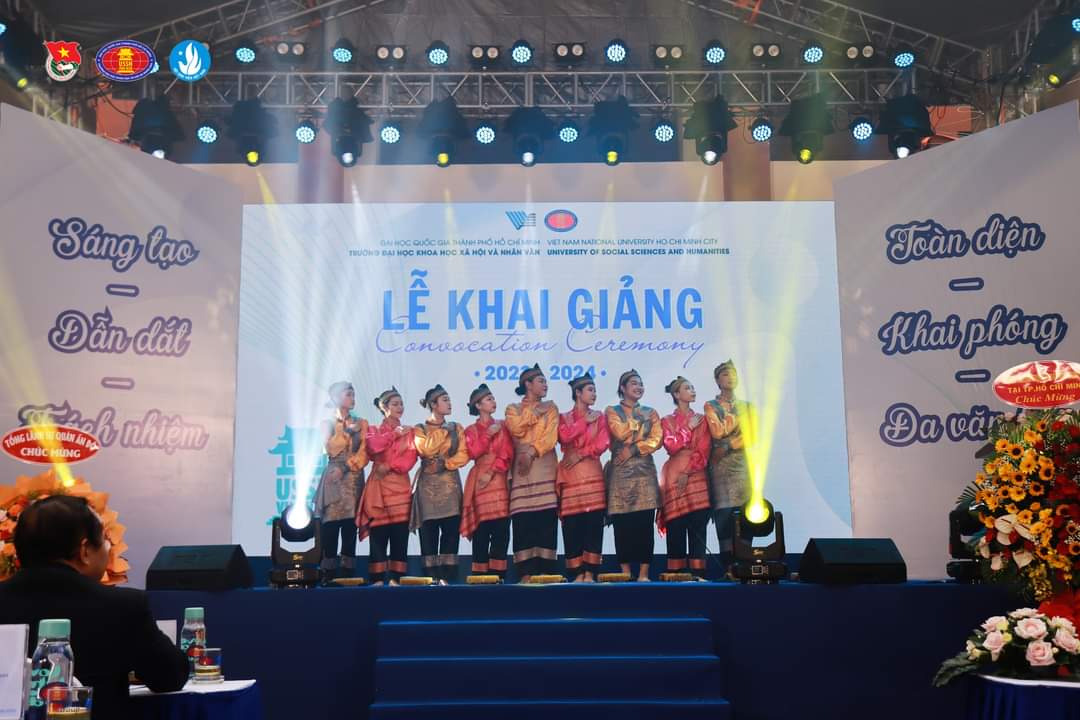
The Indonesian Studies department performed the opening act for the 2023-2024 academic year commencement ceremony of the University of Social Sciences and Humanities, Ho Chi Minh City.
A bridge for cultural exchange and job opportunities.
In the context of integration and cultural exchange, Associate Professor Dr. Do Thu Ha, Head of the Department of Indian Studies, Hanoi University of Social Sciences and Humanities, stated that rare languages play a very important role. Vietnam has diplomatic relations with approximately 200 countries worldwide, and these serve as a "bridge" to understand cultures and people, fostering good relationships between nations.
In response to misconceptions about rare languages and job opportunities, Ms. Thu Ha emphasized that the key is to make the recruitment and training process more realistic.
"Schools need to focus on student intake, emphasizing practical skills and in-depth knowledge. This will prevent a situation where students study a general subject, have many job opportunities, but lack the necessary qualifications to enter the labor market," Ms. Ha shared.
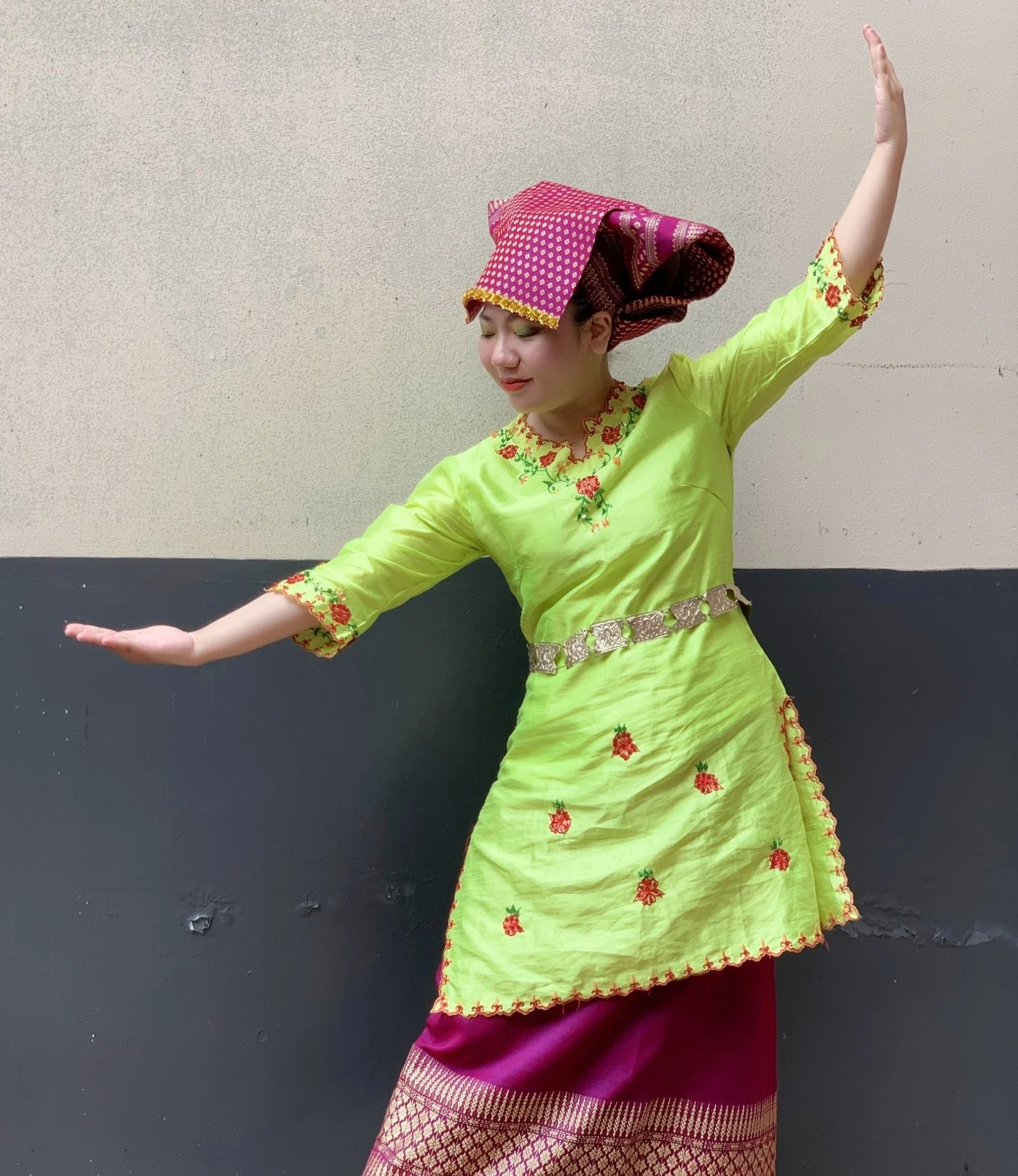
Minangkabau - the traditional costume worn in the Tari Piring dance of Indonesia.
Regarding Indian languages, according to Associate Professor Thu Ha, many people have misconceptions when it comes to this field of study. India does not have a national language; only administrative languages, English and Hindi, are used. Therefore, to enter this market, English is the primary tool for students to communicate, study, and work. Many students in this field are fluent in both English and Hindi, opening up broad job opportunities both domestically and internationally.
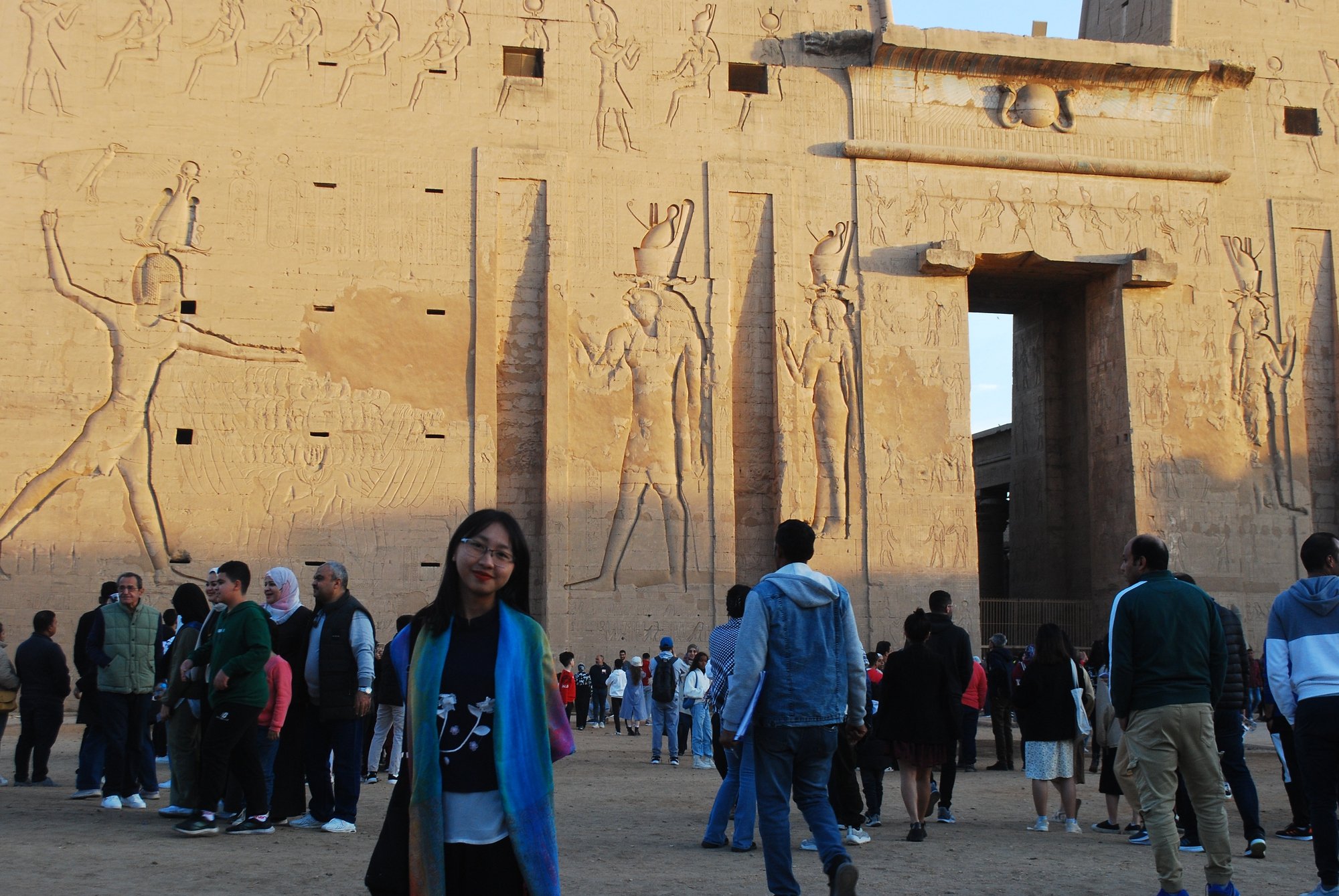
Bao Ngoc on her trip to Egypt
"Students at the Hanoi University of Social Sciences and Humanities are taught entirely in English and have the opportunity to study and gain practical experience at universities, research institutes, and charitable centers in India, countries influenced by Indian culture such as Thailand, or the My Son region in Vietnam. In addition, students will participate in seminars and workshops on current affairs and cultural exchanges between Vietnam and India," Ms. Thu Ha informed.
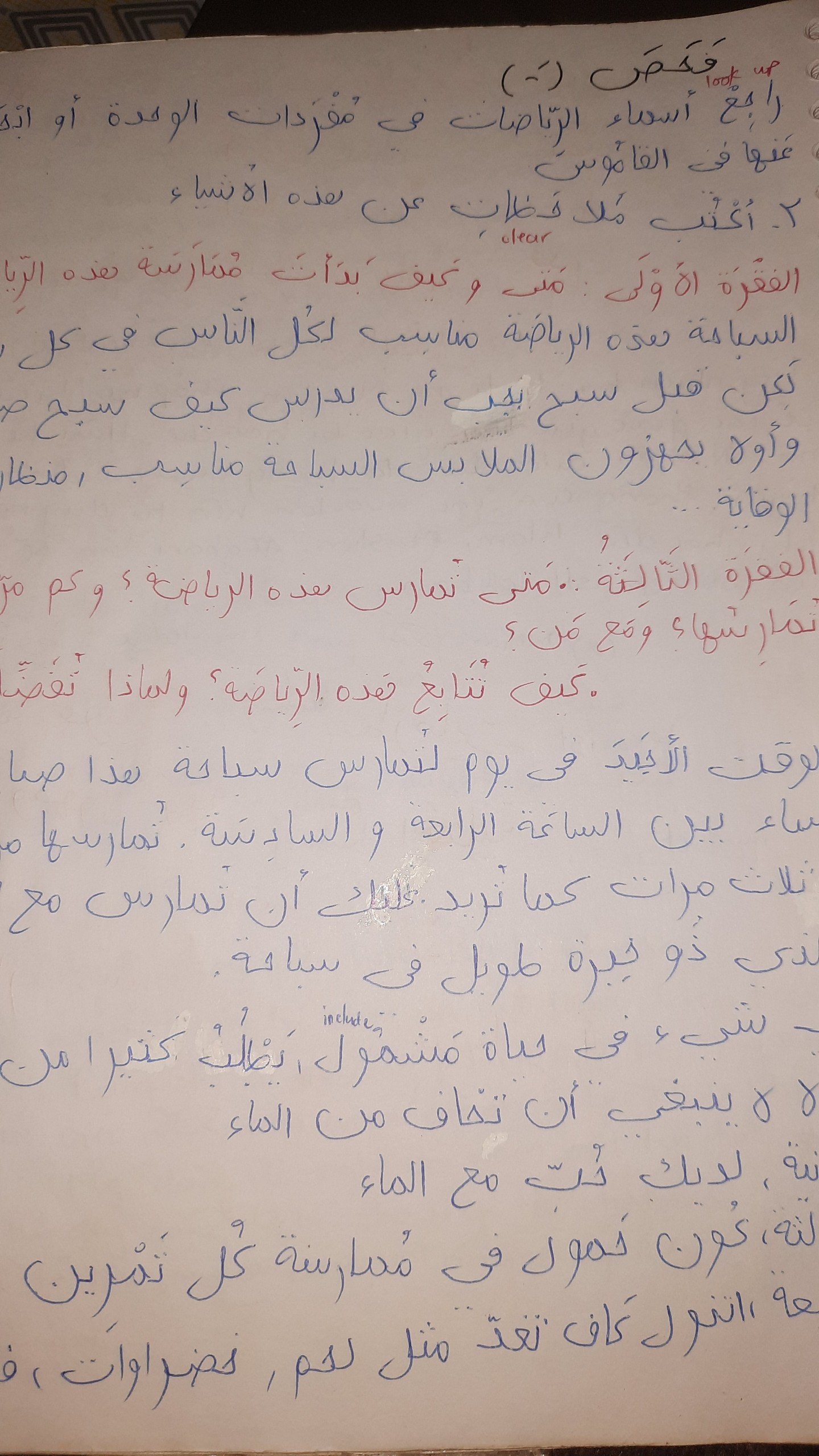
A page of notes written in Arabic by Bao Ngoc.
Associate Professor Thu Ha also shared that when learning a language, students need to cultivate passion, learn alongside the culture of that country, and invest in specialized vocabulary in the field they are pursuing.
"Some students only learn enough for basic communication; lacking the language skills necessary for their specialized field will make it very difficult to work. Language learning has many levels, and I hope students will practice, strive, and set learning goals to become high-quality workers," Associate Professor Thu Ha advised.
Challenges and opportunities
According to Bao Ngoc, the difficulty in pursuing this field is the scarcity of materials, books, and newspapers, making it challenging for students to become fluent. Currently, there are only two institutions nationwide that offer formal training in Arabic language and studies: the University of Social Sciences and Humanities in Ho Chi Minh City and the University of Foreign Languages in Hanoi.
As for Nhat Uyen, despite having family support, she also faced considerable prejudice regarding her future career. However, the student shared that there are now many opportunities for those fluent in Indonesian, and with few training institutions, the level of competition is not as high as for other languages.
Source link
![[Photo] National Assembly Chairman Tran Thanh Man working with the Standing Committee of the National Assembly's Delegation Affairs Committee.](https://vphoto.vietnam.vn/thumb/1200x675/vietnam/resource/IMAGE/2026/05/20/1779294340023_ndo_br_1-1691-jpg.webp)
![[Photo] General Secretary and President To Lam works with the Party Committee of the Ministry of Health on the work of Vietnamese traditional medicine.](https://vphoto.vietnam.vn/thumb/1200x675/vietnam/resource/IMAGE/2026/05/20/1779294323718_a1-bnd-2978-3319-jpg.webp)
![[Image] "Journey of Hope" promotes the organ and tissue donation movement in Vietnam.](https://vphoto.vietnam.vn/thumb/1200x675/vietnam/resource/IMAGE/2026/05/20/1779294400833_1-8910-jpg.webp)

























































Comment (0)