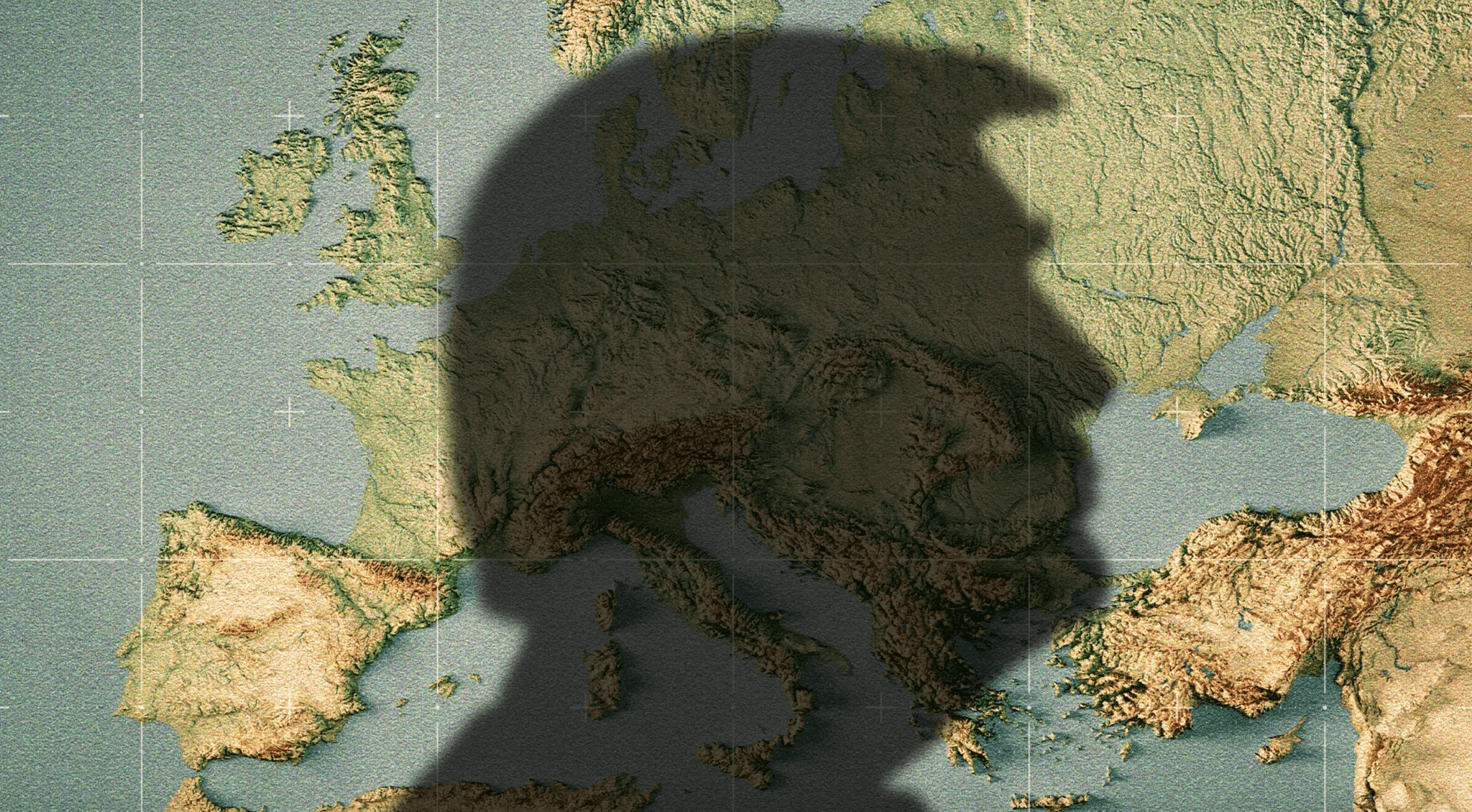
NATO Secretary General Mark Rutte arrived in Washington yesterday, June 24th, and held what may be the most important meeting with President Donald Trump since the US leader returned to power for a second term.
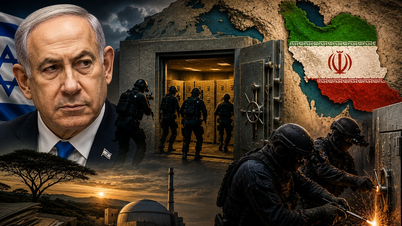
Against the backdrop of Washington's growing dissatisfaction with Europe's stance on the conflict with Iran , the future of NATO and the role of the United States in the European security structure continue to be a topic of intense interest.
Disagreements escalated.
Over the weekend, President Donald Trump and several high-ranking officials in the US administration repeatedly made tough statements targeting European allies.
One of the focal points of controversy was Donald Trump's statement regarding Italian Prime Minister Giorgia Meloni. The US President claimed that Meloni had "begged" to be photographed with him at the G7 Summit. In response, the Italian leader completely denied this information, calling it "a complete fabrication," sparking heated debates on social media platforms.
Trump also drew attention when he revealed information about British Prime Minister Keir Starmer's resignation before the British leader himself announced his decision. British journalist Robert Peston commented that this was "excessive, even by Trump's standards."
Meanwhile, U.S. War Secretary Pete Hegseth announced to NATO defense ministers that Washington would conduct a six-month assessment to identify which European nations were not contributing adequately to the common defense capabilities. He stated that the U.S. could adjust its military presence in these countries.
At the same time, in an interview, President Trump lavished praise on leaders such as Chinese President Xi Jinping, Indian Prime Minister Narendra Modi, and Russian President Vladimir Putin. The contrast between his criticisms of allies and his positive assessments of non-Western leaders drew international attention.

Controversy surrounding the Iran issue.
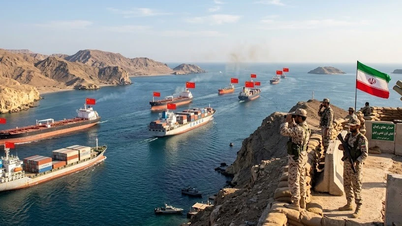
According to observers, what particularly displeased the Trump administration was the refusal of many European countries to participate in or support U.S. military operations related to Iran.
On the social media platform Truth Social, Trump criticized Italy for not allowing the US to use its runways and military infrastructure, while Washington continues to allocate significant resources to ensuring the security of its NATO allies.
Similar criticisms were also leveled by War Secretary Pete Hegseth and Foreign Secretary Marco Rubio against several other European countries such as Spain, France, and the United Kingdom.
"NATO must be a two-way street," Hegseth emphasized when referring to the obligation of sharing responsibility among alliance members.
Meanwhile, Secretary of State Rubio questioned the commitment of some member states in not facilitating US military operations. He argued that refusing Washington access to military bases raises questions about shared responsibility within NATO.
These statements reflect Trump's consistent view since his first term that European allies need to contribute more to collective security rather than relying on the United States.
The future of NATO faces a new test.
In April, in an interview with The Telegraph , Trump said he had considered withdrawing from NATO after the alliance failed to support Washington on the Iran issue. He also argued that NATO had not met US expectations in sharing the security burden.
These statements have raised concerns in Europe about the possibility that Washington may continue to adjust its military commitments to the continent during a second term for Trump.


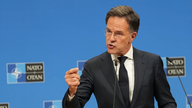
In this context, the meeting between President Trump and NATO Secretary General Mark Rutte at the White House was considered by observers to be of particular importance.
Since assuming the top position at NATO, Rutte is believed to have strived to maintain positive relations with the US administration, while also encouraging European members to increase defense spending in response to Washington's long-standing demands.
However, disagreements over Iran and debates about the level of responsibility sharing within NATO indicate that US-European relations are facing a new test. The outcome of the meeting between Trump and Rutte may partly reveal the direction of the world's largest military alliance in the coming period, as well as the future of the transatlantic relationship that has been a cornerstone of Western security for decades.
Source: https://daibieunhandan.vn/song-gio-moi-trong-long-nato-10421508.html
![[Image] Schools organize meetings and introduce teaching models to students admitted to grade 10.](https://vphoto.vietnam.vn/thumb/1200x675/vietnam/resource/IMAGE/2026/06/25/1782368077271_ndo_br_z7970052192242-1ec8daeb77a6eed1a4e9f58c564ddd3e-jpg.webp)

![[Photo] General Secretary and President To Lam receives Palestinian Ambassador Saadi Salama](https://vphoto.vietnam.vn/thumb/1200x675/vietnam/resource/IMAGE/2026/06/25/1782365384740_a1-bnd-9423-8322-jpg.webp)


![[Image] Ho Chi Minh City: Ma Lang area, Chicken-Rice Market about to change its appearance](https://vphoto.vietnam.vn/thumb/1200x675/vietnam/resource/IMAGE/2026/06/25/1782377698627_ndo_br_m1-jpg.webp)