

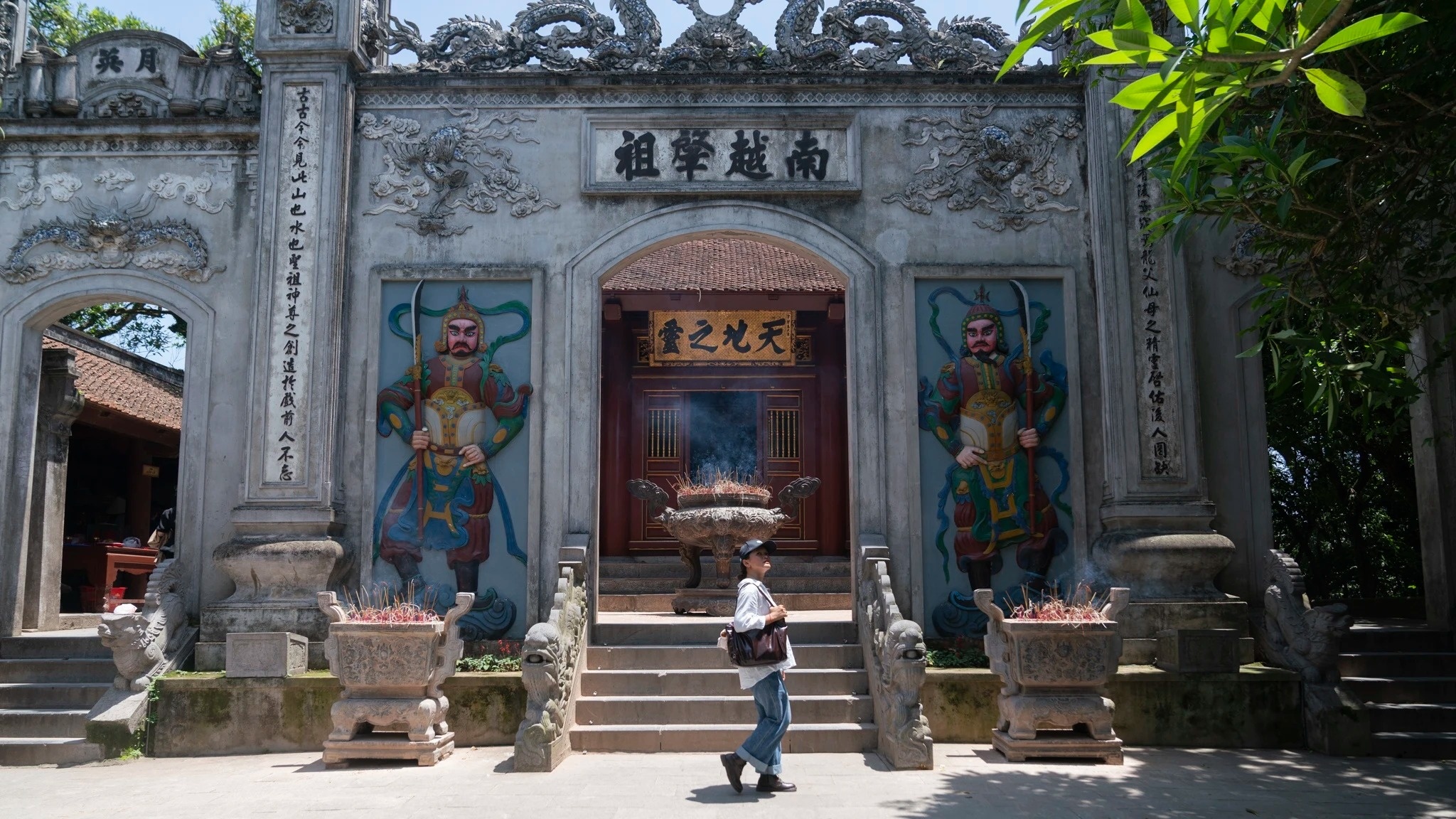
 |
Just a few years ago, Phu Tho was often mentioned as a seasonal "back to the roots" destination, busiest during festivals and then quieter afterwards.
However, since the merger of the Phu Tho - Hoa Binh - Vinh Phuc tourism areas (July 2025), the entire industry landscape has changed significantly, with a sharp increase in tourist numbers, an expansion of the destination map, and products no longer limited to spiritual and heritage tourism but extending to ecological, resort, community-based experiences, and sports tourism.
In its new form after the merger, Phu Tho has maintained its role as a sacred ancestral land while simultaneously transforming itself into one of the most diverse and dynamic tourism centers in Northern Vietnam. The shift from seasonal festival tourism to a year-round experiential ecosystem, coupled with impressive figures, is writing a story of sustainable development, where heritage truly becomes an "asset."
| NUMBER OF TOURISTS VISITING PHU THO OVER THE YEARS | |||||||
| Label | 2020 | 2021 | 2022 | 2023 | 2024 | 2025 (estimated) | |
| Million views | 5.2 | 4.21 | 5.45 | 6 | 13.1 | 14.5 | |
The leap forward after the merger
From a destination primarily associated with pilgrims visiting Hung Temple, Phu Tho's tourism is shifting towards a "multi-center - multi-choice" model thanks to its expanding development space. The biggest advantage currently lies in its resource structure: it possesses a cultural foundation and heritage strong enough to attract tourists year-round, while also offering natural beauty and resorts to extend stays, increase spending, and reduce seasonality.
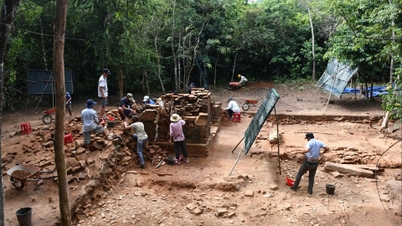
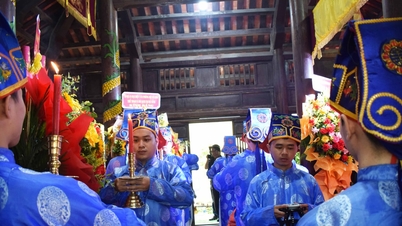
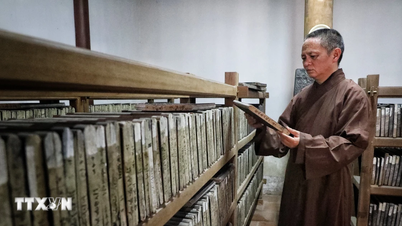
According to aggregated data after the merger, the new Phu Tho province now has 2,778 historical sites, including 6 special national historical sites, 6 national treasures, and nearly 2,000 intangible cultural heritage items.
In particular, the five UNESCO-recognized heritage sites (Hung King worshiping belief, Phu Tho Xoan singing, Tug-of-war ritual and game, Ca Tru singing, and Tam Phu belief practices) form a rare system of "soft assets," helping Phu Tho to clearly position itself on the cultural tourism map.
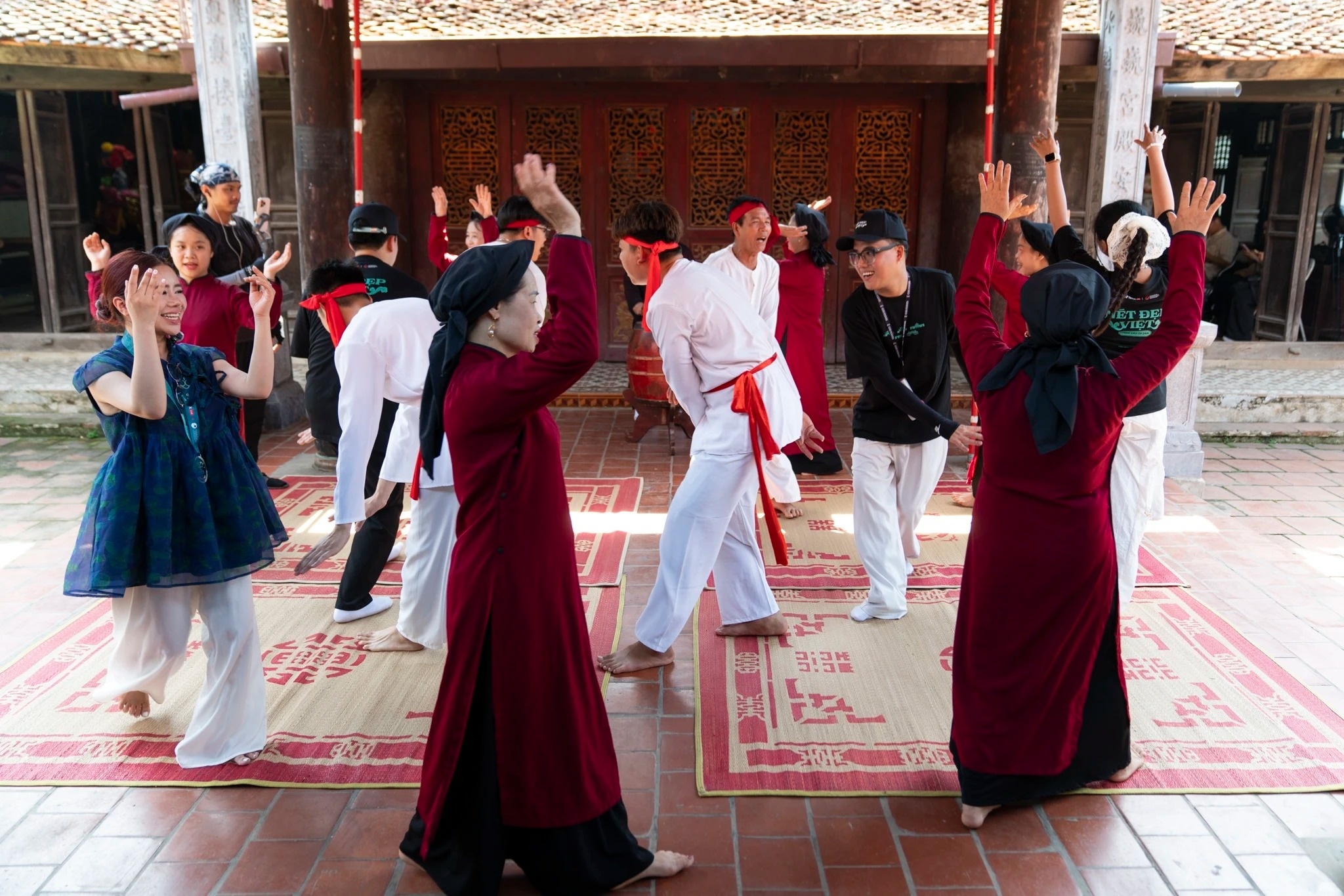 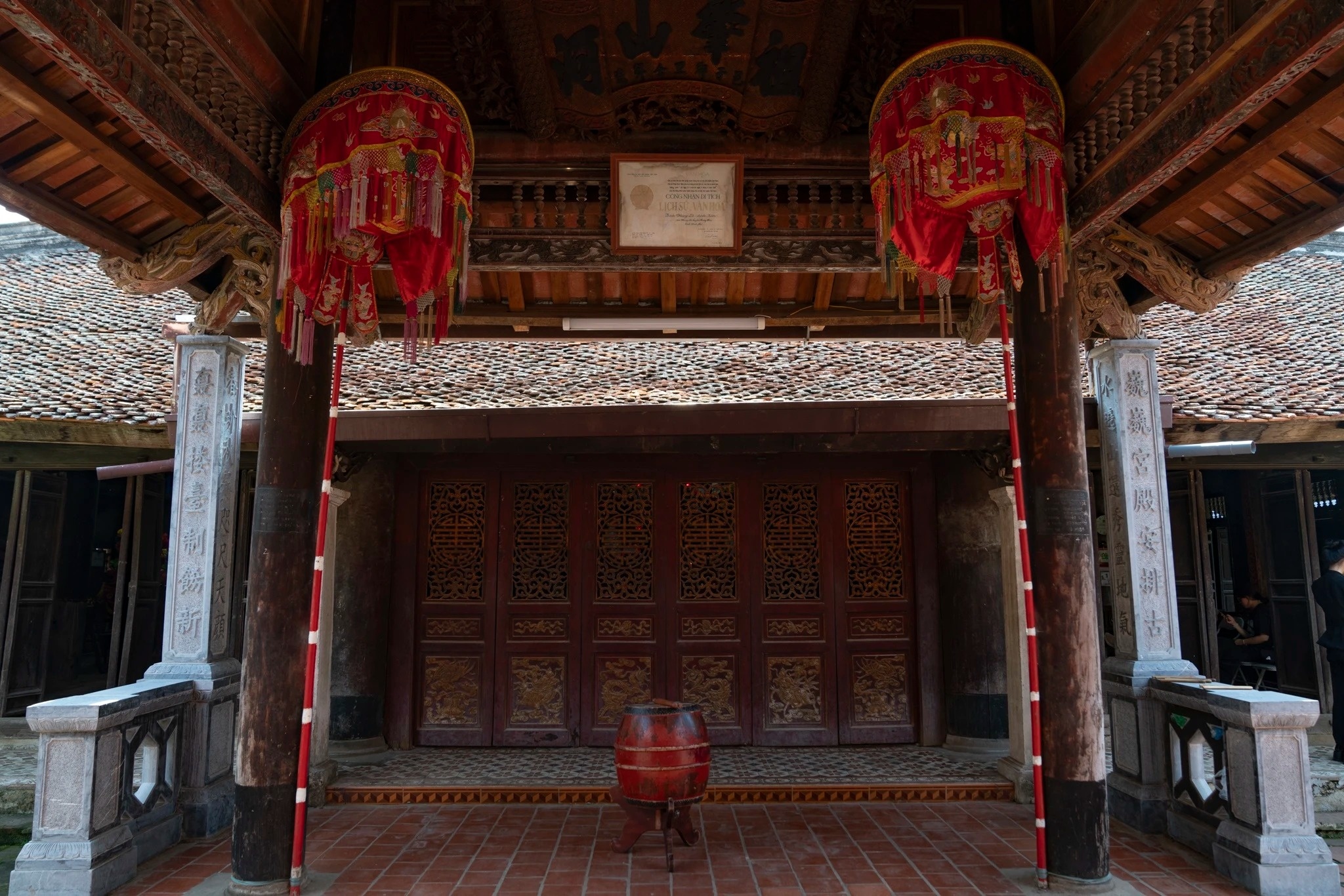 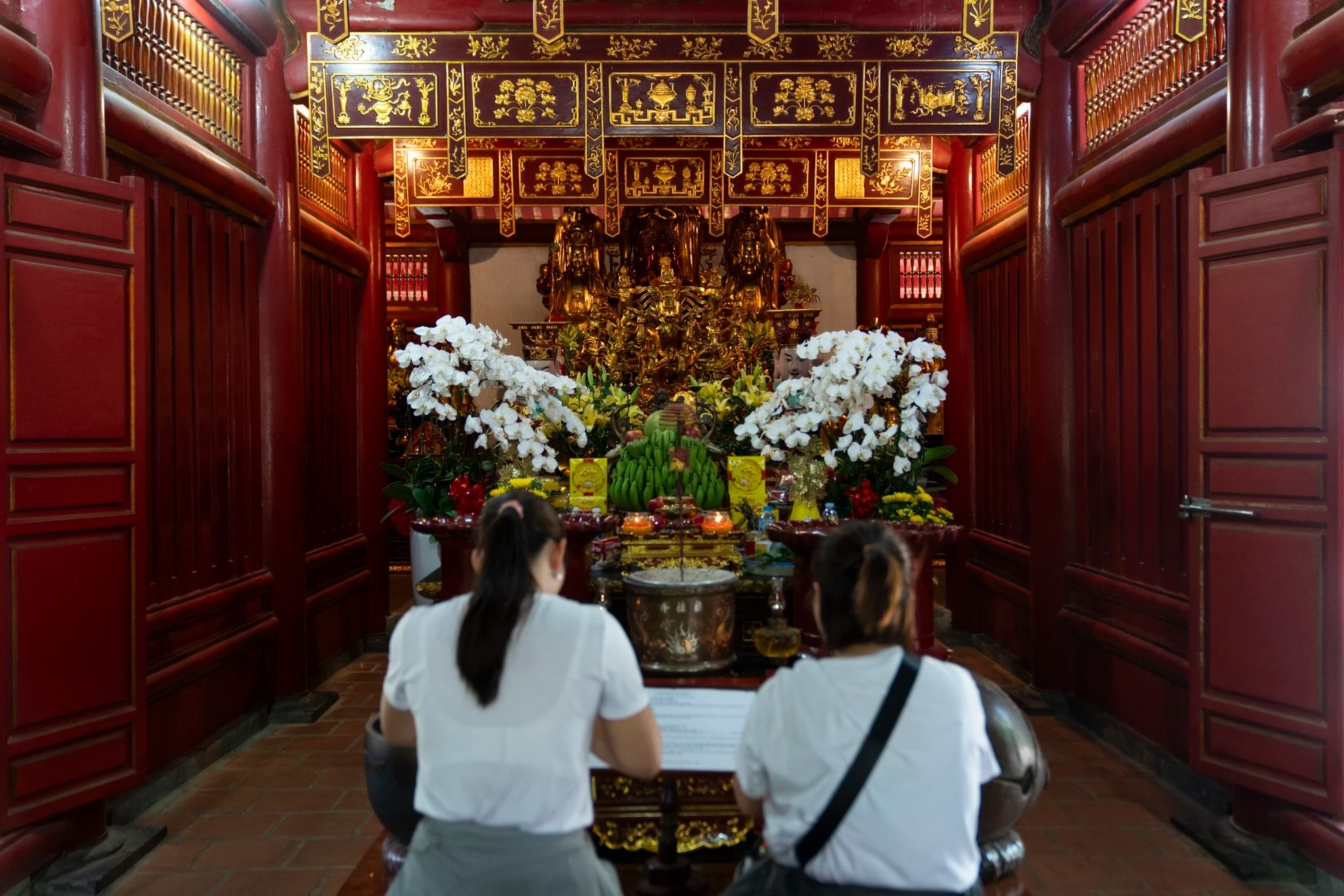 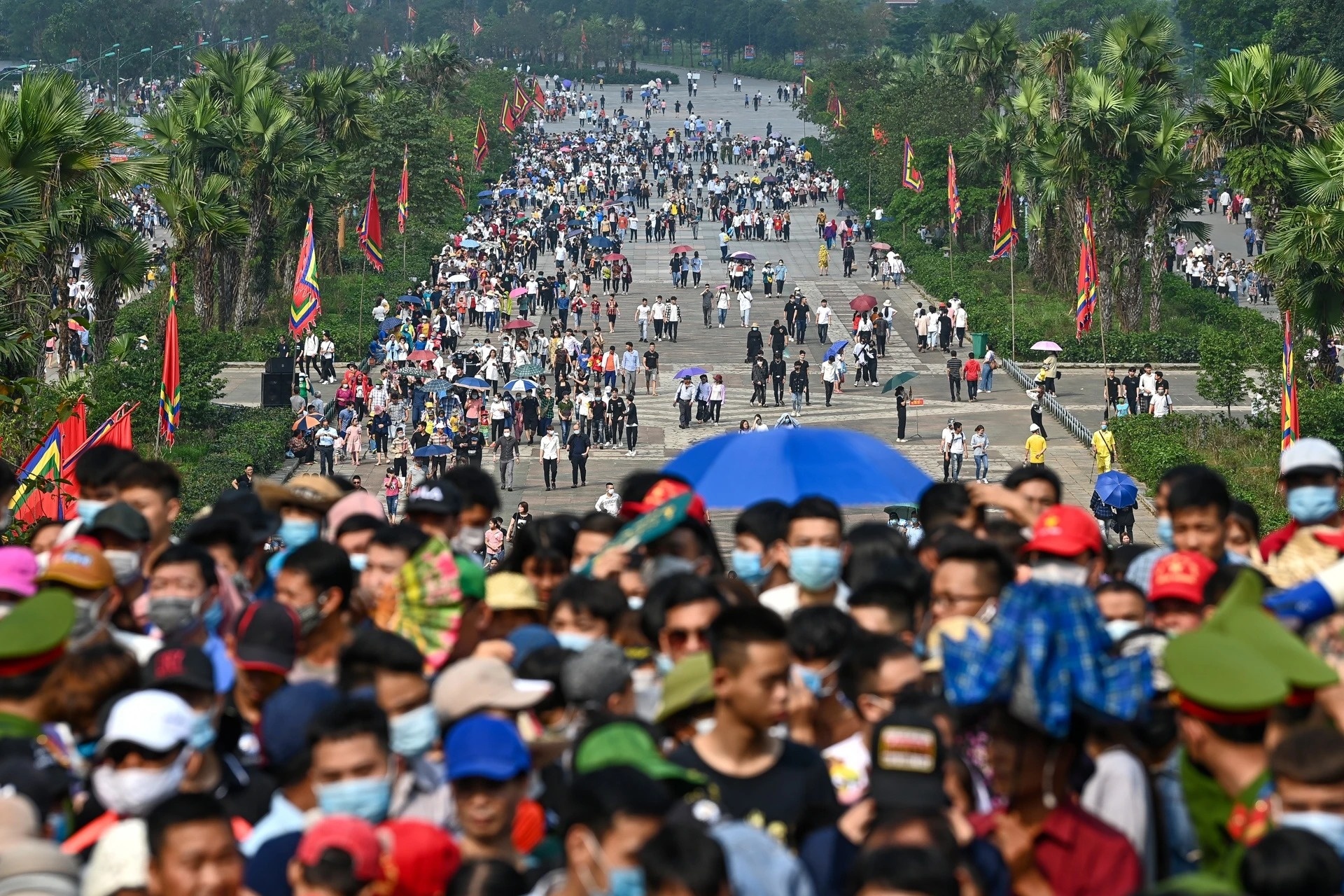 |
Phu Tho province boasts 2,778 historical sites, including 6 special national historical sites, 6 national treasures, and nearly 2,000 intangible cultural heritage items. Photo: Viet Linh, Linh Huynh. |
Following the merger, the cultural sediment became even thicker due to the intermingling of Muong culture from Hoa Binh, the Northern Delta, and the midland and mountainous regions, opening up the possibility of forming inter-regional product lines and clusters.
Simultaneously, investment in conservation is considered a "foundation" for enhancing the experience. Between 2021 and 2025, the province allocated over 1.1 trillion VND to restore and renovate nearly 250 historical sites, helping cultural values extend beyond mere sightseeing and gradually transform into themed activities, performances, festival spaces, and evening tourism products. This approach helps Phu Tho tourism move beyond the "visit and leave" model and towards a more in-depth consumption model.
Speaking with Tri Thức - Znews , the leader of the Department of Culture, Sports and Tourism of Phu Tho province said that local tourism has recovered quickly since Covid-19, especially after the merger, with many growth indicators exceeding expectations, notably in domestic tourists and experiential tourism.
Specifically, the Covid-19 period brought the number of tourists to Phu Tho to a very low point. In 2020, the province welcomed 5.2 million visitors, while in 2021 that number dropped to 4.213 million.
Since 2021, the recovery has been rapid and accelerated. In 2024, Phu Tho reached 13.05 million visitors, more than three times the number in 2021. In 2025, the number of visitors is estimated to reach 14.5 million, with approximately 676,100 international visitors, nearly eight times higher than the lowest point in 2021.
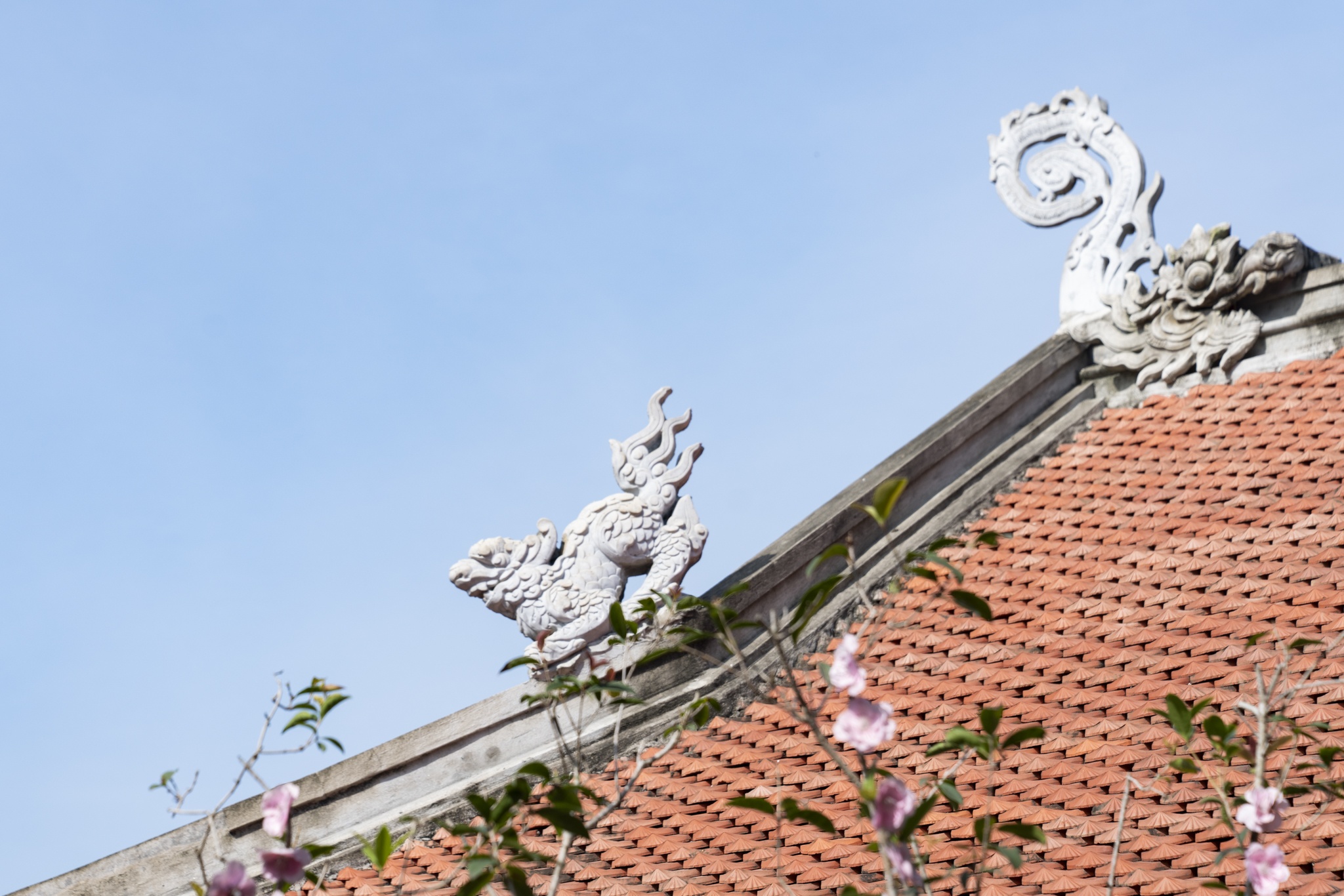 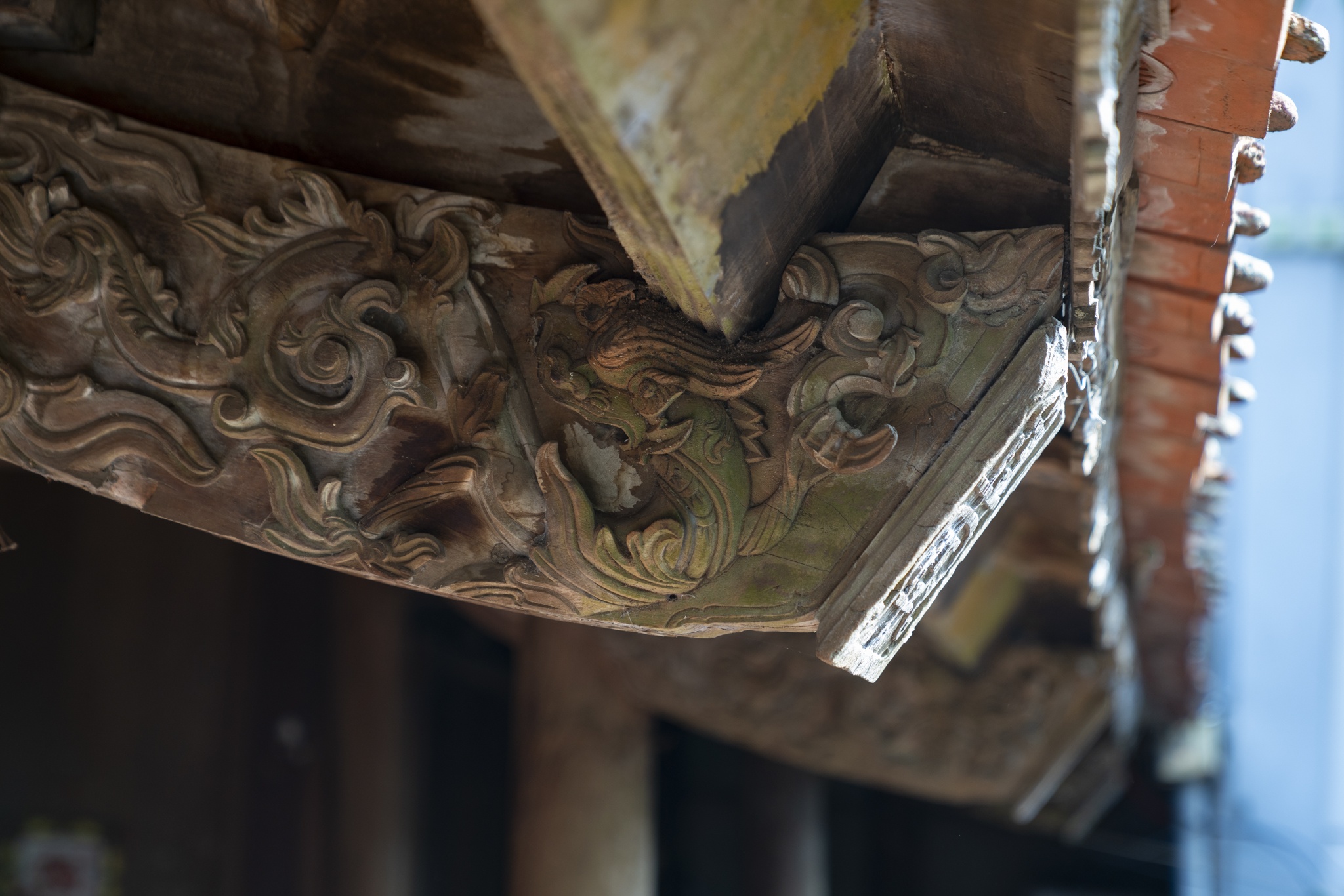 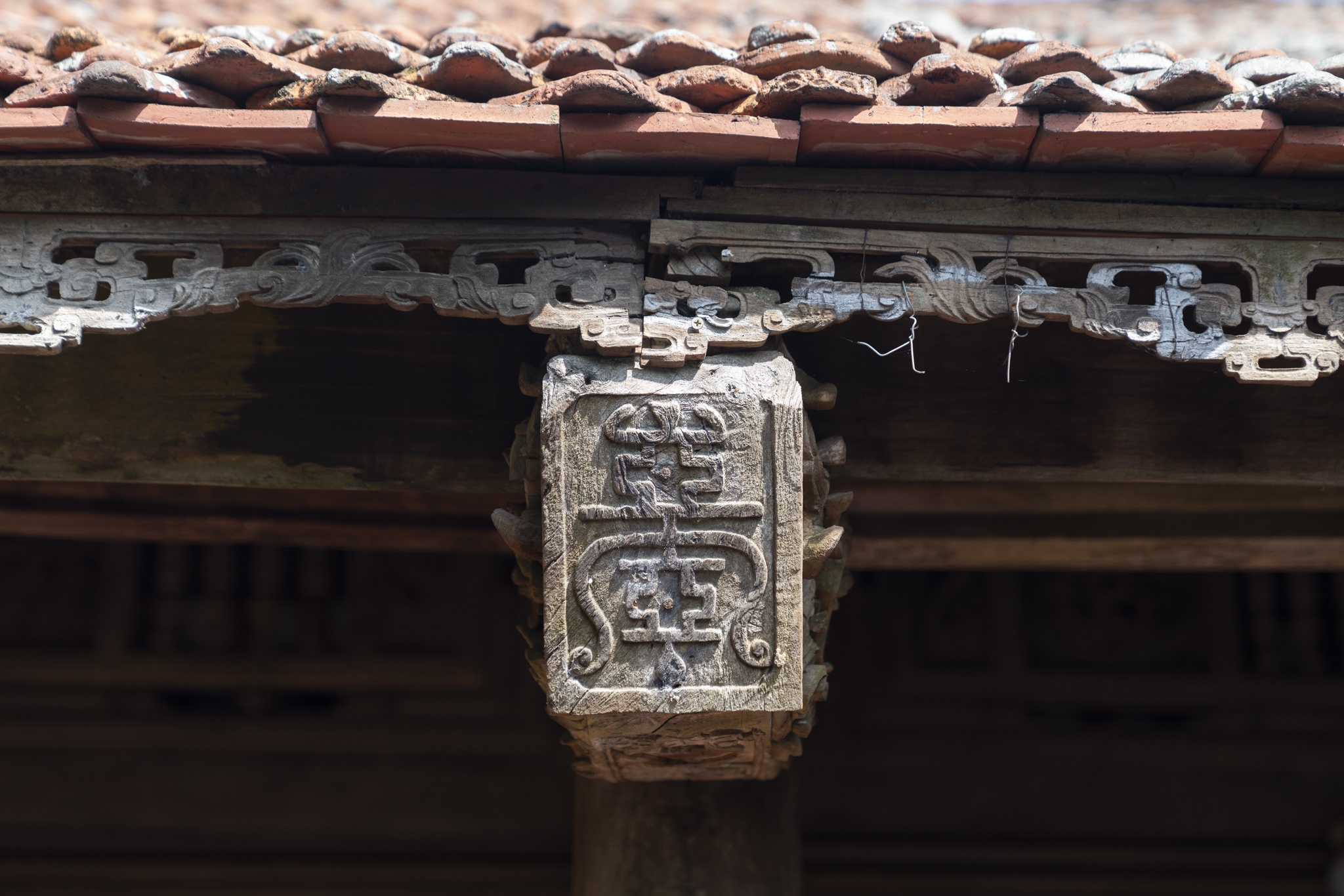 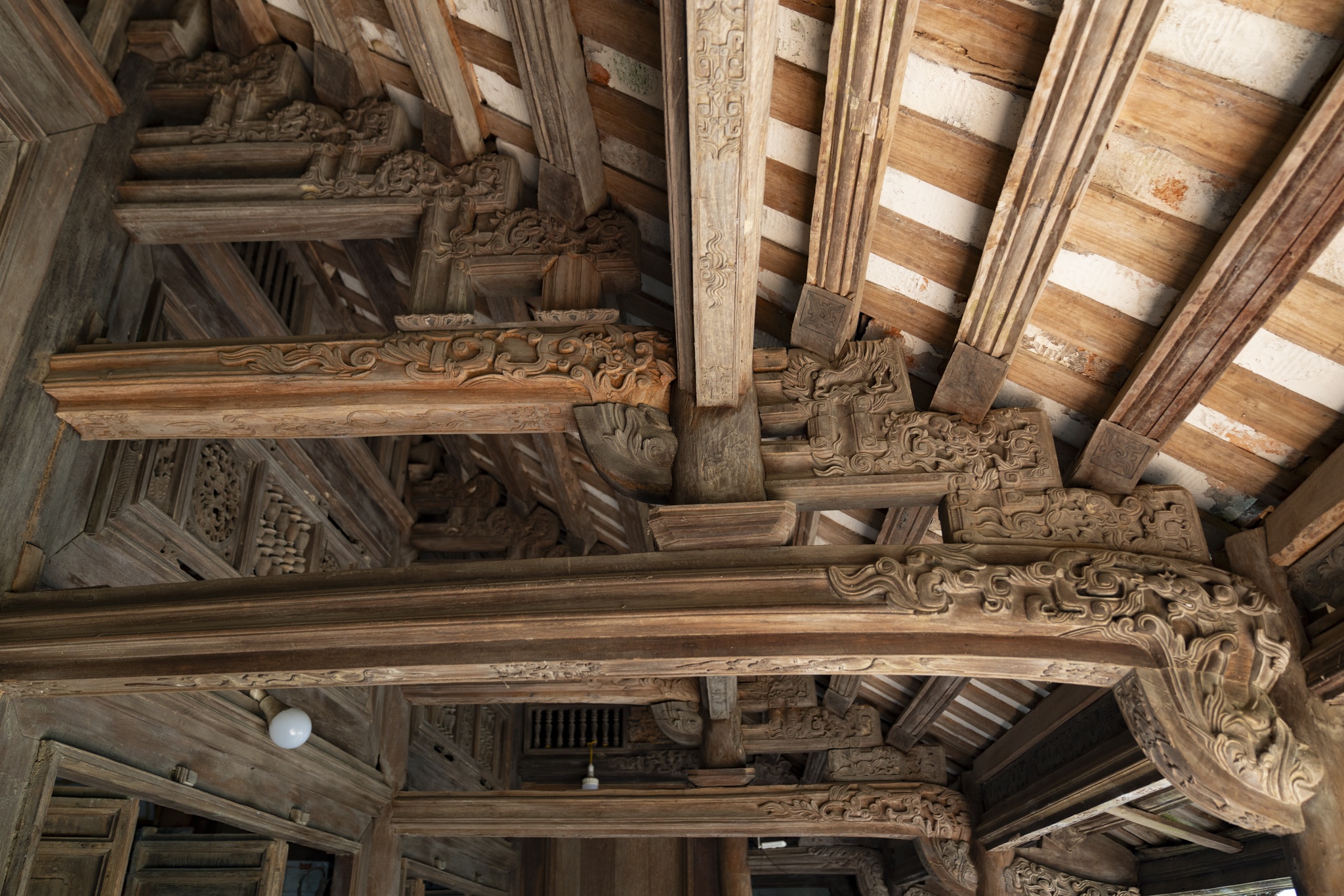 |
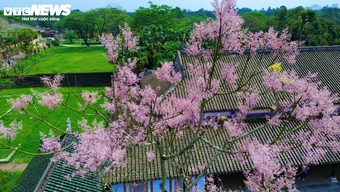
Ancient architectural traces are imprinted on traditional houses in Phu Tho. Photo: Linh Huynh. |
Explaining the acceleration, the Department attributed it to three main driving forces.
- Firstly , improved transportation infrastructure, especially expressways and inter-regional connections, makes it easier for tourists from Hanoi and surrounding areas to access destinations.
- Secondly, there is the digital media effect: promotional campaigns on online platforms help to spread the image of Long Coc, Xuan Son, Thanh Thuy, Mai Chau, Pa Co, etc., especially among young tourists.
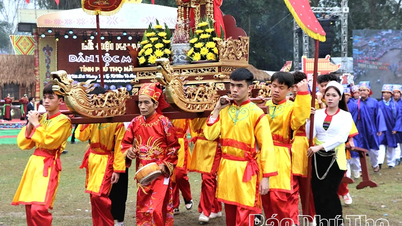
- Thirdly , the "product basket" has been expanded, ranging from hot springs, Hoa Binh Lake tourism, community tourism to innovative homestays, glamping, trekking, and cultural experiences; at the same time, a series of major cultural and sporting events (Hung Temple Festival, Tay Thien Festival, Muong ethnic group's opening ceremony, etc.) create highlights during peak seasons.
Thanks to these driving forces, growth is not only reflected in the number of visitors, but also in the trend towards higher-value services such as resorts, hot springs, and eco-community experiences, creating a foundation for destinations to improve quality rather than just increasing the number of visitors.
A stylish experience
Previously, the land of the Hung Kings was strong in seasonal festival tourism, but now the most noticeable growth comes from experiential models targeting young people and self-organized groups. Youth-style homestays, glamping, trekking, and cultural workshops are gradually becoming new "pathways" bringing tourists to the midland region.
Phu Tho's advantage lies in its diverse landscapes: from forests, tea hills, and terraced rice fields to lakes and village scenes, all within a 1-1.5 hour drive from Hanoi. This makes short trips ideal and allows satellite destinations like Xuan Son and Long Coc to emerge, driven by the post-Covid-19 trend of prioritizing nature and personalized experiences.
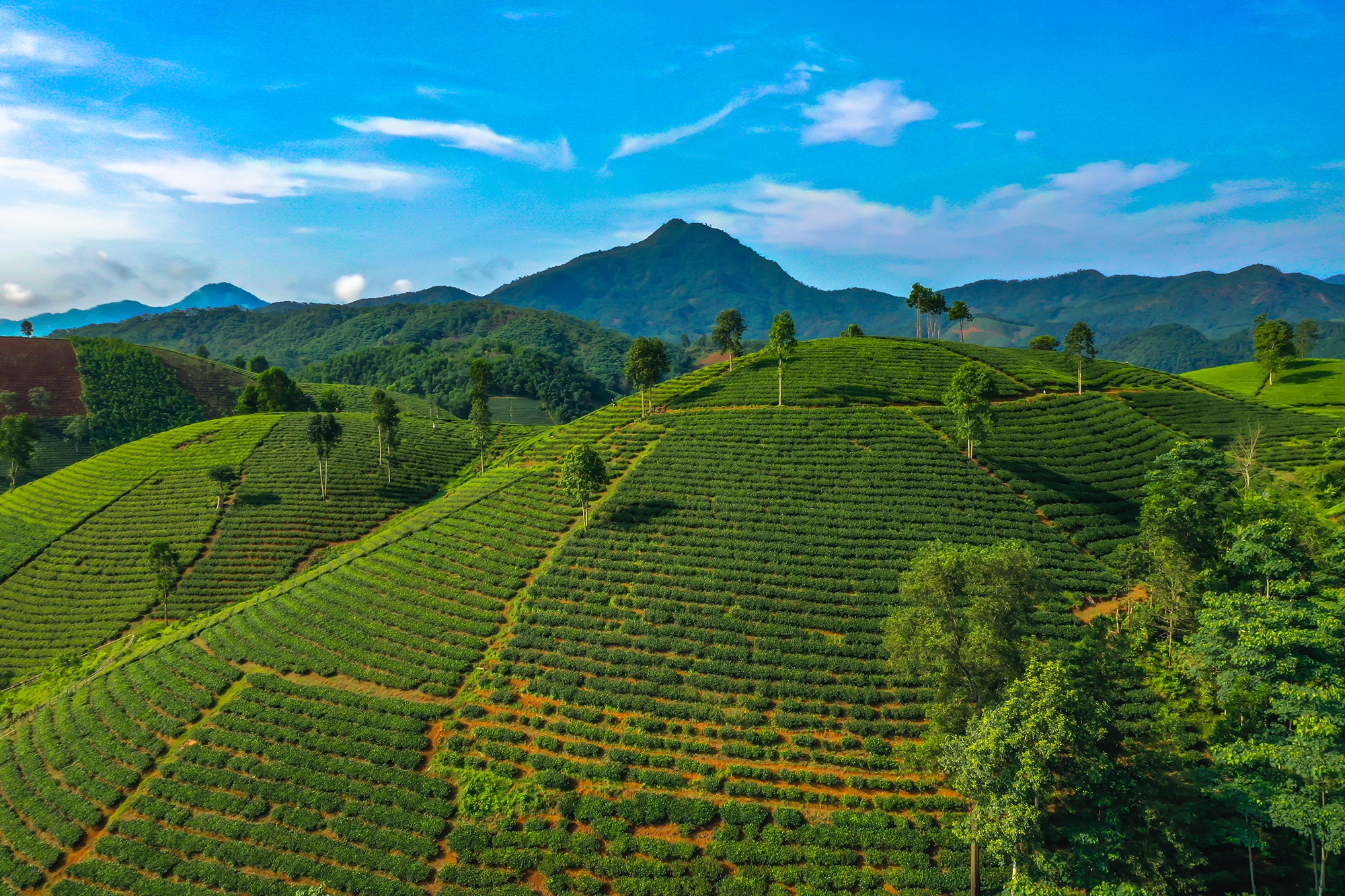 |
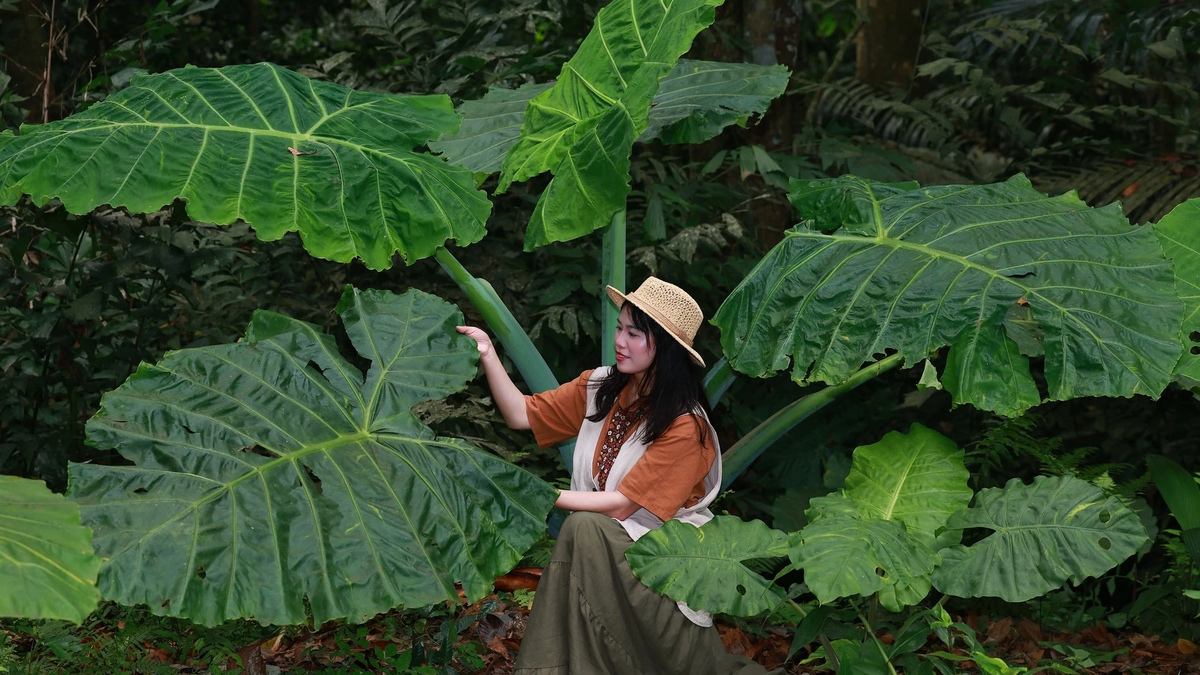
A priceless sunrise scene on Long Coc tea hill, Phu Tho. Photo: Viet Linh. |
Simultaneously, heritage is also being "retold" in new ways. Instead of just "seeing," visitors can "touch" it through themed tours, cultural experiences, multilingual guides, and digital maps.
Large-scale sporting events , from running races to national and international tournaments, continue to generate media buzz, drive spending, and open up opportunities for sports tourism.
The participation of young businesses and tourism startups acts as a catalyst, bringing flexible product thinking and the ability to spread information across digital platforms. However, along with the opportunities come the requirement for sustainable development management, aiming to avoid uncontrolled growth, protect the landscape, and preserve cultural identity.
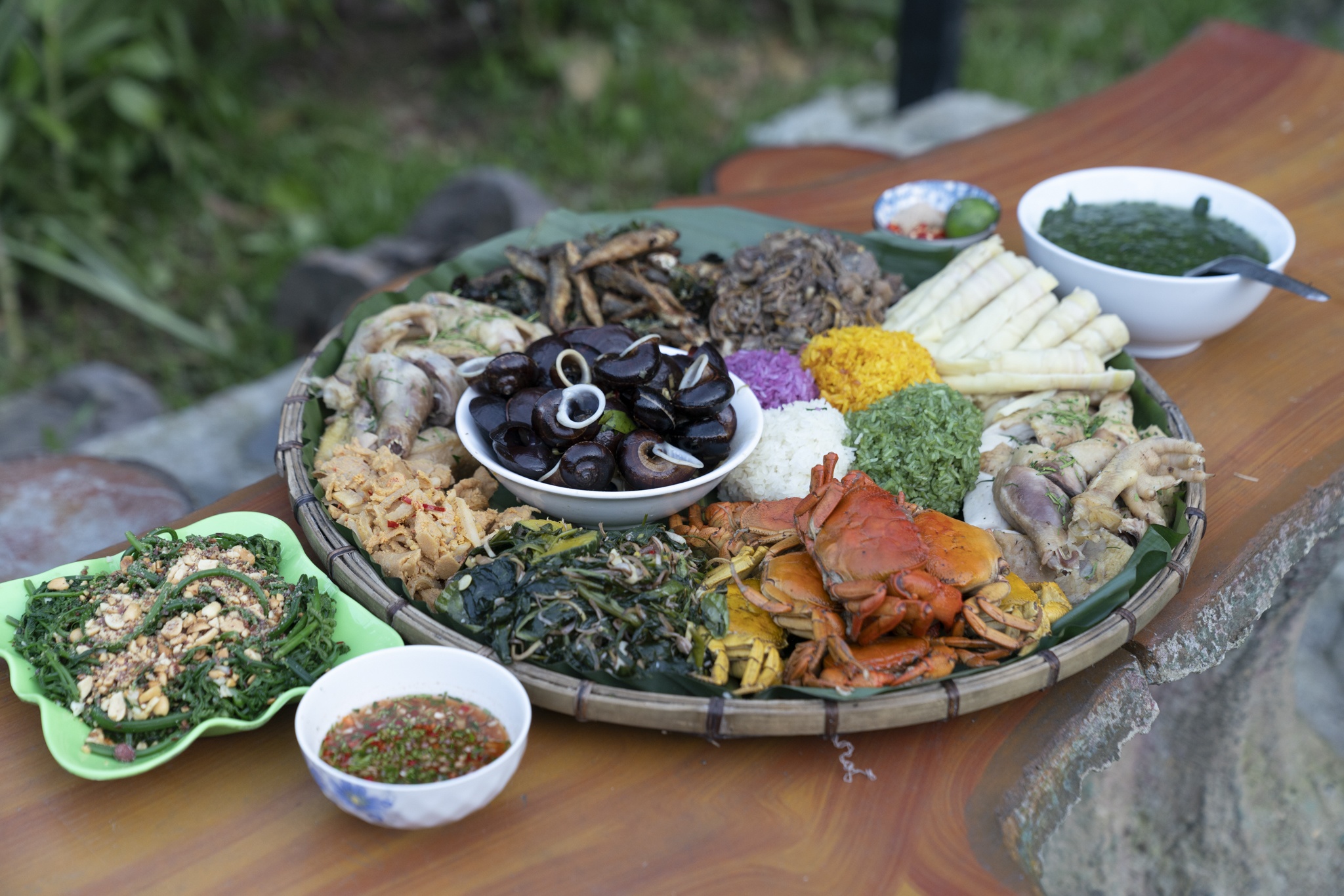 |
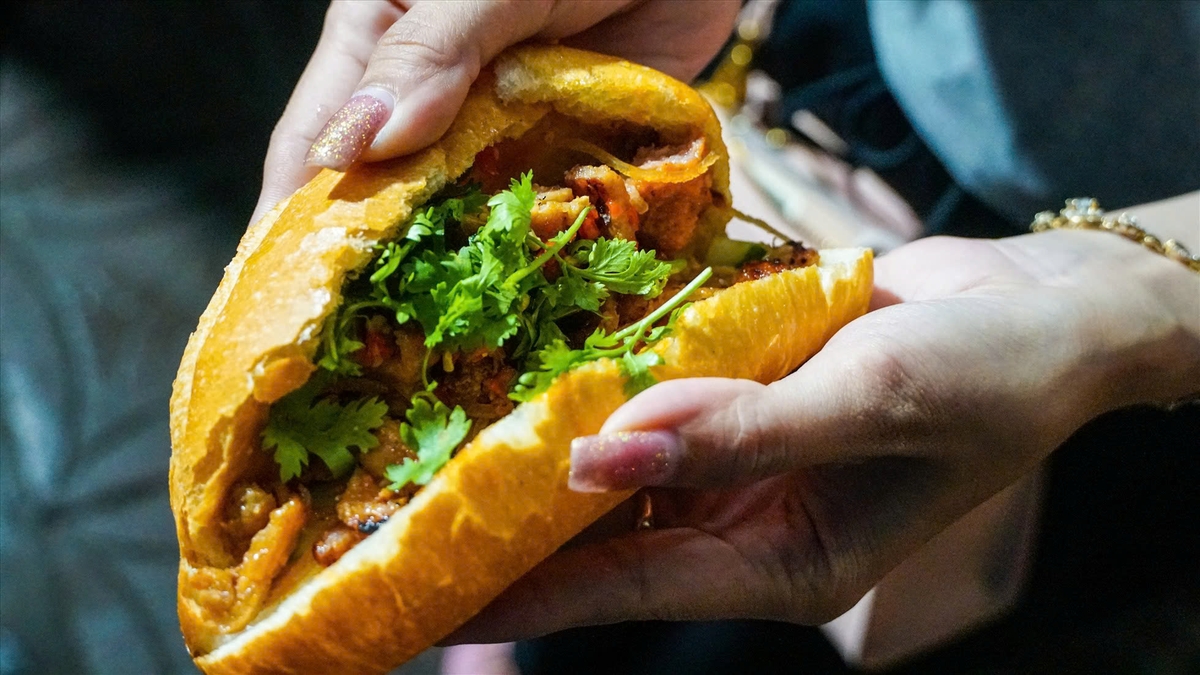
The cuisine of the Muong ethnic group in Phu Tho attracts tourists thanks to its unique flavors, combining many local spices. Photo: Linh Huynh. |
What makes Phu Tho's tourism transformation remarkable is not only the rapid increase in visitor numbers, but also the way the province has restructured its tourism space and repositioned the role of heritage in development. When "returning to the roots" is no longer a seasonal trip, but becomes part of a year-round experiential ecosystem, heritage has truly been transformed into an economic resource.
This is the foundation for Phu Tho tourism to not only grow in quantity but also gradually improve the quality of destinations, moving closer to the goal of becoming a pillar in the service economy structure of the Northern Midlands region.
Source: https://znews.vn/su-chuyen-minh-cua-du-lich-phu-tho-post1613484.html
![[Photo] Prime Minister Pham Minh Chinh receives the Chinese Ambassador to Vietnam](https://vphoto.vietnam.vn/thumb/1200x675/vietnam/resource/IMAGE/2026/04/05/1775397481797_ndo_br_dsc-5512-jpg.webp)
























































Comment (0)