


In Vietnam, many large businesses are also undertaking brand repositioning on varying scales to refresh their image and expand their reach.
Brand value
Apple's brand was valued at $880 billion in 2023. This tech giant continues to top the global brand rankings published by Kantar BrandZ. This demonstrates that meaningful, distinctive, and outstanding brands are strong enough to weather a global economic downturn.
Nearly four decades ago, in 1988, the concept of brand equity was first officially listed in the audit portfolio of a British company, accounting for 59% of its total assets. Subsequently, American branding guru David Aaker introduced the brand equity model and the brand identity building model.
Many businesses decide to reposition their brands when facing milestone stages of development.
According to David Aaker: “ Brand equity is a set of intangible assets associated with a brand’s name and logo that contribute to or diminish the value of a product or service for the company and its customers .”
In the era of Industry 4.0, branding plays an extremely important role in the strategy for a business's success. For a brand to become an asset, companies must diligently build pillars of loyalty, brand awareness, perceived quality, brand associations, and other asset values.
Once the brand name, symbol, slogan, company logo, and product are memorable to customers, the company has successfully built brand equity. However, this asset is not immutable; it can increase or decrease.
Marketing experts believe that no matter how successful a business is, at a certain point, its brand needs to change to align with its new development strategy. At this stage, the business needs to reposition its brand to strengthen loyalty and increase awareness of these changes.
Why do businesses rebrand?
Back in 2007, when Apple Computer made history with the first iPhone, they officially announced they were dropping "Computer" from their brand name because the old brand positioning was no longer suitable. Similarly, Starbucks Coffee changed its name to Starbucks Corp when the company expanded its product range beyond just coffee.
Few people know that Sony once had a very long name: Tokyo Telecommunication Engineering Corporation. This name was changed when the company expanded its development areas and reached out to the world .
In Vietnam, many businesses have also launched brand repositioning campaigns to attract attention. For example, Vincom has changed its name to Vingroup ; Saigon Thuong Tin Real Estate Joint Stock Company (Sacomreal) has transformed into TTC Land; and Kinh Do Company has changed its name to Kido.
In early 2024, the diversified conglomerate TNG Holdings Vietnam officially announced its new name, ROX Group, along with a new brand identity. This is part of the company's brand repositioning strategy.
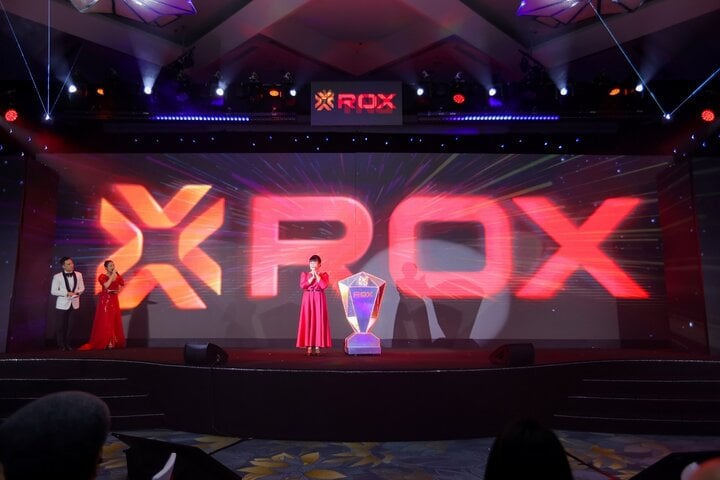
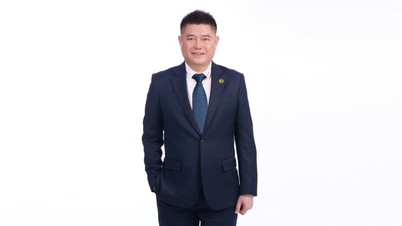
Ms. Nguyen Thi Nguyet Huong - Chairwoman of the Board of Directors of the Group, at the moment of announcing the ROX Group brand.
Accordingly, ROX Group positions itself as a multi-sector investment group, a pioneer in creating value and convenience for life through its ecosystem of urban and industrial park development, services, and finance; with a reputation for its ability to implement large-scale projects domestically and internationally. The Group's mission in this new development phase is "Creating convenience".
The name ROX has two meanings. Firstly, ROX means cornerstone – representing the solid and strong foundation that the business has inherited after nearly 30 years of building from its humble beginnings. Secondly, ROX means excellence – reflecting the spirit of always moving forward, overcoming all difficulties and obstacles to reach the pinnacle and achieve perfection.
The new logo consists of the brand name ROX and a flower of prosperity created by four orange-yellow Vs, forming a solid rectangular frame, creating a unified, strong, and inseparable whole.
Along with the launch of the Group's new brand, ROX Group also simultaneously implemented a new brand strategy for its member units. For example, TNG Realty changed its name to ROX Living; TNCons Vietnam transformed into ROX Cons Vietnam; TNG Asset became ROX Asset; and TNG Capital became ROX Capital.
For many businesses, trademark registration was previously not a priority. However, in the 4.0 era, brands and trademarks appear frequently in mass media. This poses a challenge for businesses: how to establish their own unique brand identity.
Reportedly, a major reason behind ROX Group's decision to reposition its brand was its inability to register trademark protection under the TNG name in its investment areas, both domestically and internationally.
A representative from ROX Group stated: "The name change from TNG Holdings Vietnam to ROX Group reflects the professionalization of copyright and trademark protection in particular, and the overall brand strategy of the company in the new business environment. The new brand is a combination of past foundations and present strengths, of sustainable development and innovative creativity."
According to experts, the failure to protect trademarks will hinder a business's long-term growth. This is also a lesson for startups: they need to create a protective shield for their brands right from the initial stages in an increasingly competitive environment.
The brand transition process will create a gap in customers' minds. Businesses will spend more time and money filling this gap. However, in the long run, repositioning will help brands move faster and further in the 4.0 era.
Bao Anh
Source









































































Comment (0)