

In a densely populated area like Dong Nai , with rapid industrialization and complex transportation, building a stroke treatment network is no longer an option but an urgent requirement to protect public health.
The biggest challenge is that patients arrive at the hospital late.
Associate Professor and Doctor Nguyen Huy Thang, Vice President of the Vietnam Stroke Association, stated: Each year, Vietnam records approximately 220,000 new stroke cases, and this disease is a leading cause of death and disability. Even more concerning, stroke is trending towards younger ages, with about 7.2% of stroke patients in Vietnam being under 45 years old.
 |
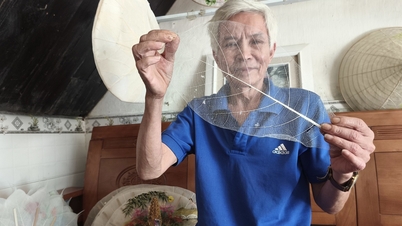
| Signs of stroke and effective prevention methods. |
However, the biggest challenge today is not the increase in cases, but the fact that patients arrive at the hospital late. According to statistics from the Dong Nai Department of Health , about 80% of stroke patients are admitted after the "golden hour" (less than 4.5 hours from the onset of symptoms), only about 8% receive timely thrombolytic therapy, and only about 20% are transported to the hospital by ambulance. This means that many patients lose their chance of recovery simply because of delayed symptom recognition, delayed emergency calls, or suboptimal hospital transfers.
According to Nguyen Van Binh, Deputy Director of the Dong Nai Department of Health: In recent years, Dong Nai has made significant progress in stroke treatment. Currently, the city has five hospitals that have established stroke units: Dong Nai General Hospital, Thong Nhat General Hospital, Long Khanh Regional General Hospital, Dinh Quan Regional General Hospital, and Binh Phuoc General Hospital.






































































































Comment (0)