

1. Why does the body sweat so much during exercise?
- 1. Why does the body sweat so much during exercise?
- 2. Does sweating a lot mean you'll lose a lot of fat?
- 3. Effective ways to lose weight
Many people view the amount of sweat as a measure of weight loss effectiveness. In reality, sweat primarily helps the body cool down as the temperature rises during exercise and does not directly reflect the amount of fat burned.
During exercise, muscles work continuously to generate force that propels the body. This process requires energy and simultaneously produces heat. In fact, only about 20-25% of the energy is converted into mechanical work; the majority is released as heat. If body temperature rises too high, organs will be affected and athletic performance will decline.
To maintain a stable body temperature around 37 degrees Celsius, the body activates several thermoregulation mechanisms, the most important of which is sweating. Sweat glands located beneath the skin release water and electrolytes to the skin's surface. As sweat evaporates, heat is carried away, helping to cool the body. The higher the intensity of exercise or the hot, humid environment, the greater the heat generated and the more sweat the body has to produce.
Besides the intensity of the workout, the amount of sweat produced depends on many other factors such as ambient temperature, air humidity, gender, physical condition, level of adaptation to exercise, and even genetics. Therefore, two people running at the same speed may sweat very differently.
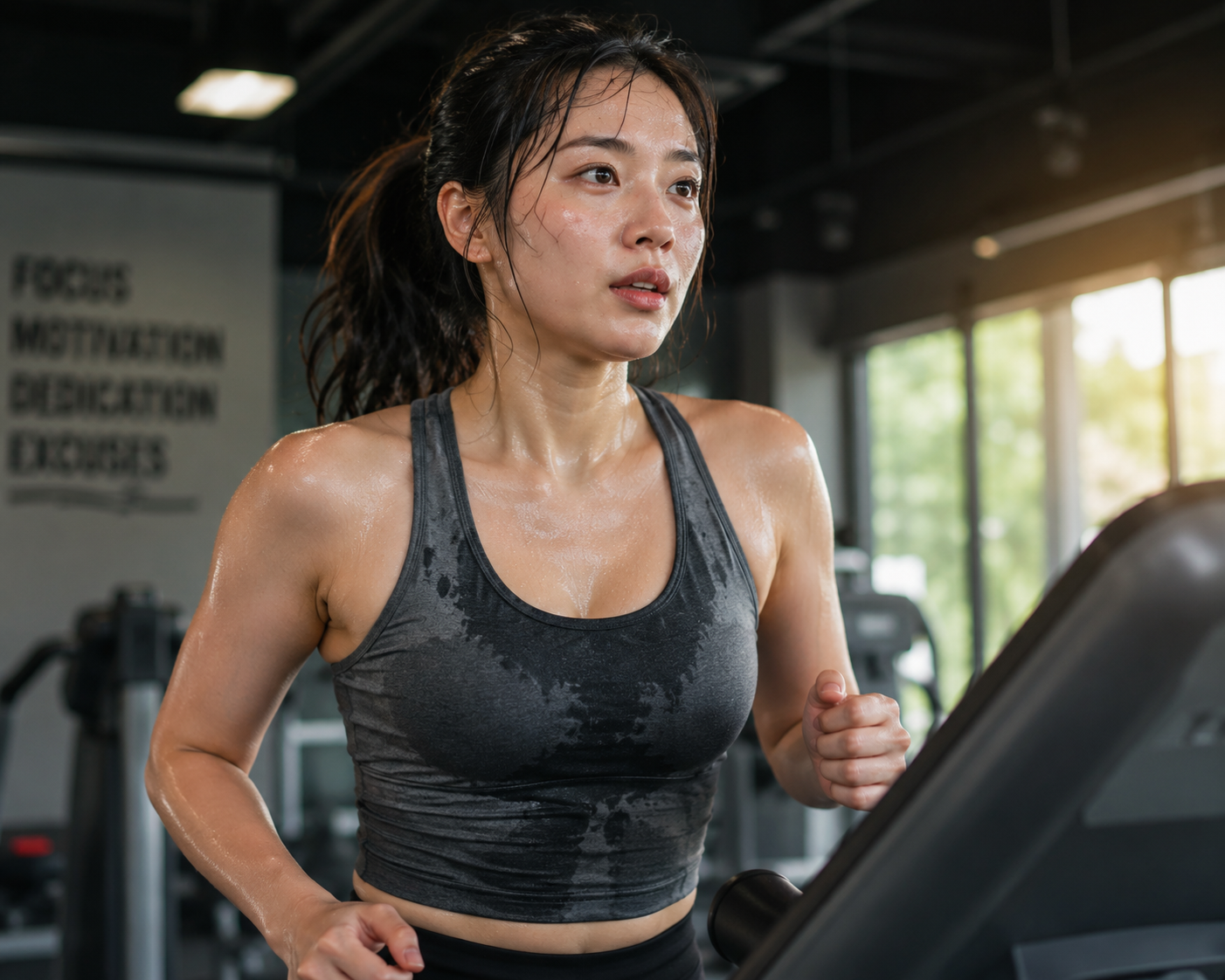
Many people believe that the more you sweat during exercise, the faster you will lose weight.

2. Does sweating a lot mean you'll lose a lot of fat?
The answer is no. Sweat consists mainly of water and electrolytes such as sodium, potassium, and chlorine. When the body sweats, weight may decrease immediately after exercise, but this weight loss is primarily water, not fat. For example, a runner in hot weather might lose 1-2 kg after a long workout. However, after drinking water and eating normally, most of this weight will quickly be regained.
Meanwhile, the process of fat loss occurs through a completely different mechanism. When the body expends more energy than it takes in from food, fat cells are mobilized to provide fuel for life processes and movement. This is the foundation of sustainable weight loss.
It's important to note that the amount of sweat produced doesn't accurately reflect the amount of calories burned. Someone exercising in an air-conditioned room might sweat less but still burn the same or even more calories than someone exercising outdoors in the hot sun. In other words, sweating more isn't necessarily an indicator that your body is burning more fat.
3. Effective ways to lose weight
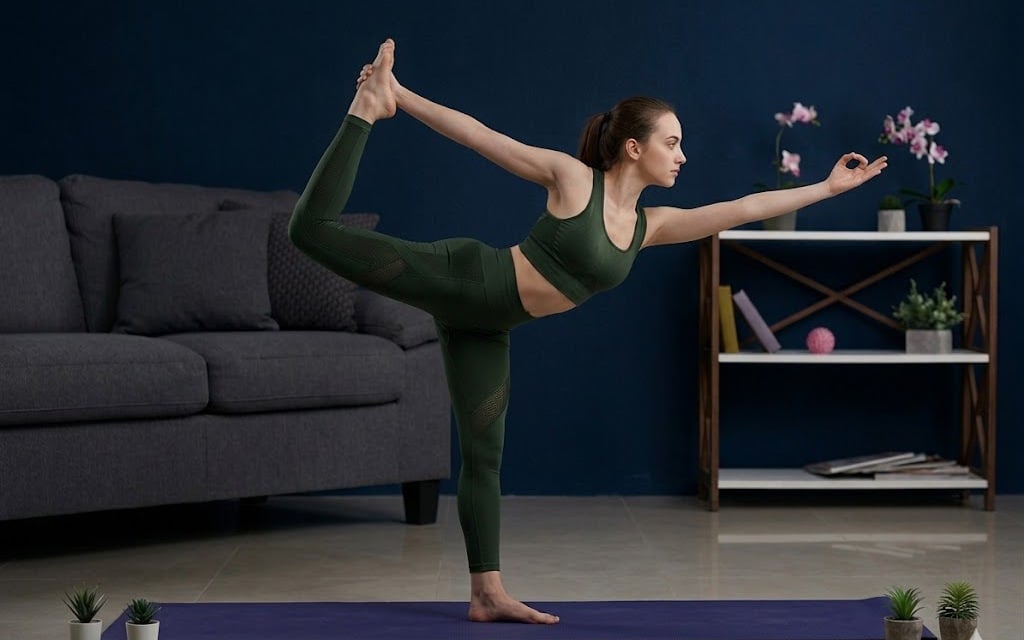
In reality, the effectiveness of weight loss depends primarily on total energy expenditure and the ability to maintain long-term exercise. Forms of exercise such as brisk walking, jogging, cycling, swimming, or strength training can all support fat loss if performed regularly and combined with a suitable diet.
Strength training plays a crucial role in maintaining or increasing muscle mass. The larger the muscle mass, the higher the resting energy expenditure, thereby supporting long-term weight management.
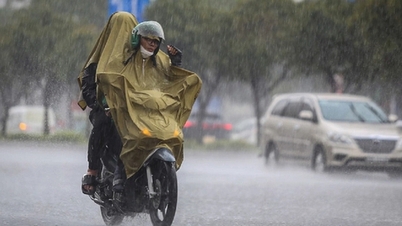
Conversely, deliberately wearing raincoats, wrapping yourself in heat belts, or exercising in intense sunlight to "force a sweat" can increase the risk of dehydration, electrolyte imbalance, cramps, heat exhaustion, and even heatstroke. This is especially dangerous in the summer, particularly for the elderly, those with cardiovascular disease, or those unaccustomed to physical activity.

Note that exercisers should wear breathable clothing and drink plenty of water before, during, and after workouts. Instead of focusing on the amount of sweat produced, track more important metrics such as waist circumference, body fat percentage, exercise endurance, and weight change over several consecutive weeks.
See more trending videos :
Source: https://suckhoedoisong.vn/tap-ra-nhieu-mo-hoi-co-giup-giam-can-169260603085647495.htm
















































![[Video] Sunset at Lap An Lagoon – Where the sun sets over the fishing nets](https://vphoto.vietnam.vn/thumb/1200x675/vietnam/resource/IMAGE/2026/05/31/1780192137701_beach-landscape-sea-water-nature-grass-745871-pxhere-com.jpeg)































Comment (0)